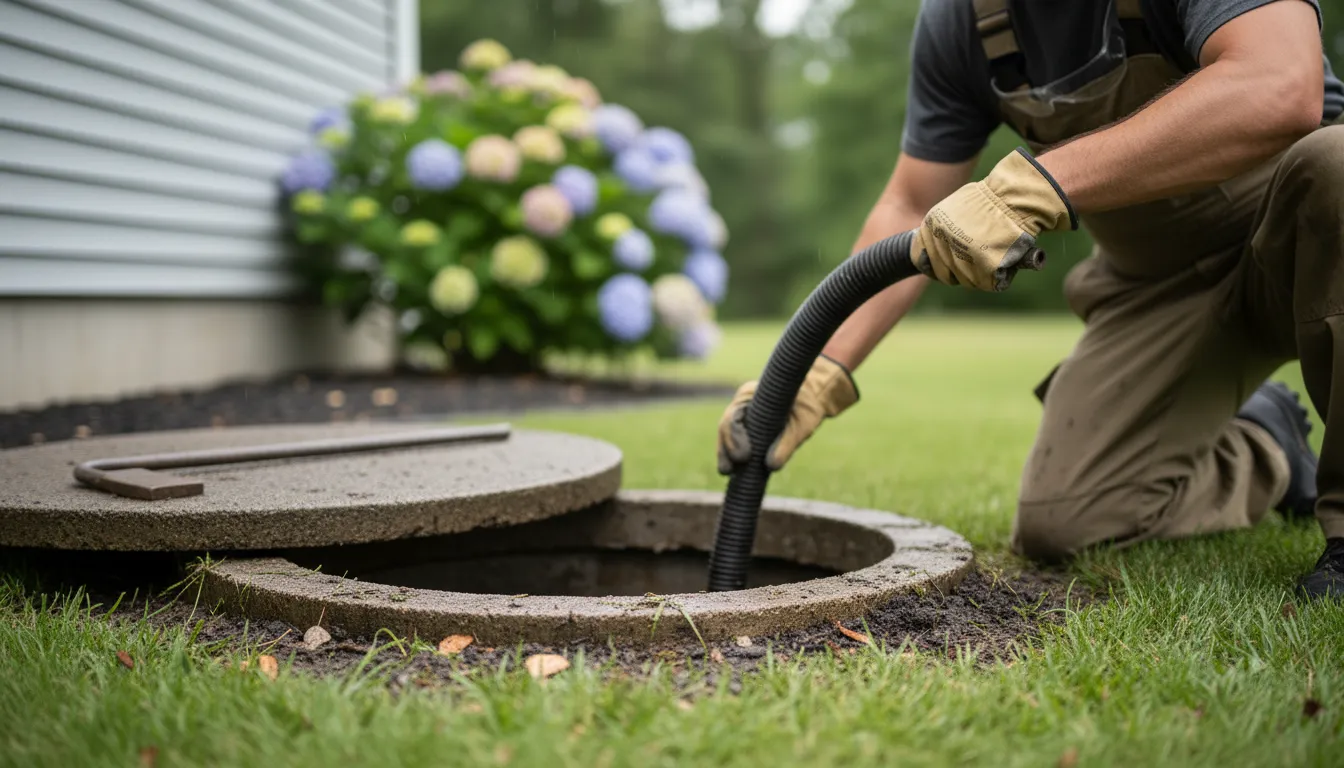
Find the Best Septic Tank Pumping Contractors for Your Business
No obligation • Fast responses • Nationwide coverage

Why you can trust Septic Spot
Septic Spot is a leading United States resource for understanding and comparing septic services. Our editors review providers using consistent criteria and verify key business details. Listings and scores are independent, and companies cannot pay to influence our content.
Search providers near you
Top Septic Tank Pumping Contractors in Gilroy, California Ranked
Maintaining a healthy septic system is a crucial responsibility for homeowners not connected to a municipal sewer line. Septic tank pumping is the essential process of removing accumulated solids and sludge from your tank to prevent system failure, backups, and costly environmental damage. This guide explains why regular septic maintenance matters in Gilroy, outlines local considerations, and helps you understand what to look for when finding a qualified professional for this vital service.
Wade's Plumbing & Septic
San Jose, CA
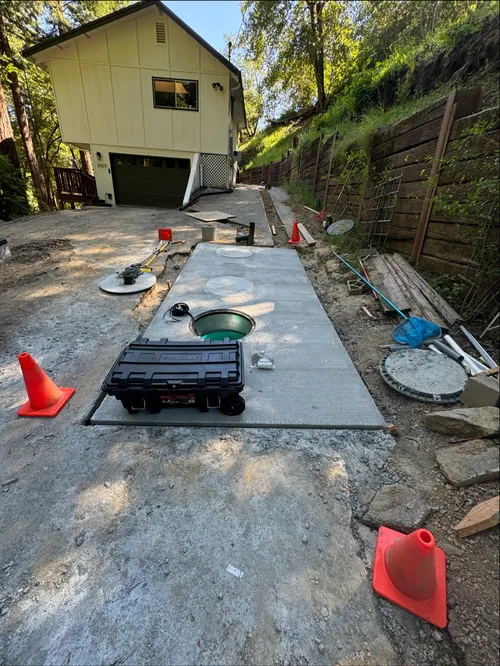
Wade's Plumbing & Septic is a family-owned company serving San Jose, CA, and licensed in California and Georgia. They specialize in septic tank pumping, inspection, repair, and installation, with a focus on enhanced treatment systems designed for challenging sites such as steep slopes, limited space, and environmentally sensitive areas. Their services include plumbing repairs and preventative maintenance, delivered by licensed professionals since 2021. Wade's offers upfront flat-rate pricing and emphasizes honest recommendations without upselling. They operate during regular business hours on weekdays.
Platinum Rooter Plumbing and Septic Inc.
San Jose, CA
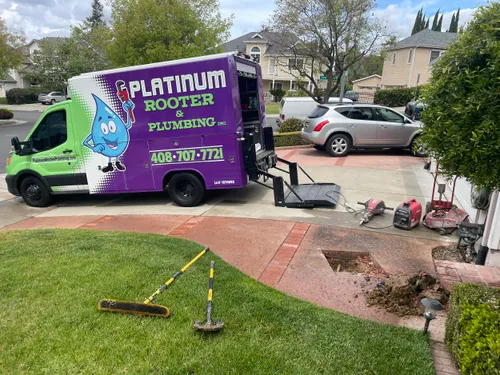
Platinum Rooter Plumbing and Septic Inc. is a septic tank pumping company based in San Jose, CA. They provide installation, cleaning, and maintenance services for septic tanks, grease traps, and water heaters. Serving areas from Gilroy to Livermore, they handle a range of plumbing issues from minor leaks to full pipeline replacements. The company offers hydro jetting services and is available 24/7 for emergency plumbing needs. With over 15 years in business, Platinum Rooter Plumbing and Septic Inc. emphasizes quick response times and honest pricing.
Garrison Plumbing Inc.
San Jose, CA
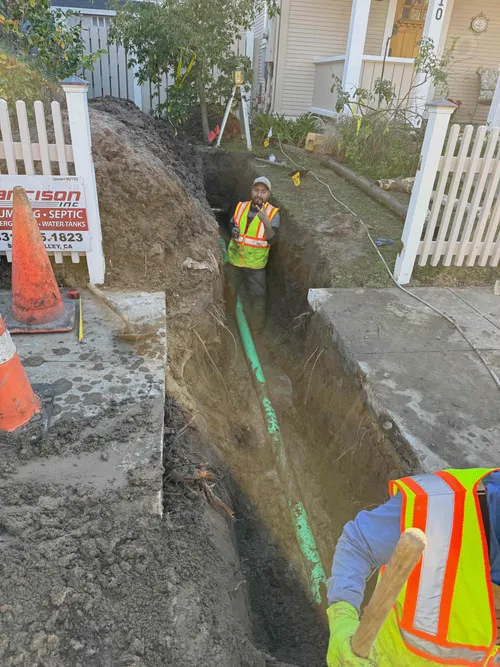
Garrison Plumbing Inc. is a licensed and insured septic and plumbing company serving San Jose, CA. Established in 1999, they offer septic tank pumping and inspection services, along with other plumbing needs including water tanks, heaters, and filtration systems. Their team can identify and investigate potential septic issues during service, providing comprehensive support for septic system maintenance and repairs.
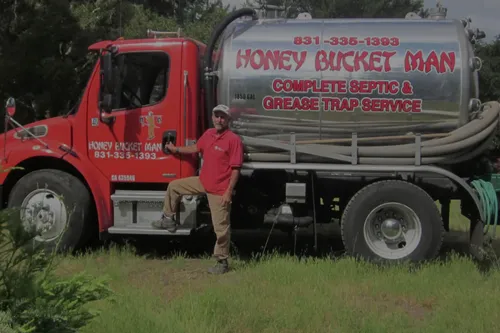
The Honey Bucket Man
6116 CA-9 # D, Felton, CA 95018
The Honey Bucket Man is a septic service provider located in San Jose, CA. They offer septic system cleaning, minor repairs, tank locating and uncovering, real estate inspections, and installation of new lids. Their services cover a range of septic system needs, including troubleshooting common problems to maintain system function.
Environmental Septic Solution
Stockton, CA
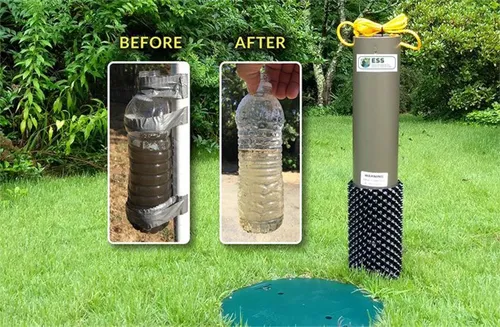
Environmental Septic Solution is a septic system service provider based in Stockton, CA. They specialize in septic tank pumping, inspection, repair, and drain field restoration using a proprietary aerobic bacteria technology. This system is designed to break down organic waste and biomat buildup, helping to avoid costly and invasive drain field replacements. Since 2007, they have offered solutions that can restore failing septic systems and reduce the need for frequent pumping. Their approach aims to maintain septic system function while protecting the environment.
Why Regular Septic System Pumping is Essential
A septic system is a self-contained wastewater treatment plant on your property. When functioning correctly, it safely processes household water and waste. Solids settle at the bottom of the tank as sludge, while fats and oils float to the top as scum. The liquid effluent in the middle flows out to the drain field for further filtration. Over time, the sludge and scum layers build up. If they aren't removed via septic tank cleaning, they can overflow into the drain field, clogging the soil and causing system failure. A failed system can lead to sewage backing up into your home, foul odors, and contamination of local groundwater-a serious health hazard and a violation of local codes. Regular septic service is not just maintenance; it's an investment in protecting your property, your health, and the environment.
Recommended Pumping Frequency for Gilroy Homes
How often you need septic pumping isn't a one-size-fits-all answer. In Gilroy and surrounding Santa Clara County, the general guideline is to have your tank pumped every 3 to 5 years. However, this is an average, and your specific schedule depends on several key household factors:
- Household Size: More people generate more wastewater and solids, filling the tank faster.
- Tank Capacity: A smaller tank (e.g., 750 gallons) will need service more frequently than a larger one (e.g., 1,500 gallons).
- Overall Water Usage: High-volume activities like frequent laundry loads, long showers, or running a dishwasher daily accelerate accumulation.
- Garbage Disposal Use: Using a garbage disposal regularly introduces additional organic solids, increasing the sludge layer more quickly.
The most reliable method is to have a licensed professional perform a routine inspection. They can measure the sludge and scum levels to give you a precise recommendation for your next septic tank emptying 1.
Signs Your Septic Tank Needs to Be Pumped
Don't wait for a disaster. Be proactive and watch for these warning signs that your tank may be reaching capacity and requires immediate septic system servicing:
- Slow Drains: Sinks, showers, and toilets that drain slower than usual, especially if plunging or drain cleaners don't help.
- Gurgling Sounds: Unusual gurgling noises coming from your plumbing fixtures when water is draining.
- Sewage Odors: Foul smells resembling rotten eggs emanating from drains, your yard, or near the location of the septic tank and drain field.
- Wet, Soggy Lawn: Standing water or unusually lush, soggy grass over the drain field area, even during dry weather.
- Sewage Backup: The most severe sign: wastewater or sewage backing up into household drains or toilets.
If you notice any of these signs, it's important to contact a septic pumping company promptly to assess the situation 2.
What to Expect: The Septic Pumping Process
Understanding the septic tank pumping process can help you prepare and ensure the job is done correctly. A standard service from a qualified professional typically includes:
- Locating and Uncovering: The technician will locate your tank's access lids (manholes) and excavate if necessary to uncover them.
- Initial Inspection: Before pumping, they may perform a quick visual check of inlet/outlet baffles and the general condition of the tank.
- Pumping: Using a large vacuum truck, all liquid and solid waste is pumped out of the tank and transported for proper disposal at a licensed facility.
- Tank Rinsing: The interior is often rinsed with water to help break up remaining solids, though not all companies include this step-ask beforehand.
- Final Inspection & Recommendations: After pumping, a more thorough inspection can be done. The technician should check for cracks, leaks, and the condition of baffles and tees, and provide you with a report and any recommended repairs or the next service date.
Find the perfect septic tank pumping contractors for your needs
Get personalized recommendations and expert advice
The Importance of Professional Inspections
While pumping removes the buildup, a comprehensive inspection is what ensures the entire system's health. Local regulations and best practices recommend a professional septic system inspection every 1 to 3 years, which often coincides with a pumping schedule 3. A proper inspection goes beyond the tank and should include:
- Sludge and Scum Level Measurement: Determining how full the tank is to schedule the next pumping accurately.
- Baffle and Tee Check: Ensuring inlet and outlet baffles are intact to prevent solids from escaping into the drain field.
- Drain Field Evaluation: Checking for signs of failure, like surfacing effluent or soggy ground.
- Component Integrity: Looking for cracks, leaks, or root intrusion in the tank and connecting pipes.
Maintaining detailed records of every inspection, pumping, and repair is invaluable. It creates a history for future homeowners, helps with troubleshooting, and is often required if you sell your property 4.
Understanding Costs for Septic Tank Pumping
The cost of septic tank pumping can vary based on tank size, accessibility, and regional rates. Nationally, the average cost ranges from $290 to $560. For Gilroy homeowners, you can expect pricing to generally align with these size-based estimates:
- 750-gallon tank: Approximately $250-$550
- 1,000-gallon tank: Approximately $325-$700
- 1,500-gallon tank: Approximately $450-$1,100 5 6
Additional costs may apply if the tank lids are buried deep and require significant excavation, if the pump truck cannot get close to the tank, or if an inspection or minor repairs are included. Always get a detailed quote before work begins.
Best Practices for Septic System Care
Pumping is a major part of maintenance, but daily habits significantly impact your system's longevity. Follow these septic tank maintenance tips to keep your system running smoothly between professional services:
- Conserve Water: Fix leaks promptly and spread out high-water-use activities (like laundry) over the week.
- Mind What You Flush: Only flush human waste and toilet paper. Never flush wipes (even "flushable" ones), feminine hygiene products, dental floss, diapers, or cat litter.
- Dispose of Grease Properly: Never pour cooking oils, fats, or grease down the drain. They solidify and cause clogs.
- Use Septic-Safe Cleaners: Harsh chemicals can kill the beneficial bacteria in your tank that break down waste.
- Protect the Drain Field: Never park vehicles or build structures (like sheds or patios) over the drain field. Keep trees and large shrubs planted away, as roots can invade and damage pipes.
- Know Your System: Keep a sketch of your tank and drain field location, and maintain a file of all service records 7 8 9.
Frequently asked questions
Sources
Footnotes
-
Septic Tank Pumping Frequency: Crucial Maintenance Guide - https://septic911.com/septic-tank-pumping-frequency/ ↩
-
Septic Tanks - Preventative Routine Maintenance - https://des.sc.gov/permits-regulations/septic-tanks/homeowner-resources/septic-tanks-preventative-routine-maintenance ↩
-
Septic Pumping and Inspections | Gilroy, CA - https://www.mortonsepticservicegilroy.com/pumping-and-inspections ↩
-
Homeowner's Guide to Septic Systems - Tuolumne County - https://www.tuolumnecounty.ca.gov/DocumentCenter/View/21759/Onsite-System-Care-and-Maintenance ↩
-
How Much Does It Cost to Pump a Septic Tank? [2026 Data] | Angi - https://www.angi.com/articles/how-much-does-septic-tank-pumping-cost.htm ↩
-
How Much Does It Cost to Have Your Septic Tank Pumped? - https://www.homeserve.com/en-us/blog/cost-guide/septic-tank-pumping-costs/ ↩
-
How Often Should You Pump Your Septic Tank? - https://tlsepticpumper.com/septic-system-education/how-often-pump-septic-tank/ ↩
-
How Often Should Septic Tank Be Pumped for Optimal Maintenance and Longevity - https://www.splashplumbing.com/how-often-should-septic-tank-be-pumped-for-optimal-maintenance-and-longevity/ ↩
-
Septic Tank Cleaning & Pumping Company Riverside - https://frankspumping.com/ ↩