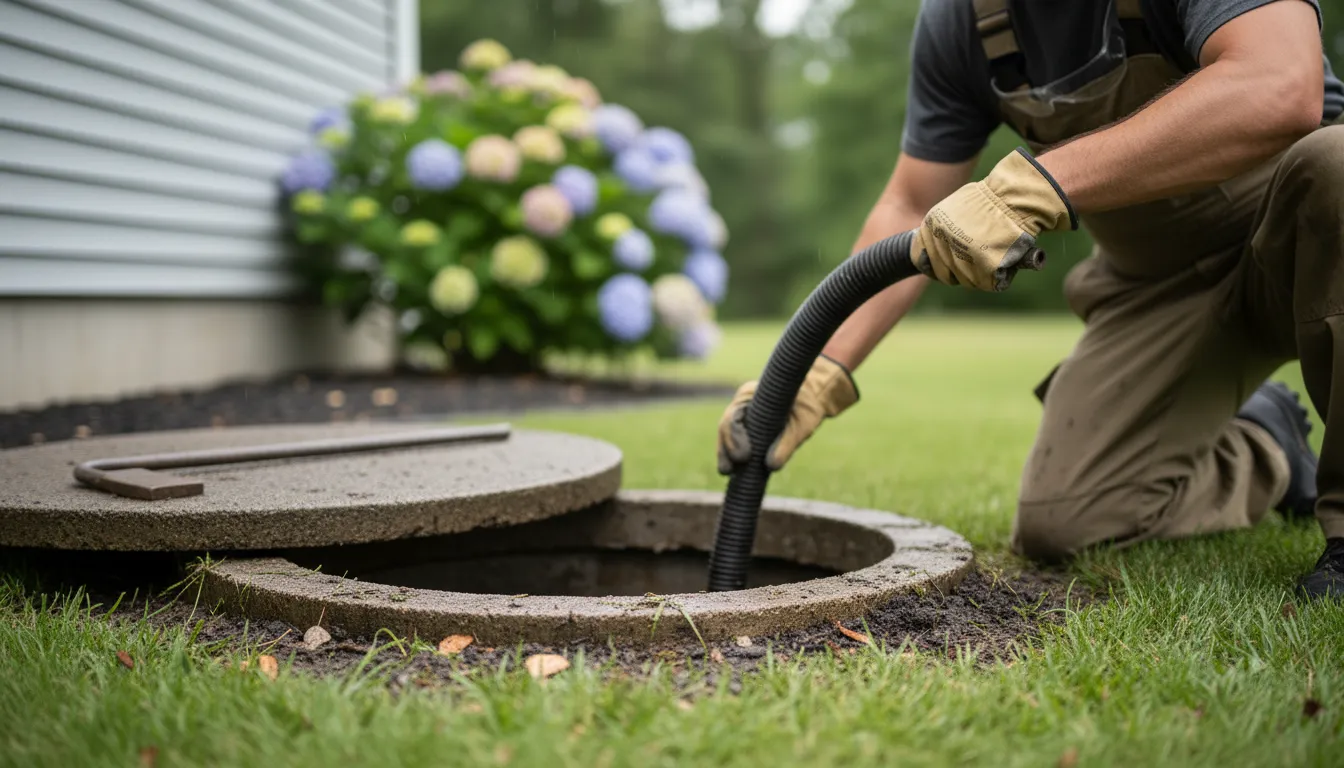
Find the Best Septic Tank Pumping Contractors for Your Business
No obligation • Fast responses • Nationwide coverage

Why you can trust Septic Spot
Septic Spot is a leading United States resource for understanding and comparing septic services. Our editors review providers using consistent criteria and verify key business details. Listings and scores are independent, and companies cannot pay to influence our content.
Search providers near you
Top Septic Tank Pumping Contractors in Glendora, California Ranked
Maintaining a healthy septic system is a critical responsibility for any Glendora homeowner not connected to the municipal sewer. Septic tank pumping is the essential service of removing accumulated solids and sludge from your tank to prevent system failure and environmental contamination. This guide explains why regular maintenance matters, outlines local requirements, and helps you understand what to look for when scheduling this vital service for your property.
Cisneros Brothers Plumbing, Heating & AC Repair, Water Damage Restoration & Flood Services
6881 Berkshire Ave, Rancho Cucamonga, CA 91701
Cisneros Brothers Plumbing, Heating & AC Repair, Water Damage Restoration & Flood Services provides septic tank pumping and a range of plumbing and restoration services in Fontana, CA. They serve both residential and commercial clients, offering capabilities such as flood damage restoration and septic pumping. With over two decades of experience in the Rancho Cucamonga area, the company emphasizes customer satisfaction and family-oriented service. They also offer 24/7 availability for emergency plumbing and flood restoration needs.
Cisneros Brothers Plumbing, Heating & AC Repair, Water Damage Restoration & Flood Services
11335 Wybourn Ave, Riverside, CA 92503
Cisneros Brothers Plumbing, Heating & AC Repair, Water Damage Restoration & Flood Services offers a range of plumbing, septic, restoration, and flood services in Riverside, CA. They provide residential and commercial plumbing, septic tank pumping, flood damage restoration, and HVAC services including installation, maintenance, and repair. With over 20 years of experience, the company emphasizes customer satisfaction and treats clients like family. They also offer 24/7 emergency service to address urgent plumbing and flood-related needs.
Mr. Rooter Plumbing of Orange County
430 N State College Blvd, Anaheim, CA 92806
Mr. Rooter Plumbing of Orange County is a septic tank pumping company serving Long Beach, CA, and the surrounding Orange County area. They provide a wide range of plumbing services for both residential and commercial customers, including drain cleaning, sewer line repair, and emergency plumbing. One notable capability is their use of HydroScrub Jetting for effective drain cleaning. The company offers 24/7 emergency plumbing services to address urgent issues at any time.
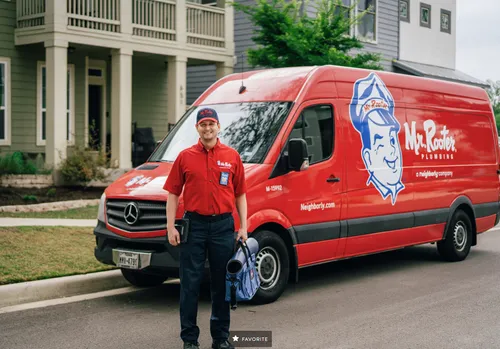
Mr. Rooter Plumbing of The Inland Empire
6101 Cherry Ave Suite 206, Fontana, CA 92336
Mr. Rooter Plumbing of The Inland Empire is a septic tank pumping company based in Fontana, CA. They provide a wide range of plumbing services for both residential and commercial customers, including septic pumping and maintenance, sewer line repair, water heater service, and professional drain cleaning with HydroScrub® jetting. The company uses advanced diagnostic tools such as video camera sewer inspections and thermal imaging for leak detection. They offer 24/7 emergency plumbing services to address urgent issues promptly. Mr. Rooter Plumbing combines local expertise with national brand resources and operates with licensed, insured, and background-checked technicians.
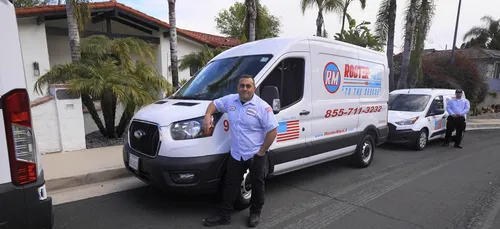
Rooter Man Plumbing of Orange
521 W Katella Ave, Orange, CA 92867
Rooter Man Plumbing of Orange provides septic tank pumping and inspection services in Santa Ana, CA. They offer a wide range of plumbing solutions including emergency repairs, drain cleaning, sewer line replacement, and hydro jetting. The company is equipped to handle both residential and commercial plumbing needs with capabilities such as leak detection and water heater maintenance. Emergency plumbing services are available 24/7 to address urgent issues at any time.
Understanding Your Septic System and Why Pumping is Crucial
A septic system is an on-site wastewater treatment structure, typically consisting of a tank and a drainfield (or leach field). When wastewater from your home enters the tank, solids settle to the bottom as sludge, and fats float to the top as scum. The liquid effluent in the middle flows out to the drainfield, where it is filtered through the soil. Over time, the sludge and scum layers build up. If not removed through regular septic tank cleaning, these layers can become too thick, allowing solids to escape into the drainfield. This can clog the soil, causing sewage backups in your home or polluted wastewater to surface in your yard-a serious health hazard and an expensive repair.
In Glendora and throughout Los Angeles County, these systems are overseen by the Department of Public Health, which emphasizes routine maintenance to prevent groundwater contamination 1 2. Proactive septic tank servicing is far more cost-effective than dealing with a failed system, which requires permits and major construction to fix 2 3.
How Often Should You Pump Your Septic Tank in Glendora?
The standard recommendation for septic tank pumping frequency in Glendora is every 3 to 5 years. However, this is a general guideline. The exact interval for your home depends on several key factors:
- Household Size: More people generate more wastewater and solids.
- Small Household (1-2 people): Approximately every 5 years 4.
- Average Household: Every 3-5 years 5.
- Large Household (5+ people): May require pumping every 1 to 3 years 6.
- Tank Size: Larger tanks hold more volume and may not need service as often as smaller tanks.
- Garbage Disposal Use: Frequent use of a garbage disposal significantly increases the amount of solids entering the tank, necessitating more frequent septic tank emptying 7 8.
- Overall Water Usage: High water consumption from laundry, long showers, or leaks can overwhelm the system, reducing treatment time and efficiency.
The most reliable way to determine your schedule is through a professional inspection, which can measure the sludge and scum levels inside your tank 9.
What to Expect: The Septic Pumping Process
Knowing what happens during a pump-out can help you prepare and ensure the job is done correctly. A standard septic system pumping service typically includes:
- Locating and Uncovering Access Ports: The technician will find and open the tank's manhole cover(s). You should know the location of your tank to facilitate this.
- Inspecting the System: Before pumping, a good professional will perform a basic visual inspection of the tank's inlet and outlet baffles and look for signs of damage or leaks.
- Pumping Out Contents: Using a large vacuum truck, all liquid and solid waste is pumped from the tank and legally transported to an approved disposal facility.
- Post-Pumping Inspection: After the tank is empty, the technician can better inspect the tank's walls and structure for cracks, and check the drainfield distribution box if accessible.
- System Advice: You should receive a report on the tank's condition and recommendations for any needed repairs or the next service date.
Find the perfect septic tank pumping contractors for your needs
Get personalized recommendations and expert advice
Cost of Septic Tank Pumping in Glendora
The cost for septic tank pumping services in Glendora varies primarily based on the tank's capacity. Here is a general breakdown of what homeowners can expect to pay 10 11:
- Small Tank (750 gallons): $225 - $550
- Medium Tank (1,000 gallons): $250 - $700
- Large Tank (1,500 gallons): $350 - $1,100
These prices typically cover standard pumping. Additional costs may apply for:
- Inspections: A detailed inspection often ranges from $100 to $250 12.
- Tank Locating: If the tank lids are buried and need to be found.
- Emergency Service: For after-hours or urgent backup situations.
- Additional Repairs: Such as replacing baffles or repairing damaged lids.
You can manage costs by getting multiple quotes, bundling pumping with an inspection, and ensuring easy access to your tank lids.
The Importance of Regular Septic Inspections
While pumping removes accumulated waste, an inspection assesses the overall health of your entire system. Los Angeles County and state regulations recommend inspections at least every 3 years. A thorough septic system inspection should check:
- Sludge and Scum Levels: To determine pumping frequency.
- Tank Integrity: Looking for cracks, leaks, or corrosion.
- Baffles and Outlets: Ensuring they are intact and functional.
- Drainfield Function: Checking for signs of failure, such as soggy ground or unpleasant odors.
Scheduling an inspection with your pumping service is a smart way to catch small problems before they become major, permit-required repairs.
Best Practices for Septic System Care
Proper daily use extends the life of your system between pumpings. Follow these septic tank maintenance tips:
- Conserve Water: Spread out laundry loads and fix leaky faucets to avoid hydraulically overloading the system 13.
- Mind What You Flush: Only human waste and toilet paper should go down the drain. Avoid flushing wipes (even "flushable" ones), feminine hygiene products, dental floss, or chemicals.
- Use the Trash Can, Not the Drain: Avoid pouring cooking grease, oil, or coffee grounds down the sink. Minimize use of the garbage disposal 14.
- Protect the Drainfield: Never drive or park vehicles on the drainfield, as this compacts the soil and can crush pipes. Also, divert rainwater runoff away from this area.
- Avoid Harsh Chemicals: Excessive use of bleach, drain cleaners, or antibacterial soaps can kill the beneficial bacteria in your tank that break down waste.
Signs Your Septic Tank Needs Immediate Attention
Don't wait for your scheduled maintenance if you notice these warning signs:
- Slow Drains: Throughout the house, especially if plunging or drain cleaners don't help.
- Sewage Backups: In toilets, showers, or tubs.
- Unpleasant Odors: Inside the home or around the tank/drainfield area.
- Lush, Green Grass: Over the drainfield, especially when the rest of the lawn is dry.
- Standing Water or Mud: Over the septic tank or drainfield.
If you observe any of these, contact a professional for septic tank emptying and inspection immediately to prevent further damage.
Frequently asked questions
Sources
Footnotes
-
Maintaining your Septic System A Guide for Homeowners - Indian Health Service ↩
-
Southern California Septic System Regulations: What You Need to Know ↩ ↩2
-
Septic Pumping Northridge CA, Septic Tank Emptying, Inspection, Repair ... ↩
-
How Often Should I Pump Out My Septic Tank? - Town of Westport ↩
-
How Often to Pump a Septic Tank 2026 - Clear River Environmental ↩
-
How Often Should You Pump Your Septic Tank: 3 Factors Solved ↩
-
How Much Does it Cost to Pump a Septic Tank? 2026 Price Guide ↩
-
How Much Does Septic Tank Pumping Cost in 2025? - HomeAdvisor ↩
-
California Septic Tank Requirements | Onsite Wastewater ... ↩