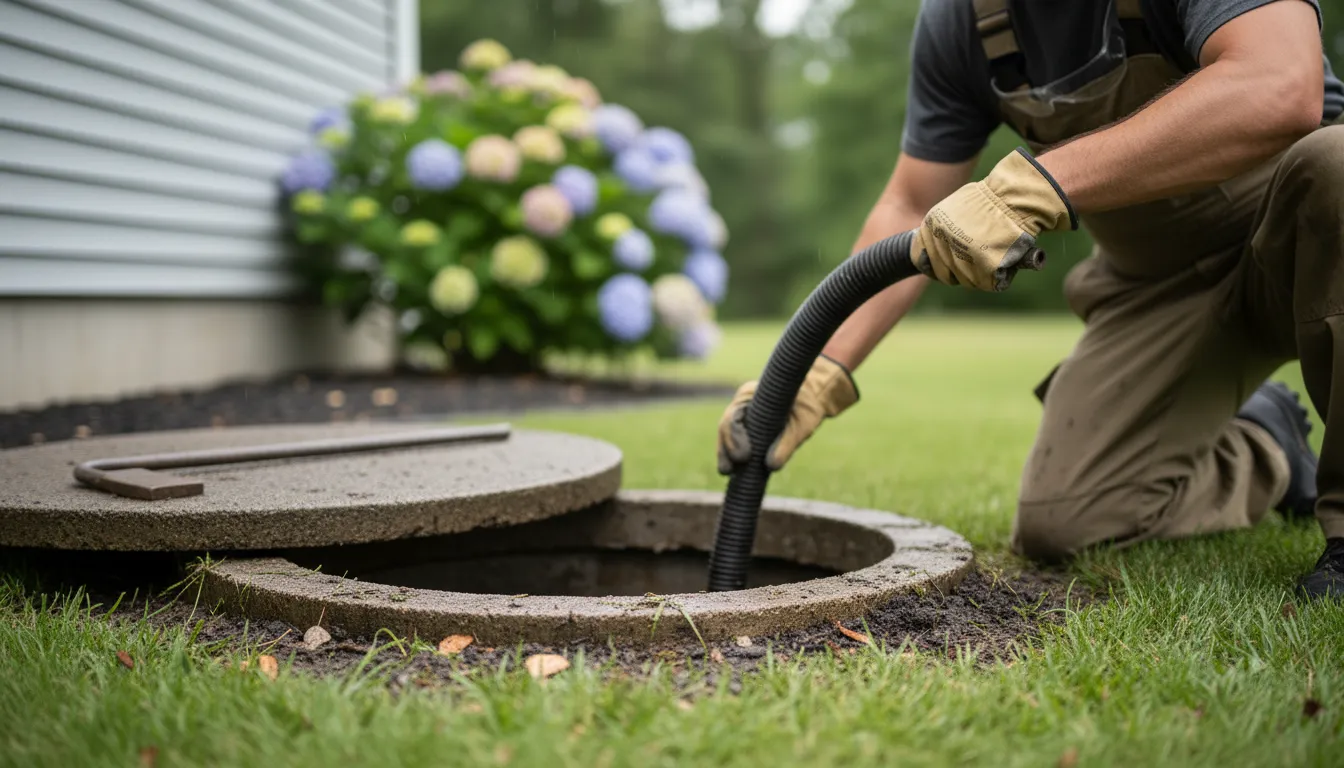
Find the Best Septic Tank Pumping Contractors for Your Business
No obligation • Fast responses • Nationwide coverage

Why you can trust Septic Spot
Septic Spot is a leading United States resource for understanding and comparing septic services. Our editors review providers using consistent criteria and verify key business details. Listings and scores are independent, and companies cannot pay to influence our content.
Search providers near you
Top Septic Tank Pumping Contractors in Huntington Beach, California Ranked
Maintaining your septic system is a crucial responsibility for any Huntington Beach homeowner not connected to the municipal sewer. Regular septic tank pumping is the most essential service to prevent system failure, protect your property value, and safeguard public health and the local environment. This guide will help you understand the specific maintenance needs for your home, including recommended service intervals, local regulations, and how to find qualified professionals for septic cleaning, inspection, and maintenance in the Huntington Beach area.
Mr. Rooter Plumbing of Orange County
430 N State College Blvd, Anaheim, CA 92806
Mr. Rooter Plumbing of Orange County is a septic tank pumping company serving Long Beach, CA, and the surrounding Orange County area. They provide a wide range of plumbing services for both residential and commercial customers, including drain cleaning, sewer line repair, and emergency plumbing. One notable capability is their use of HydroScrub Jetting for effective drain cleaning. The company offers 24/7 emergency plumbing services to address urgent issues at any time.
Rooter Man Plumbing of Orange
521 W Katella Ave, Orange, CA 92867
Rooter Man Plumbing of Orange provides septic tank pumping and inspection services in Santa Ana, CA. They offer a wide range of plumbing solutions including emergency repairs, drain cleaning, sewer line replacement, and hydro jetting. The company is equipped to handle both residential and commercial plumbing needs with capabilities such as leak detection and water heater maintenance. Emergency plumbing services are available 24/7 to address urgent issues at any time.

High Speed Rooter & Plumbing
3831 Arden Dr, El Monte, CA 91731
High Speed Rooter & Plumbing is a septic tank pumping and repair company based in Los Angeles, CA. They provide comprehensive septic system services, including routine maintenance and complex repairs, using advanced technology and certified master plumbers. Their fully stocked trucks and state-of-the-art equipment enable efficient service delivery. The company also offers professional gas line installation and repair. High Speed Rooter & Plumbing provides 24/7 emergency services to address urgent plumbing and septic issues promptly.
Rooter Man Plumbing of Covina
536 E Rowland St B, Covina, CA 91723
Rooter Man Plumbing of Covina provides residential and commercial plumbing services in Los Angeles, CA. Their offerings include septic tank pumping, drain cleaning, sewer repair, pipe repair, leak detection, water heater services, and hydro jetting. The company uses modern tools and advanced technology to address plumbing issues efficiently. With over 50 years of experience, they also provide 24/7 emergency plumbing services to handle urgent repairs and maintenance needs.
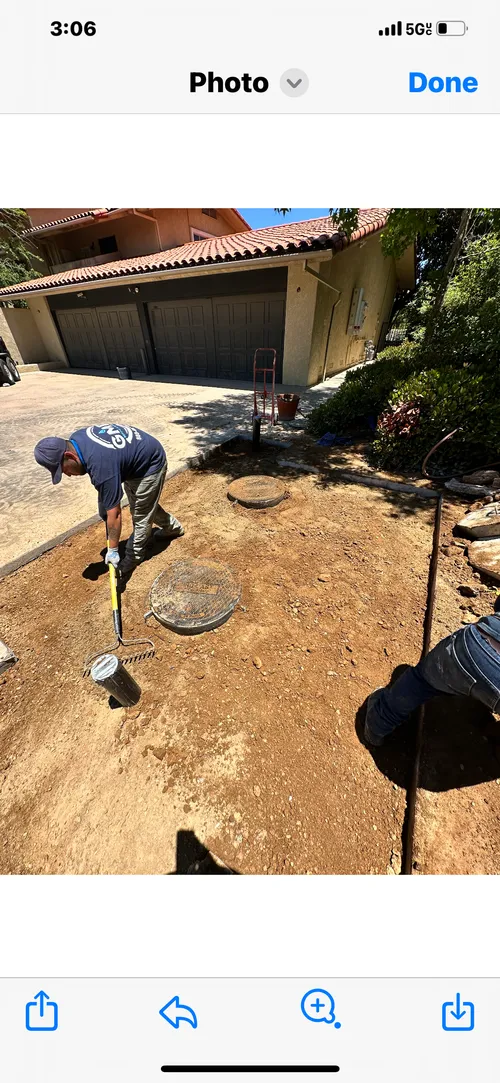
GMP Septic And Sewer
20 Surrey Ln, Rancho Palos Verdes, CA 90275
GMP Septic And Sewer provides a full range of septic services in Los Angeles, CA, including septic tank pumping, cleaning, inspections, repairs, installations, and system upgrades. They handle new construction, remodels, and replacements, ensuring systems are tailored to property needs. The company offers 24/7 emergency services for urgent septic system repairs. Their expertise covers diagnosing leaks, replacing damaged components, and maintaining system performance through regular maintenance and thorough inspections.
Why Septic System Maintenance is Critical in Huntington Beach
A septic system is an onsite wastewater treatment plant for your property. When functioning correctly, it safely processes all the water and waste from your home. The tank itself separates solids from liquids; solids settle as sludge, while the treated effluent flows out to the drain field. Over time, the sludge layer accumulates. If not removed through regular septic tank cleaning, solids can overflow into the drain field, causing clogs, backups into your home, and costly environmental damage1.
In coastal communities like Huntington Beach, proper wastewater management is especially important to prevent contamination of groundwater and nearby ecologically sensitive areas like the Bolsa Chica Ecological Reserve. Following a disciplined septic tank maintenance schedule isn't just a recommendation-it's a key part of being a responsible property owner.
How Often Should You Schedule Septic Pumping?
The most common question homeowners have is about frequency. While a general rule is every 3 to 5 years, the ideal schedule for your Huntington Beach home depends on several factors.
- Household Size and Water Usage: The number of people in your home is the primary driver. More residents mean more wastewater and solids. High water usage from frequent laundry, long showers, or running dishwashers can also shorten the time between needed septic tank services2.
- Tank Size: Older homes may have smaller tanks (e.g., 1,000 gallons), while newer installations are often larger (1,250 gallons or more). A larger tank can handle more waste and may allow for longer intervals between pump-outs for the same household size.
- Garbage Disposal Use: Using a garbage disposal significantly increases the amount of solids entering the tank. If you use yours regularly, you should plan for more frequent septic tank emptying, potentially every 1-2 years3 4.
- Professional Inspection: The only way to know for sure is to have the sludge and scum levels measured. A professional inspection can tell you exactly how full your tank is and provide a data-driven recommendation for your next pump-out.
For most households in Huntington Beach, a good practice is to have the tank inspected every 1-3 years and pumped every 3-5 years. Keeping a log of all service visits, including the measured sludge levels, will help you establish a personalized maintenance calendar.
Recognizing Signs You Need Immediate Service
Don't wait for a scheduled appointment if you notice any of these warning signs. They indicate your system may be failing or already full:
- Slow Drains: Sinks, tubs, and toilets that drain slowly throughout the house, especially when accompanied by gurgling sounds.
- Sewage Backups: Wastewater or sewage backing up into household drains.
- Unpleasant Odors: Foul smells emanating from drains, your yard, or near the tank and drain field area.
- Pooling Water or Lush Grass: Soggy ground, standing water, or unusually green and lush grass over the drain field, even during dry weather.
- Alarms: If your system has a modern alarm, it will sound when the water level in the tank is too high.
If you experience any of these issues, contact a septic pumping professional in Huntington Beach immediately to prevent more extensive and expensive damage5 6.
What to Expect During a Professional Pump-Out
A standard septic tank pumping service involves several key steps:
- Locating and Uncovering the Tank: The technician will find the tank access lids (manholes) and excavate if necessary.
- Inspecting the System: Before pumping, a good technician will inspect the inlet and outlet baffles (or tees) for damage and check for any signs of leaks or cracks in the tank.
- Pumping the Tank: Using a large vacuum truck, all liquid and solid waste is pumped out of the tank and legally transported for disposal.
- Post-Pump Inspection: After the tank is empty, the technician may inspect the interior walls and the drain field for further issues.
- Record Keeping: You should receive a report detailing the services performed, the condition of your system, and recommendations for future maintenance.
Find the perfect septic tank pumping contractors for your needs
Get personalized recommendations and expert advice
Understanding Costs for Septic Services in Huntington Beach
The cost for septic tank pumping in Huntington Beach and surrounding Orange County areas typically ranges from $300 to $6007. This average cost can vary based on:
- Tank Size and Accessibility: Larger tanks cost more to pump. If the tank is buried deep or difficult for the truck to reach, additional labor or equipment fees may apply.
- Condition of the Tank: If the lids are buried under hardscape or landscaping, extra time is needed to excavate.
- Additional Services: The base pumping fee may not include a comprehensive inspection or minor repairs. Always ask what is included in the quoted price.
While this is an essential maintenance expense, it is far less costly than repairing or replacing a failed drain field, which can run into the tens of thousands of dollars. Investing in regular pumping is the most cost-effective way to protect your septic system8 9.
California and Local Regulations for Septic Systems
California operates under the Onsite Wastewater Treatment Systems (OWTS) policy, which provides a statewide framework for septic system standards, including installation, operation, and maintenance10. Local Orange County regulations will specify requirements for:
- Permits: Required for new installations, major repairs, or expansions.
- Inspections: Mandatory during property transfer (title transfer inspections).
- Setbacks: Minimum distances required between the septic system and wells, property lines, waterways, and structures.
A licensed local provider will be familiar with all Huntington Beach and Orange County Health Department requirements, ensuring your system remains compliant.
Best Practices for Homeowners Between Pumpings
You play a vital role in the health of your system between professional visits.
- Conserve Water: Fix leaky faucets and toilets promptly. Spread out laundry loads over the week instead of doing many loads in one day.
- Mind What You Flush: Only human waste and toilet paper should go down the toilet. Never flush wipes (even "flushable" ones), feminine hygiene products, dental floss, cotton swabs, or medications11 12.
- Use the Trash Can: Avoid using your garbage disposal excessively. Dispose of cooking grease, coffee grounds, and food scraps in the trash.
- Protect Your Drain Field: Never park vehicles or place heavy structures (like sheds or pools) over the drain field. Direct rainwater drainage away from it.
- Keep Detailed Records: Maintain a file with your system's as-built diagram (showing tank and drain field location), a record of all service visits, pumping dates, inspection reports, and any permits13.
Frequently asked questions
Sources
Footnotes
-
Frequent Questions on Septic Systems | US EPA - https://www.epa.gov/septic/frequent-questions-septic-systems ↩
-
Factors Affecting Pumping Frequency: Septic 101 Proven Guide - https://www.unitedsewerservice.com/factors-affecting-pumping-frequency/ ↩
-
How Often Should a Septic Tank Be Pumped? | Complete Guide - https://callbeeline.com/plumbing/how-often-should-a-septic-tank-be-pumped-a-complete-guide/ ↩
-
How Often Should I Pump Out My Septic Tank? - https://cms2.revize.com/revize/westportma/Documents/Departments/Health/Forms%20And%20Resources/how_often_should_i_pump_out_my_septic_tank_2.pdf?t=202508080914340&t=202508080914340 ↩
-
When to Pump Your Septic Tank | Roto-Rooter - https://www.rotorooter.com/blog/outdoor-plumbing/5-signs-its-time-to-call-your-septic-pumping-service/ ↩
-
Resources - Steve's Septic Service for all of Humbolt County - https://stevesseptic.com/resources/ ↩
-
Understanding the Average Cost to Pump a Septic Tank - https://www.scorpionsepticservices.com/blog/understanding-the-average-cost-to-pump-a-septic-tank ↩
-
How Often Should You Pump Your Septic Tank? - https://tlsepticpumper.com/septic-system-education/how-often-pump-septic-tank/ ↩
-
Discover the Recommended Septic Tank Pumping Frequency: 5 Facts! - https://www.unitedsewerservice.com/recommended-septic-tank-pumping-frequency/ ↩
-
California Septic Tank Requirements | Onsite Wastewater Treatment Systems - https://www.ntotank.com/blog/california-septic-tank-requirements ↩
-
Septic Tank Cleaning & Pumping Company Riverside - https://frankspumping.com/ ↩
-
How Often to Pump Your Septic Tank? Splash Plumbing's Guide - https://www.splashplumbing.com/how-often-should-septic-tank-be-pumped-for-optimal-maintenance-and-longevity/ ↩
-
Septic Tank Pumping Frequency: Crucial Maintenance Guide - https://septic911.com/septic-tank-pumping-frequency/ ↩