Find the Best Septic Tank Pumping Contractors for Your Business
No obligation • Fast responses • Nationwide coverage

Why you can trust Septic Spot
Septic Spot is a leading United States resource for understanding and comparing septic services. Our editors review providers using consistent criteria and verify key business details. Listings and scores are independent, and companies cannot pay to influence our content.
Search providers near you
Top Septic Tank Pumping Contractors in Laguna Niguel, California Ranked
Maintaining a healthy septic system is a critical responsibility for homeowners in Laguna Niguel. Regular septic tank pumping and inspection are essential services that prevent system failure, protect your property value, and safeguard the local environment and groundwater from contamination. This guide provides the key information you need to understand the process, schedule maintenance, and find qualified local professionals to ensure your system functions properly for years to come.
Cisneros Brothers Plumbing, Heating & AC Repair, Water Damage Restoration & Flood Services
11335 Wybourn Ave, Riverside, CA 92503
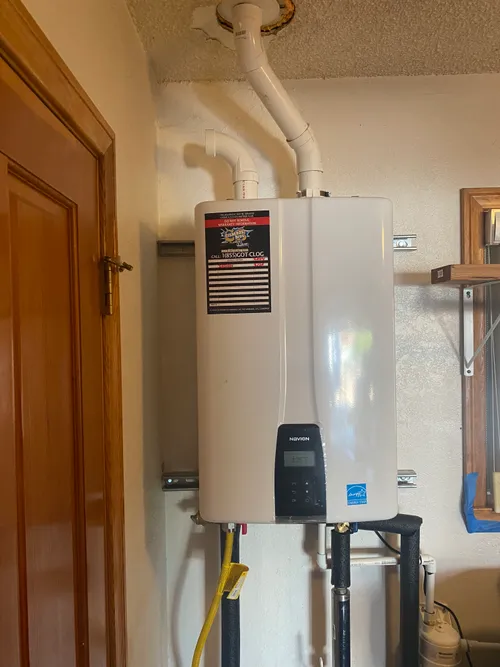
Cisneros Brothers Plumbing, Heating & AC Repair, Water Damage Restoration & Flood Services offers a range of plumbing, septic, restoration, and flood services in Riverside, CA. They provide residential and commercial plumbing, septic tank pumping, flood damage restoration, and HVAC services including installation, maintenance, and repair. With over 20 years of experience, the company emphasizes customer satisfaction and treats clients like family. They also offer 24/7 emergency service to address urgent plumbing and flood-related needs.
Mr. Rooter Plumbing of Orange County
430 N State College Blvd, Anaheim, CA 92806
Mr. Rooter Plumbing of Orange County is a septic tank pumping company serving Long Beach, CA, and the surrounding Orange County area. They provide a wide range of plumbing services for both residential and commercial customers, including drain cleaning, sewer line repair, and emergency plumbing. One notable capability is their use of HydroScrub Jetting for effective drain cleaning. The company offers 24/7 emergency plumbing services to address urgent issues at any time.
Rooter Man Plumbing of Orange
521 W Katella Ave, Orange, CA 92867
Rooter Man Plumbing of Orange provides septic tank pumping and inspection services in Santa Ana, CA. They offer a wide range of plumbing solutions including emergency repairs, drain cleaning, sewer line replacement, and hydro jetting. The company is equipped to handle both residential and commercial plumbing needs with capabilities such as leak detection and water heater maintenance. Emergency plumbing services are available 24/7 to address urgent issues at any time.
CertifiedSeptic.com
41700 Ivy St STE C, Murrieta, CA 92562
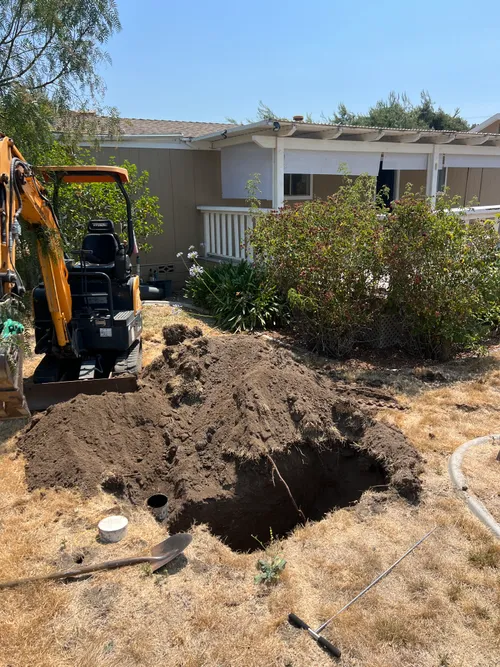
CertifiedSeptic.com provides septic tank pumping, inspection, installation, and maintenance services in Los Angeles, CA. Their offerings include septic pumping, certification inspections, system locating using ground-penetrating radar, sewer line video scoping, and hydro-jetting to clear clogs and buildup. The company designs and installs new septic systems following local regulations to ensure long-term functionality. Hydro-jetting is a key capability, using high-pressure water to clean pipes effectively and eco-friendly.
Rightway Septic Tank Pumping
653 W Minthorn St, Lake Elsinore, CA 92530
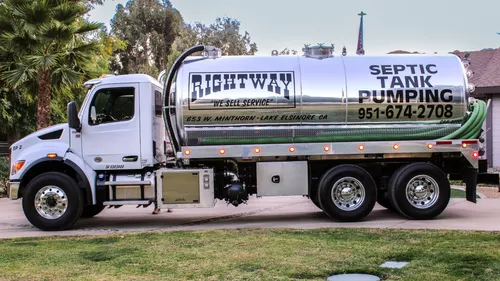
Rightway Septic Tank Pumping is a family-owned septic service provider based in Lake Elsinore, serving the Inland Empire area including Los Angeles, CA. They offer a range of services such as septic tank pumping, repairs, installations, wastewater treatment maintenance, seepage pit drilling, and septic system locating for both residential and commercial properties. With over 75 years of experience, Rightway is C-42 certified, ensuring compliance with industry standards and regulations. Their capabilities include septic tank pumping and maintenance using advanced equipment and techniques to maintain system efficiency.
Understanding Your Septic System and Local Regulations
A septic system is an on-site wastewater treatment facility, typically consisting of a tank and a drain field. In Laguna Niguel, these systems are regulated by Orange County Environmental Health, which enforces California state standards for maintenance and inspection 1. Unlike being connected to a municipal sewer line, you are personally responsible for the care and upkeep of your private sewage treatment system. Proper maintenance, centered on timely septic tank cleaning, is not just a recommendation-it's a requirement to prevent public health hazards and environmental damage. Knowing the basic components and local rules is the first step in responsible ownership.
How Often Should You Pump Your Septic Tank?
The most common question homeowners have is about the frequency of septic system pumping. While the general industry standard is every 3 to 5 years for a typical 1,000-2,000 gallon tank, several factors specific to your household can adjust this timeline.
- Household Size and Water Usage: A home with more than four residents will naturally send more wastewater and solids into the tank, filling it faster. Similarly, habits like running multiple laundry loads in one day can hydraulically overload the system.
- Tank Size: Older homes or properties with limited space may have smaller tanks that require more frequent pumping.
- Garbage Disposal Use: Using a garbage disposal significantly increases the amount of solid waste entering the tank-by about 50%-which drastically accelerates sludge buildup and necessitates pumping every 2-3 years 2 3.
- Sludge and Scum Levels: The most accurate way to determine the need for pumping is through a professional inspection. Technicians measure the levels of sludge (settled solids) and scum (floating fats and greases). Pumping is recommended when the combined sludge and scum occupy 30% or more of the tank's volume 4 5.
Ultimately, an annual inspection by a licensed septic service provider is the best way to get a personalized pumping schedule for your Laguna Niguel home.
The Importance of Annual Inspections
Scheduling a routine septic system inspection every year is a small investment that can prevent massive, costly problems. Think of it as an annual physical for your home's wastewater treatment. During an inspection, a licensed professional will:
- Locate and Access the Tank: They will find the tank and access ports. If your tank lids are buried, they may recommend installing risers to bring them to ground level for easy future access.
- Measure Sludge and Scum: This is the core of the inspection, determining how full the tank is and when the next pumping should be scheduled.
- Check for Structural Issues: The technician will inspect the tank, lids, and baffles for cracks, leaks, or damage that could allow untreated sewage to escape or solids to clog the drain field.
- Evaluate Components: They will check the condition of the effluent filter (if present) and ensure the inlet and outlet baffles are intact to prevent solids from flowing into the drain field 6 7.
These inspections are a proactive measure that can identify small issues before they escalate into system failure, which can cost tens of thousands of dollars to repair or replace.
What to Expect During a Pumping Service
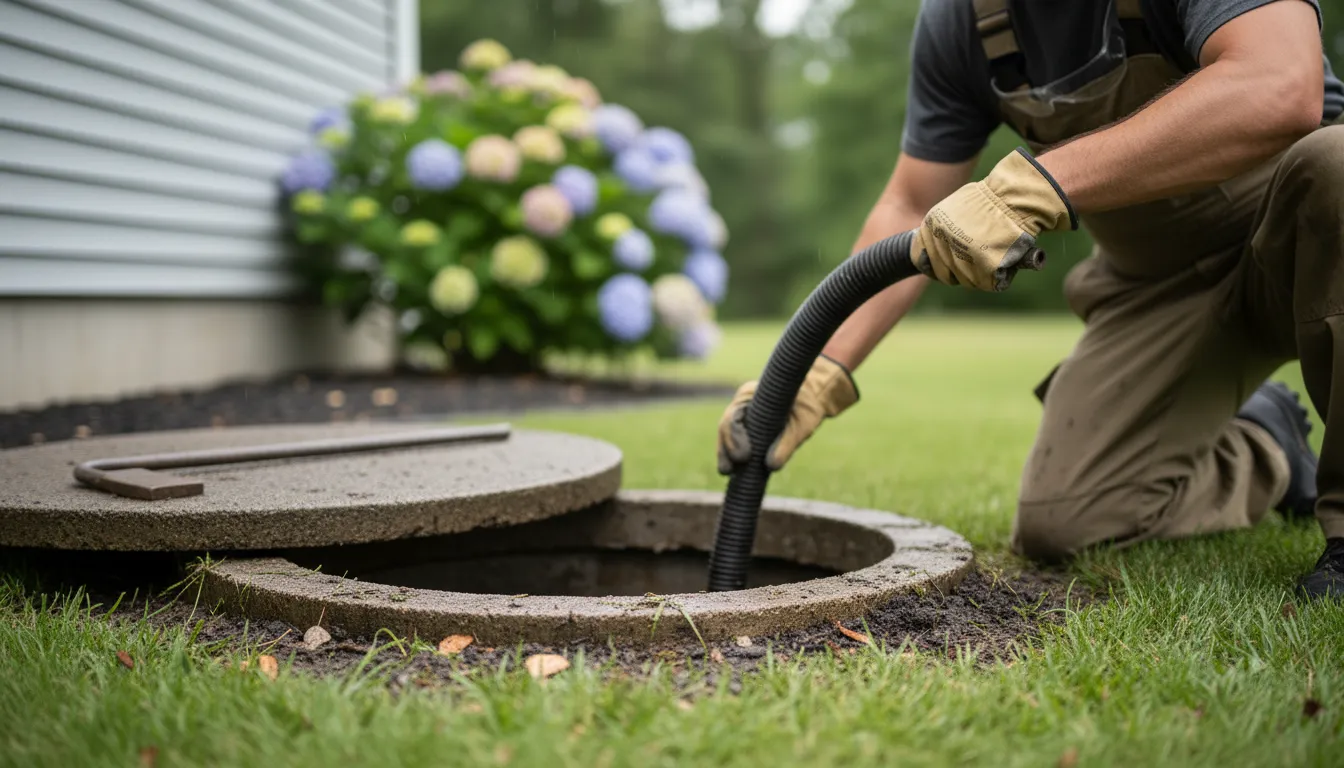
When you hire a professional for septic tank pumping in Laguna Niguel, you can expect a thorough process. The service provider will arrive with a vacuum truck, locate and uncover the tank's access lids, and insert a large hose to remove all the contents-solids, scum, and liquid. They will transport this waste to a licensed treatment facility. A comprehensive service doesn't end with pumping; the technician should also inspect the empty tank for cracks or damage, rinse it lightly (if appropriate), and ensure all components are functioning before securely replacing the lids.
Find the perfect septic tank pumping contractors for your needs
Get personalized recommendations and expert advice
Cost of Septic Tank Pumping and Inspection
In California, the average cost for a standard septic tank pumping and inspection ranges from $300 to $700 8. Several variables influence the final price for Laguna Niguel residents:
- Tank Size and Capacity: Larger tanks hold more waste and take longer to pump, increasing the cost.
- Tank Accessibility: If the tank lids are buried deep and require extensive digging to locate, or if the truck cannot get close to the site, labor costs will be higher. Installing risers can reduce this cost in the future.
- Sludge Buildup: A severely neglected tank with years of accumulated sludge may require more time and effort to clean.
- Additional Services: Costs will increase if repairs are needed, such as fixing a cracked lid or a damaged baffle.
While this is an expense, it's important to frame it as essential preventative maintenance. The cost of regular pumping is minor compared to the $10,000 to $30,000+ often required to replace a failed drain field 9.
Best Practices for a Healthy Septic System
Your daily habits have a direct impact on the health of your septic system. Following these guidelines can extend the time between pumpings and prolong the life of your entire system.
What You Can Do:
- Conserve Water: Fix leaks, install high-efficiency fixtures, and spread out water-intensive activities like laundry throughout the week to avoid overwhelming the drain field 10.
- Dispose of Waste Properly: Only flush human waste and toilet paper. Everything else should go in the trash.
- Protect the Drain Field: Never drive or park vehicles on the drain field, and only plant grass over it. Keep roof drains, sump pumps, and other surface water runoff directed away from the area 11 12.
What to Avoid:
- Do Not Use a Garbage Disposal: As mentioned, disposals are detrimental to septic systems. If you must use one, expect to pump your tank much more frequently.
- Avoid Harsh Chemicals: Excessive use of bleach, antibacterial soaps, or strong drain cleaners can kill the beneficial bacteria in your tank that break down solids.
- Never Flush These Items: "Flushable" wipes, feminine hygiene products, dental floss, diapers, cooking grease, and medications will clog your system and require more frequent pumping.
- Follow Local Prohibitions: Orange County guidelines specifically prohibit discharging water softener backwash, spa or pool filter backwash, and excessive garbage disposal waste into septic systems 13 14.
Recognizing Signs You Need Service Sooner
Don't wait for a disaster. Be alert for these warning signs that your septic tank may need immediate attention:
- Slow Drains: Gurgling sounds or slow drainage from toilets, showers, and sinks throughout the house.
- Sewage Odors: Unpleasant smells coming from drains or from the area around the tank and drain field.
- Wet, Spongy Yard: Soggy patches or standing water, especially near the drain field, even in dry weather.
- Sewage Backup: The most severe sign-wastewater backing up into household drains.
If you notice any of these issues, contact a septic service professional in Laguna Niguel immediately to assess the situation.
Frequently asked questions
Sources
Footnotes
-
Septic Tank Week is Here! - Orange County Sanitation District - https://ocsan.gov/news/septic-tank-week-is-here/ ↩
-
How Often to Pump Your Septic Tank? Splash Plumbing's Guide - https://www.splashplumbing.com/how-often-should-septic-tank-be-pumped-for-optimal-maintenance-and-longevity/ ↩
-
How Often Should You Pump Your Septic Tank | Mathis & Sons - https://mathisandsonsseptic.com/mathis-sons-septic-blog-orlando-fl/how-often-should-you-pump-your-septic-tank/ ↩
-
How Often Should You Pump Your Septic Tank: 3 Factors Solved - https://www.frasiers.com/blog/sewage-tank-pump-frequency/ ↩
-
When to Pump Your Septic Tank | Roto-Rooter - https://www.rotorooter.com/blog/outdoor-plumbing/5-signs-its-time-to-call-your-septic-pumping-service/ ↩
-
Frequent Questions on Septic Systems | US EPA - https://www.epa.gov/septic/frequent-questions-septic-systems ↩
-
Homeowner's Guide to Septic Systems - Tuolumne County - https://www.tuolumnecounty.ca.gov/DocumentCenter/View/21759/Onsite-System-Care-and-Maintenance ↩
-
How Often Should My Septic Tank Pumped In California - https://www.lanikseptic.com/how-often-should-my-septic-tank-pumped-in-california/ ↩
-
How Often to Pump Septic Tank: 2026 Maintenance Guide - https://dandhsepticservices.com/how-often-to-pump-septic-tank/ ↩
-
How to Keep Your Septic System Healthy in Riverside County (Pro ... - https://www.lanikseptic.com/how-to-keep-your-septic-system-healthy/ ↩
-
Septic System DO's and DONT's - Indian Health Service (IHS) - https://www.ihs.gov/california/index.cfm/offices/oehe/dsfc/water-san/maintaining-your-septic-system-guide/septic-system-do-s-and-dont-s/ ↩
-
How to Care for Your Septic System | US EPA - https://www.epa.gov/septic/how-care-your-septic-system ↩
-
On-Site Sewage Guidelines - OC Development Services - https://ocds.ocpublicworks.com/sites/ocpwocds/files/2021-06/On-Site%20Sewage%20Guidelines.pdf ↩
-
Operation & Maintenance Recommendations For an Onsite Wastewater Treatment Facility - https://www.maricopa.gov/DocumentCenter/View/7466/Operations-and-Maintenance-Recommendations-for-Septic-Systems-PDF ↩