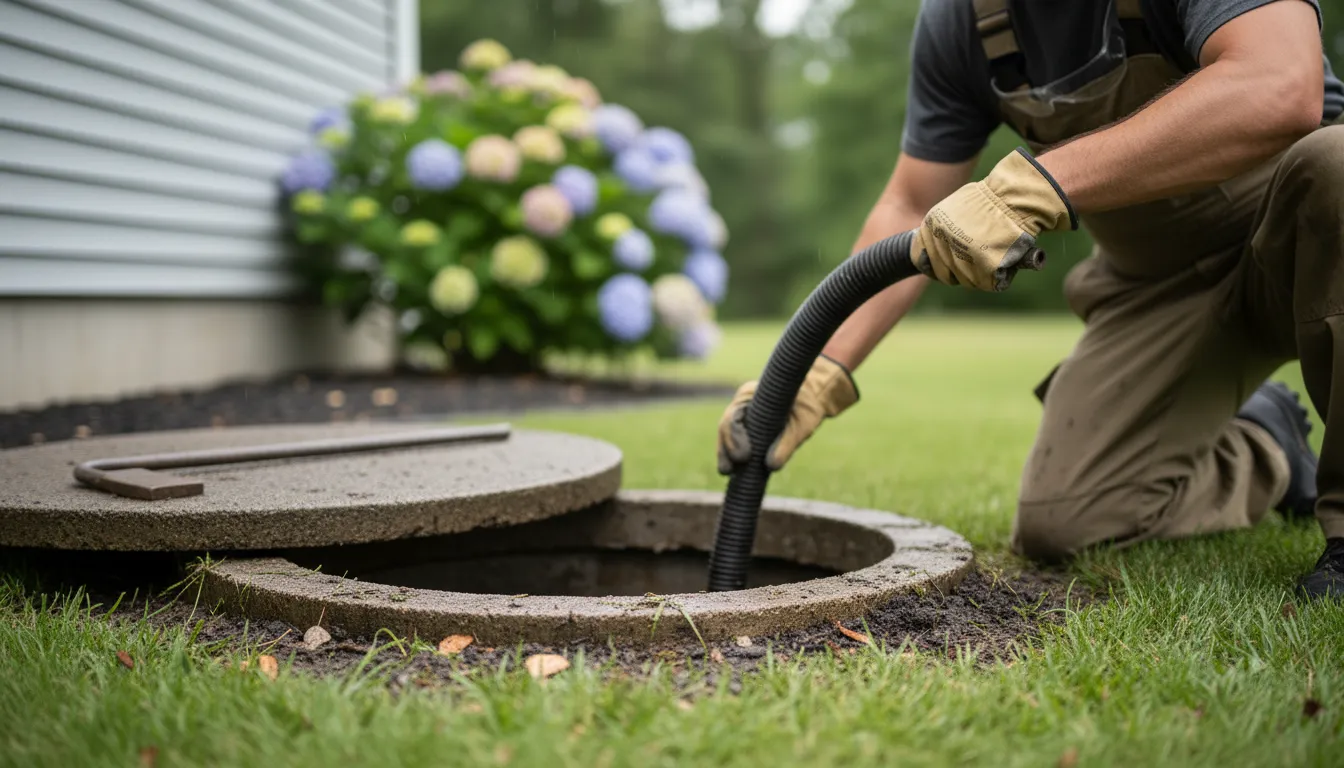
Find the Best Septic Tank Pumping Contractors for Your Business
No obligation • Fast responses • Nationwide coverage

Why you can trust Septic Spot
Septic Spot is a leading United States resource for understanding and comparing septic services. Our editors review providers using consistent criteria and verify key business details. Listings and scores are independent, and companies cannot pay to influence our content.
Search providers near you
Top Septic Tank Pumping Contractors in Moreno Valley, California Ranked
Maintaining your septic system is a critical responsibility for homeowners in Moreno Valley. Regular septic tank pumping and inspection are essential to prevent system failures, protect your property value, and safeguard public health and the local environment. This guide provides the key information you need to understand the process, schedule, and costs for septic system maintenance in Moreno Valley, helping you connect with qualified local professionals for this vital service.
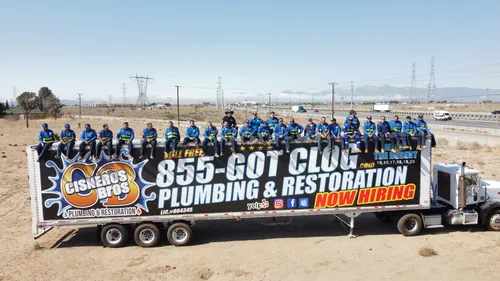
Cisneros Brothers Plumbing, Heating & AC Repair, Water Damage Restoration & Flood Services
6881 Berkshire Ave, Rancho Cucamonga, CA 91701
Cisneros Brothers Plumbing, Heating & AC Repair, Water Damage Restoration & Flood Services provides septic tank pumping and a range of plumbing and restoration services in Fontana, CA. They serve both residential and commercial clients, offering capabilities such as flood damage restoration and septic pumping. With over two decades of experience in the Rancho Cucamonga area, the company emphasizes customer satisfaction and family-oriented service. They also offer 24/7 availability for emergency plumbing and flood restoration needs.
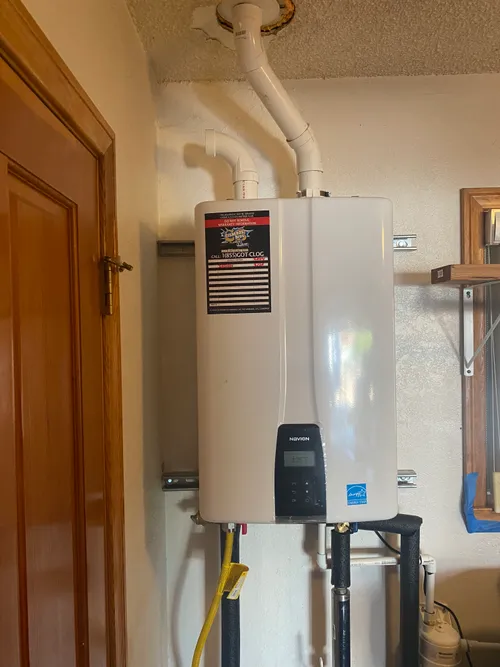
Cisneros Brothers Plumbing, Heating & AC Repair, Water Damage Restoration & Flood Services
11335 Wybourn Ave, Riverside, CA 92503
Cisneros Brothers Plumbing, Heating & AC Repair, Water Damage Restoration & Flood Services offers a range of plumbing, septic, restoration, and flood services in Riverside, CA. They provide residential and commercial plumbing, septic tank pumping, flood damage restoration, and HVAC services including installation, maintenance, and repair. With over 20 years of experience, the company emphasizes customer satisfaction and treats clients like family. They also offer 24/7 emergency service to address urgent plumbing and flood-related needs.

Thompson Family Plumbing & Drain
Long Beach, CA
Thompson Family Plumbing & Drain is a women-owned plumbing company serving Long Beach, CA, with locations in Hesperia, CA and Lake Havasu City, AZ. They offer a range of plumbing services including septic tank pumping and emergency repairs. The company is fully licensed, insured, and certified, providing 24/7 emergency service to address urgent plumbing needs. Their technicians are trained to deliver efficient and lasting solutions, supported by fully stocked trucks for same-day repairs. Thompson Family Plumbing & Drain has been serving customers for over 10 years, emphasizing transparent pricing and customer peace of mind.
Benjamin's Plumbing & Drain Cleaning
5639 Durango Rd, Riverside, CA 92506
Benjamin's Plumbing & Drain Cleaning is a plumbing and septic service provider based in Riverside, CA. They offer a wide range of services including septic tank pumping and repair, sewer and drain cleaning, hydro jetting, trenchless sewer line repair, and commercial plumbing solutions. Their expertise includes sewer and drain video inspections to accurately diagnose issues and trenchless technology to minimize property disruption during repairs. Serving Riverside and surrounding Inland Empire areas, they provide services for residential, commercial, and industrial clients.
Mr. Rooter Plumbing of San Bernardino
410 W Valley Blvd, Colton, CA 92324
Mr. Rooter Plumbing of San Bernardino offers a wide range of plumbing services including septic tank pumping, repair, and installation in Riverside, CA. The company serves San Bernardino and surrounding areas with expertise in plumbing repairs, drain cleaning, sewer line services, and septic system solutions. They use advanced tools such as trenchless technology and video camera inspections to address plumbing issues efficiently. Mr. Rooter Plumbing provides 24/7 emergency plumbing services backed by the Neighborly Done Right Promise®, ensuring quality workmanship and customer satisfaction.
Why Septic System Maintenance is Non-Negotiable
A septic system is an on-site wastewater treatment plant for your home. When functioning correctly, it safely processes all the water and waste from your household. The tank itself is where solids settle and begin to decompose, but over time, a layer of sludge accumulates at the bottom. If this sludge is not removed through regular septic tank cleaning, it can flow into and clog the drainfield-the most expensive component of your system to repair or replace. A failed drainfield can lead to sewage backing up into your home or surfacing in your yard, creating health hazards and environmental contamination. In Moreno Valley and throughout Riverside County, proper maintenance is not just a recommendation; it's a necessity for protecting groundwater and complying with local health regulations 1.
Recommended Pumping Frequency for Moreno Valley Homes
How often you need to schedule septic tank service depends on several household-specific factors. The general rule of thumb from the U.S. Environmental Protection Agency and other experts is to pump your tank every 3 to 5 years 2 3.
However, this is a baseline. Your actual schedule may differ based on:
- Household Size: More people generate more wastewater and solid waste, filling the tank faster.
- Tank Size: A smaller tank (e.g., 750 gallons) will need more frequent pumping than a larger one (e.g., 1,500 gallons) for the same size family.
- Water Usage Habits: Excessive use of garbage disposals, long showers, and frequent laundry loads increase the tank's workload.
- Waste Input: Using a garbage disposal significantly increases the amount of solids entering the tank, potentially requiring pumping as often as every 1-2 years 4.
For a typical family of four with a standard 1,000-gallon tank and moderate water use, the 3-5 year guideline is a good starting point. The only way to know for sure is through an annual inspection, which measures the sludge and scum layers inside your tank 5.
The Critical Role of Annual Inspections
Pumping is a periodic event, but inspection should be an annual ritual. A professional inspection does more than just check sludge levels; it's a comprehensive health check for your entire system. During an inspection, a technician will:
- Locate and access the tank and distribution box.
- Measure the thickness of the sludge and scum layers to determine if pumping is needed.
- Check the integrity of the tank for cracks, leaks, or corrosion.
- Inspect inlet and outlet baffles (or tees) to ensure they are intact and not blocked.
- Examine the effluent filter (if present) and clean it.
- Look for signs of drainfield failure, such as soggy ground or unpleasant odors.
This proactive approach allows you to address small issues-like a broken baffle or a full filter-before they cause major system damage. Keeping detailed records of all inspections and pumpings is also a best practice and may be required to demonstrate compliance with California's onsite wastewater treatment system regulations 6.
Find the perfect septic tank pumping contractors for your needs
Get personalized recommendations and expert advice
Understanding Costs for Septic Pumping in Moreno Valley
The cost to pump a septic tank in Moreno Valley typically ranges from $300 to $500, though more complex jobs or larger tanks can cost $700 or more 7. Several factors influence the final price:
- Tank Size and Capacity: This is the primary cost driver. Pumping is often priced per gallon, with an average rate around $0.30 per gallon 8.
- Tank Accessibility: If the tank lids are buried deep, difficult to locate, or obstructed by landscaping, additional labor for excavation will increase the cost.
- Condition of the Tank: Extremely clogged tanks or those with hardened sludge may require extra time or specialized equipment to fully evacuate.
- Additional Services: Most reputable companies include a basic visual inspection with pumping. However, a full diagnostic inspection, camera scope of the drainfield lines, or minor repairs will be additional.
While price is a consideration, the expertise and reliability of the service provider are paramount. A properly performed pumping includes not just removing the waste but also inspecting critical components.
Best Practices for a Healthy Septic System
Pumping is a core part of maintenance, but your daily habits have a huge impact on your system's longevity. Follow these guidelines to keep your septic system healthy between service visits:
- Conserve Water: Fix leaky faucets and toilets promptly. Spread out laundry loads over the week instead of doing many loads in one day.
- Mind What You Flush: Only human waste and toilet paper should go down the toilet. Never flush wipes (even "flushable" ones), feminine hygiene products, dental floss, diapers, or paper towels.
- Use the Garbage Disposal Sparingly: Compost food scraps instead. Grease, oils, and coffee grounds can solidify and clog pipes and the tank.
- Protect Your Drainfield: Never park vehicles or build structures over the drainfield. Keep roof drains, sump pumps, and other surface water away from the area. Plant only grass over the drainfield; tree and shrub roots can cause severe damage.
Navigating Local Regulations in Riverside County
Septic system owners in Moreno Valley must adhere to guidelines set by the Riverside County Department of Environmental Health. These regulations are designed to protect public health and water quality. Key requirements often include:
- Ensuring systems are designed, installed, and repaired by licensed professionals.
- Obtaining the proper permits for any system installation, modification, or repair.
- Maintaining records of all maintenance, inspections, and pumpings.
- Ensuring systems are properly sited and functioning without creating a nuisance or health hazard.
For the most current and specific compliance information, or to find a list of certified contractors, contacting the Riverside County Department of Environmental Health directly is the best course of action 12.
Signs Your Septic Tank Needs Immediate Attention
Don't wait for your scheduled maintenance if you notice any of these warning signs. Contact a professional for an inspection right away:
- Slow Drains: Sinks, showers, and toilets that drain slowly, especially if multiple fixtures are affected.
- Sewage Odors: Unpleasant smells inside your home or around the tank/drainfield area.
- Gurgling Sounds: Strange noises coming from your plumbing.
- Wet, Spongy Yard: Soggy patches or standing water over the drainfield, particularly when it hasn't rained.
- Sewage Backup: The most severe sign-wastewater backing up into household drains.
Addressing these issues quickly can mean the difference between a routine pumping and a costly emergency repair or full system replacement.
Frequently asked questions
Sources
Footnotes
-
How to Keep Your Septic System Healthy in Riverside County ... - https://www.lanikseptic.com/how-to-keep-your-septic-system-healthy/ ↩
-
Frequent Questions on Septic Systems | US EPA - https://www.epa.gov/septic/frequent-questions-septic-systems ↩
-
The Californian's Guide To Septic Tanks - https://cacciaplumbing.com/blog/california-septic-tank-guide/ ↩
-
Septic Systems | Department of Environmental Protection - https://www.pa.gov/agencies/dep/residents/my-water/septic-systems ↩
-
Pumping and Inspecting Your System - Indian Health Service (IHS) - https://www.ihs.gov/california/index.cfm/offices/oehe/dsfc/drinking-water-and-sanitation/maintaining-your-septic-system-guide/pumping-and-inspecting-your-system/ ↩
-
California Septic Tank Requirements | Onsite Wastewater ... - https://www.ntotank.com/blog/california-septic-tank-requirements ↩
-
Septic Tank Pumping Cost: Guide & Pricing in 2025 - Splash Plumbing - https://www.splashplumbing.com/how-much-does-it-cost-to-pump-septic-tank-understanding-pricing-and-factors-involved/ ↩
-
Septic Tank Pumping Cost Explained: What to Expect in 2025 - https://maintainseptictank.com/septic-tank-pumping-costs ↩
-
How Often Should My Septic Tank Pumped In California - https://www.lanikseptic.com/how-often-should-my-septic-tank-pumped-in-california/ ↩
-
How Much Does it Cost to Pump a Septic Tank? 2026 Price Guide - https://rescueheroplumbing.com/how-much-does-it-cost-to-pump-a-septic-tank ↩
-
Septic Tanks for Beginners: Essential Insights and Best Practices - https://rogerwakefield.com/septic-tanks-for-beginners-essential-insights-and-best-practices/ ↩
-
Septic Tank Pumping Guide for Families of 4 - https://www.benjaminfranklinplumbing.com/league-city/blog/2024/december/how-often-to-pump-septic-tank-family-of-4-essential-guidelines/ ↩