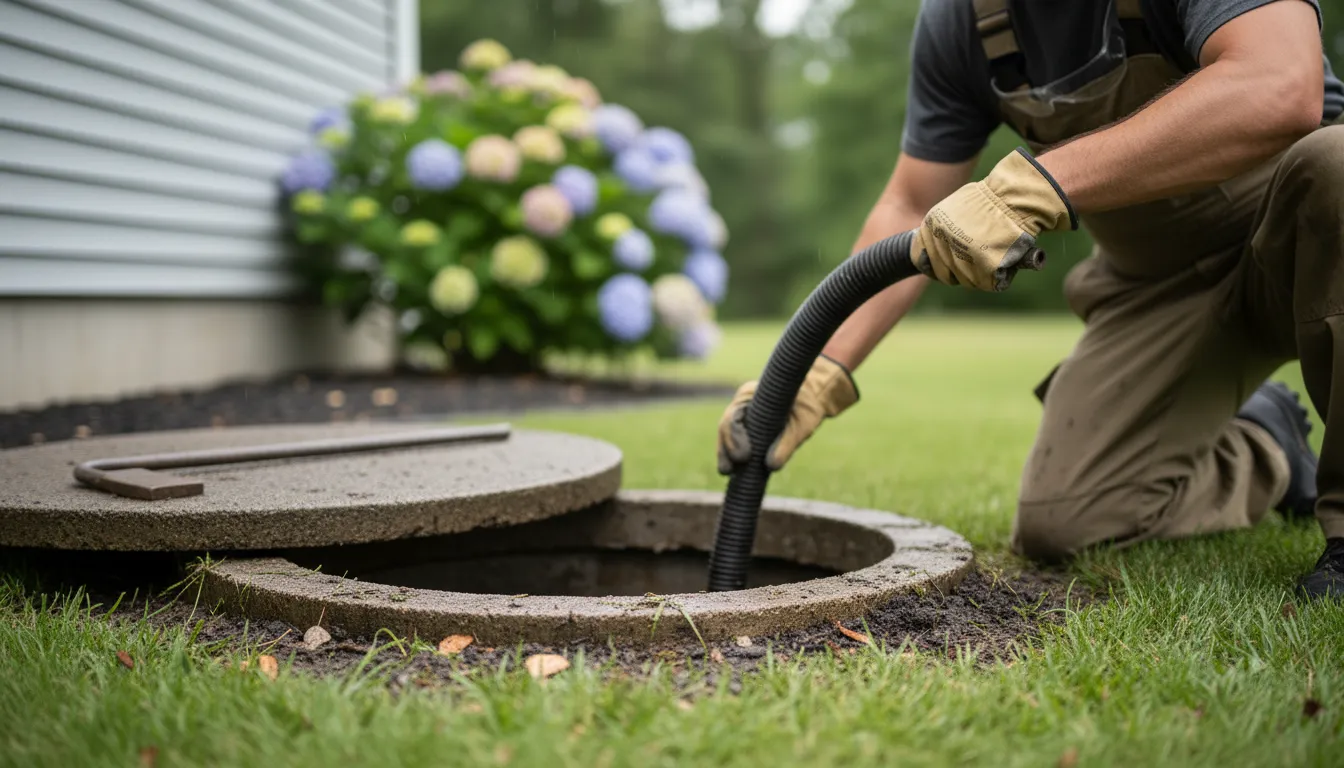
Find the Best Septic Tank Pumping Contractors for Your Business
No obligation • Fast responses • Nationwide coverage

Why you can trust Septic Spot
Septic Spot is a leading United States resource for understanding and comparing septic services. Our editors review providers using consistent criteria and verify key business details. Listings and scores are independent, and companies cannot pay to influence our content.
Search providers near you
Top Septic Tank Pumping Contractors in Morgan Hill, California Ranked
Maintaining your septic system is a crucial responsibility for any homeowner not connected to a municipal sewer line. Septic tank pumping, also known as septic tank cleaning or septic tank servicing, is the essential process of removing accumulated sludge and scum from your tank to prevent system failure, backups, and costly environmental damage. For residents of Morgan Hill, understanding local recommendations and finding a reliable professional for this vital maintenance task is key to protecting your property and investment. This guide provides the information you need to schedule service, understand costs, and ensure your system operates smoothly for years to come.
Roto-Rooter Plumbing & Water Cleanup
2078 Walsh Ave c1, Santa Clara, CA 95050
Roto-Rooter Plumbing & Water Cleanup offers a wide range of plumbing services in San Jose, CA, including septic tank pumping, drain cleaning, sewer line repair, and water heater maintenance. They serve both residential and commercial customers, addressing issues from clogged drains to sewer line inspections using video camera technology and trenchless repair methods. The company is available 24/7 for emergency plumbing services, ensuring assistance whenever urgent problems arise.
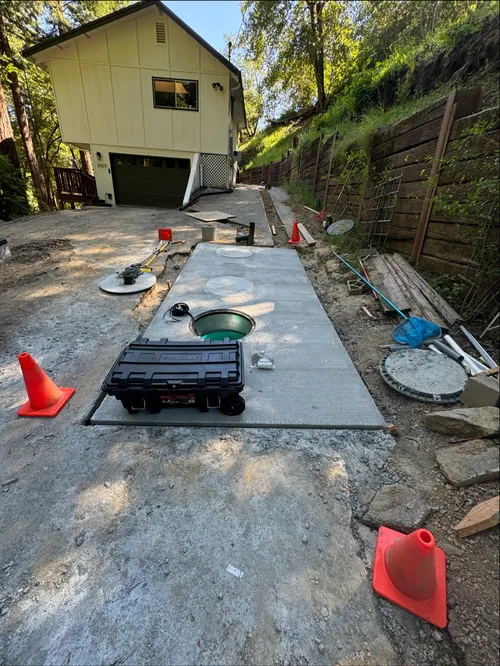
Wade's Plumbing & Septic
San Jose, CA
Wade's Plumbing & Septic is a family-owned company serving San Jose, CA, and licensed in California and Georgia. They specialize in septic tank pumping, inspection, repair, and installation, with a focus on enhanced treatment systems designed for challenging sites such as steep slopes, limited space, and environmentally sensitive areas. Their services include plumbing repairs and preventative maintenance, delivered by licensed professionals since 2021. Wade's offers upfront flat-rate pricing and emphasizes honest recommendations without upselling. They operate during regular business hours on weekdays.
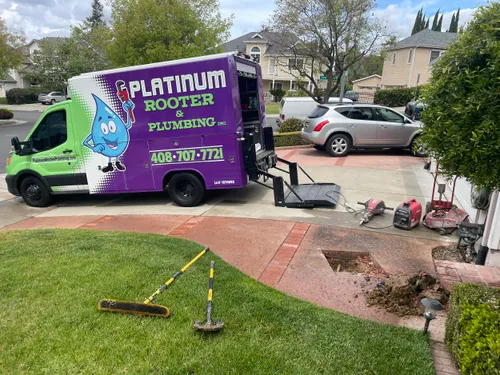
Platinum Rooter Plumbing and Septic Inc.
San Jose, CA
Platinum Rooter Plumbing and Septic Inc. is a septic tank pumping company based in San Jose, CA. They provide installation, cleaning, and maintenance services for septic tanks, grease traps, and water heaters. Serving areas from Gilroy to Livermore, they handle a range of plumbing issues from minor leaks to full pipeline replacements. The company offers hydro jetting services and is available 24/7 for emergency plumbing needs. With over 15 years in business, Platinum Rooter Plumbing and Septic Inc. emphasizes quick response times and honest pricing.
Garrison Plumbing Inc.
San Jose, CA
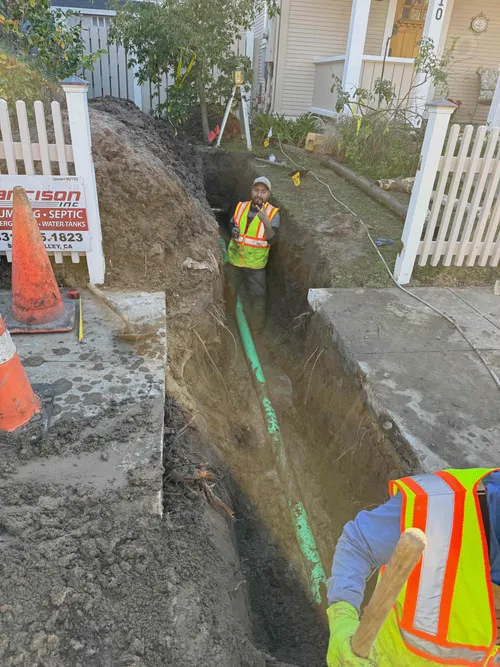
Garrison Plumbing Inc. is a licensed and insured septic and plumbing company serving San Jose, CA. Established in 1999, they offer septic tank pumping and inspection services, along with other plumbing needs including water tanks, heaters, and filtration systems. Their team can identify and investigate potential septic issues during service, providing comprehensive support for septic system maintenance and repairs.
The Honey Bucket Man
6116 CA-9 # D, Felton, CA 95018
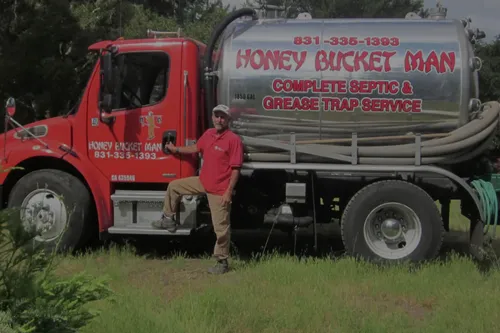
The Honey Bucket Man is a septic service provider located in San Jose, CA. They offer septic system cleaning, minor repairs, tank locating and uncovering, real estate inspections, and installation of new lids. Their services cover a range of septic system needs, including troubleshooting common problems to maintain system function.
Why Septic System Maintenance is Non-Negotiable
A septic system is a self-contained wastewater treatment plant on your property. When functioning correctly, it safely processes all the water and waste from your home. The tank itself is designed to separate solids (which sink as sludge) from fats and oils (which float as scum), allowing clarified liquid to flow out to the drain field. Over time, however, the sludge and scum layers build up. If they aren't removed periodically via professional septic pumping, they can overflow into the drain field, causing clogs, sewage backups into your home, and contamination of groundwater. Regular maintenance is the most cost-effective way to avoid emergencies that can cost thousands of dollars to repair.
Recommended Pumping Frequency for Morgan Hill Homes
How often you need to schedule septic tank cleaning depends on several household-specific factors. The general industry standard for most households is every 3 to 5 years 1. However, this is just a starting point.
For homes in Morgan Hill, several key variables can shorten that interval:
- Household Size: More people generally mean more wastewater and solids entering the system.
- Tank Size: Older homes or properties with limited space may have smaller tanks (e.g., 750-gallon) that fill up faster than modern 1,500-gallon tanks.
- Water Usage: High water consumption from frequent laundry, long showers, or use of garbage disposals accelerates sludge buildup.
- Solid Waste: Excessive use of a garbage disposal, flushing of non-biodegradable items, or use of harsh chemicals can increase solids.
Due to these factors, households with high usage or smaller tanks may require pumping every 1 to 2 years 2. The only way to know for sure is through regular inspections, which can measure the sludge and scum levels in your tank.
The Critical Role of Regular Septic Inspections
Scheduling a routine inspection is just as important as the pumping itself. Experts recommend a septic system inspection every 1 to 2 years 3 4. A qualified inspector doesn't just guess when your tank is full; they perform specific checks to assess your system's health.
During a standard inspection, a professional will:
- Locate and Access the Tank: They will find and uncover the tank's manhole and inspection ports.
- Measure Sludge and Scum: Using specialized tools, they measure the depth of the sludge layer at the bottom and the scum layer at the top. This data determines if pumping is immediately necessary or can be scheduled for a future date.
- Check Structural Integrity: They look for cracks, leaks, or corrosion in the tank itself.
- Inspect Components: The inspector ensures inlet and outlet baffles (or tees) are intact to prevent solids from escaping into the drain field, and checks the condition of the drain field area for signs of failure like soggy soil or unpleasant odors 5 6 7.
An inspection provides peace of mind and creates a documented history of your system's maintenance, which is invaluable if you ever decide to sell your home.
Understanding Septic Pumping Costs in California
The cost for residential septic tank pumping is an investment in your property's longevity. In California, average costs typically range from $300 to over $1,000, with the final price primarily driven by the tank's capacity.
Here's a more detailed breakdown based on tank size:
- 750-Gallon Tank: Often ranges from $250 to $550.
- 1,000-Gallon Tank: A common size where local estimates, like those from ProMatcher, report a typical fixed fee around $369 in California 8.
- 1,500-Gallon Tank: Prices generally run from $450 to $1,100 or more 9 10.
Other factors that can influence the final bill include the tank's accessibility (e.g., depth, landscaping clearance needed), the need for additional cleanup, and local travel fees for the service provider. It's always wise to get detailed estimates from a few licensed professionals in the Morgan Hill area.
Find the perfect septic tank pumping contractors for your needs
Get personalized recommendations and expert advice
What to Expect During a Pumping Service
Knowing what happens during a standard septic service can help you prepare. A typical visit from a licensed septic pumper includes:
- Site Preparation: The technician will locate and uncover the tank's manhole cover. You can facilitate this by ensuring the area is clear of obstructions like vehicles, patio furniture, or landscaping.
- Initial Inspection: Before pumping, they may perform a quick visual check of sludge levels and tank structure.
- Pumping: Using a large tanker truck with a powerful vacuum hose, all liquid and solid waste is pumped out of the tank and transported for proper disposal at a licensed treatment facility.
- System Rinse: The technician may rinse the tank walls with clean water to help break up residual solids, which are then vacuumed out. This is not a power-washing service, but a gentle rinse.
- Final Check: After pumping, they will inspect the empty tank for cracks, leaks, and the condition of the baffles. They should inform you of any issues found.
- Site Cleanup: The access ports are securely closed, and the work area is left tidy.
Best Practices for a Healthy Septic System
Pumping is the cornerstone of maintenance, but your daily habits have a significant impact. To extend the time between pumpings and protect your drain field:
- Conserve Water: Fix leaky faucets and toilets, and spread out laundry loads throughout the week to avoid overwhelming the system.
- Mind What You Flush: Only human waste and toilet paper should go down the toilet. Never flush wipes (even "flushable" ones), feminine hygiene products, dental floss, diapers, or chemicals.
- Use the Garbage Disposal Sparingly: Composting food scraps is ideal. Excessive use of the disposal adds substantial solids to your tank.
- Avoid Harsh Chemicals: Limit the use of bleach, antibacterial soaps, and strong drain cleaners, which can kill the beneficial bacteria in your tank that break down waste.
- Protect the Drain Field: Never park vehicles or build structures over the drain field. Keep roof drains and sump pumps directed away from it.
Navigating Local Regulations
While state guidelines provide a framework, local county regulations are paramount. For official local rules and requirements-such as mandatory inspections at the time of property transfer-residents should contact the Santa Clara County Department of Environmental Health. They can provide the most current information on permits, system approvals, and any county-specific maintenance mandates.
Choosing a Service Provider in Morgan Hill
Selecting the right professional is critical. Look for a company that is:
- Licensed and Insured: Verify they hold a current contractor's license from the California Contractors State License Board (CSLB) and carry adequate insurance.
- Experienced & Local: Choose a provider familiar with Morgan Hill's soil conditions and common system types.
- Transparent: They should provide a clear, written estimate that details all costs and the scope of work.
- Reputable: Check online reviews and ask neighbors for personal recommendations.
Frequently asked questions
Sources
Footnotes
-
Maintaining Your Septic System - https://www.snohd.org/682/Maintaining-Your-Septic-System ↩
-
How Long Does a Septic System Typically Last? - F.F. Hitchcock - https://ffhitchcock.com/how-long-does-a-septic-system-typically-last/ ↩
-
Maintenance of an OWTS - Santa Cruz County Environmental Health - https://scceh.com/NewHome/Programs/LandUse/MaintenanceofanOWTS.aspx ↩
-
Septic Systems | Department of Environmental Protection - https://www.pa.gov/agencies/dep/residents/my-water/septic-systems ↩
-
Septic Tanks - Preventative Routine Maintenance - https://des.sc.gov/permits-regulations/septic-tanks/homeowner-resources/septic-tanks-preventative-routine-maintenance ↩
-
California Septic Tank Requirements | Onsite Wastewater ... - https://www.ntotank.com/blog/california-septic-tank-requirements ↩
-
Septic Inspections - https://www.shelars.com/index.php/septic-system-inspections-formal-informal-at-time-of-sale-and-cost ↩
-
California Septic Systems Costs & Prices - ProMatcher Cost Report - https://septic-systems.promatcher.com/cost/california.aspx ↩
-
How Much Does It Cost to Pump a Septic Tank? [2026 Data] | Angi - https://www.angi.com/articles/how-much-does-septic-tank-pumping-cost.htm ↩
-
How Often Should My Septic Tank Pumped In California - https://www.lanikseptic.com/how-often-should-my-septic-tank-pumped-in-california/ ↩