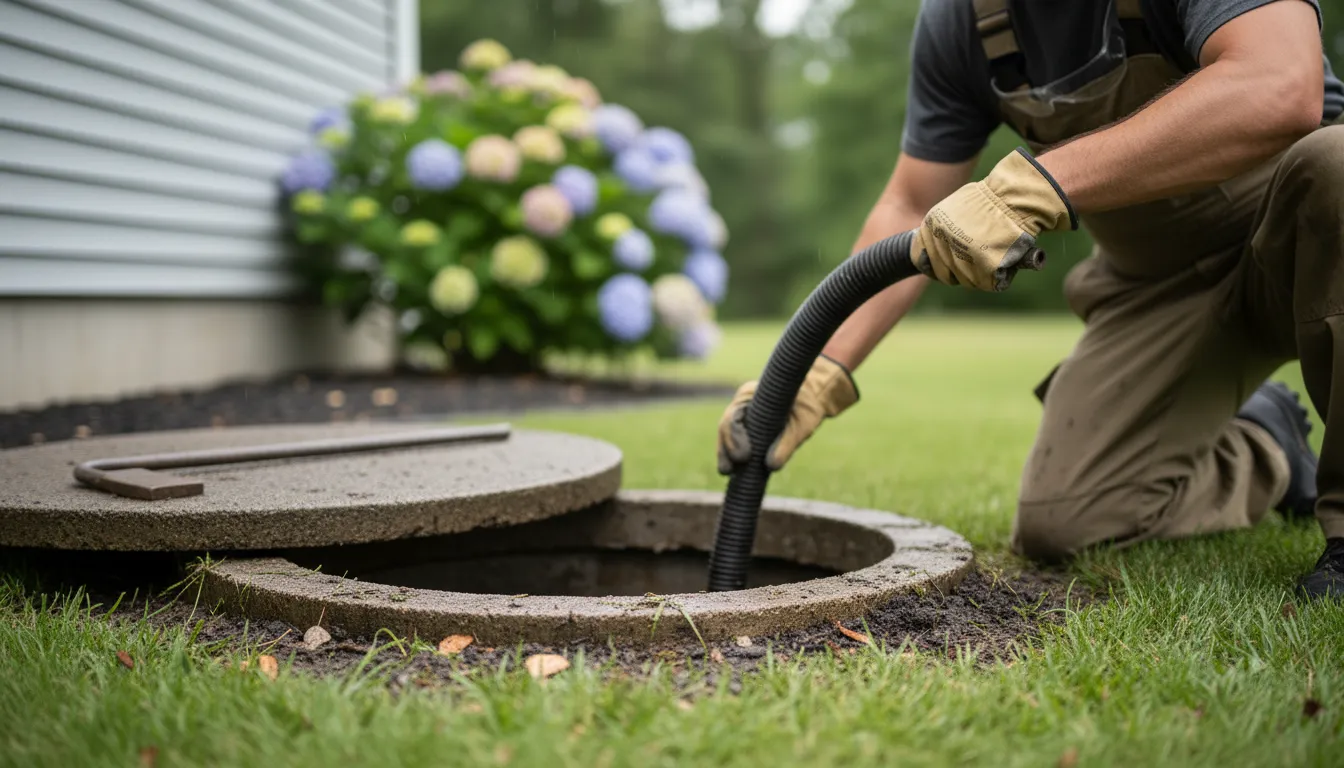
Find the Best Septic Tank Pumping Contractors for Your Business
No obligation • Fast responses • Nationwide coverage

Why you can trust Septic Spot
Septic Spot is a leading United States resource for understanding and comparing septic services. Our editors review providers using consistent criteria and verify key business details. Listings and scores are independent, and companies cannot pay to influence our content.
Search providers near you
Top Septic Tank Pumping Contractors in Napa, California Ranked
Maintaining a healthy septic system is a crucial responsibility for homeowners in Napa. Regular septic tank pumping is the most important preventative service you can schedule to protect your property, your family's health, and the local environment. This essential maintenance involves removing the accumulated sludge and scum from your tank to prevent system failure. Finding a reliable, licensed local provider for septic system services ensures your maintenance is performed correctly and in compliance with Napa County and California state regulations.
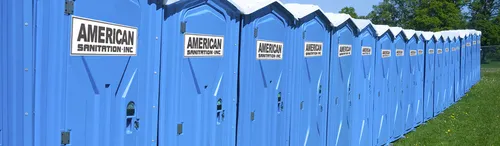
American Sanitation Inc
1729 Action Ave, Napa, CA 94559
American Sanitation Inc is a family-owned business based in Santa Rosa, CA, serving Northern California with portable toilet rentals and septic tank services. They specialize in providing portable toilets for vineyards, construction sites, and special events across multiple cities including Napa, Oakland, and San Francisco. The company offers septic tank pumping services and maintains an after-hours contact number for emergencies.
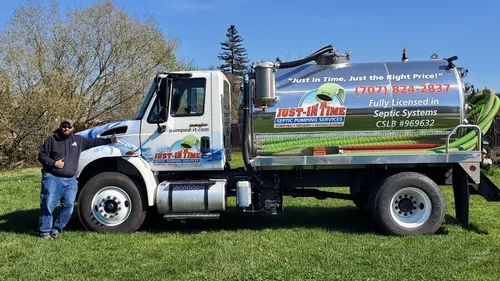
Just-in Time Septic Pumping
Santa Rosa, CA
Just-in Time Septic Pumping is a family-owned septic tank pumping company serving Santa Rosa, CA. With over 20 years of experience, they provide septic pumping and leach field services. The company is licensed and insured, focusing on quality workmanship and reliable scheduling to minimize customer wait times. They offer free consultations and guarantee their workmanship.
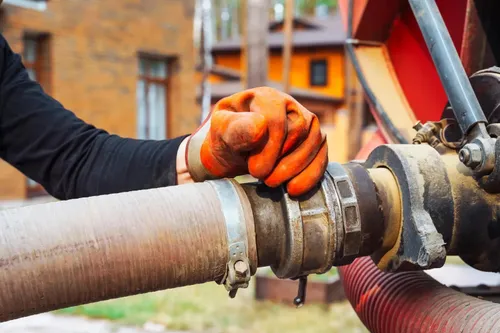
Superior Septic Pumping Service
Santa Rosa, CA
Superior Septic Pumping Service is a septic system maintenance and repair company based in Santa Rosa, CA. They offer services including septic pumping, tank cleanouts, repairs, and real estate inspections. With over 20 years of experience, the owner-operated business uses advanced equipment to handle issues such as sludge buildup, cracked pipes, and faulty drain fields. Their team serves Santa Rosa and surrounding areas, providing comprehensive septic solutions to help prevent backups and contamination.
Frank's Septic Service, Inc.
Fairfield, CA
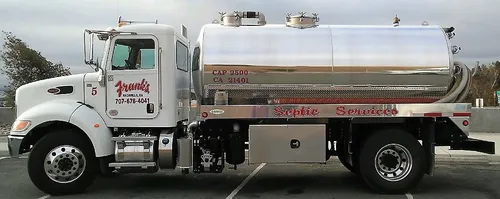
Frank's Septic Service, Inc. is a family-owned and operated company based in Fairfield, CA, providing septic system services since 1949. They offer a range of services including septic tank pumping, inspections, repairs, installations, and trucked waste removal for residential, agricultural, commercial, and municipal clients. Serving areas across Colusa, Solano, and Yolo Counties, including Vacaville, Woodland, and Davis, the company specializes in system upgrades, leach field repairs, and certified inspections. Their fleet includes vacuum tankers with capacities between 5,000 and 6,500 gallons. Frank's Septic Service also provides 24/7 after-hours and emergency support.
BDK Septic Service
2100 Llano Rd, Santa Rosa, CA 95407
BDK Septic Service is a family-owned company based in Santa Rosa, CA, serving homeowners and businesses throughout Sonoma County. They specialize in septic tank pumping and inspections, offering detailed reports to ensure system functionality and detect any damages. The company is NAWT certified and licensed for a range of services including alarm troubleshooting, line locating, and camera diagnostics. BDK Septic Service is also a certified provider for various pre-treatment septic systems and holds a C-42 contractor license.
Understanding Your Septic System and Why Pumping is Critical
A septic system is an on-site wastewater treatment structure, typically consisting of a tank and a drainfield (or leach field). When wastewater from your home enters the tank, solids settle to the bottom as sludge, and fats and oils float to the top as scum. The clarified liquid in the middle then flows out to the drainfield for further treatment in the soil. Over time, the sludge and scum layers build up. If they aren't removed via septic tank cleaning, they can overflow into the drainfield, clogging the soil and causing a complete system failure. This can lead to sewage backups in your home, foul odors, and contamination of groundwater 1 2.
Routine septic tank maintenance, primarily through pumping, is the best way to avoid these expensive and hazardous problems. It's a proactive investment that preserves the lifespan of your entire onsite wastewater treatment system.
How Often Should You Pump Your Septic Tank in Napa?
The standard recommendation for septic tank service in Napa is every 3 to 5 years 3. However, this is a general guideline. The ideal pumping frequency for your home depends on several key factors:
- Tank Size: Smaller tanks fill up with solids faster than larger ones.
- Household Size: More people generate more wastewater and solid waste, accelerating accumulation.
- Water Usage: High water consumption from frequent laundry, long showers, or excessive use of garbage disposals can send more solids into the tank.
- Waste Composition: Using a garbage disposal frequently or flushing non-biodegradable items significantly increases sludge buildup.
For smaller tanks or larger households, more frequent septic system pumping-potentially every 1 to 2 years-may be necessary. The only way to know for sure is through a professional inspection, which should accompany every pumping service.
Signs Your Napa Septic Tank Needs Pumping
Don't wait for a disaster. Be alert for these common warning signs that your tank is reaching capacity and requires septic tank emptying:
- Slow Drains: Sinks, showers, and toilets that drain slowly, especially throughout the house, can indicate a full tank.
- Gurgling Sounds: Strange gurgling noises coming from your pipes when you flush or run water.
- Sewage Odors: Unpleasant smells around the tank or drainfield area, or even inside your home.
- Lush, Green Grass: While the rest of your lawn is dry, an unusually green and lush patch over the drainfield can signal a leak of nutrient-rich effluent.
- Standing Water: Puddles or soggy soil in your yard near the septic system components.
- Sewage Backup: The most severe sign, where wastewater backs up into household drains.
If you notice any of these issues, it's time to contact a septic pumper for an immediate inspection 4 5.
The Septic Tank Pumping Process: What to Expect
When you schedule septic tank pumping in Napa, a licensed professional will typically follow these steps:
- Locate and Access: The technician will locate your tank and access ports, which may require some digging if the lids are buried.
- Inspection: Before pumping, a brief visual inspection of the tank's inlet and outlet baffles and the liquid level is often performed.
- Pumping: A large vacuum truck (sometimes called a honey wagon) is used to thoroughly remove all the contents of the tank-sludge, scum, and liquid.
- Post-Pump Inspection: A more thorough inspection is recommended after the tank is empty to check for cracks, leaks, or structural damage.
- Cleanup and Closing: The access ports are securely closed, and the area is cleaned up. The technician will leave the site as they found it.
- Disposal: The pumped waste is transported to a licensed wastewater treatment facility for proper processing.
Find the perfect septic tank pumping contractors for your needs
Get personalized recommendations and expert advice
The Importance of Professional Inspection
A comprehensive inspection is a critical component of professional septic tank service. During a pumping, a qualified technician can assess:
- Baffle Condition: Ensuring inlet/outlet baffles are intact to prevent solids from escaping into the drainfield.
- Tank Integrity: Checking for cracks, corrosion, or leaks in the tank itself.
- Scum and Sludge Levels: Measuring these layers helps determine your optimal pumping schedule.
- Drainfield Function: While not a full drainfield inspection, signs of failure can often be noted.
In Napa County, a formal inspection is frequently required during real estate transactions to ensure the system is functioning properly before a home sale. Investing in regular inspections can identify small issues before they become major, costly repairs.
Cost of Septic Tank Pumping in Napa
The cost for septic system pumping is primarily based on the tank's capacity (in gallons) and its accessibility. For a standard 1,500-gallon tank in the Napa area, homeowners can expect an average price range of $620 to $700 for the pumping service 6. It's important to note that this is typically for the pumping service itself. A separate, more detailed inspection may cost around $500 on average, with additional fees for properties with multiple tanks or complex systems 6. Always request a detailed quote that outlines all charges before work begins.
Napa County Regulations and Compliance
Septic systems in Napa are regulated to protect public health and water quality. Key local requirements include:
- Permits: Any new installation, major repair, or alteration to a system requires a permit from Napa County Environmental Health.
- System Destruction: If a septic tank is being abandoned (e.g., during a connection to a municipal sewer), Napa County has strict destruction guidelines. This process requires a permit, professional cleaning (pumping) of the tank, and either removal or filling the tank with an approved material like sand or concrete 7.
- State Standards: All systems must meet the requirements set by the California Regional Water Quality Control Board, which include standards for being watertight, properly sited, and sized appropriately for the home 8.
Hiring a licensed septic pumper who is familiar with Napa County's specific rules is essential for ensuring your system remains compliant 9.
Maintaining Your System Between Pumpings
Proper day-to-day care extends the time between necessary septic tank cleanings:
- Conserve Water: Fix leaks and spread out laundry loads to avoid overwhelming the system.
- Mind What You Flush: Only human waste and toilet paper should go down the toilet. Never flush wipes (even "flushable" ones), feminine hygiene products, diapers, or paper towels.
- Use Garbage Disposals Sparingly: Compost food scraps instead. Excessive use adds substantial solids to your tank.
- Avoid Harsh Chemicals: Limit use of bleach, antibacterial soaps, and strong drain cleaners, which can kill the beneficial bacteria in your tank.
- Protect the Drainfield: Never drive or park vehicles over it, and plant only grass over the area. Keep roof drains and sump pumps directed away from it.
Frequently asked questions
Sources
Footnotes
-
Septic Systems | Department of Environmental Protection - https://www.pa.gov/agencies/dep/residents/my-water/septic-systems ↩
-
Septic Tanks - Preventative Routine Maintenance - https://des.sc.gov/permits-regulations/septic-tanks/homeowner-resources/septic-tanks-preventative-routine-maintenance ↩
-
What To Expect And When You Need Septic Tank Pumping - https://www.american-sanitation.com/blog/what-to-expect-and-when-you-need-septic-tank-pumping/ ↩
-
Septic Services FAQ - https://www.wrenvironmental.com/resources/faq/ ↩
-
How Often Should My Septic Tank Pumped In California - https://www.lanikseptic.com/how-often-should-my-septic-tank-pumped-in-california/ ↩
-
Napa, CA | Napa Septic Tank Service, Inc. - https://www.napaseptictankservice.com/septic-services ↩ ↩2
-
septic tank destruction guidelines - Napa County - https://www.napacounty.gov/DocumentCenter/View/3934/Septic-Tank-Destruction-Guidelines-?bidId= ↩
-
California Septic Tank Requirements | Onsite Wastewater Treatment Systems - https://www.ntotank.com/blog/california-septic-tank-requirements ↩
-
HOW OFTEN SHOULD YOU BE PUMPING YOUR SEPTIC TANK? - https://www.sandiegocounty.gov/content/dam/sdc/dpw/WATERSHED_PROTECTION_PROGRAM/WatershedRebates/SRP/PDF/Chart-Septic-Large.pdf ↩