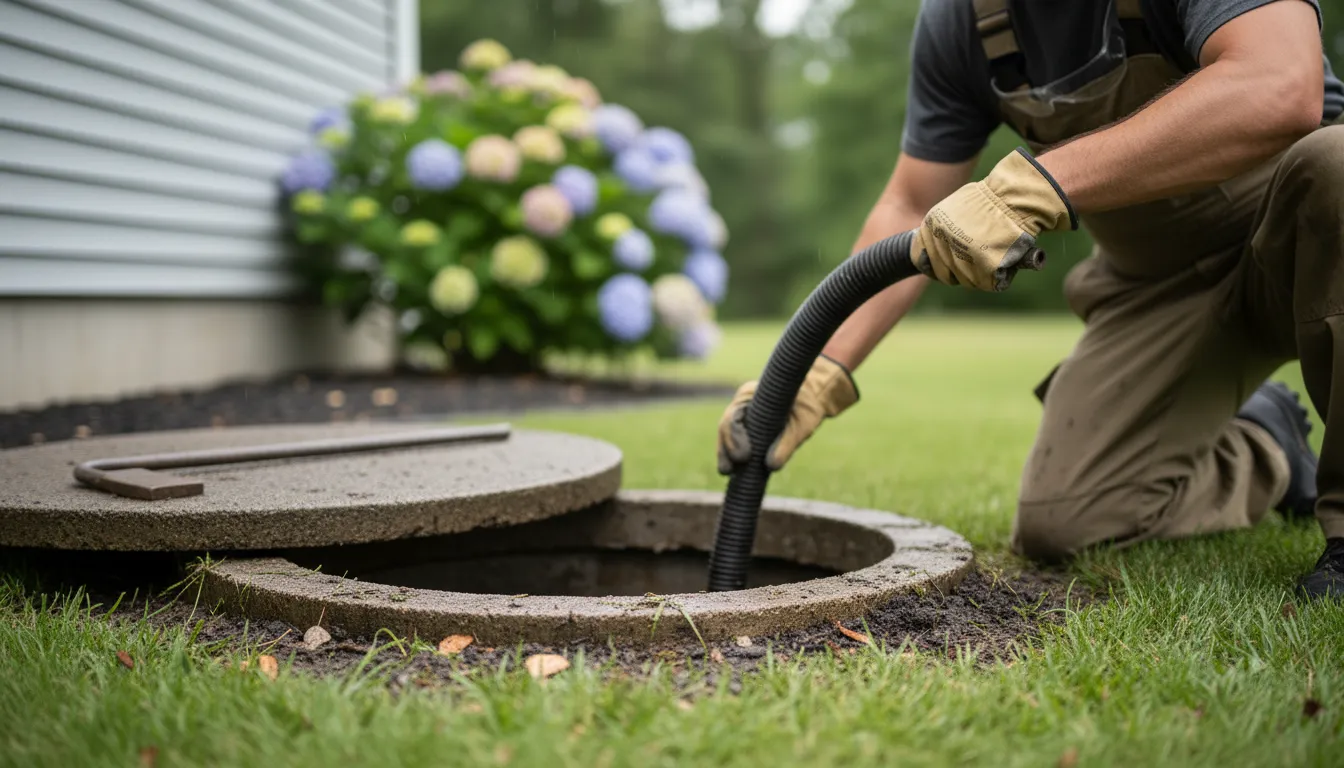
Find the Best Septic Tank Pumping Contractors for Your Business
No obligation • Fast responses • Nationwide coverage

Why you can trust Septic Spot
Septic Spot is a leading United States resource for understanding and comparing septic services. Our editors review providers using consistent criteria and verify key business details. Listings and scores are independent, and companies cannot pay to influence our content.
Search providers near you
Top Septic Tank Pumping Contractors in Oceanside, California Ranked
Maintaining a healthy septic system is a crucial responsibility for Oceanside homeowners. Septic tank pumping is the essential process of removing accumulated solids and scum from your tank to prevent system failure, environmental contamination, and costly repairs. This service matters because a well-maintained system protects your property value, your family's health, and the local coastal environment. You can use the information here to understand local requirements, typical costs, and maintenance schedules, helping you make informed decisions when selecting a qualified local professional for your septic service needs.
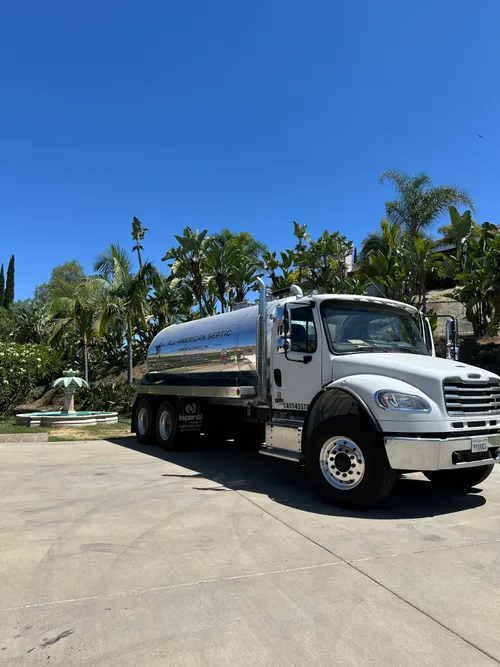
All-American Septic Pumping & Services, Inc
29105 Valley Center Rd Suite 115, Valley Center, CA 92082
All-American Septic Pumping & Services, Inc provides septic tank pumping, inspection, and repair services in Los Angeles, CA. They assist with maintaining and repairing septic systems to ensure proper function and compliance with local standards. Customers can conveniently book appointments online.

Zoom Drain
27570 Commerce Center Dr STE 128 128, Temecula, CA 92590
Zoom Drain is a septic tank pumping company based in Murrieta, CA, serving Temecula and surrounding areas. They provide residential and commercial drain and sewer services, including emergency repairs, routine maintenance, and specialized solutions like grease trap maintenance. The company uses advanced tools such as hydro jetting and camera inspections to diagnose and clear blockages efficiently. Customers appreciate their flat-rate pricing and thorough service approach. Zoom Drain also offers maintenance plans to help keep drainage systems functioning properly. Their team is known for professionalism and clear communication, with a focus on minimizing disruption during service.
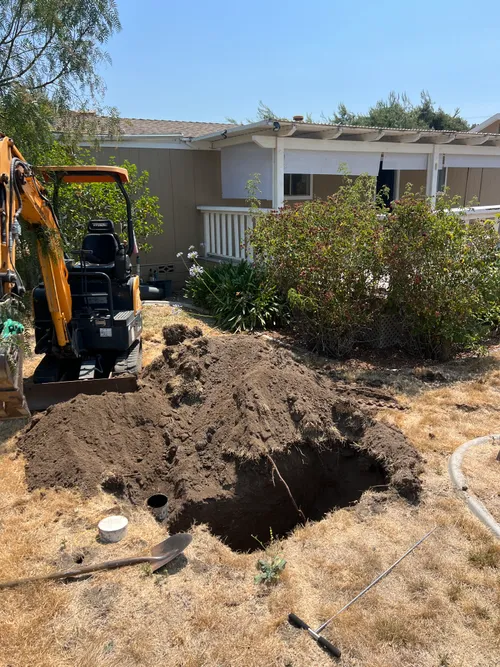
CertifiedSeptic.com
41700 Ivy St STE C, Murrieta, CA 92562
CertifiedSeptic.com provides septic tank pumping, inspection, installation, and maintenance services in Los Angeles, CA. Their offerings include septic pumping, certification inspections, system locating using ground-penetrating radar, sewer line video scoping, and hydro-jetting to clear clogs and buildup. The company designs and installs new septic systems following local regulations to ensure long-term functionality. Hydro-jetting is a key capability, using high-pressure water to clean pipes effectively and eco-friendly.

Center Septic
San Diego, CA
Center Septic is a family-owned septic service provider based in San Diego, CA, serving North San Diego County including Valley Center and surrounding areas. The company offers septic tank pumping, cleaning, inspections, repairs, new system installations, and drain field diagnosis and repairs. Center Septic holds a C42 license through the California State Contractor License Board and has been operating since 1995, providing a range of septic system services with trained and knowledgeable staff.
USA Septic
1317 Simpson Way Suite B, Escondido, CA 92029
USA Septic is a septic tank pumping, inspection, repair, and installation company serving San Diego, CA. They provide services including septic system construction, pumping, drain cleaning, and certifications. Their expertise covers drain field repair and replacement, helping maintain and protect septic systems. USA Septic offers guidance on septic system ownership to help customers care for their systems properly.
Regular septic maintenance is not just a chore; it's an investment in your property and peace of mind. For Oceanside residents, the unique combination of sandy soils, proximity to watersheds, and local regulations makes proactive care especially important. The County of San Diego Department of Environmental Health and Quality oversees these systems and emphasizes regular inspections to prevent failures 1.
Understanding Your Septic System's Needs
A septic system is a mini wastewater treatment plant buried in your yard. When functioning correctly, it safely processes household water from toilets, showers, sinks, and appliances. The tank itself holds the wastewater, allowing solids to settle as sludge and fats/oils to float as scum. The clarified liquid in the middle (effluent) then flows out to the drain field for final filtration into the soil.
Over time, the sludge and scum layers build up. If they aren't removed via septic tank pumping, they can overflow into the drain field, clogging the soil and causing a system backup or failure. This can lead to:
- Sewage backing up into your home.
- Foul odors indoors and outdoors.
- Soggy, bright green grass or standing water over the drain field.
- Contamination of groundwater, which is a serious concern in coastal areas.
Recommended Pumping Frequency for Oceanside Homes
How often you need septic tank cleaning depends on several factors, but a standard recommendation for conventional systems is every 3 to 5 years 2. However, this is a general guideline. Your household's specific needs may vary.
- Tank Size and Household Size: This is the primary factor. A 1,000-gallon tank serving a family of four typically requires pumping every 2.5 years 3. For households with five or more people, the interval shortens to every 2-3 years due to increased wastewater volume 4.
- Overall Water Usage: Excessive water use from long showers, frequent laundry loads, or leaky fixtures can overwhelm your tank, requiring more frequent septic service.
- Garbage Disposal Use: Using a garbage disposal regularly significantly increases the amount of solids entering your tank, accelerating sludge buildup.
- Type of System: Alternative systems with pumps, aerators, or other mechanical components often require more frequent, sometimes annual, professional inspection and maintenance 5.
The most reliable way to determine your schedule is through a professional inspection, which measures the sludge and scum levels in your tank.
The Importance of Regular Septic Inspections
Think of an inspection as a routine physical for your septic system. It's recommended to have your system inspected by a licensed professional every 1-2 years, even if pumping isn't immediately needed 6 7. A thorough inspection includes:
- Checking sludge and scum levels to predict the next needed pump-out.
- Inspecting inlet and outlet pipes for blockages.
- Examining the tank, baffles, and effluent filter (if present) for integrity.
- Assessing the drain field for signs of failure, such as surfacing effluent.
Signs that you need an inspection immediately include slow-draining fixtures, gurgling pipes, sewage backups, and the appearance of unusually lush or wet spots over your drain field 8.
Find the perfect septic tank pumping contractors for your needs
Get personalized recommendations and expert advice
What to Expect: The Pumping Process and Costs
When you hire a professional for septic tank pumping or septic tank emptying, a certified technician will:
- Locate and uncover your tank's access lids.
- Insert a large hose to vacuum all contents (sludge, scum, and liquid) into a specialized truck.
- Inspect the tank's components for damage.
- Properly dispose of the waste at an approved treatment facility.
In Oceanside, typical pumping costs range from $300 to $600, though the final price depends on your tank's size and accessibility 9. Here's a more detailed breakdown:
- 750-Gallon Tank: $225 - $550
- 1,000-Gallon Tank: $250 - $700
- 1,500-Gallon Tank: $350 - $1,100
- Inspection-Only Service: Often between $100 and $250 10 11.
Always ensure you are using a licensed septic professional. They will have the expertise to service your system correctly and in compliance with San Diego County regulations, which is critical for protecting our local environment 12.
Maintaining Your System Between Services
Professional pumping is vital, but your daily habits greatly impact your system's health. Follow these tips to extend time between services and prevent issues:
- Conserve Water: Fix leaky faucets and toilets promptly. Spread out laundry loads and use high-efficiency fixtures.
- Mind What You Flush: Only human waste and toilet paper should go down the toilet. Never flush wipes (even "flushable" ones), feminine hygiene products, dental floss, or chemicals.
- Be Careful in the Kitchen: Avoid pouring grease, oil, or coffee grounds down the drain. Limit use of the garbage disposal.
- Protect Your Drain Field: Never park or drive heavy vehicles over it. Keep roof drains, sump pumps, and other rainwater sources directed away from the area.
Local Oceanside and San Diego County Considerations
Oceanside's specific conditions necessitate mindful septic care. The sandy soil can allow for quicker drainage but may also be more susceptible to contamination if a system fails. Furthermore, being part of the broader San Diego watershed means protecting groundwater is a shared community responsibility.
The County provides resources and guidelines for homeowners. Permits are required for new installations, major repairs, and sometimes for pumping services from certain providers. A licensed professional will be familiar with all local codes, including those for:
- System Abandonment: Proper procedures must be followed if you connect to a municipal sewer line.
- Property Transfers: Often require a current septic inspection report.
- Alternative System Maintenance: Specific protocols for aerobic treatment units (ATUs) and other advanced systems.
Frequently asked questions
Sources
Footnotes
-
Frequently Asked Questions on Septic Systems - https://www.sandiegocounty.gov/content/sdc/deh/lwqd/lu_septic_systems/lu_septic_faqs_page.html ↩
-
How Often Should You Get Your Septic Tank Pumped? - https://www.coastalsepticsolutions.com/blog/how-often-should-you-get-your-septic-tank-pumped ↩
-
Septic Tank Pumping Frequency: Crucial Maintenance Guide - https://septic911.com/septic-tank-pumping-frequency/ ↩
-
HOW OFTEN SHOULD YOU BE PUMPING YOUR SEPTIC TANK? - https://www.sandiegocounty.gov/content/dam/sdc/dpw/WATERSHED_PROTECTION_PROGRAM/WatershedRebates/SRP/PDF/Chart-Septic-Large.pdf ↩
-
How Often to Pump a Septic Tank - Clear River Environmental - https://clearriverenvironmental.com/how-often-to-pump-a-septic-tank/ ↩
-
Septic Tanks - Preventative Routine Maintenance - https://des.sc.gov/permits-regulations/septic-tanks/homeowner-resources/septic-tanks-preventative-routine-maintenance ↩
-
How Often Should My Septic Tank Pumped In California - https://www.lanikseptic.com/how-often-should-my-septic-tank-pumped-in-california/ ↩
-
The Californian's Guide To Septic Tanks - https://cacciaplumbing.com/blog/california-septic-tank-guide/ ↩
-
Understanding the Average Cost to Pump a Septic Tank - https://www.scorpionsepticservices.com/blog/understanding-the-average-cost-to-pump-a-septic-tank ↩
-
7 Ways to Reduce the Cost for Septic System in California - https://www.lanikseptic.com/reduce-septic-system-costs-california/ ↩
-
How Much Does it Cost to Pump a Septic Tank? 2026 Price Guide - https://rescueheroplumbing.com/how-much-does-it-cost-to-pump-a-septic-tank ↩
-
Southern California Septic System Regulations: What You Need to ... - https://www.lanikseptic.com/socal-septic-regulations/ ↩