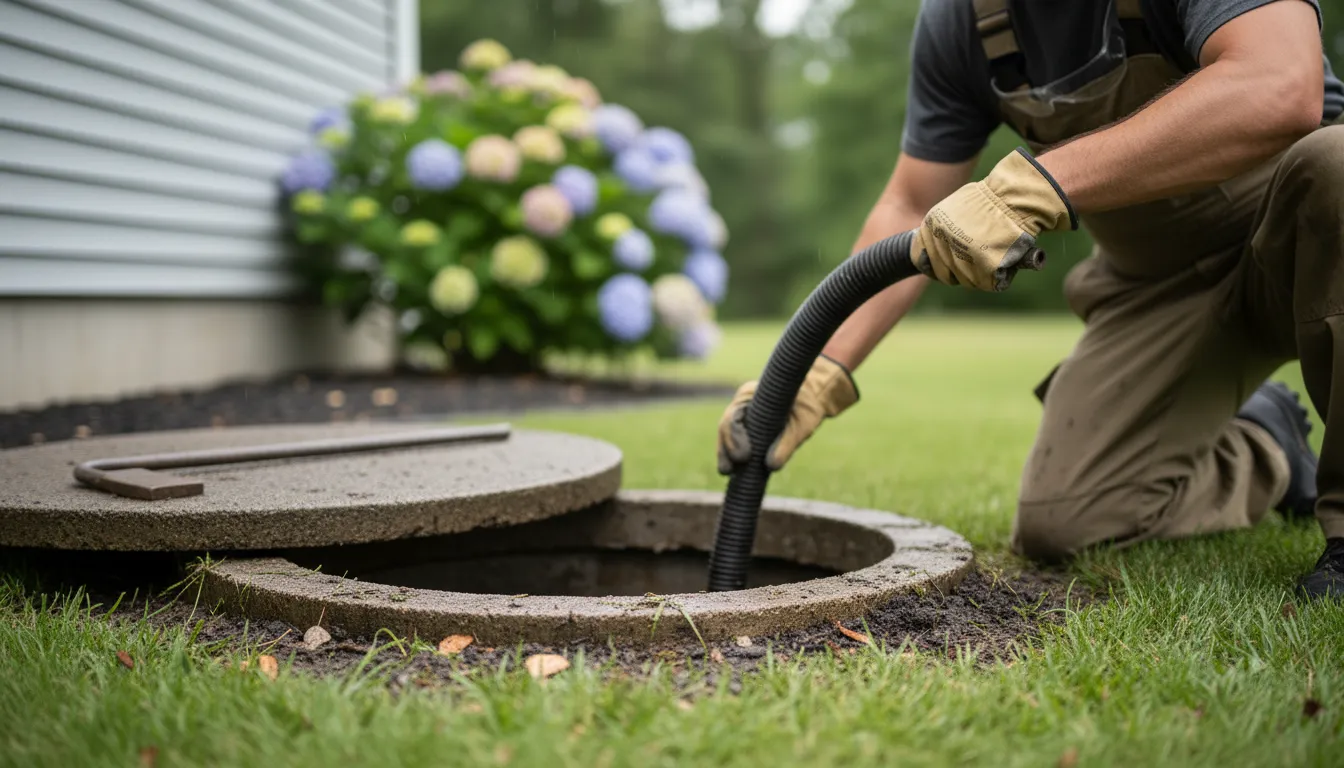
Find the Best Septic Tank Pumping Contractors for Your Business
No obligation • Fast responses • Nationwide coverage

Why you can trust Septic Spot
Septic Spot is a leading United States resource for understanding and comparing septic services. Our editors review providers using consistent criteria and verify key business details. Listings and scores are independent, and companies cannot pay to influence our content.
Search providers near you
Top Septic Tank Pumping Contractors in Palm Springs, California Ranked
Maintaining a healthy septic system is a critical responsibility for homeowners not connected to municipal sewer lines. Septic tank pumping is the essential service of removing accumulated solids and scum from your tank to prevent system failure, backups, and environmental contamination. In the unique desert environment of Palm Springs, regular maintenance is especially important. This guide will help you understand the local requirements, costs, and best practices for finding qualified professionals to handle your septic service needs.
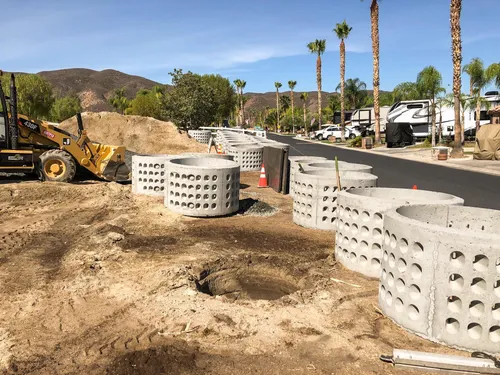
Wright Septic Tank Services
511 N Dillon Ave, San Jacinto, CA 92582
Wright Septic Tank Services is a licensed C42 and C36 contractor based in Los Angeles, CA, offering residential and commercial septic system solutions. Their services include septic tank pumping, repairs, maintenance, installation of new septic systems and leach lines, camera inspections, and electronic tank locating. With over 55 years of experience, Wright Septic uses advanced technology such as waterproof cameras and electronic locating devices to diagnose and address septic system issues effectively.
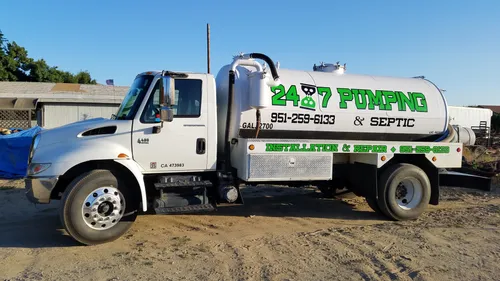
24/7 Pumping & Septic
985 Joseph Dr, Hemet, CA 92545
24/7 Pumping & Septic provides septic tank pumping, inspection, repair, and installation services in Los Angeles, CA. The company offers thorough septic tank cleaning and certified inspections for home sales to help maintain system function and compliance. Their team also handles septic system repairs and new installations tailored to property needs, aiming to prevent backups and costly damage.
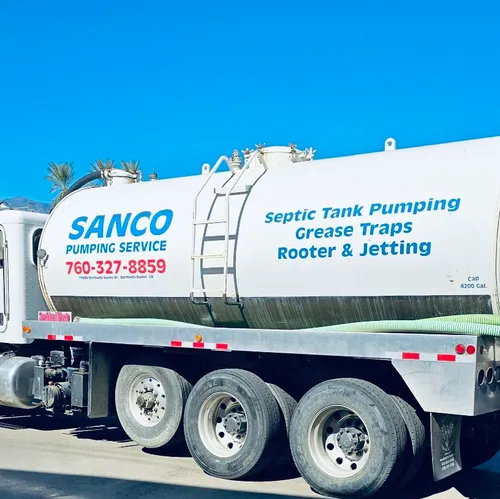
Sanco Pumping Services
79800 Bermuda Dunes Dr, Bermuda Dunes, CA 92203
Sanco Pumping Services is a septic tank pumping company serving the Los Angeles, CA area and the broader Coachella Valley region, including Palm Springs and Palm Desert. With 40 years of experience, they provide septic tank and cesspool pumping, grease trap pumping, drain cleaning, hydro-jetting, and sewer line camera inspections. Their team is equipped to handle complex tasks such as sewage lift station pumping and cleaning, combining plumbing, electrical, and structural expertise. They offer 24/7 fast response services across multiple local communities.

S & G Pumping Service
11097 Coronado Dr, Morongo Valley, CA 92256
S & G Pumping Service is a septic tank pumping and installation company serving Los Angeles, CA, and surrounding areas including Indio, Palm Desert, Palm Springs, and Morongo Valley. With over ten years of experience, they handle a variety of plumbing needs such as grease trap cleaning, drain line maintenance, septic system installation, and sewer line closure. The company offers 24/7 emergency service to address urgent plumbing issues promptly.
Why Septic System Maintenance is Non-Negotiable in the Coachella Valley
A septic system is an on-site wastewater treatment plant for your property. When functioning correctly, it safely processes household waste. However, when neglected, the results can be disastrous and expensive: sewage backing up into your home, foul odors in your yard, and contamination of groundwater. In Palm Springs and the surrounding Riverside County, the dry, sandy soil and specific regulations make proactive care essential. Regular pumping and inspection are the cornerstones of this care, ensuring your system operates efficiently for decades.
Understanding Your Septic System: The Basics
Before diving into maintenance schedules, it helps to know what you're maintaining. A standard system has two main components:
- The Septic Tank: A buried, watertight container where solids settle to the bottom (forming sludge) and fats/oils float to the top (forming scum). The liquid wastewater (effluent) exits the tank into the drainfield.
- The Drainfield: A shallow, covered excavation where the effluent is discharged and filtered through the soil for final treatment.
Pumping focuses on the tank. Over time, the sludge and scum layers build up. If they aren't removed, solids can flow into and clog the drainfield, leading to a complete system failure-a repair that can cost tens of thousands of dollars.
How Often Should You Pump Your Septic Tank in Palm Springs?
The universal recommendation is to pump your septic tank every 3 to 5 years 1. However, this is a general guideline. The exact frequency for your Palm Springs home depends on several key factors:
- Tank Size: Smaller tanks (under 1,000 gallons) fill up faster and require more frequent pumping.
- Household Size: More people generate more wastewater and solid waste, accelerating buildup.
- Water Usage: High water consumption from laundry, long showers, or leaky fixtures fills the tank quicker and doesn't allow solids adequate time to settle.
- Waste Habits: Using a garbage disposal frequently, flushing non-biodegradable items, or pouring grease down the drain significantly increases sludge accumulation.
For a typical household in Palm Springs, adhering to the 3-5 year rule is a good start. However, a large family in a home with a smaller tank may need service every 1-2 years, while a one or two-person household with a large tank might extend the interval to 5+ years2 3 4. The only way to know for sure is through a professional inspection.
The Critical Role of Professional Septic Inspections
While pumping removes the buildup, an inspection tells you when it's necessary and identifies other potential issues. Riverside County often requires inspections to ensure systems are not exceeding 25% solid capacity5. It's wise to have your system inspected annually or at least every 3 years6 7.
A thorough inspection by a licensed professional will:
- Measure sludge and scum levels to determine if pumping is needed.
- Check for leaks in the tank or inlet/outlet pipes.
- Ensure baffles and tees (which prevent solids from exiting) are intact.
- Look for signs of drainfield failure, such as overly lush grass or standing water.
- Verify the tank lid is secure and accessible.
Think of an inspection as a low-cost diagnostic that can prevent incredibly high-cost repairs.
Find the perfect septic tank pumping contractors for your needs
Get personalized recommendations and expert advice
Recognizing the Warning Signs of a Problem
Don't wait for a scheduled inspection if you notice these red flags. Contact a septic service provider immediately if you experience:
- Slow Drains: Sinks, tubs, or toilets that drain slowly, especially if multiple fixtures are affected.
- Sewage Backups: Wastewater coming back up into household drains.
- Foul Odors: The smell of sewage inside your home or around the drainfield area in your yard.
- Lush, Wet Ground: Unusually soggy or bright green grass over the drainfield, even during dry weather.
- Gurgling Sounds: Strange noises coming from your plumbing.
Addressing these issues quickly can mean the difference between a simple pumping and a major excavation project.
Palm Springs Septic Service: What to Expect and What It Costs
When you hire a professional for septic tank cleaning, here's a general overview of the process and local pricing:
The Pumping Process:
- The technician will locate and uncover your tank's access lids.
- Using a large vacuum truck, they will pump out all the contents (sludge, scum, and liquid) from the tank.
- They may briefly rinse the tank interior to inspect for cracks or damage.
- The waste is transported to a licensed treatment facility for disposal.
Typical Cost Ranges in Palm Springs:
- Standard Pumping/Cleaning: $150 - $250. This is the baseline cost for a routine service.
- Comprehensive Inspection: $50 - $150. Often bundled with pumping.
- Minor Repairs: (e.g., replacing a baffle) can range from a few hundred dollars.
- Major Repair or Drainfield Replacement: $3,000 - $10,000 or more8. This underscores the value of preventative maintenance.
Always ensure you hire a state-permitted septic pumper. They have the proper licensing, insurance, and equipment to perform the job safely and legally.
Desert-Specific Maintenance Tips for Palm Springs Homeowners
The Coachella Valley climate presents unique considerations:
- Access is Key: Ensure your tank lids are clearly marked and not buried under deep landscaping. Technicians need to find them to perform service.
- Protect the Drainfield: Avoid planting trees or deep-rooted shrubs near the drainfield. While you might want shade, roots are a primary cause of pipe damage. Also, never park vehicles or place heavy structures (like patios or sheds) over the drainfield.
- Conserve Water: Use water-efficient fixtures and spread out laundry loads to avoid hydraulically overloading the system. A sudden surge of water can push solids into the drainfield.
- Mind What Goes Down: Never flush anything besides human waste and toilet paper. Avoid chemical drain cleaners, which can harm the beneficial bacteria in your tank.
Frequently asked questions
Sources
Footnotes
-
The Californian's Guide To Septic Tanks - https://cacciaplumbing.com/blog/california-septic-tank-guide/ ↩
-
How Often Should My Septic Tank Pumped In California - https://www.lanikseptic.com/how-often-should-my-septic-tank-pumped-in-california/ ↩
-
Septic Systems | Department of Environmental Protection - https://www.pa.gov/agencies/dep/residents/my-water/septic-systems ↩
-
How Often to Pump a Septic Tank - Clear River Environmental - https://clearriverenvironmental.com/how-often-to-pump-a-septic-tank/ ↩
-
Pumping & Maintenance Tips - Septic Treatment - https://www.sosonsiteca.net/resources/pumping-maintenance-tips ↩
-
How Often Should You Pump Your Septic Tank | Pumping Frequency - https://seaboundseptic.com/septic-services/how-often-should-you-pump-your-septic-tank/ ↩
-
Signs Your Septic System Needs Attention - https://www.scorpionsepticservices.com/blog/signs-your-septic-system-needs-attention-what-to-look-for ↩
-
Maintaining your Septic System A Guide for Homeowners - https://www.ihs.gov/california/tasks/sites/default/assets/File/SFC-MaintainingYourSepticSystemGuide.pdf ↩