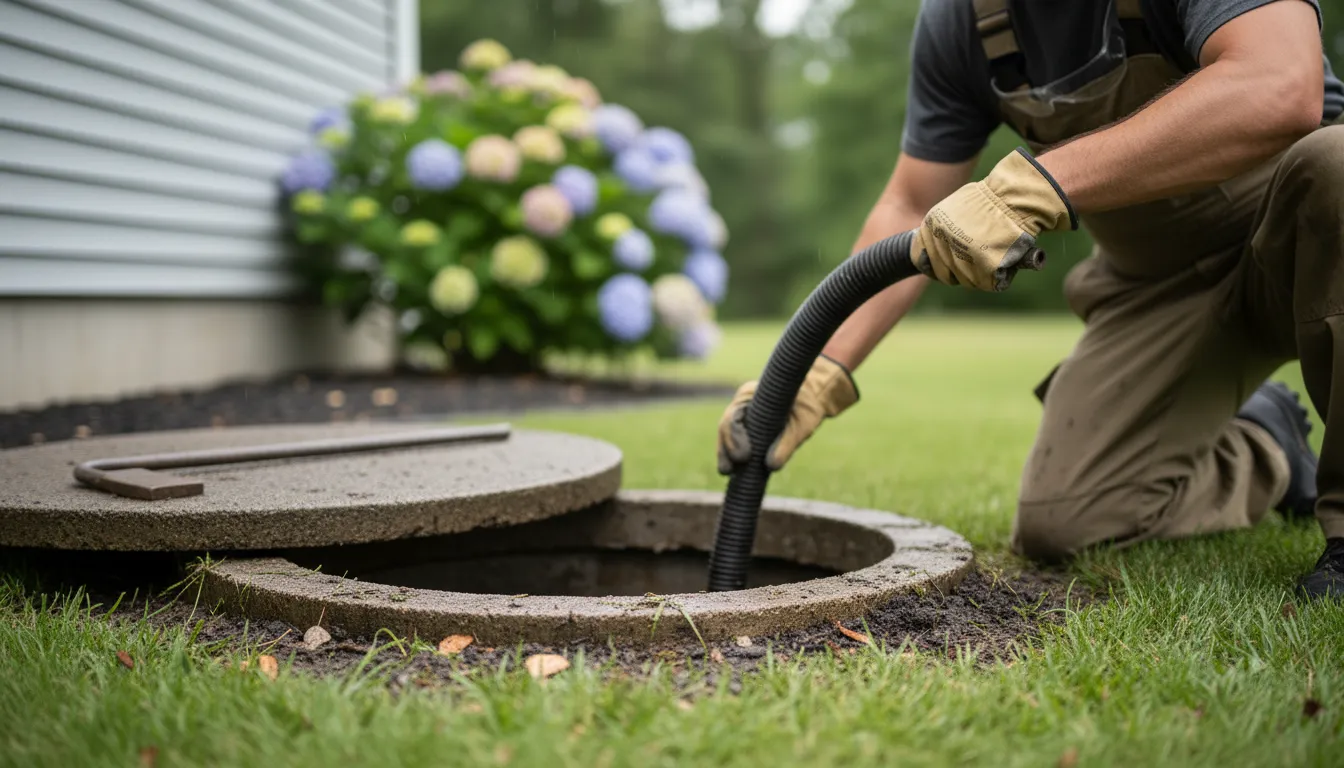
Find the Best Septic Tank Pumping Contractors for Your Business
No obligation • Fast responses • Nationwide coverage

Why you can trust Septic Spot
Septic Spot is a leading United States resource for understanding and comparing septic services. Our editors review providers using consistent criteria and verify key business details. Listings and scores are independent, and companies cannot pay to influence our content.
Search providers near you
Top Septic Tank Pumping Contractors in Pittsburg, California Ranked
Maintaining your septic system is a crucial responsibility for any homeowner not connected to a municipal sewer line. Septic tank pumping is the essential process of removing accumulated solids from your tank to prevent system failure, costly repairs, and environmental contamination. For Pittsburg residents, understanding the local recommendations, costs, and maintenance schedule can help protect your property and investment. This guide provides the information you need to find qualified local professionals for your septic service needs.
American Sanitation Inc
1729 Action Ave, Napa, CA 94559
American Sanitation Inc is a family-owned business based in Santa Rosa, CA, serving Northern California with portable toilet rentals and septic tank services. They specialize in providing portable toilets for vineyards, construction sites, and special events across multiple cities including Napa, Oakland, and San Francisco. The company offers septic tank pumping services and maintains an after-hours contact number for emergencies.
Castle Pumping and Plumbing Services
San Jose, CA
Castle Pumping and Plumbing Services is a locally owned company based in San Jose, CA, offering comprehensive septic system services including pumping, inspections, repairs, and installations. With over 32 years of experience, they serve residential and commercial properties in the San Jose area. Their expertise includes locating septic tanks, performing detailed inspections of tank components, and specialized outflow line exploration to diagnose backups without unnecessary replacements. The company uses advanced equipment and techniques to maintain and repair septic systems, ensuring long-lasting functionality.
Williams Sanitary Service Inc
Oakland, CA
Williams Sanitary Service Inc is a family-owned septic system company serving Oakland, CA, and surrounding areas since 1950. They provide a full range of septic services including pumping, inspection, repair, and installation for both residential and commercial clients. The company also offers general plumbing services such as drain cleaning and water heater repair. Williams Sanitary Service Inc is equipped to handle all sizes of septic jobs across Contra Costa and Alameda Counties and offers 24/7 service availability.

A-1 Septic Tank Service Inc
1111 Industrial Pkwy W, Hayward, CA 94544
A-1 Septic Tank Service Inc is a family-owned septic tank pumping company serving San Jose, CA, and the greater San Francisco Bay Area. They provide septic and non-hazardous pumping services, including grease trap and storm drain cleaning. With over 70 years of experience, A-1 Septic Tank Service Inc has established a long history in the industry.
Central Valley Septic Backhoe & Drilling
3746 Fourteen Mile Dr, Stockton, CA 95219
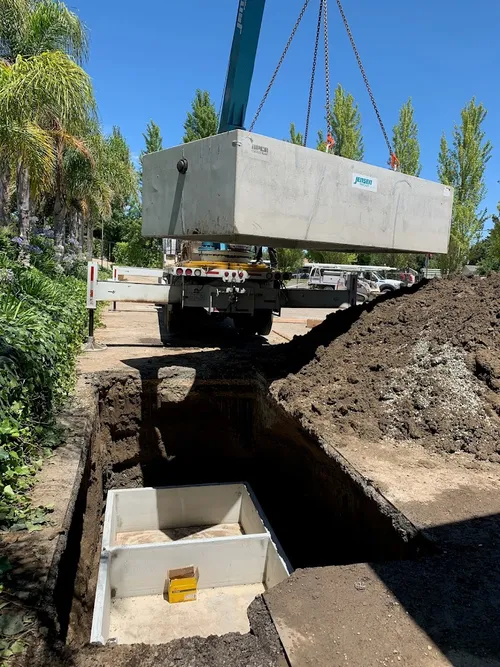
Central Valley Septic Backhoe & Drilling is a septic system contractor serving Stockton, CA, and the surrounding Northern California region. Established in 1992, the company provides residential and commercial septic services including tank installation, pumping, inspection, system repair, and leach line repair. They also offer foundation drilling and backhoe services for various construction needs. Their expertise includes designing and installing septic systems that comply with San Joaquin and Sacramento county codes as well as California state regulations.
Why Regular Septic Pumping is Essential
A septic system is a self-contained wastewater treatment plant on your property. When functioning correctly, it safely processes household water from toilets, showers, sinks, and appliances. Solid waste settles at the bottom of the tank as sludge, while fats and oils float to the top as scum. The liquid effluent in the middle flows out to the drain field for further filtration. Septic tank cleaning is necessary because only the liquid is designed to leave the tank; the solids remain and accumulate over time.
If the sludge and scum layers are not periodically removed via septic tank emptying, they can build up to a point where solids escape into the drain field. This can clog the perforated pipes and the surrounding soil, leading to system failure. Signs of failure include sewage backups into your home, foul odors, and soggy, bright green patches of grass over the drain field. Regular septic system pumping is the most effective and cost-efficient way to avoid these expensive and unsanitary problems.
Recommended Pumping Frequency for Pittsburg Homes
How often you need to schedule septic tank service depends on several factors, including tank size and household usage. A general rule for most households is to pump every 3 to 5 years. However, this is a guideline, and your specific situation may require more frequent attention.
- Standard Households: For a typical family of four with a standard 1,000-gallon tank, pumping every 3 to 5 years is commonly recommended.
- Small Systems or High Usage: A 1,000-gallon tank serving a household of four or more people may require pumping every 2.5 to 3 years. Systems with garbage disposals, which add significant solid waste, also need more frequent septic tank maintenance.
- Low Usage: A one or two-person household with a smaller 500- to 750-gallon tank may successfully extend the interval to around 5 years 1.
- The 3-Inch Rule: A key technical indicator is the scum layer. If the floating scum layer is within 3 inches of the bottom of the inlet baffle (the pipe where wastewater enters the tank), it is definitively time to pump.
The best way to determine your optimal schedule is through a professional inspection, which should be conducted regularly alongside pumping.
The Importance of Professional Septic Inspections
An inspection is more than just checking the sludge level. A comprehensive septic system inspection by a licensed professional evaluates the entire system's health. Annual inspections are recommended for critical components, or at the very least, before every scheduled pumping 2.
A thorough inspection should include:
- Measuring the thickness of sludge and scum layers.
- Checking the integrity of inlet and outlet baffles (which prevent solids from exiting).
- Inspecting the tank structure for cracks or leaks.
- Assessing the drain field for signs of saturation or failure.
- Looking for any unauthorized connections or sources of excess water.
Regular maintenance also involves being vigilant for warning signs like slow-draining fixtures, gurgling pipes, or unpleasant odors around the tank or drain field 3. Proactive inspections can identify small issues before they become major, wallet-draining emergencies.
Find the perfect septic tank pumping contractors for your needs
Get personalized recommendations and expert advice
Understanding Septic Pumping Costs in Pittsburg
The cost for septic tank pumping can vary based on tank size, accessibility, and the amount of accumulated waste. Having a general understanding of local pricing helps homeowners budget for this necessary maintenance.
- Standard Pumping Cost: In Pittsburg, the approximate cost for a standard pumping service is around $350.
- Typical Price Range: Most septic pumping services in the area fall within a range of $250 to $600 4. The final price is influenced primarily by tank capacity (e.g., 1,000-gallon vs. 1,500-gallon).
- Additional Services: A routine inspection may add approximately $200 to the total cost 5. If a system has gone 7 or more years without pumping, the excessive sludge buildup may require more labor or specialized equipment, increasing the price 6. Any needed repairs, of course, would be an additional cost.
While price is a consideration, choosing a qualified, licensed professional is paramount. Proper septic system servicing ensures the job is done correctly and safely, protecting your health and your property's value.
Local Regulations and Best Practices
Contra Costa County, which includes Pittsburg, has specific regulations governing Onsite Wastewater Treatment Systems (OWTS). It is the homeowner's responsibility to ensure their system complies with local codes. For specific permitting, repair, or installation requirements, you should contact the Contra Costa County Environmental Health Division 7.
Beyond pumping, here are key best practices for septic tank care:
- Conserve Water: Spread out laundry loads and fix leaky faucets to avoid overwhelming the system.
- Mind What You Flush: Only human waste and toilet paper should go down the drain. Avoid flushing wipes (even "flushable" ones), feminine hygiene products, dental floss, cooking grease, and chemicals.
- Protect the Drain Field: Never park vehicles or place heavy structures on the drain field. Direct rainwater drainage away from it.
- Keep Records: Maintain a log of all pumping, inspections, and repairs. This is valuable for troubleshooting and is often required if you sell your home.
Staying informed and proactive with your septic maintenance is the most reliable strategy for a long-lasting, trouble-free system.
Frequently asked questions
Sources
Footnotes
-
Maintaining your Septic System A Guide for Homeowners - https://www.ihs.gov/california/tasks/sites/default/assets/File/SFC-MaintainingYourSepticSystemGuide.pdf ↩
-
Septic Tank Certification: What California Homeowners Need to Know - https://www.kgriverside.com/trending/septic-tank-certification-what-california-homeowners-need-to-know ↩
-
Septic Systems | Department of Environmental Protection - https://www.pa.gov/agencies/dep/residents/my-water/septic-systems ↩
-
Understanding the Average Cost to Pump a Septic Tank - https://www.septicblue.com/understanding-the-average-cost-to-pump-a-septic-tank ↩
-
Cost of Septic in Pittsburg, CA - https://pittsburgseptic.com/cost-of-septic-in-pittsburg-ca ↩
-
Septic Pumping Cost by State: 2024 Complete Price Guide - https://wastedoor.com/article/septic-pumping-cost-by-state ↩
-
California Septic Tank Requirements | Onsite Wastewater Treatment Systems - https://www.ntotank.com/blog/california-septic-tank-requirements ↩