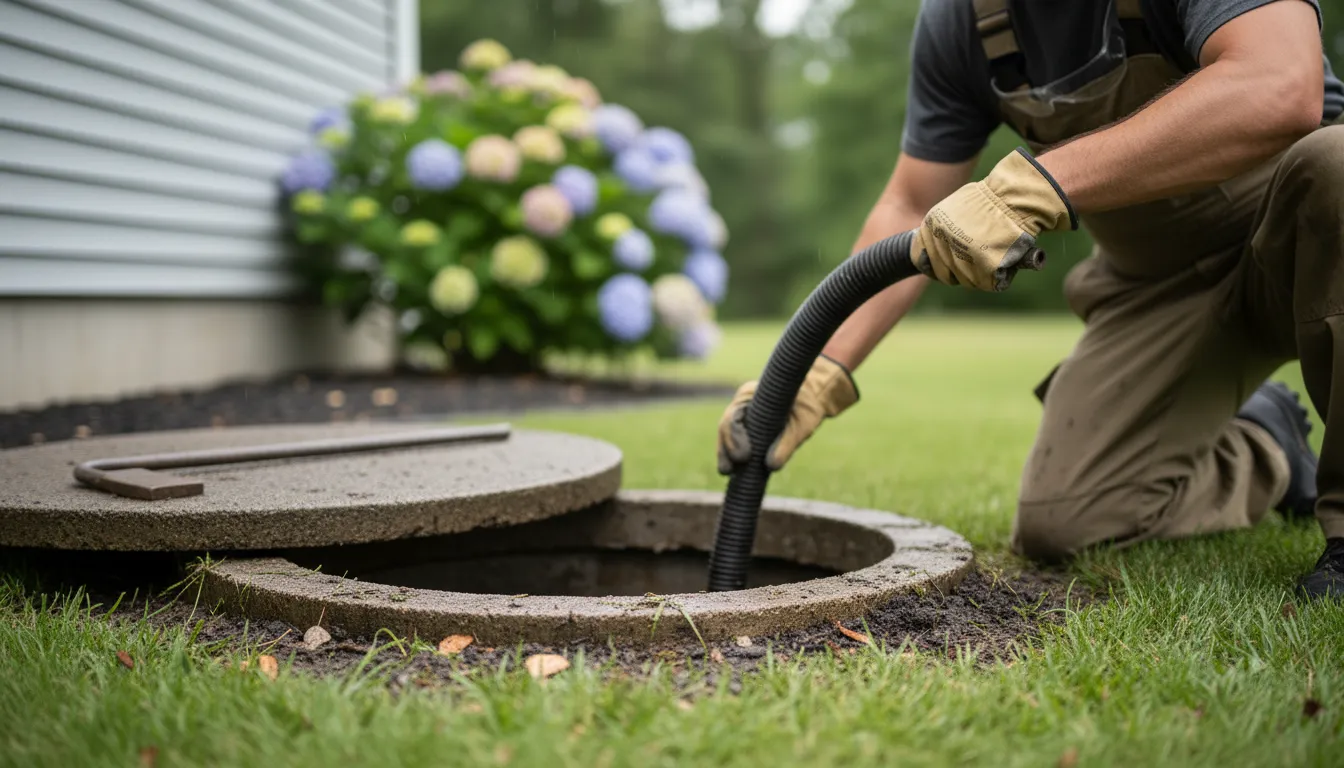
Find the Best Septic Tank Pumping Contractors for Your Business
No obligation • Fast responses • Nationwide coverage

Why you can trust Septic Spot
Septic Spot is a leading United States resource for understanding and comparing septic services. Our editors review providers using consistent criteria and verify key business details. Listings and scores are independent, and companies cannot pay to influence our content.
Search providers near you
Top Septic Tank Pumping Contractors in Pomona, California Ranked
For homeowners in Pomona, a properly functioning septic system is an essential but often overlooked part of your property. Septic tank pumping is the critical process of removing accumulated solids from your tank to prevent system failure, environmental contamination, and costly repairs. This service matters because it protects your family's health, your property value, and the local groundwater. Understanding the recommended schedule, local requirements, and maintenance best practices can help you find a qualified local professional to keep your system running smoothly for years to come.
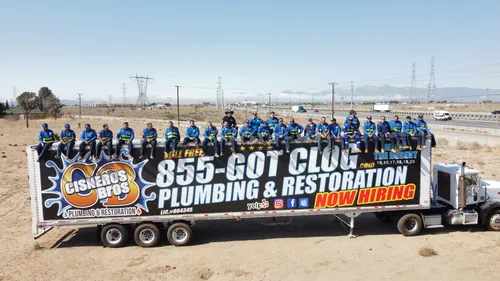
Cisneros Brothers Plumbing, Heating & AC Repair, Water Damage Restoration & Flood Services
6881 Berkshire Ave, Rancho Cucamonga, CA 91701
Cisneros Brothers Plumbing, Heating & AC Repair, Water Damage Restoration & Flood Services provides septic tank pumping and a range of plumbing and restoration services in Fontana, CA. They serve both residential and commercial clients, offering capabilities such as flood damage restoration and septic pumping. With over two decades of experience in the Rancho Cucamonga area, the company emphasizes customer satisfaction and family-oriented service. They also offer 24/7 availability for emergency plumbing and flood restoration needs.
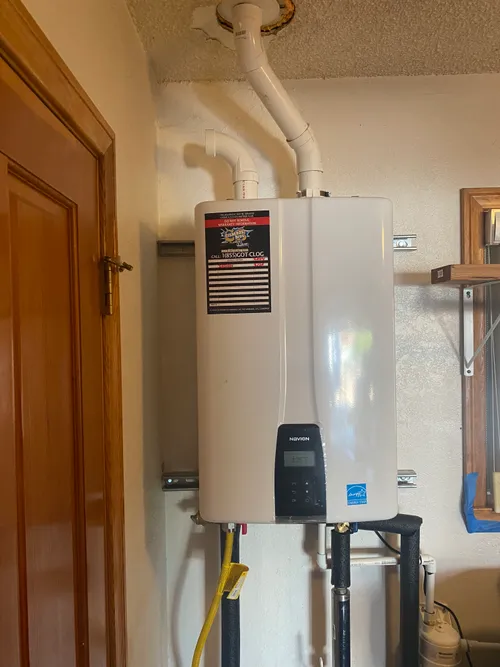
Cisneros Brothers Plumbing, Heating & AC Repair, Water Damage Restoration & Flood Services
11335 Wybourn Ave, Riverside, CA 92503
Cisneros Brothers Plumbing, Heating & AC Repair, Water Damage Restoration & Flood Services offers a range of plumbing, septic, restoration, and flood services in Riverside, CA. They provide residential and commercial plumbing, septic tank pumping, flood damage restoration, and HVAC services including installation, maintenance, and repair. With over 20 years of experience, the company emphasizes customer satisfaction and treats clients like family. They also offer 24/7 emergency service to address urgent plumbing and flood-related needs.
Mr. Rooter Plumbing of Orange County
430 N State College Blvd, Anaheim, CA 92806
Mr. Rooter Plumbing of Orange County is a septic tank pumping company serving Long Beach, CA, and the surrounding Orange County area. They provide a wide range of plumbing services for both residential and commercial customers, including drain cleaning, sewer line repair, and emergency plumbing. One notable capability is their use of HydroScrub Jetting for effective drain cleaning. The company offers 24/7 emergency plumbing services to address urgent issues at any time.

Thompson Family Plumbing & Drain
Long Beach, CA
Thompson Family Plumbing & Drain is a women-owned plumbing company serving Long Beach, CA, with locations in Hesperia, CA and Lake Havasu City, AZ. They offer a range of plumbing services including septic tank pumping and emergency repairs. The company is fully licensed, insured, and certified, providing 24/7 emergency service to address urgent plumbing needs. Their technicians are trained to deliver efficient and lasting solutions, supported by fully stocked trucks for same-day repairs. Thompson Family Plumbing & Drain has been serving customers for over 10 years, emphasizing transparent pricing and customer peace of mind.
Benjamin's Plumbing & Drain Cleaning
5639 Durango Rd, Riverside, CA 92506
Benjamin's Plumbing & Drain Cleaning is a plumbing and septic service provider based in Riverside, CA. They offer a wide range of services including septic tank pumping and repair, sewer and drain cleaning, hydro jetting, trenchless sewer line repair, and commercial plumbing solutions. Their expertise includes sewer and drain video inspections to accurately diagnose issues and trenchless technology to minimize property disruption during repairs. Serving Riverside and surrounding Inland Empire areas, they provide services for residential, commercial, and industrial clients.
Why Regular Septic Maintenance is Non-Negotiable
Your septic system is a mini wastewater treatment plant on your property. When it works, you don't think about it. When it fails, it becomes a disruptive and expensive problem. Regular septic system pumping is the cornerstone of preventative care. It prevents solids from overflowing into the drain field, which can clog the soil and cause sewage to back up into your home or pool on your lawn. In Pomona, adhering to a maintenance schedule isn't just a good idea-it's often a requirement tied to local health codes, especially during property transfers. Proactive care is always more affordable than emergency excavation and drain field replacement.
Recommended Pumping Frequency for Pomona Homes
How often you need to schedule septic tank cleaning depends on several household-specific factors. The general guideline from the U.S. Environmental Protection Agency and industry professionals is to pump your tank every 3 to 5 years. However, this is a starting point. Your actual schedule should be based on:
- Household Size: A small household of two people may extend the interval to 5-7 years with careful use, though many local providers recommend sticking to the 3-5 year window as a safe precaution 1 2. A family of four or more will typically need more frequent service, potentially every 2-3 years.
- Tank Size: Older or smaller tanks (e.g., 1,000 gallons) fill with solids faster than larger modern systems.
- Total Wastewater Generated: High water usage from frequent laundry loads, long showers, and running dishwashers can overwhelm the tank's treatment process, requiring more frequent pumping 3.
- Garbage Disposal Use: Using a garbage disposal significantly increases the amount of solids entering the tank, shortening the time between necessary pump-outs.
The most reliable way to determine your ideal schedule is through a professional inspection, which can gauge the sludge and scum levels in your tank 4.
The Critical Role of Inspections
Think of an inspection as a physical for your septic system. The EPA recommends having your system inspected by a qualified professional every 1 to 3 years5. In Pomona and Los Angeles County, these inspections are particularly crucial. Local health regulations mandate that systems do not create public health nuisances, and an inspection is often a formal requirement during the sale of a property to verify the system is fully functional.
An inspection goes beyond just checking levels. A specialist will look for signs of leaks, assess the integrity of the tank and baffles, and check the drain field for early warning signs of failure. Catching a small issue during an inspection can prevent a catastrophic failure later.
Recognizing the Signs You Need Service Now
Don't wait for a scheduled appointment if you notice any of these red flags. These symptoms indicate your system needs immediate attention, either in the form of pumping, cleaning, or repair:
- Slow Drains: Sinks, tubs, and toilets that drain slowly, especially if multiple fixtures are affected.
- Foul Odors: Unpleasant sewage smells inside your home or around the drain field area in your yard.
- Standing Water: Soggy ground, pooling water, or sewage effluent surfacing over the drain field.
- Unusually Lush Vegetation: Grass over the drain field that is greener and grows faster than the rest of your lawn, indicating a nutrient-rich leak.
- Gurgling Sounds: Strange noises coming from your plumbing.
If you observe any of these signs, contact a septic service provider in Pomona for an immediate inspection 6.
Find the perfect septic tank pumping contractors for your needs
Get personalized recommendations and expert advice
Understanding Costs for Septic Services in Pomona
Being informed about typical costs helps you budget for maintenance and evaluate service quotes. Prices can vary based on tank size, accessibility, and the extent of work required.
- Standard Septic Tank Pumping: For a typical residential tank, you can expect to pay between $300 and $600 in the Pomona area. This is the standard fee for a routine pump-out service.
- Septic System Inspection: A comprehensive inspection typically ranges from $200 to $400.
- Tank-Size Specific Pumping: As a general guide, pumping a 1,000-gallon tank may cost $250-$400, while a 1,500-gallon tank may be $300-$500 7.
- Major Repairs: Significant issues, particularly those involving drain field repair or replacement, are substantially more expensive, often ranging from $2,000 to $6,000 or more8.
Investing in routine pumping and inspection is a minor cost compared to the price of major system rehabilitation.
Daily Habits for a Healthy Septic System
Your daily actions have a direct impact on your system's longevity and how often it needs pumping. Adopting these simple habits can extend the time between service calls and improve overall performance:
- Conserve Water: Fix leaky faucets and toilets promptly. Spread out water-intensive activities like laundry over the week instead of doing multiple loads in one day 9. Use high-efficiency fixtures.
- Mind What You Flush: Your toilet is not a trash can. Never flush non-biodegradable items such as wipes (even "flushable" ones), paper towels, feminine hygiene products, dental floss, or cigarette butts 10 11. Only human waste and toilet paper should go down.
- Be Kitchen Smart: Avoid pouring cooking oils, grease, and fat down the drain, as they can solidify and clog pipes. Minimize the use of a garbage disposal, as it adds excessive solids. Harsh chemicals like bleach, drain cleaners, and antibacterial soaps can kill the beneficial bacteria in your tank that break down waste 12 13.
- Protect Your Drain Field: Never park vehicles or place heavy structures (like sheds) over the drain field. Direct rainwater drainage systems and roof downspouts away from this area to prevent saturation.
Navigating Local Pomona and California Regulations
Septic systems in California are governed by a combination of state law and local county health department guidelines. While the state sets standards for installation and design, enforcement and permitting often fall to local agencies like the Los Angeles County Department of Public Health. For Pomona homeowners, this means:
- Permits are Required: Any new installation, major repair, or modification to your system will require a permit from the local health authority 14.
- Property Transfer Inspections: It is common for a passing inspection to be a contingency during a real estate sale. Sellers are often required to provide proof of a recently pumped and functional system 15.
- System Failure Compliance: If your system fails and creates a public health nuisance, you will be required to repair or replace it to meet current codes.
Working with a licensed, local septic service provider ensures they are familiar with these specific Pomona-area requirements and can help you navigate the permitting process.
Frequently asked questions
Sources
Footnotes
-
How often to pump septic tank family of 2 - https://dillonseptic.com/how-often-to-pump-septic-tank-family-of-2/ ↩
-
How Often Should My Septic Tank Pumped In California - https://www.lanikseptic.com/how-often-should-my-septic-tank-pumped-in-california/ ↩
-
Factors Affecting Pumping Frequency: Septic 101 Proven Guide - https://www.unitedsewerservice.com/factors-affecting-pumping-frequency/ ↩
-
How Often to Pump a Septic Tank - Clear River Environmental - https://clearriverenvironmental.com/how-often-to-pump-a-septic-tank/ ↩
-
Frequent Questions on Septic Systems | US EPA - https://www.epa.gov/septic/frequent-questions-septic-systems ↩
-
How Often Should You Pump Your Septic Tank? - https://tlsepticpumper.com/septic-system-education/how-often-pump-septic-tank/ ↩
-
Optimizing Septic Tank Pumping Frequency for Households - https://www.unitedsewerservice.com/frequency-of-septic-tank-pumping-for-different-household-sizes/ ↩
-
Cost of Septic in Pomona, CA - https://pomonaseptic.com/cost-of-septic-in-pomona-ca ↩
-
Septic Tank Pumping Guide for Families - https://www.benjaminfranklinplumbing.com/league-city/blog/2025/march/how-often-to-pump-septic-tank-family-of-4-essential-maintenance-tips/ ↩
-
How Often to Pump Septic Tank: 2026 Maintenance Guide - https://dandhsepticservices.com/how-often-to-pump-septic-tank/ ↩
-
How Often Should Septic Tank Be Pumped for Optimal Maintenance and Longevity - https://www.splashplumbing.com/how-often-should-septic-tank-be-pumped-for-optimal-maintenance-and-longevity/ ↩
-
How to Care for Your Septic System | US EPA - https://www.epa.gov/septic/how-care-your-septic-system ↩
-
Proper Maintenance of your Septic System | #askthepumperdude ... - https://www.youtube.com/watch?v=03R8lwI-eeE ↩
-
California Septic Tank Requirements | Onsite Wastewater ... - https://www.ntotank.com/blog/california-septic-tank-requirements ↩
-
When is the best time to get septic service in Pomona, CA? - https://pomonaseptic.com/septic-service-schedule-pomona-ca ↩