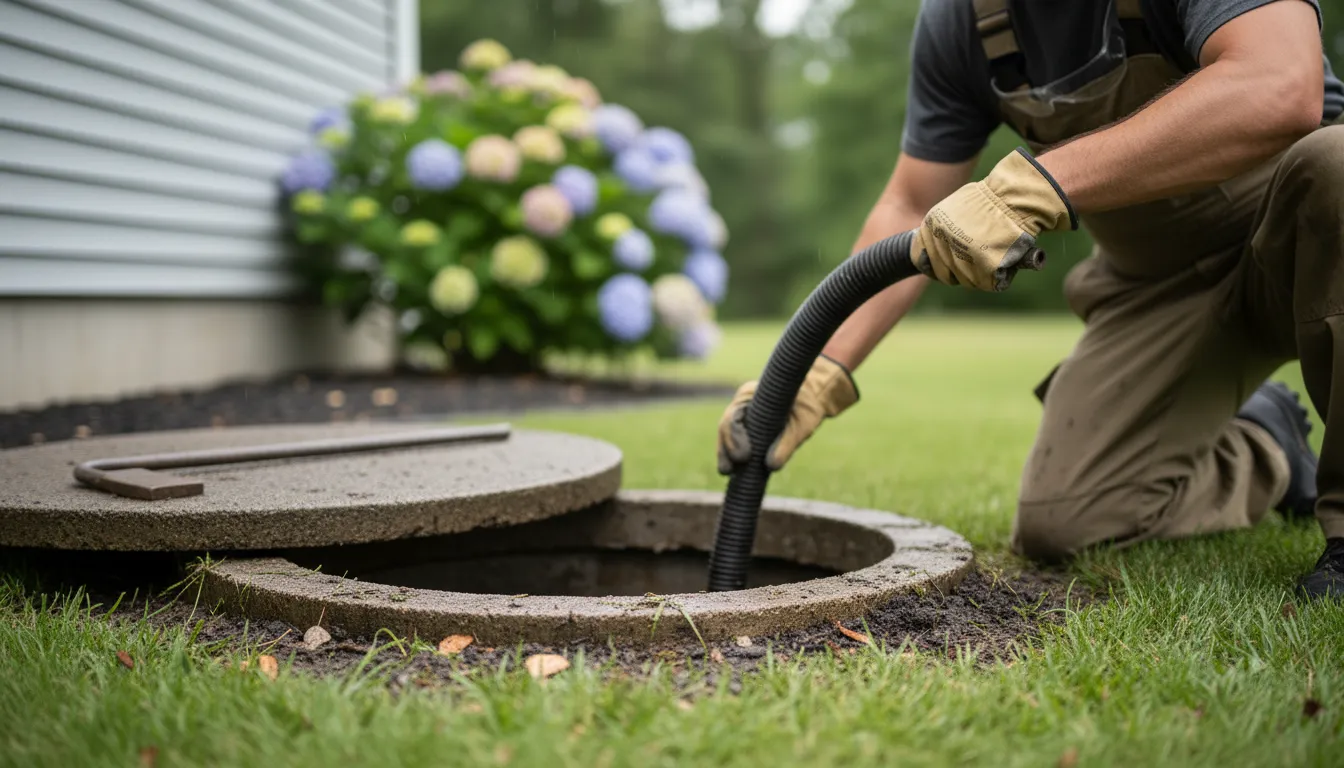
Find the Best Septic Tank Pumping Contractors for Your Business
No obligation • Fast responses • Nationwide coverage

Why you can trust Septic Spot
Septic Spot is a leading United States resource for understanding and comparing septic services. Our editors review providers using consistent criteria and verify key business details. Listings and scores are independent, and companies cannot pay to influence our content.
Search providers near you
Top Septic Tank Pumping Contractors in Rohnert Park, California Ranked
Maintaining your septic system is a critical responsibility for any Rohnert Park homeowner. Septic tank pumping is the essential service of removing accumulated sludge and scum from your tank to prevent system failure, environmental contamination, and costly repairs. This guide explains why regular septic maintenance matters in Sonoma County, outlines local regulations, and helps you understand what to look for when finding a qualified professional to service your onsite wastewater system.
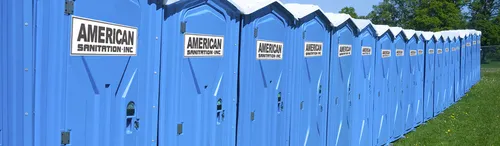
American Sanitation Inc
1729 Action Ave, Napa, CA 94559
American Sanitation Inc is a family-owned business based in Santa Rosa, CA, serving Northern California with portable toilet rentals and septic tank services. They specialize in providing portable toilets for vineyards, construction sites, and special events across multiple cities including Napa, Oakland, and San Francisco. The company offers septic tank pumping services and maintains an after-hours contact number for emergencies.
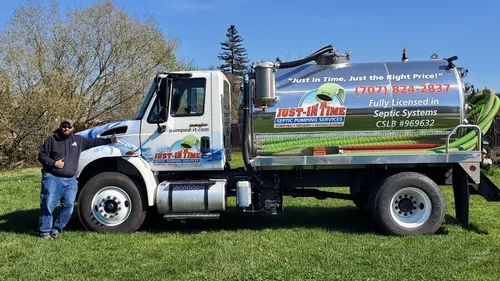
Just-in Time Septic Pumping
Santa Rosa, CA
Just-in Time Septic Pumping is a family-owned septic tank pumping company serving Santa Rosa, CA. With over 20 years of experience, they provide septic pumping and leach field services. The company is licensed and insured, focusing on quality workmanship and reliable scheduling to minimize customer wait times. They offer free consultations and guarantee their workmanship.
Superior Septic Pumping Service
Santa Rosa, CA
Superior Septic Pumping Service is a septic system maintenance and repair company based in Santa Rosa, CA. They offer services including septic pumping, tank cleanouts, repairs, and real estate inspections. With over 20 years of experience, the owner-operated business uses advanced equipment to handle issues such as sludge buildup, cracked pipes, and faulty drain fields. Their team serves Santa Rosa and surrounding areas, providing comprehensive septic solutions to help prevent backups and contamination.
BDK Septic Service
2100 Llano Rd, Santa Rosa, CA 95407
BDK Septic Service is a family-owned company based in Santa Rosa, CA, serving homeowners and businesses throughout Sonoma County. They specialize in septic tank pumping and inspections, offering detailed reports to ensure system functionality and detect any damages. The company is NAWT certified and licensed for a range of services including alarm troubleshooting, line locating, and camera diagnostics. BDK Septic Service is also a certified provider for various pre-treatment septic systems and holds a C-42 contractor license.
Joe's Farmer Septic & Grease Service, INC
Santa Rosa, CA
Joe's Farmer Septic & Grease Service, INC provides septic tank installation, inspection, pumping, and repair services in Santa Rosa, CA. They serve both residential and commercial clients, handling all aspects from soil sampling to system installation while managing permits and building code requirements. Their licensed team uses updated equipment to maintain septic systems, ensuring proper wastewater treatment and drainage. The company also offers emergency septic system inspections for urgent issues.
Understanding Your Septic System in Rohnert Park
A septic system is a self-contained, on-property wastewater treatment plant. In Rohnert Park, where many homes are not connected to municipal sewer lines, these systems are common. Wastewater from your home flows into an underground septic tank, where solids settle as sludge, and fats and oils float as scum. The partially treated liquid (effluent) then exits into a drainfield (or leach field) for further filtration into the soil. Septic tank cleaning is necessary because, over time, the sludge and scum layers build up. If not removed, solids can flow into and clog the drainfield, leading to system backups, soggy yards, and groundwater pollution.
All septic systems in Rohnert Park fall under the jurisdiction of Permit Sonoma, the county's Permit and Resource Management Department. They enforce state and local codes to protect public health and water quality. Following their guidelines isn't just a recommendation; it's a requirement for system owners.
How Often Should You Pump Your Septic Tank?
The most common question homeowners have is about septic tank pumping frequency. While a general national rule exists, your specific schedule depends on several factors unique to your household and property.
- General Guideline: The U.S. Environmental Protection Agency (EPA) and industry professionals recommend pumping your septic tank every 3 to 5 years for a typical single-family home. This is a good starting point for planning and budgeting.
- Official Local Guidance: For Rohnert Park, Permit Sonoma states that septic tanks should be inspected every 1-3 years and pumped every 3-5 years, or when solids exceed 30% of the tank's capacity1. This underscores that an inspection is the only way to know for sure if pumping is needed.
- Key Factors That Increase Frequency:
- Tank Size: A smaller tank will fill with solids faster than a larger one.
- Household Size: More people generate more wastewater and solid waste.
- Water Usage: Excessive water use from long showers, frequent laundry loads, or leaky fixtures overwhelms the system. Using a garbage disposal significantly increases the solid load, requiring more frequent septic tank service.
- Waste Habits: Flushing non-biodegradable items (wipes, feminine products, paper towels) accelerates sludge buildup.
Relying on a "set it and forget it" schedule is risky. The only way to determine the optimal time for septic tank emptying is through a professional inspection that measures the sludge and scum levels.
The Critical Role of Regular Inspections
Think of an inspection as a routine physical for your septic system. It's a proactive measure that can save you tens of thousands of dollars in drainfield replacement costs.
- What an Inspection Involves: A licensed professional will locate and open your tank's access ports. They will use specialized tools to measure the depth of the sludge and scum layers. They will also inspect the tank's structural integrity, check the inlet and outlet tees for blockages, and assess the condition of the effluent filter (if present) 2.
- Why It's Mandated: Permit Sonoma requires routine monitoring by licensed professionals to check for structural integrity and solid buildup. This inspection provides the data needed to decide if pumping is necessary, preventing the "out of sight, out of mind" failure.
- Effluent Filter Maintenance: Most modern systems in Sonoma County, and all new installations, include an effluent filter on the tank's outlet. This filter prevents solids from escaping into the drainfield. Permit Sonoma requires that this filter be cleaned annually 3. This is a simple but vital task often performed during an inspection or pumping visit.
Find the perfect septic tank pumping contractors for your needs
Get personalized recommendations and expert advice
Protecting Your Drainfield: The Most Expensive Component
The drainfield is the most costly part of your system to repair or replace. Proper maintenance extends its life for decades. Pumping the tank is the single best thing you can do to protect it. Beyond that, follow these practices:
- Avoid Compaction: Never drive or park cars, heavy equipment, or build structures (like sheds or patios) over your drainfield. Soil compaction prevents the effluent from properly absorbing and filtering 4 5.
- Divert Water: Ensure roof gutters, sump pumps, and surface runoff are directed away from the drainfield area. Saturated soil cannot accept more wastewater.
- Landscaping Carefully: Plant only grass or shallow-rooted plants over the drainfield. Trees and shrubs with aggressive root systems can infiltrate and damage pipes.
- Conserve Water: Spread out laundry loads, fix leaks promptly, and install water-efficient fixtures to reduce the hydraulic load on the system.
Understanding Septic Service Costs in Rohnert Park
The cost for septic tank pumping can vary. Homeowners should view it as a necessary investment in their property's value and function, not an optional expense.
- Price Range: Nationally and locally, pumping costs typically range from $250 to over $1,200, with many homeowners paying between $400 and $600 for a standard residential tank 6 7.
- What Influences the Price:
- Tank Size and Volume: Larger tanks (1,500+ gallons) cost more to pump than standard 1,000-gallon tanks.
- Tank Access: If the tank's access lids are buried deep or under hardscape (concrete, decks), the provider will need to excavate, adding labor time and cost.
- Location on Property: Easy, direct access for the pump truck keeps costs down.
- Condition of Tank: Excessive sludge buildup or the presence of non-biodegradable materials may require additional effort.
- Additional Services: The total bill often includes the inspection, filter cleaning, and possibly a minor repair, which provides more value than pumping alone.
Always get a detailed, written estimate before work begins. The lowest price may not include a thorough inspection or filter service, which are essential components of proper maintenance.
Choosing a Qualified Septic Service Provider
When it's time for maintenance, selecting the right professional is crucial. Look for a provider who is:
- Licensed and Insured: Ensure they hold a current C-42 or appropriate contractor's license for septic work in California and carry liability insurance.
- Knowledgeable of Local Codes: They should be familiar with Permit Sonoma's specific guidelines and inspection reporting requirements.
- Transparent: They should explain their process, provide a clear estimate, and detail what their service includes (e.g., inspection, measurements, filter cleaning).
- Equipped for the Job: They should use a vacuum truck designed for septic waste and have the tools to properly inspect your system.
A reputable provider will not only pump your tank but will give you a report on its condition and advise you on an appropriate maintenance schedule for your specific household.
Frequently asked questions
Sources
Footnotes
-
WLS-012 Guidelines for Maintaining a Non-Standard Septic System - https://www.permitsonoma.com/instructionsandforms/wls-012guidelinesformaintaininganonstandardsepticsystem ↩
-
Frequent Questions on Septic Systems | US EPA - https://www.epa.gov/septic/frequent-questions-septic-systems ↩
-
How Often to Pump Your Septic Tank? Splash Plumbing's Guide - https://www.splashplumbing.com/how-often-should-septic-tank-be-pumped-for-optimal-maintenance-and-longevity/ ↩
-
The Californian's Guide To Septic Tanks - https://cacciaplumbing.com/blog/california-septic-tank-guide/ ↩
-
How Often Should You Pump Your Septic Tank | Pumping Frequency - https://seaboundseptic.com/septic-services/how-often-should-you-pump-your-septic-tank/ ↩
-
Maintaining your Septic System A Guide for Homeowners - https://www.ihs.gov/california/tasks/sites/default/assets/File/SFC-MaintainingYourSepticSystemGuide.pdf ↩
-
Septic Tank Pumping Cost: Guide & Pricing in 2025 - Splash Plumbing - https://www.splashplumbing.com/how-much-does-it-cost-to-pump-septic-tank-understanding-pricing-and-factors-involved/ ↩