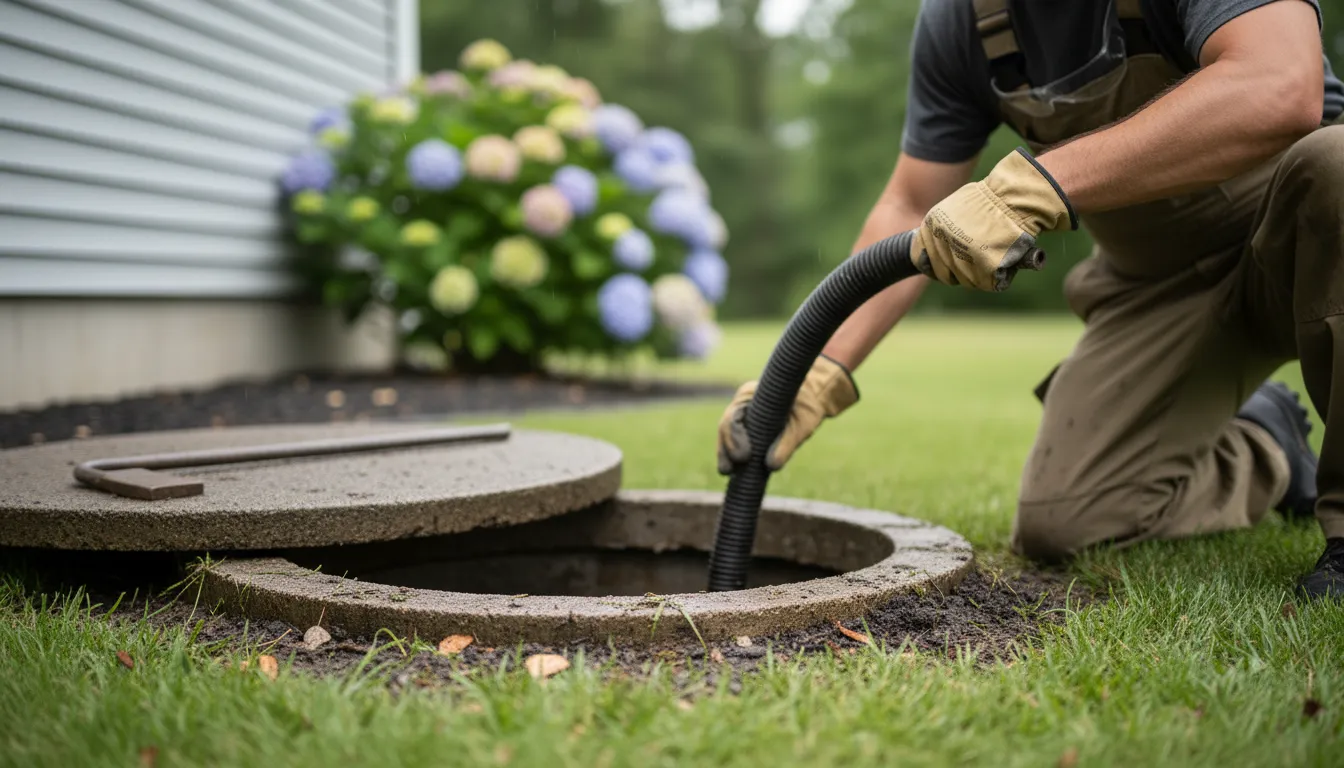
Find the Best Septic Tank Pumping Contractors for Your Business
No obligation • Fast responses • Nationwide coverage

Why you can trust Septic Spot
Septic Spot is a leading United States resource for understanding and comparing septic services. Our editors review providers using consistent criteria and verify key business details. Listings and scores are independent, and companies cannot pay to influence our content.
Search providers near you
Top Septic Tank Pumping Contractors in San Bruno, California Ranked
Maintaining a healthy septic system is a critical responsibility for homeowners in San Bruno. Regular septic tank pumping, also known as tank cleaning or sludge removal, is the cornerstone of this maintenance, preventing system failures, costly repairs, and environmental contamination. This guide explains the local regulations, best practices, and key considerations for septic system maintenance in San Bruno, helping you understand when and how to schedule this essential service with a qualified local professional.
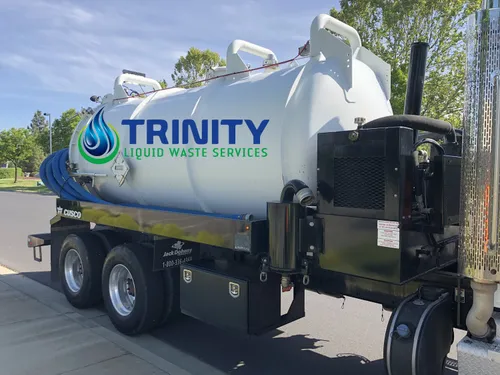
Trinity Liquid Waste Services
San Jose, CA
Trinity Liquid Waste Services provides septic tank pumping, inspection, repair, and maintenance services for residential and commercial clients in San Jose, CA. The family-owned company offers a wide range of septic system solutions including grease trap pumping, sewage ejector tank maintenance, and water jetting to keep systems functioning properly. They also handle storm drain cleaning and provide 24/7 same-day service for urgent septic issues. Their team is experienced in addressing common septic problems caused by household appliance overuse and sediment buildup, helping customers maintain optimal system performance.
PICHANGA PUMPING SERVICE LLC
901 N Rengstorff Ave, Mountain View, CA 94043
PICHANGA PUMPING SERVICE LLC is a family-owned business with over 10 years of experience, serving San Jose, CA. They provide septic tank pumping, inspection, repair, and installation services. The company uses specialized equipment for camera inspections and locating issues within pipes and sewer lines. They also offer restroom rentals. Pichanga Pumping Service provides after-hours and emergency services for added convenience.

A-1 Septic Tank Service Inc
1111 Industrial Pkwy W, Hayward, CA 94544
A-1 Septic Tank Service Inc is a family-owned septic tank pumping company serving San Jose, CA, and the greater San Francisco Bay Area. They provide septic and non-hazardous pumping services, including grease trap and storm drain cleaning. With over 70 years of experience, A-1 Septic Tank Service Inc has established a long history in the industry.

American Eagle Plumbing & Construction
5441 Victoria Ln, El Sobrante, CA 94803
American Eagle Plumbing & Construction is a licensed, bonded, and insured plumbing and construction company based near Berkeley, CA. Serving the East Bay, Peninsula, North Bay, South Bay, and San Francisco, they provide a full range of plumbing, sewer, septic system inspection, pumping, and repair services for residential, commercial, and municipal clients. With over 26 years of experience since 2001, the company specializes in trenchless sewer repair and works closely with PG&E and local municipalities to ensure code compliance and efficient project approvals. Their licensed plumbers are available 24/7 for emergency plumbing services.
Understanding Your Septic System and Local Oversight
A septic system is an on-site wastewater treatment system common in areas not served by municipal sewer lines. It consists of a septic tank, where solids settle and begin to decompose, and a leach field (or dispersal field), where the treated liquid effluent is safely absorbed into the soil. In San Bruno, all septic systems are regulated by San Mateo County Environmental Health Services. This agency enforces guidelines to prevent public health nuisances and protect local groundwater from contamination. While the county may not set a rigid, universal pumping schedule for every home, it strictly enforces performance standards, making proactive maintenance through regular pumping and inspection a necessity, not an option.
Recommended Pumping Frequency for San Bruno Homes
How often you need to schedule septic tank pumping depends on several household factors. Adhering to these guidelines is the best way to ensure system longevity.
- General Guideline: The standard recommendation is to have your septic tank pumped every 3 to 5 years.
- High-Usage Situations: If your household uses a garbage disposal, has a large family, or the system has a smaller-than-average tank, more frequent pumping-every 1 to 3 years-is strongly advised.
- The 30-50% Rule: A practical rule of thumb is to pump the tank when solids (sludge and scum) occupy between 30% and 50% of the tank's total volume 1.
- Annual Inspections: To avoid guessing, an annual inspection by a professional is recommended to monitor solids levels and catch potential issues early before they become failures.
The Inspection Process: More Than Just Pumping
A proper septic service visit involves much more than just removing waste. When a certified contractor pumps your tank, they should also conduct a thorough visual inspection.
- Tank Inspection: The professional will inspect the tank itself for structural damage, corrosion, leaks, and inlet/outlet blockages.
- Leach Field Evaluation: The dispersal field must be checked for signs of failure, such as surfacing sewage, overly saturated soil, or unpleasant odors.
- Mandatory Point-of-Sale Inspection: California law requires that septic systems be inspected by a licensed professional prior to the transfer of a property. Sellers are responsible for revealing any issues found during this inspection 2.
- County Reporting: After pumping and inspection, the contractor is required to submit a written report to San Mateo County Environmental Health within 30 days, so always ensure you receive a copy for your records 3.
Choosing a Certified Service Provider
This is not a job for a general handyman. All septic tank pumping and cleaning in San Bruno must be performed by a contractor certified by San Mateo County Environmental Health Services 4 5. Hiring a certified professional ensures the work is done correctly, safely, and in compliance with all local regulations. These providers have the expertise to properly handle and dispose of septage and can provide the necessary documentation for county reporting.
Find the perfect septic tank pumping contractors for your needs
Get personalized recommendations and expert advice
Key Maintenance Tips for System Health
Beyond scheduling regular pumping, homeowners can take several steps to protect their investment and avoid emergencies.
- Ensure Accessibility: All septic system components, including the tank lid and inspection ports, must be easily accessible for maintenance. If your tank is buried deeply, it is highly recommended to install risers, which bring the access points to just below ground level, making future service much easier and less costly 6.
- Practice Water Conservation: Reducing overall water use lessens the load on your system. Fix leaky faucets and toilets promptly, and spread out laundry loads throughout the week instead of doing many loads in one day.
- Mind What You Flush: Never treat your toilet like a trash can. Prohibited substances include chemicals (paints, solvents, pesticides), grease, coffee grounds, feminine hygiene products, diapers, wipes (even those labeled "flushable"), and other non-biodegradable items.
- Care with Garbage Disposals: Using a garbage disposal significantly increases the amount of solids entering your tank, necessitating more frequent pumping. Consider composting food scraps as an alternative.
- Protect the Leach Field: Never drive or park vehicles over the leach field, and avoid planting trees or deep-rooted shrubs nearby. If your system has dual leach fields, it is recommended to switch between them every 6 to 12 months to allow each field to rest and recover 7.
Understanding Costs and Avoiding Major Repairs
Proactive maintenance is always more affordable than emergency repairs or full system replacement.
- Pumping/Cleaning Costs: In California, the typical cost for professional septic tank pumping ranges from $300 to $500, depending on tank size and accessibility.
- Inspection Costs: A standalone inspection, often required for real estate transactions, generally ranges from $50 to $150.
- Replacement Costs: The consequence of neglect can be severe. Replacing a failing septic system, including a new tank and leach field, can cost between $3,000 to $10,000 or more, depending on soil conditions and system design 8 9.
Investing in regular pumping and inspections is the most effective way to avoid these staggering replacement costs and ensure your system functions properly for decades.
Final Recommendations for San Bruno Homeowners
- Locate Your System: Know where your tank and leach field are located. Your home's "as-built" diagram, often filed with the county, can help.
- Schedule an Inspection: If you're unsure of your tank's status, schedule an inspection with a certified provider to get a baseline assessment.
- Keep Records: Maintain a log of all pumping, inspections, and repairs. This is invaluable for troubleshooting and is essential if you decide to sell your home.
- Contact the County: For the most official, up-to-date guidance specific to your property, contact San Mateo County Environmental Health Services at (650) 372-6200 or visit their website 10.
Frequently asked questions
Sources
Footnotes
-
The Californian's Guide To Septic Tanks - https://cacciaplumbing.com/blog/california-septic-tank-guide/ ↩
-
Point of Sale Septic Inspections: What to Expect - https://westcoastsanitationinc.com/point-of-sale-septic-inspections-what-to-expect/ ↩
-
The Californian's Guide To Septic Tanks - https://cacciaplumbing.com/blog/california-septic-tank-guide/ ↩
-
Land Use, Septic & Wells - San Mateo County Health - https://www.smchealth.org/landuse ↩
-
How Often to Pump Your Septic Tank? Splash Plumbing's Guide - https://www.splashplumbing.com/how-often-should-septic-tank-be-pumped-for-optimal-maintenance-and-longevity/ ↩
-
The Californian's Guide To Septic Tanks - https://cacciaplumbing.com/blog/california-septic-tank-guide/ ↩
-
res_79-5.pdf - California State Water Resources Control Board - https://www.waterboards.ca.gov/rwqcb2/water_issues/programs/planningtmdls/basinplan/web/res/res_79-5.pdf ↩
-
How Often Should My Septic Tank Pumped In California - https://www.lanikseptic.com/how-often-should-my-septic-tank-pumped-in-california/ ↩
-
Maintaining your Septic System A Guide for Homeowners - https://www.ihs.gov/california/tasks/sites/default/assets/File/SFC-MaintainingYourSepticSystemGuide.pdf ↩
-
Land Use, Septic & Wells - San Mateo County Health - https://www.smchealth.org/landuse ↩