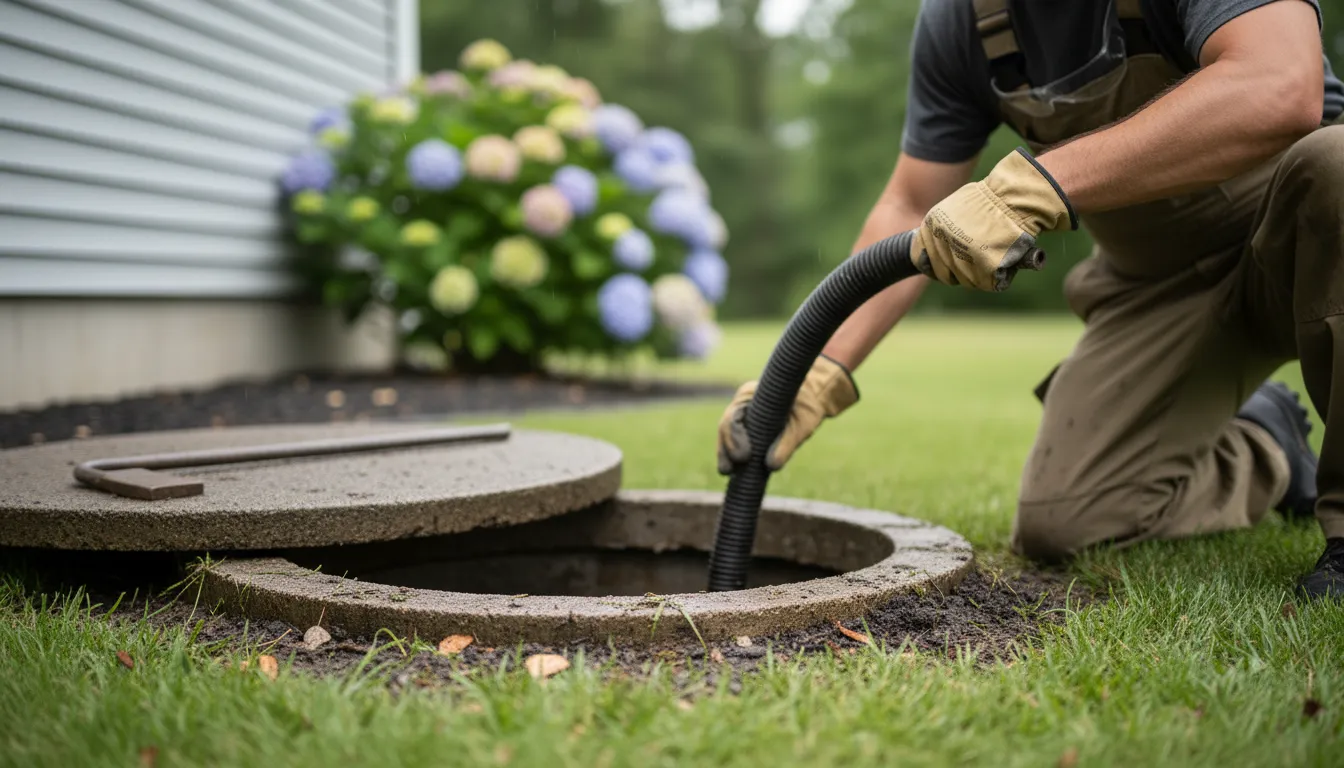
Find the Best Septic Tank Pumping Contractors for Your Business
No obligation • Fast responses • Nationwide coverage

Why you can trust Septic Spot
Septic Spot is a leading United States resource for understanding and comparing septic services. Our editors review providers using consistent criteria and verify key business details. Listings and scores are independent, and companies cannot pay to influence our content.
Search providers near you
Top Septic Tank Pumping Contractors in Santa Clara, California Ranked
Maintaining your septic system is a crucial responsibility for any homeowner not connected to a municipal sewer line. Septic tank pumping is the essential service of removing accumulated solids and scum from your tank to prevent system failure, environmental contamination, and costly repairs. For residents of Santa Clara, understanding local regulations and finding reliable professionals for this vital maintenance task ensures your system operates safely and efficiently for years to come. This guide will help you understand the process, timing, and key considerations for septic system maintenance in our area.

Roto-Rooter Plumbing & Water Cleanup
2078 Walsh Ave c1, Santa Clara, CA 95050
Roto-Rooter Plumbing & Water Cleanup offers a wide range of plumbing services in San Jose, CA, including septic tank pumping, drain cleaning, sewer line repair, and water heater maintenance. They serve both residential and commercial customers, addressing issues from clogged drains to sewer line inspections using video camera technology and trenchless repair methods. The company is available 24/7 for emergency plumbing services, ensuring assistance whenever urgent problems arise.
Wade's Plumbing & Septic
San Jose, CA
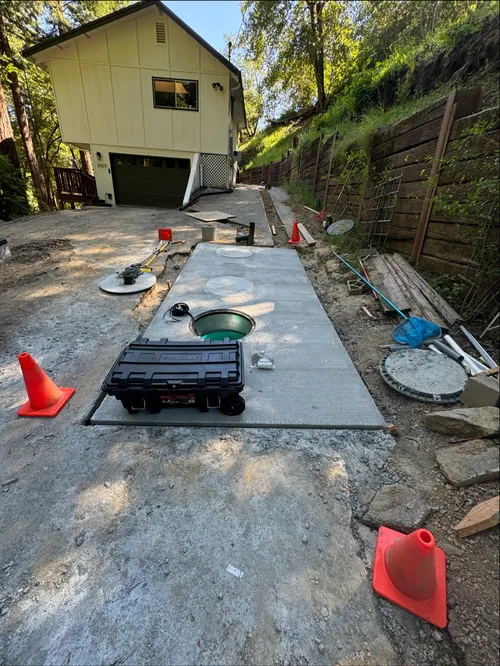
Wade's Plumbing & Septic is a family-owned company serving San Jose, CA, and licensed in California and Georgia. They specialize in septic tank pumping, inspection, repair, and installation, with a focus on enhanced treatment systems designed for challenging sites such as steep slopes, limited space, and environmentally sensitive areas. Their services include plumbing repairs and preventative maintenance, delivered by licensed professionals since 2021. Wade's offers upfront flat-rate pricing and emphasizes honest recommendations without upselling. They operate during regular business hours on weekdays.
Trinity Liquid Waste Services
San Jose, CA
Trinity Liquid Waste Services provides septic tank pumping, inspection, repair, and maintenance services for residential and commercial clients in San Jose, CA. The family-owned company offers a wide range of septic system solutions including grease trap pumping, sewage ejector tank maintenance, and water jetting to keep systems functioning properly. They also handle storm drain cleaning and provide 24/7 same-day service for urgent septic issues. Their team is experienced in addressing common septic problems caused by household appliance overuse and sediment buildup, helping customers maintain optimal system performance.
PICHANGA PUMPING SERVICE LLC
901 N Rengstorff Ave, Mountain View, CA 94043
PICHANGA PUMPING SERVICE LLC is a family-owned business with over 10 years of experience, serving San Jose, CA. They provide septic tank pumping, inspection, repair, and installation services. The company uses specialized equipment for camera inspections and locating issues within pipes and sewer lines. They also offer restroom rentals. Pichanga Pumping Service provides after-hours and emergency services for added convenience.
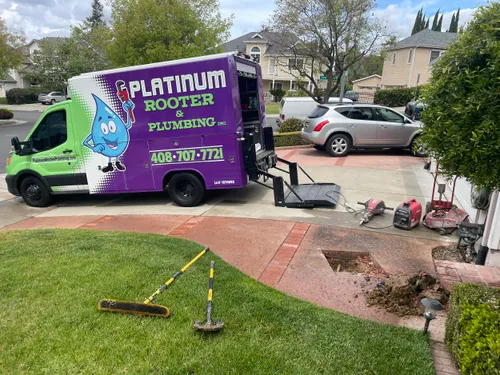
Platinum Rooter Plumbing and Septic Inc.
San Jose, CA
Platinum Rooter Plumbing and Septic Inc. is a septic tank pumping company based in San Jose, CA. They provide installation, cleaning, and maintenance services for septic tanks, grease traps, and water heaters. Serving areas from Gilroy to Livermore, they handle a range of plumbing issues from minor leaks to full pipeline replacements. The company offers hydro jetting services and is available 24/7 for emergency plumbing needs. With over 15 years in business, Platinum Rooter Plumbing and Septic Inc. emphasizes quick response times and honest pricing.
Why Regular Septic Maintenance is Essential
Your septic system is a silent workhorse, treating all the wastewater from your home. When functioning properly, it protects your family's health and the local environment. Neglecting routine septic tank pumping, however, can lead to a cascade of problems. Solids that are not removed can flow into the drain field, clogging the soil and causing sewage to back up into your home or pool on your lawn. This creates a health hazard, can damage your property, and often requires a very expensive drain field replacement. Proactive maintenance is always more affordable than emergency repairs.
Understanding Your Septic System
Before scheduling a pump-out, it helps to know what you're maintaining. A standard septic system has two main parts:
- The Septic Tank: A buried, watertight container typically made of concrete, fiberglass, or polyethylene. Here, wastewater from your home settles. Heavy solids (sludge) sink to the bottom, oils and grease (scum) float to the top, and the relatively clear liquid (effluent) in the middle flows out to the drain field.
- The Drain Field: A shallow, covered excavation where the effluent is discharged. The soil acts as a natural filter, removing harmful bacteria, viruses, and nutrients before the water rejoins the groundwater.
The goal of septic tank cleaning is to remove the built-up sludge and scum before they have a chance to escape the tank and destroy the drain field.
How Often Should You Pump Your Septic Tank in Santa Clara?
The most common question homeowners have is about frequency. While the general rule for septic tank service is every 3 to 5 years 1 2, this is not a one-size-fits-all schedule. In Santa Clara County, local guidelines recommend an annual inspection of sludge and scum levels, with pumping typically needed every 3 to 5 years 3.
Several key factors influence how often your specific system needs attention:
- Household Size: More people generate more wastewater and solids. A family of six will need more frequent pumping than a single occupant.
- Tank Size: A smaller tank (e.g., 750-gallon) fills with solids faster than a larger one (e.g., 1,500-gallon).
- Water Usage: Excessive water use from laundry, long showers, or leaky fixtures can overwhelm the tank, not allowing solids enough time to settle.
- Garbage Disposal Use: Using a garbage disposal significantly increases the amount of solids entering the tank, requiring more frequent pump-outs.
A professional inspection is the best way to determine need. A common guideline is that pumping is required when the combined sludge and scum layer exceeds 25% of the tank's liquid capacity 4 5.
The Septic Pumping Process: What to Expect
Knowing what happens during a septic tank pumping can make the service less mysterious. Here's a typical process:
- Locating & Accessing the Tank: The technician will locate the tank's manhole covers. It's helpful if you know where they are and ensure they are accessible.
- Inspecting the System: Before pumping, a good professional will inspect the tank's inlet and outlet baffles, look for cracks or leaks, and check the general structural integrity 6 7.
- Pumping the Tank: Using a large vacuum truck, all liquid and solid waste is pumped out from the tank. The goal is to remove the contents completely.
- Proper Waste Disposal: In Santa Clara County, this is a regulated step. The waste must be transported by a licensed hauler to an approved treatment or disposal facility. Always verify your provider is properly licensed.
- Final Check: The technician may briefly run water from your home to confirm the inlet and outlet are flowing correctly after the service.
Find the perfect septic tank pumping contractors for your needs
Get personalized recommendations and expert advice
Local Regulations and Environmental Stewardship
Santa Clara County has specific regulations governing onsite wastewater systems to protect public health and water quality. The County Department of Environmental Health requires that septic tank waste be removed by approved transporters and disposed of at approved facilities 8. This ensures contaminants are properly treated and don't pollute local waterways or groundwater. As a homeowner, you are responsible for the proper operation and maintenance of your system. Adhering to the recommended inspection and pumping schedule is a key part of being an environmentally responsible resident.
Cost of Septic Tank Pumping in Santa Clara
The cost for septic system pumping can vary. On average, homeowners can expect to pay between $200 and $1,237 for this service, with many paying in the $400 to $424 range 9 10 11. Several factors influence the final price:
- Tank Size and Volume: Larger tanks cost more to pump.
- Tank Accessibility: If the tank is buried deep, hard to find, or blocked by landscaping, the job will take longer and may cost more.
- Amount of Sludge: Tanks that are severely overdue for service may require extra time and handling.
- Additional Services: Costs will increase if repairs, a detailed inspection report, or filter cleaning are needed.
While price is a consideration, the quality of service, proper licensing, and responsible waste disposal are paramount. The cheapest option may not comply with county regulations, potentially leaving you liable.
Choosing a Service Provider in Santa Clara
Selecting the right professional for your septic tank maintenance is critical. Look for these qualifications:
- County Licensing: Ensure the company is licensed by Santa Clara County for liquid waste transportation 12.
- Experience & Reputation: Look for established companies with positive reviews and a history of service in the area.
- Comprehensive Service: A good provider will do more than just pump; they should inspect baffles, tanks, and components, and provide you with a report.
- Transparency: They should be able to explain what they are doing, why, and provide a clear, upfront estimate.
- Proof of Disposal: Don't hesitate to ask for documentation that waste was disposed of at an approved facility.
Maintaining Your System Between Pumpings
To extend the time between pump-outs and keep your system healthy:
- Conserve Water: Fix leaks and spread out laundry loads to avoid overloading the system.
- Mind What You Flush: Only human waste and toilet paper should go down the toilet. Avoid flushing wipes (even "flushable" ones), feminine hygiene products, dental floss, and chemicals.
- Use the Trash Can: Avoid using your garbage disposal excessively. Compost food scraps instead.
- Protect Your Drain Field: Never park or drive over it, and plant only grass over it. Keep roof drains and sump pumps directed away from the area.
Frequently asked questions
Sources
Footnotes
-
Septic Pumping in Boulder Creek, CA - https://www.petesoutflow.com/how-septic-systems-work ↩
-
How Often Should You Pump Your Home Septic Tank? - https://www.wrenvironmental.com/blog/2018/january/how-often-should-you-pump-your-home-septic-tank-/ ↩
-
How Often Should My Septic Tank Pumped In California - https://www.lanikseptic.com/how-often-should-my-septic-tank-pumped-in-california/ ↩
-
Septic Systems | Department of Environmental Protection - https://www.pa.gov/agencies/dep/residents/my-water/septic-systems ↩
-
Pumping & Maintenance Tips - Septic Treatment - https://www.sosonsiteca.net/resources/pumping-maintenance-tips ↩
-
Septic Tanks - Preventative Routine Maintenance - https://des.sc.gov/permits-regulations/septic-tanks/homeowner-resources/septic-tanks-preventative-routine-maintenance ↩
-
Untitled - https://www.waterboards.ca.gov/centralcoast/board_info/agendas/2006/feb/item14/item14_attachment1.pdf ↩
-
santa clara county department of environmental health regulations ... - https://files.santaclaracounty.gov/exjcpb1761/migrated/Regulations-Guidance-Sheet-For-Septic-Tank_SWP-092.pdf ↩
-
Septic Tank Pumping Cost: Guide & Pricing in 2025 - Splash Plumbing - https://www.splashplumbing.com/how-much-does-it-cost-to-pump-septic-tank-understanding-pricing-and-factors-involved/ ↩
-
How much does it cost to pump a septic tank - Cinch Home Services - https://www.cinchhomeservices.com/homeowners/blog/how-much-does-it-cost-to-pump-a-septic-tank ↩
-
Septic Tank Pumping Cost: Guide & Pricing in 2025 - https://www.splashplumbing.com/how-much-does-it-cost-to-pump-septic-tank-understanding-pricing-and-factors-involved/ ↩
-
Septic Tank Pumping and Liquid Waste Transport - https://www.scceh.com/Portals/6/App%20B%20%20Chapter%207%2042%20-%20Septic%20Tank%20Pumping%20and%20Liquid%20Waste%20Transport-%208_2_2021%20v2_1.pdf ↩