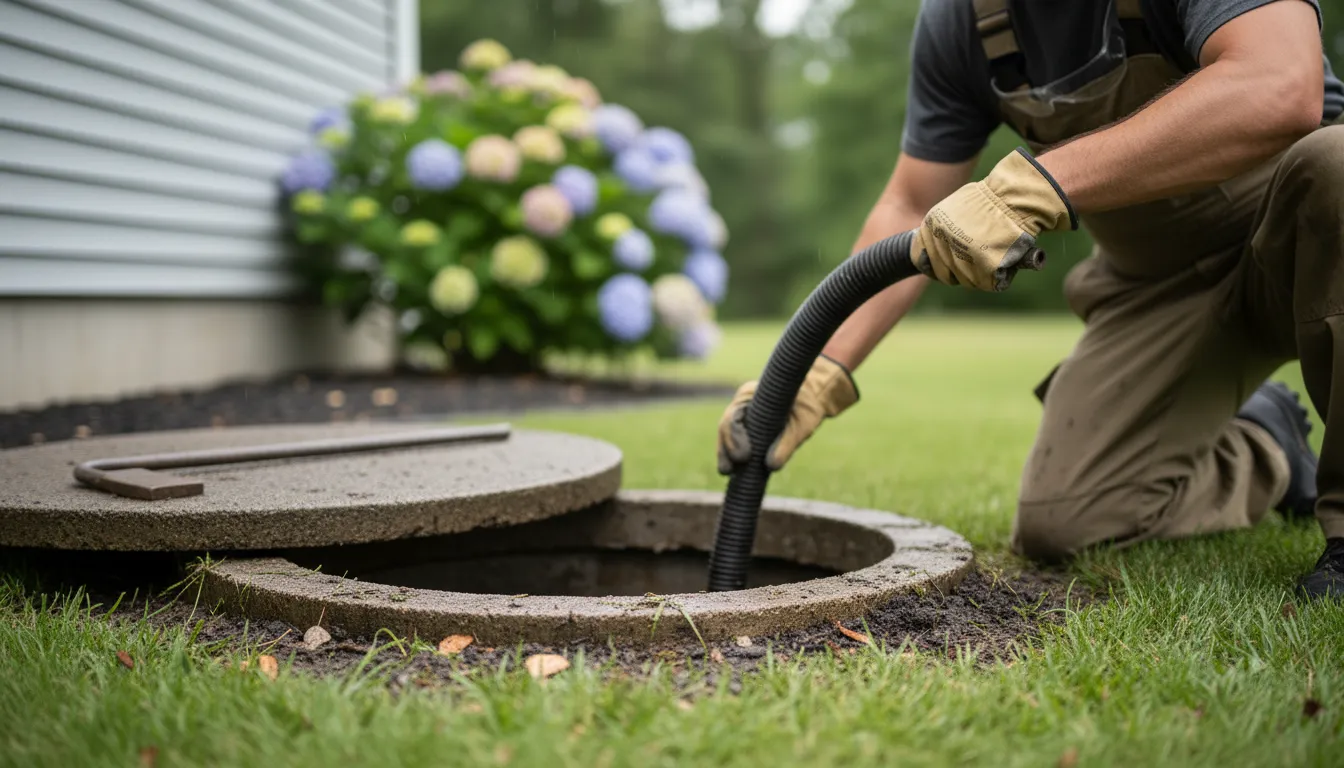
Find the Best Septic Tank Pumping Contractors for Your Business
No obligation • Fast responses • Nationwide coverage

Why you can trust Septic Spot
Septic Spot is a leading United States resource for understanding and comparing septic services. Our editors review providers using consistent criteria and verify key business details. Listings and scores are independent, and companies cannot pay to influence our content.
Search providers near you
Top Septic Tank Pumping Contractors in Santa Clarita, California Ranked
Maintaining a healthy septic system is a crucial responsibility for homeowners in Santa Clarita. Regular septic tank pumping is the cornerstone of this maintenance, preventing backups, protecting your property value, and safeguarding local groundwater quality. This guide explains the importance of septic system cleaning, outlines local requirements, and helps you understand what to expect when scheduling service for your home.
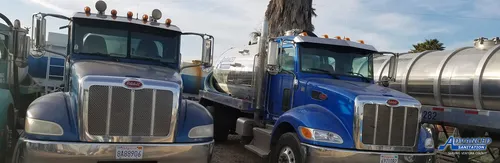
Advanced Sanitation - Septic Tank Pumping, Installation & Repair Ventura County
3379 Somis Rd Unit E, Somis, CA 93066
Advanced Sanitation - Septic Tank Pumping, Installation & Repair Ventura County provides septic system services in Los Angeles, CA, and surrounding areas including Ventura County and nearby cities. They offer septic tank pumping, installation, inspection, and repairs, as well as grease trap maintenance. The company uses modern equipment such as advanced camera technology for system inspections and works with registered geological engineers for septic system design and installation. With over 30 years of experience, Advanced Sanitation serves both residential and commercial clients and offers flexible hours to accommodate business schedules.
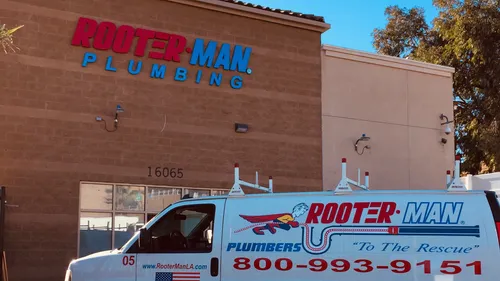
Sewer Man Septic Tank Pumping
16065 Foothill Blvd # B, Sylmar, CA 91342
Sewer Man Septic Tank Pumping provides septic tank pumping, cleaning, inspection, repair, and installation services in Los Angeles, CA. They use specialized equipment such as vacuum trucks and high-pressure water jets to maintain and clean septic systems, helping prevent backups and slow drainage. The company offers emergency septic pumping services for urgent needs and serves a wide range of nearby communities. Sewer Man Septic Tank Pumping is experienced in handling various septic system maintenance tasks to support property owners in the Los Angeles area.
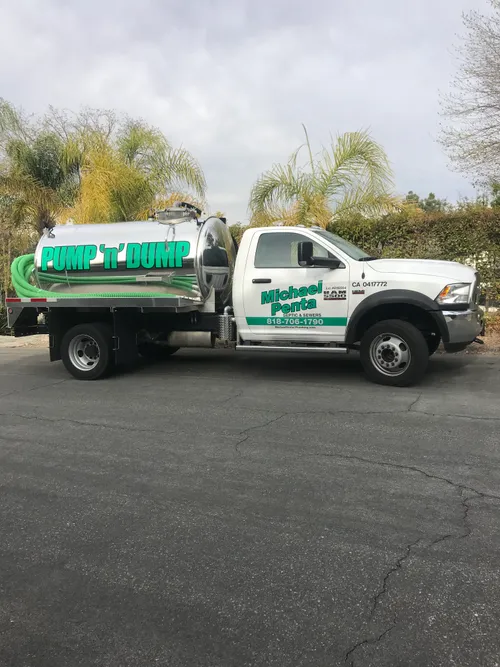
Michael Penta Septic Tank Pumping
Los Angeles, CA
Michael Penta Septic Tank Pumping provides a range of septic services in Los Angeles, CA, including septic tank pumping, installation, inspection, and repair. The company also handles drain field repairs, sewage ejection pump services, and sewer line replacements. Their expertise includes advanced capabilities such as camera inspections for leaks and cracks, soil analysis for leach line repair, and installation of micro septic systems that treat wastewater to a higher quality. They ensure compliance with local regulations and offer comprehensive maintenance to extend the life of septic systems.
Septic Tank Pumping Rode Inc
14648 Sylvan St suite 107, Van Nuys, CA 91411
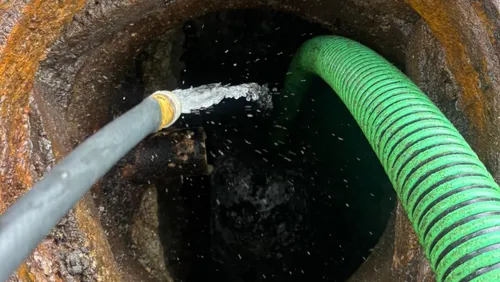
Septic Tank Pumping Rode Inc provides septic tank pumping and inspection services in Los Angeles, CA. They offer a full range of solutions including emergency pumping, routine maintenance, and detailed system inspections to maintain septic system health and environmental safety. Their certified technicians use advanced pumping technology to deliver efficient waste removal and thorough system care, suitable for medium to large properties. The company emphasizes compliance with local standards and offers 24/7 emergency response to address urgent septic issues promptly.
Conejo Bros Plumbing
1386 Del Verde Ct, Thousand Oaks, CA 91320
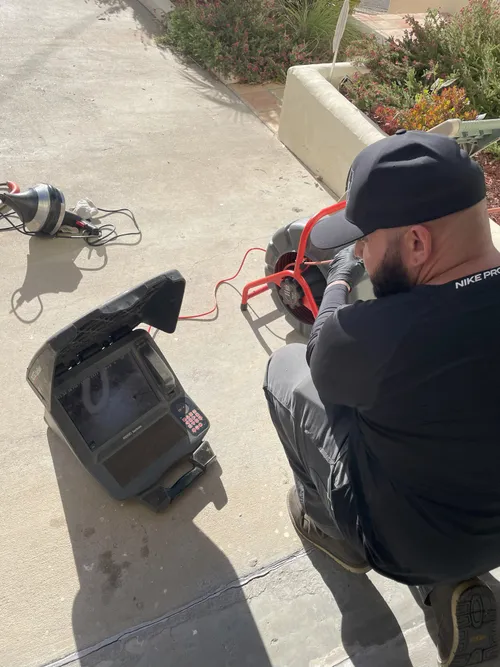
Conejo Bros Plumbing is a septic tank and plumbing service provider based in Oxnard, CA. They offer a wide range of services including septic tank inspection, pumping, repair, and replacement, as well as sewer mainline inspection and trenchless sewer and drain repair. Their capabilities include advanced trenchless pipe relining techniques that allow for pipe repairs without extensive digging, preserving property landscapes. Serving both residential and commercial clients throughout Ventura County and Conejo Valley, Conejo Bros Plumbing also provides 24/7 support for clearing blockages and other urgent plumbing needs.
Why Regular Septic Maintenance is Essential
A septic system is an on-site wastewater treatment plant for your property. When functioning correctly, it safely processes all the water and waste from your home. The tank itself holds solids, allowing them to break down, while liquid effluent flows out to the drain field. Over time, however, sludge and scum accumulate. If these layers become too thick, solids can escape into the drain field, causing costly and unsanitary failures. Regular pumping removes these accumulations, keeping the entire system in balance. For Santa Clarita residents, this is especially important to comply with Los Angeles County environmental health standards and to prevent any public nuisance or water quality issues 1 2 3.
How Often Should You Pump Your Septic Tank in Santa Clarita?
The standard recommendation for most households is to schedule septic tank pumping every 3 to 5 years 4 5 6. However, this is a general guideline. Several factors specific to your home can necessitate more frequent service:
- Household Size and Water Usage: Larger families or homes with high water consumption (from frequent laundry, long showers, etc.) fill the tank faster, requiring more frequent pumping.
- Tank Size: Smaller tanks (under 1,000 gallons) fill with solids more quickly and often need pumping every 1-3 years.
- Garbage Disposal Use: Using a garbage disposal frequently significantly increases the amount of solids entering the tank, accelerating sludge buildup.
- Overall System Age and Condition: Older systems or those with a history of issues may benefit from more attentive maintenance schedules.
A professional inspection is the best way to determine your tank's specific needs. Many providers recommend an inspection every 1 to 3 years to check sludge levels and overall system health, which then informs the optimal pumping schedule 7 8.
Understanding the Septic Pumping Process
Knowing what to expect can make scheduling service smoother. A standard septic pumping service typically involves:
- Locating and Uncovering the Tank: The technician will find the tank's access lids, which homeowners are encouraged to keep accessible and mapped for future reference 9.
- Initial Inspection: Before pumping, a quick visual check of the inlet and outlet baffles and the general tank condition is often performed.
- Pumping: A large truck with a vacuum hose removes all the liquid and solid waste from the tank.
- System Rinse and Final Check: The tank interior may be rinsed with water to help break up remaining solids, and the pumping process is observed to ensure everything is flowing correctly. The technician will also note the sludge and scum levels to advise on your next service interval.
- Closure and Cleanup: The access lids are securely replaced, and the work area is cleaned up.
Find the perfect septic tank pumping contractors for your needs
Get personalized recommendations and expert advice
What Influences the Cost of Septic Pumping?
In Santa Clarita, the cost to pump a septic tank can vary. The primary factor is the tank's size and capacity. Here's a general breakdown of what you might expect 10 11 12:
- Small Tanks (under 1,000 gallons): $250 - $350
- Medium Tanks (1,000 - 1,500 gallons): $300 - $400
- Large Tanks (1,500 - 2,000+ gallons): $400 - $500+
The average cost for a standard residential system often falls in the $400-$450 range. Additional costs can arise if the tank is difficult to locate or access, if the lids are buried deep, or if additional repairs or inspections are requested during the service.
Proactive Tips for a Healthy Septic System
Pumping is vital, but day-to-day habits extend your system's life between services.
- Conserve Water: Spread out laundry loads and fix leaky faucets to avoid hydraulically overloading the system.
- Mind What You Flush: Only human waste and toilet paper should go down the drain. Avoid flushing wipes (even "flushable" ones), feminine hygiene products, dental floss, cooking grease, and chemicals.
- Landscape Carefully: Don't plant trees near the drain field, as roots can infiltrate and damage pipes. Also, keep heavy vehicles off the tank and drain field area to prevent soil compaction and pipe damage.
- Keep Records: Maintain a file with your septic system's design, inspection reports, and pumping history. This is invaluable for troubleshooting and if you sell your home.
Recognizing Signs You Need Service Sooner
Don't wait for a full-blown failure. Contact a professional if you notice:
- Slow drains or gurgling plumbing fixtures throughout the house.
- Unpleasant sewage odors around your yard, especially near the tank or drain field.
- Sewage backing up into household drains.
- Exceptionally lush, green grass or soggy, wet spots over the drain field.
- The tank itself has not been pumped or inspected in over five years.
Local Regulations and Environmental Stewardship
Santa Clarita and Los Angeles County have regulations to ensure septic systems do not contaminate groundwater or create health hazards. The L.A. County Department of Environmental Health oversees these systems, and failure to maintain your system can result in violations. Regular pumping and inspection are not just about home maintenance; they are part of being a responsible community member, protecting the watershed and environment that make the area beautiful.
Frequently asked questions
Sources
Footnotes
-
Frequent Questions on Septic Systems | US EPA - https://www.epa.gov/septic/frequent-questions-septic-systems ↩
-
requirements-procedures-private-water-wells. ... - DPH - http://ph.lacounty.gov/eh/docs/permit/requirements-procedures-private-water-wells.pdf ↩
-
California Septic Tank Requirements | Onsite Wastewater ... - https://www.ntotank.com/blog/california-septic-tank-requirements ↩
-
Septic Systems | Department of Environmental Protection - https://www.pa.gov/agencies/dep/residents/my-water/septic-systems ↩
-
How Often Should My Septic Tank Pumped In California - https://www.lanikseptic.com/how-often-should-my-septic-tank-pumped-in-california/ ↩
-
Maintaining Your Septic System - https://www.snohd.org/682/Maintaining-Your-Septic-System ↩
-
Septic Tanks - Preventative Routine Maintenance - https://des.sc.gov/permits-regulations/septic-tanks/homeowner-resources/septic-tanks-preventative-routine-maintenance ↩
-
Septic Tank Cleaning & Pumping Company Riverside - https://frankspumping.com/ ↩
-
Pumping & Maintenance Tips - Septic Treatment - https://www.sosonsiteca.net/resources/pumping-maintenance-tips ↩
-
Cost to Pump Septic Tank: Tips to Save on Cleaning Fees - https://ivanssiteservices.com/blog/cost-to-pump-septic-tank-what-to-expect-and-how-to-save/ ↩
-
How Much Does It Cost to Pump a Septic Tank? [2026 Data] | Angi - https://www.angi.com/articles/how-much-does-septic-tank-pumping-cost.htm ↩
-
Septic Tank Pumping Cost: Guide & Pricing in 2025 - Splash Plumbing - https://www.splashplumbing.com/how-much-does-it-cost-to-pump-septic-tank-understanding-pricing-and-factors-involved/ ↩