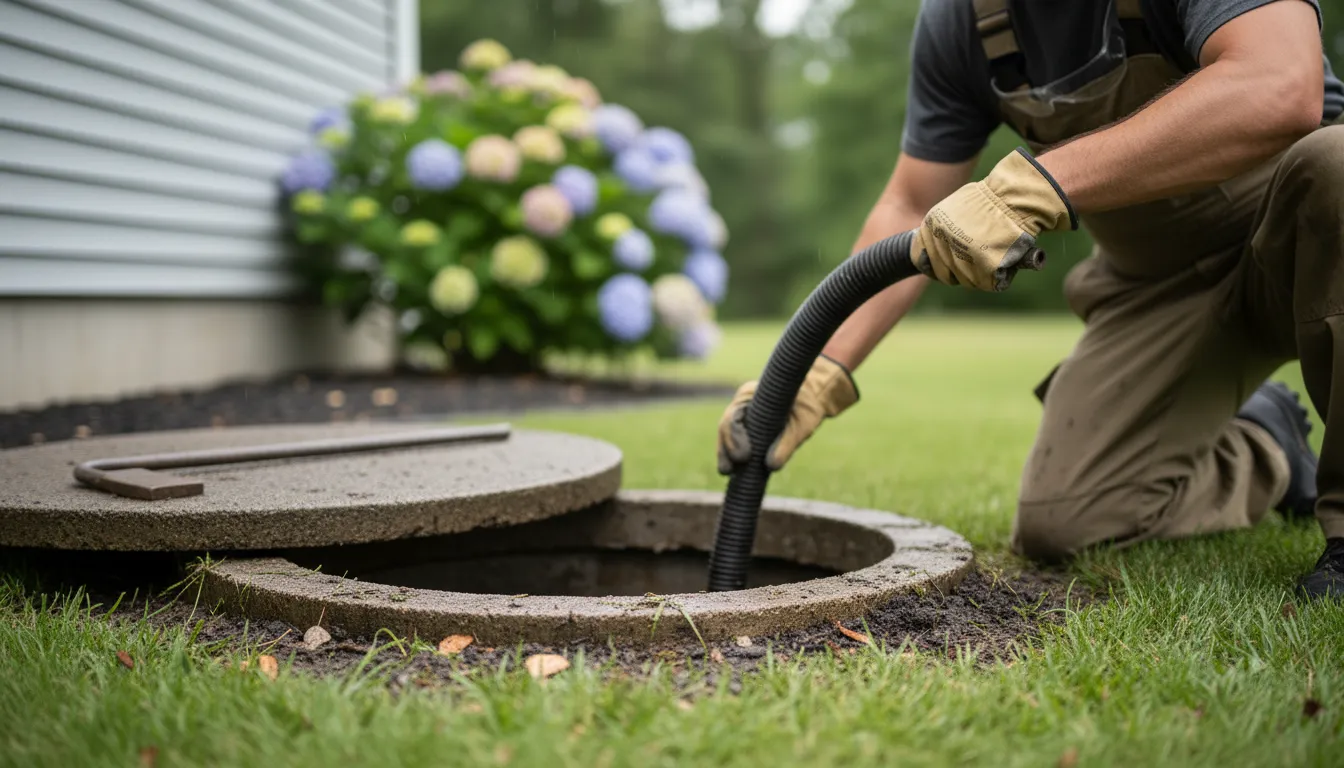
Find the Best Septic Tank Pumping Contractors for Your Business
No obligation • Fast responses • Nationwide coverage

Why you can trust Septic Spot
Septic Spot is a leading United States resource for understanding and comparing septic services. Our editors review providers using consistent criteria and verify key business details. Listings and scores are independent, and companies cannot pay to influence our content.
Search providers near you
Top Septic Tank Pumping Contractors in Santa Monica, California Ranked
Maintaining a healthy septic system is a critical responsibility for homeowners not connected to a municipal sewer line. Septic tank pumping is the essential process of removing accumulated solids from your tank to prevent system failure, environmental contamination, and costly repairs. For Santa Monica residents, understanding local guidelines and finding a reliable service provider ensures your system functions properly and protects both your property and the surrounding coastal environment. This guide provides the information you need to schedule maintenance, understand costs, and connect with qualified local professionals for your septic service needs.

High Speed Rooter & Plumbing
3831 Arden Dr, El Monte, CA 91731
High Speed Rooter & Plumbing is a septic tank pumping and repair company based in Los Angeles, CA. They provide comprehensive septic system services, including routine maintenance and complex repairs, using advanced technology and certified master plumbers. Their fully stocked trucks and state-of-the-art equipment enable efficient service delivery. The company also offers professional gas line installation and repair. High Speed Rooter & Plumbing provides 24/7 emergency services to address urgent plumbing and septic issues promptly.
Sewer Man Septic Tank Pumping
16065 Foothill Blvd # B, Sylmar, CA 91342
Sewer Man Septic Tank Pumping provides septic tank pumping, cleaning, inspection, repair, and installation services in Los Angeles, CA. They use specialized equipment such as vacuum trucks and high-pressure water jets to maintain and clean septic systems, helping prevent backups and slow drainage. The company offers emergency septic pumping services for urgent needs and serves a wide range of nearby communities. Sewer Man Septic Tank Pumping is experienced in handling various septic system maintenance tasks to support property owners in the Los Angeles area.
Michael Penta Septic Tank Pumping
Los Angeles, CA
Michael Penta Septic Tank Pumping provides a range of septic services in Los Angeles, CA, including septic tank pumping, installation, inspection, and repair. The company also handles drain field repairs, sewage ejection pump services, and sewer line replacements. Their expertise includes advanced capabilities such as camera inspections for leaks and cracks, soil analysis for leach line repair, and installation of micro septic systems that treat wastewater to a higher quality. They ensure compliance with local regulations and offer comprehensive maintenance to extend the life of septic systems.
New Image Plumbing & Rooter
1527 E Washington Blvd, Pasadena, CA 91104
New Image Plumbing & Rooter is a septic tank pumping company serving Los Angeles, CA, and nearby communities including Pasadena, La Cañada Flintridge, and Arcadia. They provide a wide range of plumbing services such as drain cleaning, sewer line repair, water heater installation, gas line plumbing, and septic tank maintenance. The company emphasizes eco-friendly solutions, including water conservation fixtures and energy-efficient plumbing systems. Their team is licensed and insured, offering 24/7 emergency plumbing services to address urgent needs promptly. With a family-oriented approach and partnerships with manufacturers like A.O. Smith and Raypak, New Image Plumbing & Rooter combines expertise with community care to deliver tailored plumbing solutions.
Septic Tank Pumping Rode Inc
14648 Sylvan St suite 107, Van Nuys, CA 91411
Septic Tank Pumping Rode Inc provides septic tank pumping and inspection services in Los Angeles, CA. They offer a full range of solutions including emergency pumping, routine maintenance, and detailed system inspections to maintain septic system health and environmental safety. Their certified technicians use advanced pumping technology to deliver efficient waste removal and thorough system care, suitable for medium to large properties. The company emphasizes compliance with local standards and offers 24/7 emergency response to address urgent septic issues promptly.
Understanding Your Septic System in Santa Monica
A septic system is an on-site wastewater treatment structure, typically consisting of a tank and a drain field. All household wastewater flows into the septic tank, where solids settle to the bottom as sludge, and oils and grease float to the top as scum. The liquid effluent in the middle layer then exits into the drain field for further filtration into the soil. Over time, the sludge and scum layers build up. If not removed through regular septic tank cleaning, they can overflow into the drain field, causing clogs, backups, and system failure.
In Santa Monica and throughout Los Angeles County, these systems are overseen by the County Department of Public Health. Proper maintenance isn't just a recommendation; it's a requirement to comply with state and local regulations designed to protect groundwater and public health 1 2.
How Often Should You Pump Your Septic Tank?
The frequency of septic system pumping is not one-size-fits-all. While a common benchmark is every 3 to 5 years, several factors specific to your household determine the ideal schedule.
- Household Size and Water Usage: More people in a home generally means more wastewater, which can fill the tank faster.
- Tank Size: The capacity of your tank is a primary factor. A smaller tank serving a large family will need more frequent attention.
- Volume of Solids: Garbage disposals significantly increase the amount of solids entering the tank, potentially requiring more frequent septic tank maintenance.
For the average Santa Monica household, pumping every 3-5 years is standard 3. However, a small tank or a large family may necessitate service every 1-2 years 4. The most reliable method is to have your tank inspected annually. A professional can measure the sludge and scum layers; a general rule is to pump when the combined total fills more than one-third of the tank's capacity 5 6 7. Waiting longer than 5 years is not advised, as it dramatically increases the risk of a costly system failure 4.
The Importance of Regular Inspection
Scheduling a routine inspection is just as important as the pump-out itself. Experts recommend an inspection every 1-3 years 8. A comprehensive inspection by a licensed professional includes:
- Sludge and Scum Level Measurement: Determining the exact need for pumping.
- Structural Integrity Check: Ensuring the tank is watertight with no cracks or leaks.
- Baffle and Outlet Inspection: Verifying that inlet and outlet baffles are intact to prevent solids from escaping into the drain field.
- Drain Field Assessment: Checking for signs of failure, such as soggy ground or unpleasant odors.
This proactive approach of septic system inspection can identify minor issues before they escalate into emergencies, saving you significant money and hassle.
What to Expect: The Pumping Process
When you hire a professional for septic tank service, here's a general overview of the process:
- Locating and Uncovering: The technician will locate your tank and dig to expose the access lids.
- Initial Inspection: The lids are opened to visually assess the contents and check for structural issues.
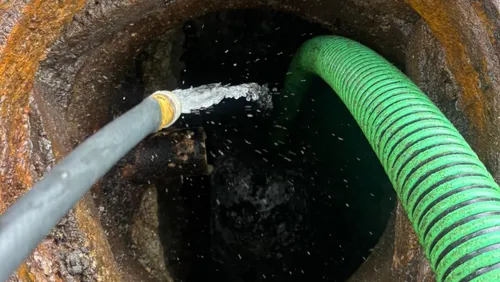
- Pumping: A large vacuum truck (sometimes called a "honey wagon") is used to remove all liquid and solid waste from the tank.
- Tank Rinsing: High-pressure water may be used to rinse the tank walls and break up remaining solids, which are then pumped out.
- Final Inspection: After pumping, the technician can perform a more thorough inspection of the empty tank's interior and components.
- System Closure and Cleanup: The lids are securely replaced, the area is cleaned, and the soil is backfilled.
A reputable provider will handle all necessary permits and ensure the collected waste is disposed of at an approved treatment facility.
Find the perfect septic tank pumping contractors for your needs
Get personalized recommendations and expert advice
Understanding Costs for Septic Tank Pumping in Santa Monica
The cost for septic tank emptying in the Los Angeles area can vary based on several key factors. On average, homeowners can expect to pay between $340 and over $1,000 for the service 9.
Primary Cost Factors:
- Tank Size: This is the biggest determinant. Pumping a standard 1,000-gallon tank typically ranges from $340 to $400 10 11. Larger tanks cost more.
- Accessibility: If the tank is buried deep, under a hardscape like concrete, or in a difficult-to-reach area of the yard, the job will require more labor and time, increasing the price.
- Condition and Volume of Waste: Tanks that have been neglected for many years may have excessive, hardened sludge, requiring more effort to break up and remove.
- Additional Services: Costs will be higher if the service includes a full inspection, drain field evaluation, or minor repairs.
While price is a consideration, the expertise and licensing of the provider are paramount. A low price from an unqualified individual could lead to improper servicing or damage to your system.
Choosing a Qualified Service Provider in Santa Monica
Selecting the right professional is crucial for your system's longevity. Here are key points to consider:
- Licensing and Insurance: Always verify that the company is licensed by the state of California and carries adequate liability insurance.
- Local Experience: Choose a provider familiar with Santa Monica and Los Angeles County regulations, soil conditions, and permitting processes.
- References and Reviews: Check online reviews and ask for references from past customers.
- Detailed Estimates: A trustworthy company will provide a clear, written estimate that outlines all costs, including potential charges for difficult access or extra waste volume.
- Post-Service Documentation: You should receive a detailed report of the service performed, including sludge levels measured and any observations about your system's condition.
Routine maintenance by a qualified professional is your best defense against the stress and expense of a septic system failure.
Maintaining Your System Between Pumpings
Proper day-to-day care extends the time between necessary pumpings and protects your drain field.
- Conserve Water: Fix leaks and spread out laundry loads to avoid overwhelming the system.
- Mind What You Flush: Only human waste and toilet paper should go down the drain. Avoid flushing wipes (even "flushable" ones), feminine hygiene products, dental floss, diapers, and cooking grease.
- Use Garbage Disposals Sparingly: Composting food scraps is better for your septic system.
- Landscape Carefully: Don't plant trees near the drain field, as roots can invade and damage pipes. Also, avoid driving or parking heavy vehicles over the tank or drain field area.
By following these guidelines and adhering to a regular inspection and pumping schedule, you can ensure your Santa Monica septic system operates reliably for years to come.
Frequently asked questions
Sources
Footnotes
-
California Septic Tank Requirements | Onsite Wastewater ... - https://www.ntotank.com/blog/california-septic-tank-requirements ↩
-
Onsite Wastewater Information (Septic Systems) - https://www.waterboards.ca.gov/centralcoast/water_issues/programs/septics/ ↩
-
Frequent Questions on Septic Systems | US EPA - https://www.epa.gov/septic/frequent-questions-septic-systems ↩
-
How Often Should My Septic Tank Pumped In California - https://www.lanikseptic.com/how-often-should-my-septic-tank-pumped-in-california/ ↩ ↩2
-
Septic Systems | Department of Environmental Protection - https://www.pa.gov/agencies/dep/residents/my-water/septic-systems ↩
-
Maintaining Your Septic System - https://www.snohd.org/682/Maintaining-Your-Septic-System ↩
-
Pumping & Maintenance Tips - Septic Treatment - https://www.sosonsiteca.net/resources/pumping-maintenance-tips ↩
-
Septic Tank Certification: What California Homeowners Need to Know - https://www.kgriverside.com/trending/septic-tank-certification-what-california-homeowners-need-to-know ↩
-
Common Septic Tank Repairs In California (& What They Cost) - https://cacciaplumbing.com/blog/common-septic-tank-repairs-in-california/ ↩
-
Los Angeles Septic Systems Costs & Prices - ProMatcher Cost Report - https://septic-systems.promatcher.com/cost/los-angeles-ca-septic-systems-costs-prices.aspx ↩
-
Septic Tank Pumping Cost: Guide & Pricing in 2025 - Splash Plumbing - https://www.splashplumbing.com/how-much-does-it-cost-to-pump-septic-tank-understanding-pricing-and-factors-involved/ ↩