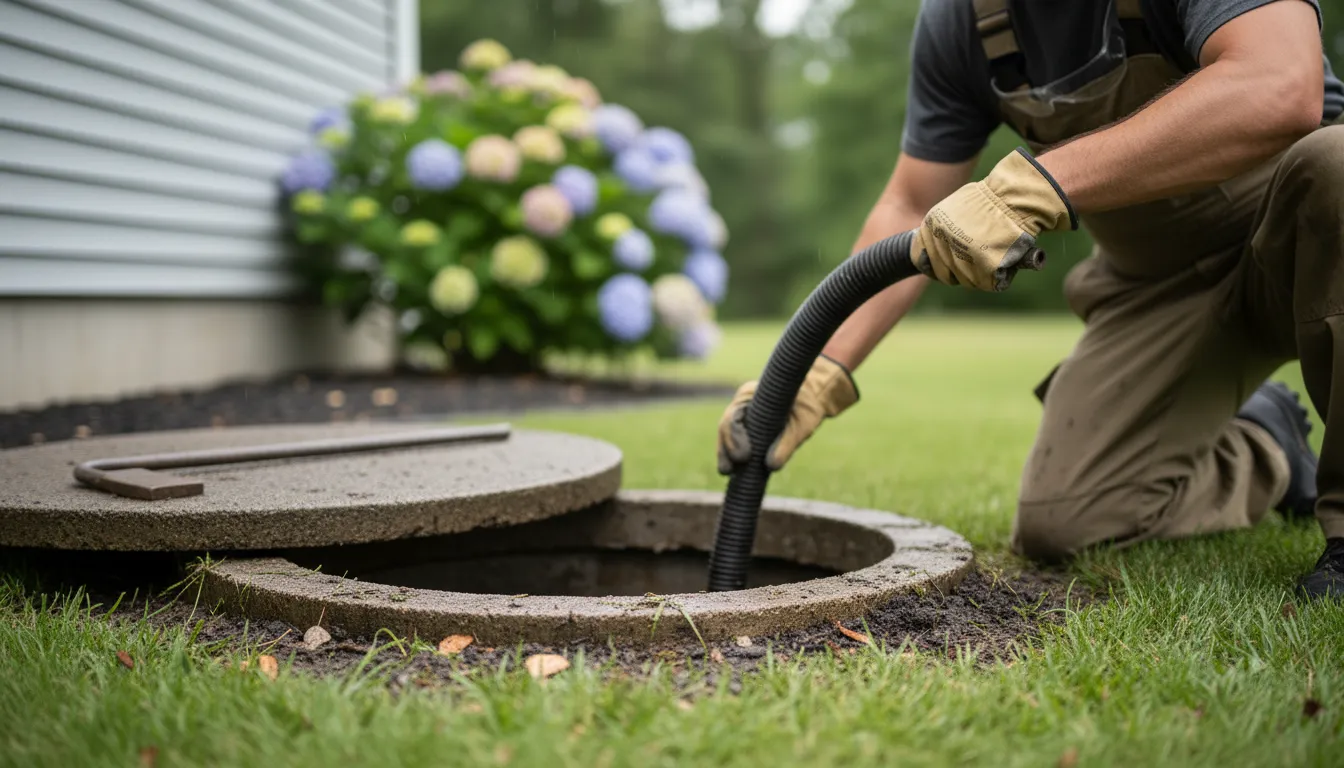
Find the Best Septic Tank Pumping Contractors for Your Business
No obligation • Fast responses • Nationwide coverage

Why you can trust Septic Spot
Septic Spot is a leading United States resource for understanding and comparing septic services. Our editors review providers using consistent criteria and verify key business details. Listings and scores are independent, and companies cannot pay to influence our content.
Search providers near you
Top Septic Tank Pumping Contractors in Santee, California Ranked
Maintaining your septic system is a crucial responsibility for any homeowner not connected to a municipal sewer line. Septic tank pumping is the essential service of removing accumulated solids and scum from your tank to prevent backups, costly repairs, and environmental contamination. For Santee residents, understanding local guidelines and finding reliable service providers ensures your system functions properly for years to come. This resource helps you navigate the process, from knowing when to schedule service to understanding what it entails.
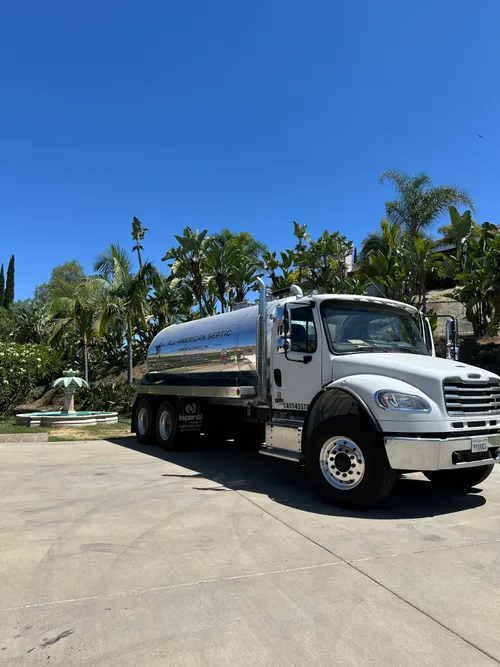
All-American Septic Pumping & Services, Inc
29105 Valley Center Rd Suite 115, Valley Center, CA 92082
All-American Septic Pumping & Services, Inc provides septic tank pumping, inspection, and repair services in Los Angeles, CA. They assist with maintaining and repairing septic systems to ensure proper function and compliance with local standards. Customers can conveniently book appointments online.
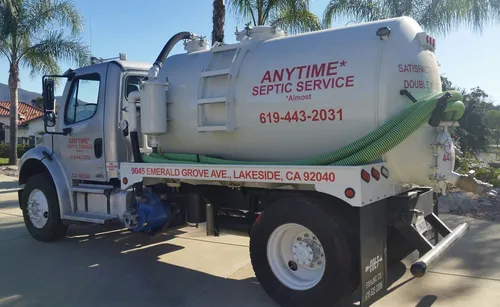
Anytime Septic Service
8867 Gardena Rd, Lakeside, CA 92040
Anytime Septic Service is a family-owned company serving San Diego, CA, with over 55 years of experience in septic system care. They provide septic tank pumping, inspection, repairs, and installation across multiple local communities including El Cajon, Lakeside, La Mesa, and others. The team uses modern techniques and equipment to ensure septic systems function properly, offering thorough visual inspections and detailed explanations of their findings. They also provide after-hours emergency service for urgent septic needs.
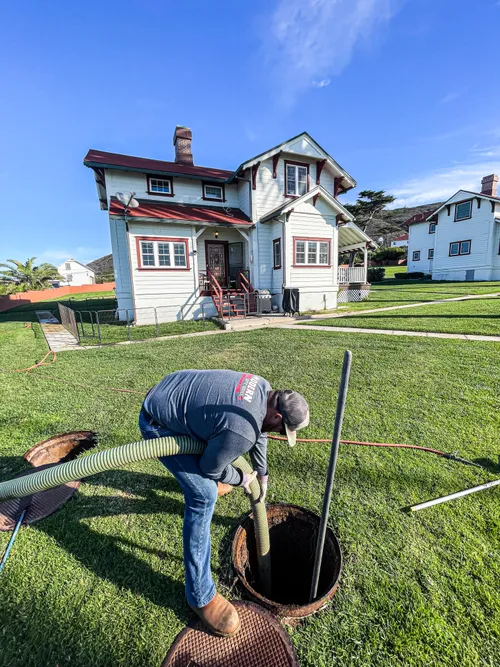
Modern Septic Service
1506 Pioneer Way, El Cajon, CA 92020
Modern Septic Service is a family-owned septic tank pumping, inspection, and repair company serving San Diego, CA. With over 60 years of experience, they provide residential and commercial septic services, including routine pumping, cleaning, troubleshooting, and maintenance. The company specializes in handling large-capacity septic systems for various commercial and municipal clients, offering 24/7 emergency pumping services and supporting public works projects with prevailing wage compliance. Founded in 1960, Modern Septic Service has grown through three generations, expanding its fleet and capabilities to meet diverse septic system needs across San Diego County.
Coastal Rooter - Plumbing Chula Vista
865 Fairway Ct, Chula Vista, CA 91911
Coastal Rooter - Plumbing Chula Vista is a locally owned plumbing company serving San Diego, CA, with over 25 years of experience. They provide a wide range of residential and commercial plumbing services, including septic tank pumping, drain cleaning, water heater installation and repair, and trenchless sewer line rehabilitation. Their licensed technicians offer 24/7 emergency plumbing services to address urgent issues promptly. Coastal Rooter uses modern technology to deliver efficient repairs while minimizing property disruption, especially with their trenchless sewer repair capabilities.
A1 Septic Services
9787 Snow View Dr, El Cajon, CA 92021
A1 Septic Services is a septic tank pumping and inspection company based in San Diego, CA. They serve El Cajon, Alpine, Lakeside, and East County San Diego, offering septic tank pumping, inspections for real estate certifications, and locating and digging out septic tank lids. Their inspection services include checking inlet and outlet baffles, separator walls, tank integrity, and leaching system tests. The company uses new, quiet equipment designed to avoid driveway damage and follows strict safety standards. A1 Septic Services emphasizes thorough inspections that must be paired with pumping to ensure full visibility of the system.
Why Regular Septic Maintenance is Non-Negotiable
Your septic system is a silent workhorse, treating all the wastewater from your home. When functioning correctly, it protects your family's health, your property value, and the local groundwater. Neglecting routine septic system pumping is the primary cause of system failure, which can lead to sewage backing up into your home or surfacing in your yard-a hazardous and expensive problem to fix. In Santee and across San Diego County, systems must comply with the Onsite Wastewater Treatment System (OWTS) Policy, which emphasizes groundwater protection. Proper maintenance, including pumping, is your first line of defense in meeting these regulations and being a good environmental steward.
How Often Should You Pump Your Septic Tank in Santee?
The golden rule for septic tank cleaning frequency in Santee is every 3 to 5 years for an average-sized tank and household 1. However, this is a general guideline. Several factors can necessitate more frequent service, potentially as often as every 1 to 2 years.
Key factors that increase pumping frequency include:
- Household Size: More people create more wastewater and solid waste.
- Tank Size: Smaller tanks fill with solids more quickly.
- Garbage Disposal Use: Frequent use significantly increases the solid load entering the tank.
- Volume of Laundry: Large, frequent loads introduce more lint and solids.
The most accurate way to determine need is through regular inspections. A professional will measure the sludge and scum layers inside your tank. A critical warning sign is if the sludge level is within 12 inches of the outlet tee, indicating the need for immediate pumping 2. Furthermore, if the bottom of the scum layer is within 6 inches of the outlet tee, pumping is also required to prevent solids from escaping into the drain field.
What to Expect: The Septic Pumping Process
Understanding what happens during a pump-out can help you prepare and ensure the job is done correctly. A standard septic pumping service involves several key steps:
- Locating and Accessing the Tank: The technician will locate your tank's lids. If your tank lacks accessible risers (extensions that bring the lid to the surface), this step may involve digging, which can add to the time and cost.
- Inspecting the System: Before pumping, a good technician will perform a basic visual inspection for signs of leaks, damage to baffles or tees, and the condition of the drain field.
- Pumping Out Solids and Liquids: A large vacuum truck is used to remove all contents from the tank-scum, sludge, and effluent.
- Cleaning and Final Check: The tank may be rinsed to help break up remaining solids, and the inlet and outlet tees are checked to ensure they are clear. The lids are then securely replaced.
Important: Never allow a service provider to "wash" the sludge toward the drain field during cleaning, as this can clog the perforated pipes 3. Always ask for a report that details the sludge and scum levels measured, any issues found, and recommendations for future maintenance.
Understanding Costs for Septic Service in Santee
The cost to pump a septic tank in the Santee and greater San Diego area can vary. Typical prices range from $300 to $600, with many services averaging around $380 to $520 for a standard residential tank 4 5. The final price depends on specific variables:
- Tank Size and Capacity: Larger tanks cost more to pump.
- Tank Accessibility: If the tank lids are buried and require excavation, the price will increase 6.
- Condition of the Tank: Excessively clogged or problematic tanks may require more labor.
- Additional Services: Costs for an inspection, filter cleaning, or minor repairs will be added to the base pumping fee.
While price is a factor, choosing a provider based on reputation, proper licensing, and thorough service is crucial for protecting your long-term investment.
Find the perfect septic tank pumping contractors for your needs
Get personalized recommendations and expert advice
The Critical Link Between Pumping and Inspections
While pumping removes accumulated waste, regular septic system inspections are the diagnostic tool that tells you when pumping is needed and uncovers potential problems early. It's recommended to have your system inspected every 1 to 3 years. An inspection typically checks for:
- Liquid levels and signs of back-up.
- The thickness of sludge and scum layers.
- The integrity of baffles, tees, and the tank itself.
- Signs of drain field failure, such as overly green grass or soggy soil.
Keeping detailed records of all pumping, inspections, and repairs is not just good practice; it may be necessary to demonstrate compliance with local regulations and is invaluable if you decide to sell your home 7.
Protecting Your Drain Field: The Other Half of the System
Pumping the tank is only half the battle. The drain field (or leach field) is where treated liquid effluent is dispersed into the soil. A failing drain field is often the most expensive component to repair or replace. To protect it:
- Never drive or park vehicles on any part of the septic system or drain field. The weight can crush pipes and compact soil 8 9.
- Divect roof drains and surface water away from the drain field area.
- Avoid planting trees or deep-rooted shrubs near the drain field, as roots can infiltrate and clog pipes.
- Use water efficiently to avoid flooding the drain field with more water than it can absorb.
Recognizing Warning Signs of Trouble
Don't wait for a complete failure. Be proactive and watch for these red flags that indicate your system may need immediate attention, possibly including pumping or repairs:
- Slow drains or gurgling pipes throughout the house.
- Sewage backups in toilets, showers, or sinks.
- Unpleasant odors around the tank or drain field.
- Unusually soggy or bright green grass over the drain field.
- Standing water or surfacing sewage in your yard.
If you notice any of these signs, contact a professional septic service provider promptly to assess the situation.
Local Santee and California Considerations
Septic systems in Santee fall under the jurisdiction of San Diego County's OWTS Policy 10. While specific permitting and repair regulations are managed by the county, all systems are designed to protect public health and water quality. Homeowners are responsible for the proper operation and maintenance of their systems. Using a local provider familiar with Santee's soil conditions and county requirements can be beneficial, as they understand the common challenges and regulatory expectations for systems in our area 11.
Frequently asked questions
Sources
Footnotes
-
How Often to Pump a Septic Tank 2026 - Clear River Environmental - https://clearriverenvironmental.com/how-often-to-pump-a-septic-tank/ ↩
-
California Septic Tank Requirements | Onsite Wastewater ... - https://www.ntotank.com/blog/california-septic-tank-requirements ↩
-
Septic Tanks - Preventative Routine Maintenance - https://des.sc.gov/permits-regulations/septic-tanks/homeowner-resources/septic-tanks-preventative-routine-maintenance ↩
-
Septic Pumping in Santee, CA - Costs 11 / 2025 - Homeyou - https://www.homeyou.com/ca/septic-pumping-santee-costs ↩
-
How Much Does it Cost to Pump a Septic Tank? - Dr. Septic San Diego - https://www.drsepticsd.com/news/how-much-does-it-cost-to-pump-a-septic-tank/ ↩
-
Essential Septic Tank Pumping Insights for Homeowners - https://www.rciseptic.com/septic-tank-pumps-essential-tips-for-homeowners ↩
-
How Often Should My Septic Tank Pumped In California - https://www.lanikseptic.com/how-often-should-my-septic-tank-pumped-in-california/ ↩
-
Homeowner's Guide to Septic Systems - El Dorado County - https://www.eldoradocounty.ca.gov/files/assets/county/v/1/documents/government/environmental-management/environmental-management/septic-documents/epa_homeowner_septic_guide.pdf ↩
-
How Often to Pump Septic Tank: 2026 Maintenance Guide - https://dandhsepticservices.com/how-often-to-pump-septic-tank/ ↩
-
Southern California Septic System Regulations: What You Need to ... - https://www.lanikseptic.com/socal-septic-regulations/ ↩
-
The Californian's Guide To Septic Tanks - https://cacciaplumbing.com/blog/california-septic-tank-guide/ ↩