Find the Best Septic Tank Pumping Contractors for Your Business
No obligation • Fast responses • Nationwide coverage

Why you can trust Septic Spot
Septic Spot is a leading United States resource for understanding and comparing septic services. Our editors review providers using consistent criteria and verify key business details. Listings and scores are independent, and companies cannot pay to influence our content.
Search providers near you
Top Septic Tank Pumping Contractors in Thousand Oaks, California Ranked
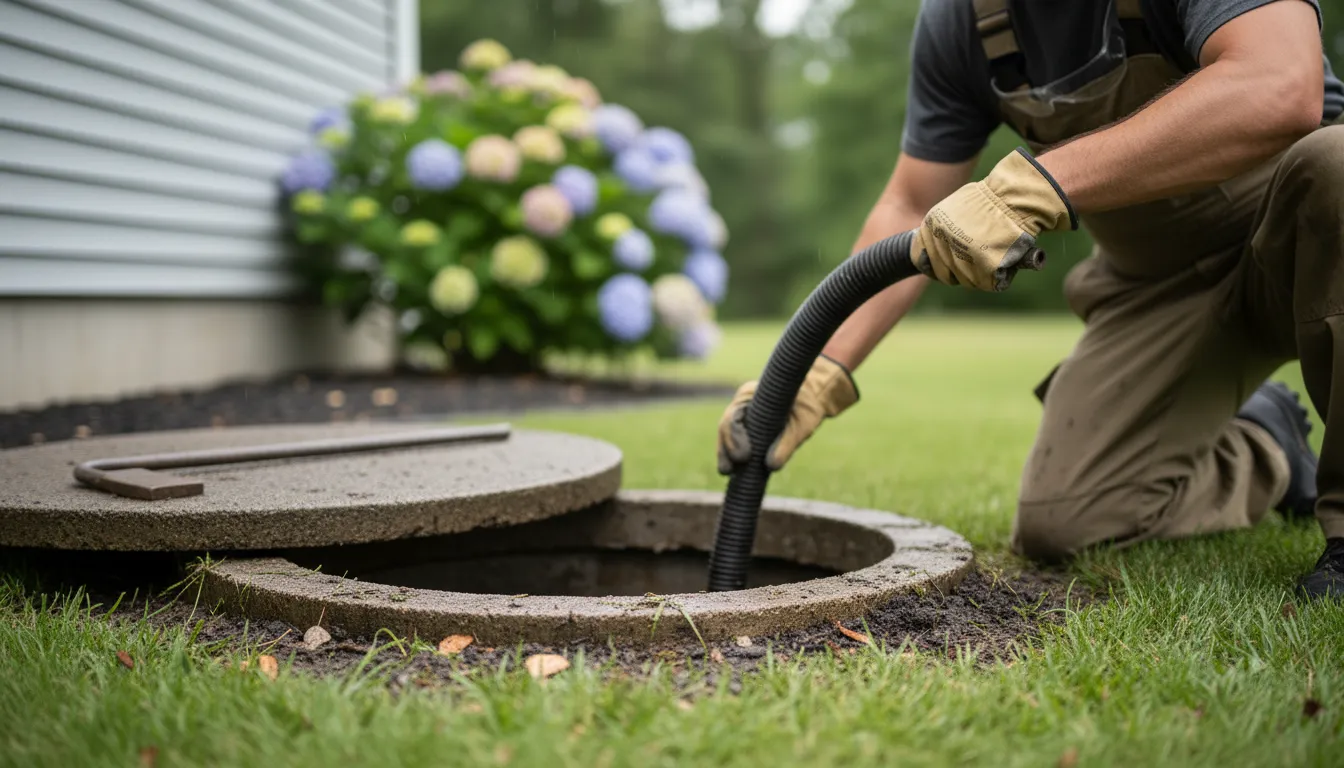
Maintaining a healthy septic system is a crucial responsibility for homeowners not connected to a municipal sewer line. Regular septic tank pumping is the most important preventative maintenance task you can perform to ensure your system functions properly, protects your property value, and safeguards the local environment. This guide provides essential information for Thousand Oaks residents on how often to schedule this service, what to expect during the process, and how to find qualified local professionals to handle your septic system maintenance.
Advanced Sanitation - Septic Tank Pumping, Installation & Repair Ventura County
3379 Somis Rd Unit E, Somis, CA 93066
Advanced Sanitation - Septic Tank Pumping, Installation & Repair Ventura County provides septic system services in Los Angeles, CA, and surrounding areas including Ventura County and nearby cities. They offer septic tank pumping, installation, inspection, and repairs, as well as grease trap maintenance. The company uses modern equipment such as advanced camera technology for system inspections and works with registered geological engineers for septic system design and installation. With over 30 years of experience, Advanced Sanitation serves both residential and commercial clients and offers flexible hours to accommodate business schedules.
Sewer Man Septic Tank Pumping
16065 Foothill Blvd # B, Sylmar, CA 91342
Sewer Man Septic Tank Pumping provides septic tank pumping, cleaning, inspection, repair, and installation services in Los Angeles, CA. They use specialized equipment such as vacuum trucks and high-pressure water jets to maintain and clean septic systems, helping prevent backups and slow drainage. The company offers emergency septic pumping services for urgent needs and serves a wide range of nearby communities. Sewer Man Septic Tank Pumping is experienced in handling various septic system maintenance tasks to support property owners in the Los Angeles area.
Michael Penta Septic Tank Pumping
Los Angeles, CA
Michael Penta Septic Tank Pumping provides a range of septic services in Los Angeles, CA, including septic tank pumping, installation, inspection, and repair. The company also handles drain field repairs, sewage ejection pump services, and sewer line replacements. Their expertise includes advanced capabilities such as camera inspections for leaks and cracks, soil analysis for leach line repair, and installation of micro septic systems that treat wastewater to a higher quality. They ensure compliance with local regulations and offer comprehensive maintenance to extend the life of septic systems.
Septic Tank Pumping Rode Inc
14648 Sylvan St suite 107, Van Nuys, CA 91411
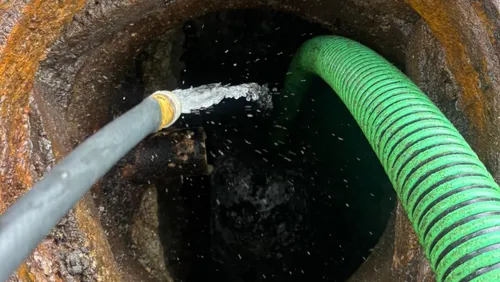
Septic Tank Pumping Rode Inc provides septic tank pumping and inspection services in Los Angeles, CA. They offer a full range of solutions including emergency pumping, routine maintenance, and detailed system inspections to maintain septic system health and environmental safety. Their certified technicians use advanced pumping technology to deliver efficient waste removal and thorough system care, suitable for medium to large properties. The company emphasizes compliance with local standards and offers 24/7 emergency response to address urgent septic issues promptly.
Conejo Bros Plumbing
1386 Del Verde Ct, Thousand Oaks, CA 91320
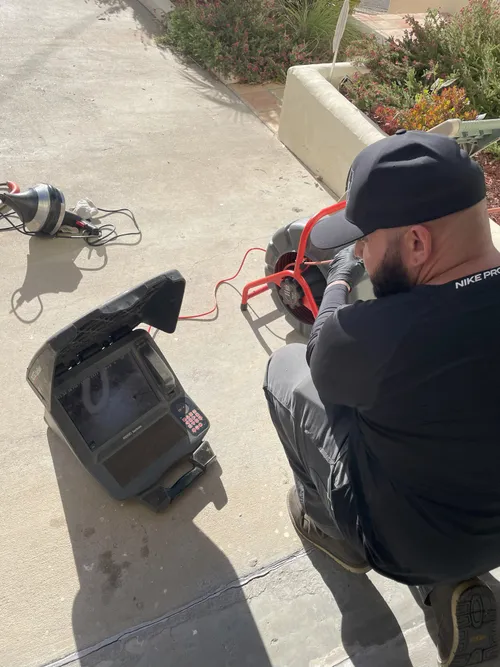
Conejo Bros Plumbing is a septic tank and plumbing service provider based in Oxnard, CA. They offer a wide range of services including septic tank inspection, pumping, repair, and replacement, as well as sewer mainline inspection and trenchless sewer and drain repair. Their capabilities include advanced trenchless pipe relining techniques that allow for pipe repairs without extensive digging, preserving property landscapes. Serving both residential and commercial clients throughout Ventura County and Conejo Valley, Conejo Bros Plumbing also provides 24/7 support for clearing blockages and other urgent plumbing needs.
Why Regular Septic Maintenance is Essential in Thousand Oaks
A septic system is an onsite wastewater treatment structure, and its core component is the holding tank. Over time, solid waste (sludge) accumulates at the bottom of the tank, while lighter materials like grease and soap (scum) float to the top. If these layers become too thick, they can flow into the drain field, causing clogs, backups, and potentially costly environmental contamination. Regular septic tank cleaning removes these accumulated solids, allowing the liquid effluent to properly filter into the soil. In Ventura County, proper maintenance is not just a recommendation-it's a requirement to prevent system failure and protect groundwater 1.
How Often Should You Pump Your Septic Tank?
The standard guideline for septic tank pumping frequency is every 3 to 5 years 2. However, this is a general rule, and the ideal schedule for your Thousand Oaks home depends on several specific factors. Adhering to a tailored schedule is key to complying with California's Onsite Wastewater Treatment Systems (OWTS) policies.
- Household Size: The number of people in your home is the primary driver of wastewater volume. A small household of 1-2 people may only need pumping every 4 to 6 years, while an average household of 3-4 people should plan for service every 2 to 3 years. A large household of 5 or more people will likely require annual or biennial pumping 3 4.
- Tank Size: Naturally, a larger tank can hold more solids and will require less frequent pumping than a smaller tank serving the same number of people.
- Total Wastewater Generated: High water usage from frequent laundry, long showers, or many house guests accelerates the fill rate of your tank.
- Use of a Garbage Disposal: Disposals significantly increase the amount of solid organic material entering the septic tank. If you use a garbage disposal regularly, more frequent pumping is strongly recommended.
The most reliable method to determine your needed pumping schedule is to have a professional measure the sludge and scum layers in your tank during an inspection. Tanks are typically pumped when the sludge level exceeds 25% of the liquid depth 5.
The Inspection: A Critical Partner to Pumping
A thorough inspection should accompany every pumping service. A licensed professional will do more than just remove waste; they will assess the overall health of your entire onsite sewage system.
What a Professional Inspection Includes:
- Sludge and Scum Level Measurement: This determines if pumping is needed now or can be scheduled for a future date.
- Tank Integrity Check: Looking for cracks, leaks, or corrosion in the tank itself.
- Inlet and Outlet Baffle Inspection: Ensuring these vital components are intact to prevent solids from exiting the tank.
- Pipe and Tee Examination: Checking for blockages or damage in the pipes leading to and from the tank.
- Drain Field Assessment: Looking for signs of failure, such as surfacing effluent or overly lush grass, which indicate the field may be clogged 6 7.
Inspections are recommended at least every three years and are often performed concurrently with a pump-out, providing a complete health check for your system.
Recognizing Signs You Need Service Sooner
Don't wait for a full-blown emergency. Be proactive and watch for these warning signs that your tank may need immediate attention:
- Slow Drains: Gurgling sounds or slow drainage from sinks, showers, and toilets throughout the house.
- Sewage Odors: Unpleasant smells emanating from drains indoors or near the tank/drain field outdoors.
- Wet, Spongy Ground: Soggy patches or standing water over the drain field, especially when it hasn't rained.
- Unusually Lush Grass: While some growth is normal, a conspicuously green and fast-growing patch over the drain field can indicate a nutrient-rich leak.
- Sewage Backup: The most severe sign, where wastewater backs up into household drains.
If you notice any of these issues, contact a septic service professional in Thousand Oaks immediately for an inspection 8.
Find the perfect septic tank pumping contractors for your needs
Get personalized recommendations and expert advice
Understanding Septic Tank Pumping Costs in Thousand Oaks
The cost for residential septic tank pumping in California typically ranges from $350 to $650, but the final price for your home depends on several variables.
Primary Cost Factors:
- Tank Size: This is the most significant factor. Pumping a standard 1,000-gallon tank often costs between $250 and $700. Smaller 750-gallon tanks may range from $225 to $550, while larger 1,500-gallon systems can cost $350 to $1,100 or more 9 10 11.
- Tank Accessibility: If the tank lid is buried deep, located under a deck, or difficult for the service truck to reach, the job will take more time and labor, increasing the cost.
- Condition of the Tank: If the inlet or outlet baffles are damaged or repairs are needed to access ports, these will add to the bill.
- Additional Services: Most companies charge extra for an initial inspection, locating a buried tank lid, or cleaning a clogged filter. Always ask for a detailed quote that breaks down all potential charges.
While price is important, the quality of service and the company's reputation are critical. A cheaper, rushed job can miss potential problems, leading to far more expensive repairs down the line.
Choosing a Qualified Septic Service Provider
When selecting a company for septic tank maintenance or cleaning, consider the following:
- Licensing and Insurance: Ensure the company is licensed to operate in Ventura County and carries adequate liability insurance.
- Experience and Reputation: Look for established companies with positive reviews from local homeowners. Ask how long they've been in business.
- Range of Services: Choose a provider that offers both pumping and full system inspections. Some may also handle repairs, which can be convenient if an issue is discovered.
- Detailed Reporting: A reputable service will provide a written report detailing the work performed, the condition of your tank and components, and recommendations for future maintenance.
For the most accurate information on local regulations, homeowners can contact the Ventura County Environmental Health Division.
Maintaining Your System Between Pumpings
Proper day-to-day care can extend the life of your system and reduce the frequency of required pump-outs.
- Conserve Water: Fix leaky faucets and toilets promptly. Spread out laundry loads over the week instead of doing many in one day.
- Mind What You Flush: Only flush human waste and toilet paper. Never flush wipes (even "flushable" ones), feminine hygiene products, dental floss, diapers, or cooking grease.
- Use Septic-Safe Products: Choose toilet paper that breaks down easily and use cleaning products labeled as septic-safe to avoid harming the beneficial bacteria in your tank.
- Protect Your Drain Field: Never park vehicles or place heavy structures on the drain field. Keep roof drains and sump pumps directed away from it.
Frequently asked questions
Sources
Footnotes
-
California Septic Tank Requirements | Onsite Wastewater Treatment Systems - https://www.ntotank.com/blog/california-septic-tank-requirements ↩
-
How to Care for Your Septic System | US EPA - https://www.epa.gov/septic/how-care-your-septic-system ↩
-
Septic Systems | Department of Environmental Protection - https://www.pa.gov/agencies/dep/residents/my-water/septic-systems ↩
-
How Often Should My Septic Tank Pumped In California - https://www.lanikseptic.com/how-often-should-my-septic-tank-pumped-in-california/ ↩
-
Septic Tank Pumping Frequency Guidelines - https://www.beckertwpsherburnecomn.gov/sites/g/files/vyhlif16406/files/media/services/file/426/septic_tank_pumping_frequency_guidelines.pdf ↩
-
How Often Should I Pump Out My Septic Tank? - https://cms2.revize.com/revize/westportma/Documents/Departments/Health/Forms%20And%20Resources/how_often_should_i_pump_out_my_septic_tank_2.pdf?t=202508080914340&t=202508080914340 ↩
-
Septic Tank Certification: What California Homeowners Need to Know - https://www.kgriverside.com/trending/septic-tank-certification-what-california-homeowners-need-to-know ↩
-
When to Pump Your Septic Tank | Roto-Rooter - https://www.rotorooter.com/blog/outdoor-plumbing/5-signs-its-time-to-call-your-septic-pumping-service/ ↩
-
Septic Tank Pump Out Cost Guide 2025 - https://www.blueribbonseptic.com/blog/septic-tank-pump-out-cost-guide-2025 ↩
-
Septic Tank Pumping Cost: Guide & Pricing in 2025 - Splash Plumbing - https://www.splashplumbing.com/how-much-does-it-cost-to-pump-septic-tank-understanding-pricing-and-factors-involved/ ↩
-
How Much Does it Cost to Pump a Septic Tank? 2026 Price Guide - https://rescueheroplumbing.com/how-much-does-it-cost-to-pump-a-septic-tank ↩