Find the Best Septic Tank Pumping Contractors for Your Business
No obligation • Fast responses • Nationwide coverage

Why you can trust Septic Spot
Septic Spot is a leading United States resource for understanding and comparing septic services. Our editors review providers using consistent criteria and verify key business details. Listings and scores are independent, and companies cannot pay to influence our content.
Search providers near you
Top Septic Tank Pumping Contractors in Tracy, California Ranked
Maintaining a healthy septic system is a crucial responsibility for homeowners in Tracy. Regular septic tank pumping is the most essential maintenance task to prevent system failure, costly repairs, and environmental contamination. This guide provides Tracy residents with the local regulations, costs, and best practices for septic system maintenance, helping you find qualified local professionals to keep your system functioning properly for years to come.
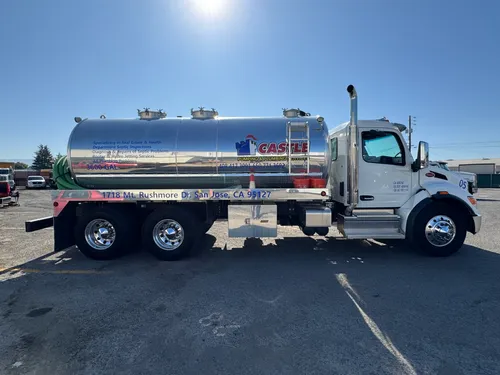
Castle Pumping and Plumbing Services
San Jose, CA
Castle Pumping and Plumbing Services is a locally owned company based in San Jose, CA, offering comprehensive septic system services including pumping, inspections, repairs, and installations. With over 32 years of experience, they serve residential and commercial properties in the San Jose area. Their expertise includes locating septic tanks, performing detailed inspections of tank components, and specialized outflow line exploration to diagnose backups without unnecessary replacements. The company uses advanced equipment and techniques to maintain and repair septic systems, ensuring long-lasting functionality.
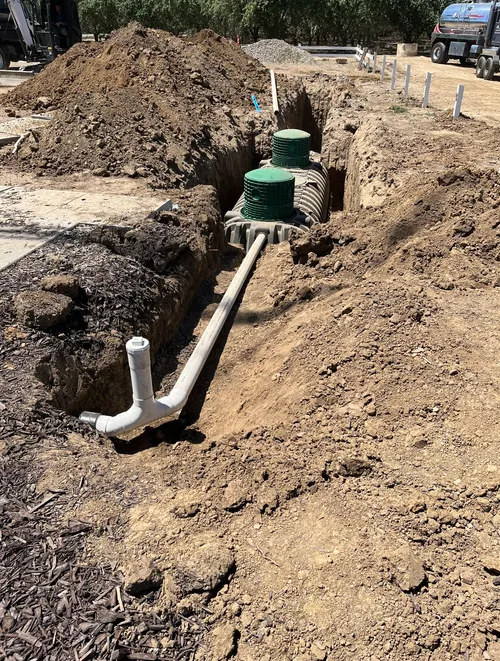
A-1 Septic Services
2125 Wylie Dr #6, Modesto, CA 95355
A-1 Septic Services is a full-service septic company based in San Jose, CA, offering comprehensive septic system solutions. They provide septic tank installation, repair, pumping, inspections, and drain field services, along with grading, excavation, and underground utility trenching. The company manages all aspects from design and permitting to final installation, ensuring code compliance and system longevity. With over 30 years of experience serving Stanislaus, San Joaquin, and Merced counties, A-1 Septic Services has extensive local knowledge and expertise. Their capabilities include septic system design, leach field installation, and utility trenching, supported by in-house crews and equipment to maintain control over project quality and scheduling.
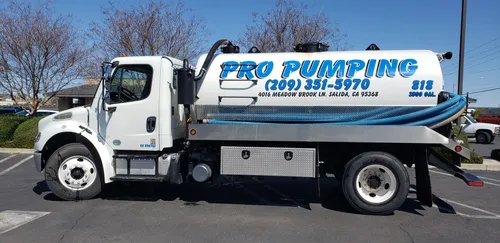
Pro Pumping Septic Service
4016 Meadow Brook Ln, Salida, CA 95368
Pro Pumping Septic Service is a septic tank pumping, inspection, and repair company serving San Jose, CA. They offer septic tank pumping, cleaning, maintenance, site inspections, and repairs for both residential and commercial clients. As an owner-operated business, they focus on personalized service and work to ensure safe and environmentally sound septic systems. Pro Pumping serves homeowners, restaurant owners, and commercial accounts in the San Jose area.
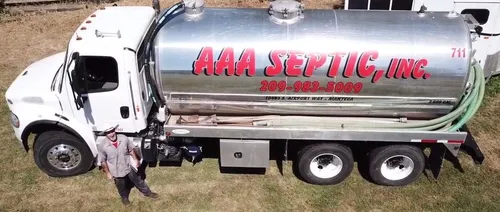
AAA Septic Inc.
10583 S Airport Way, Manteca, CA 95336
AAA Septic Inc. provides septic tank pumping and inspection services in Stockton, CA. They offer regular septic pumping to help maintain system efficiency and prevent backups, with advice tailored to household size and water use. Their services include locating and cleaning septic tanks, inspecting for damage, and installing septic risers for easier maintenance access. These capabilities help extend the life of septic systems and improve safety during yard activities.
Williams Sanitary Service Inc
Oakland, CA
Williams Sanitary Service Inc is a family-owned septic system company serving Oakland, CA, and surrounding areas since 1950. They provide a full range of septic services including pumping, inspection, repair, and installation for both residential and commercial clients. The company also offers general plumbing services such as drain cleaning and water heater repair. Williams Sanitary Service Inc is equipped to handle all sizes of septic jobs across Contra Costa and Alameda Counties and offers 24/7 service availability.
Why Regular Septic Pumping is Non-Negotiable in Tracy
A septic system is an on-site wastewater treatment plant for your home. When functioning correctly, it safely processes household waste. Solids settle in the tank as sludge, while fats and oils float as scum. The liquid effluent flows out to the drain field. Over time, the sludge and scum layers accumulate. If not removed via pumping, these solids can flow into and clog the drain field, leading to sewage backups in your home, soggy patches in your yard, and contamination of groundwater.
In Tracy and the broader San Joaquin County, this maintenance is not just a recommendation-it's enforced by the San Joaquin County Environmental Health Department, which oversees all Onsite Wastewater Treatment Systems (OWTS). Proper maintenance, with pumping as the cornerstone, is legally required to protect public health and the local environment from contamination.
San Joaquin County Pumping Regulations & Frequency
While the "every three years" rule is a well-known guideline, the actual pumping schedule for your Tracy home depends on several factors. The county's primary technical rule states a tank must be pumped when the bottom of the scum layer is within 6 inches of the outlet tee or the top of the sludge layer is within 12 inches of the outlet tee 1 2.
Standard Recommendation: For an average household, a pumping service every 3 years is a common and safe baseline.
Factors Requiring More Frequent Pumping:
- Household Size: More residents mean more wastewater and solids.
- Garbage Disposal Use: Frequent use significantly increases the solid waste load entering the tank, accelerating sludge buildup.
- Tank Size: A smaller tank relative to household needs will fill faster.
- System Age and Type: Older systems or those with pumps and mechanical components may need more attention.
For homes with heavy usage, annual or biennial pumping (every 1-2 years) may be necessary. The only way to know for sure is through a professional inspection.
The Critical Role of Professional Septic Inspections
Scheduling a routine inspection is the smartest way to determine if your tank needs pumping. It's recommended to have your entire system inspected every 1-3 years by a qualified professional.
A thorough septic system inspection in Tracy should include:
- Locating and uncovering the tank and distribution box access lids.
- Measuring the thickness of the scum and sludge layers to determine if pumping is needed per county standards.
- Checking the tank's structural integrity for cracks, leaks, or corrosion.
- Inspecting inlet and outlet tees and baffles for blockages or damage.
- Evaluating the drain field for signs of failure, such as surfacing effluent or overly lush grass.
- Testing any electrical components, pumps, or alarms if present 3.
An inspection provides a clear, factual basis for maintenance, preventing both unnecessary pumping and catastrophic neglect.
Find the perfect septic tank pumping contractors for your needs
Get personalized recommendations and expert advice
Understanding Septic Pumping Costs in Tracy
The cost to pump a septic tank in Tracy varies based on several key factors. The primary driver is tank size, but accessibility and additional services also play a role.
Average Cost by Tank Size (Based on 2026 Data) 4 5:
- 750-Gallon Tank: $250 - $550
- 1,000-Gallon Tank: $325 - $700
- 1,500-Gallon Tank: $450 - $1,100
What Influences the Final Price?
- Tank Location & Access: If the tank lids are buried and need to be located or dug up, this will add to the labor cost 6.
- Geographic Location: Prices can vary within San Joaquin County based on local competition and travel distance for the provider.
- Condition of the Tank: Extremely clogged tanks or those requiring extra time may incur higher fees.
- Additional Services: Many companies offer inspection, minor repair, or cleaning services as part of a pumping package, which affects the total price.
Always get detailed estimates from local providers that outline what is included, such as cleanup, lid replacement, and proper disposal of the waste at a licensed facility.
Best Practices for a Healthy Septic System
Pumping is vital, but day-to-day care extends the time between services and protects your investment.
Conserve Water: Reducing flow to the tank gives solids more time to settle and prevents hydraulic overload. Fix leaks, install efficient fixtures, and spread out laundry loads 7.
Mind What You Flush: Only human waste and toilet paper should go down the drain. Never flush wipes (even "flushable" ones), feminine hygiene products, dental floss, cooking grease, or chemicals. These clog tanks and kill the essential bacteria that break down waste 8.
Protect the Drain Field: This is the heart of your system. Never park vehicles, build structures (sheds, patios), or plant trees with deep roots over the tank or leach field. The weight can crush pipes, and roots can invade and clog them 9.
Use Garbage Disposals Sparingly: If you have a disposal, use it minimally. Consider composting food scraps instead to drastically reduce the solid load entering your tank 10 11.
Recognizing Signs You Need Immediate Service
Don't wait for your scheduled inspection if you notice these warning signs:
- Slow drains or gurgling plumbing fixtures throughout the house.
- Sewage odors inside your home or around the yard.
- Wet, spongy, or soggy ground over the drain field, especially when it hasn't rained.
- Unusually bright green, lush grass over the drain field.
- Sewage backing up into household drains or toilets.
These symptoms indicate a system in distress, potentially from a full tank or a failing drain field. Contact a septic professional in Tracy immediately for diagnosis and service.
Frequently asked questions
Sources
Footnotes
-
Onsite Wastewater Treatment Systems Standards - https://www.sjgov.org/docs/default-source/environmental-health-documents/liquid-waste/onsite-wastewater-disposal-standards.pdf?sfvrsn=1ae0589b_3 ↩
-
How Often Should My Septic Tank Pumped In California - https://www.lanikseptic.com/how-often-should-my-septic-tank-pumped-in-california/ ↩
-
Frequent Questions on Septic Systems | US EPA - https://www.epa.gov/septic/frequent-questions-septic-systems ↩
-
How Much Does It Cost to Pump a Septic Tank? [2026 Data] | Angi - https://www.angi.com/articles/how-much-does-septic-tank-pumping-cost.htm ↩
-
Understanding the Average Cost to Pump a Septic Tank - https://www.septicblue.com/understanding-the-average-cost-to-pump-a-septic-tank ↩
-
Understanding Septic Tank Inspections: What to Expect and Why They're Necessary - https://alvaradosepticpumping.com/2024/02/understanding-septic-tank-inspections-what-to-expect-and-why-theyre-necessary/ ↩
-
PREVENTING PROBLEMS - Butte County - https://www.buttecounty.net/837/Septic-System-Maintenance-Care-PDF ↩
-
How to Keep Your Septic System Healthy in Riverside County (Pro Guide) - https://www.lanikseptic.com/how-to-keep-your-septic-system-healthy/ ↩
-
EXTENSION NOTES - https://carter.mgcafe.uky.edu/sites/carter.ca.uky.edu/files/Maintaining%20Conventional%20Septic%20Systems.pdf ↩
-
Homeowner's Guide to Septic Systems - Tuolumne County - https://www.tuolumnecounty.ca.gov/DocumentCenter/View/21759/Onsite-System-Care-and-Maintenance ↩
-
Septic Systems | Department of Environmental Protection - https://www.pa.gov/agencies/dep/residents/my-water/septic-systems ↩