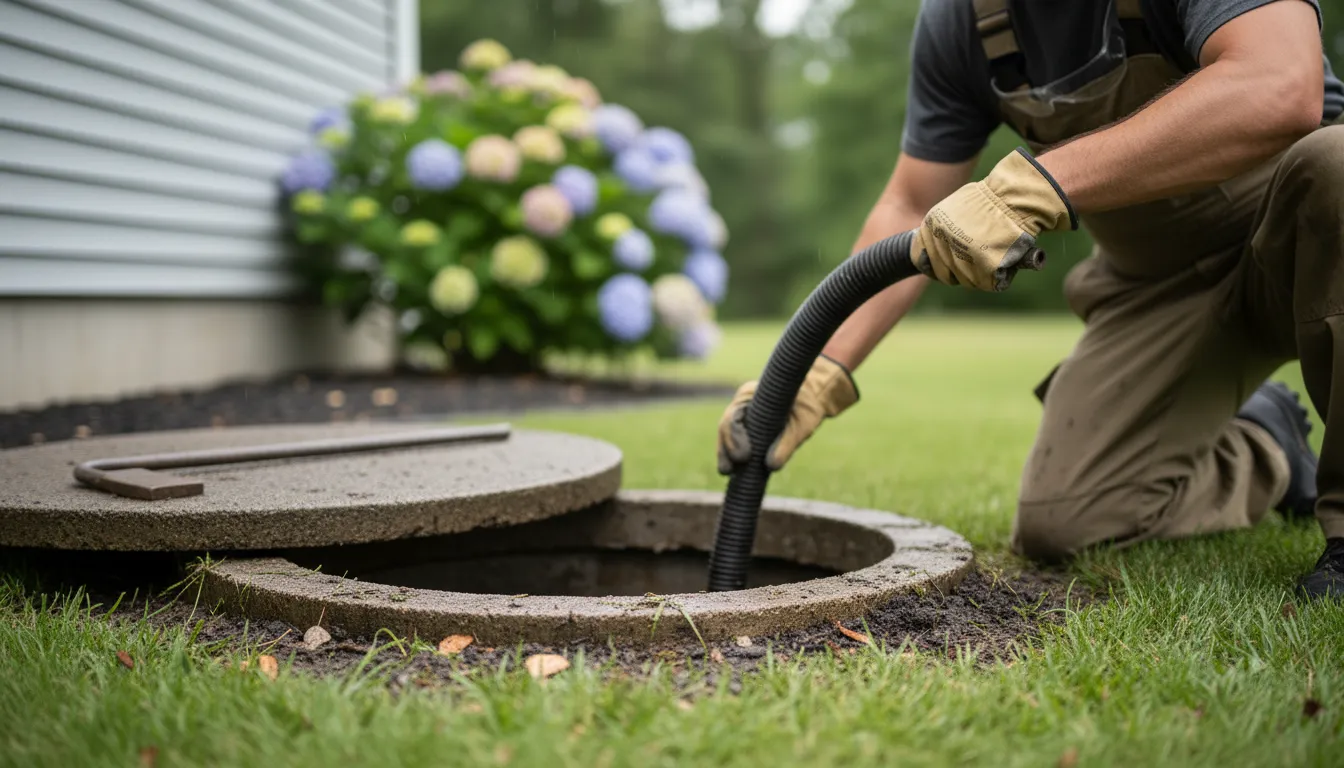
Find the Best Septic Tank Pumping Contractors for Your Business
No obligation • Fast responses • Nationwide coverage

Why you can trust Septic Spot
Septic Spot is a leading United States resource for understanding and comparing septic services. Our editors review providers using consistent criteria and verify key business details. Listings and scores are independent, and companies cannot pay to influence our content.
Search providers near you
Top Septic Tank Pumping Contractors in Tulare, California Ranked
Maintaining a healthy septic system is a crucial responsibility for homeowners not connected to a municipal sewer line. Septic tank pumping is the essential service of removing accumulated solids-sludge and scum-from your tank to prevent system failure, costly repairs, and environmental contamination. For residents of Tulare, understanding local recommendations, recognizing warning signs, and connecting with qualified professionals ensures your wastewater system operates safely and efficiently for years to come.
PRS Plumber Tulare
Visalia, CA
PRS Plumber Tulare provides septic tank pumping, inspection, installation, and repair services in Visalia, CA. They serve residential, commercial, and industrial clients throughout the Central Valley. The company offers specialized capabilities such as trenchless sewer line installation and sewer video inspection to efficiently diagnose and repair plumbing and septic issues. With over 40 years of experience, PRS Plumber Tulare is a family-owned business known for its licensed, bonded, and insured crews. They also provide 24/7 emergency plumbing services to address urgent needs at any time.
Pro Rooter & Septic - Visalia Plumbing
12148 Ave 272, Visalia, CA 93277
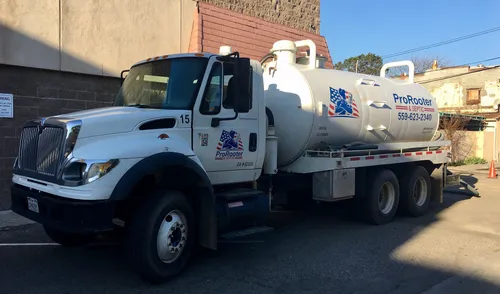
Pro Rooter & Septic - Visalia Plumbing provides septic tank pumping, inspection, repair, and installation services in Visalia, CA. They also handle drain field repair and sewer line services, including trenchless sewer line installation and sewer video inspection. With over 40 years of experience serving the Central Valley, the company is family owned and operated, offering 24/7 availability for plumbing and septic emergencies.
Why Regular Septic Pumping is Non-Negotiable
Your septic system is a silent workhorse, treating all the wastewater from your home. Over time, solids settle at the bottom of the tank as sludge, while lighter materials like fats and oils float to the top as scum. If these layers become too thick, they can flow into the drain field, clogging the soil and causing a complete system backup. Regular septic tank cleaning prevents this by removing these solids before they cause damage.
In Tulare County, Environmental Health specifically recommends that septic tanks be pumped every 3 to 5 years to maintain proper function and comply with California's onsite wastewater treatment standards 1. This routine maintenance is far less expensive than repairing or replacing a failed drain field, which can cost tens of thousands of dollars. A well-maintained system also protects local groundwater quality, which is vital in our agricultural community.
How Often Should You Schedule Service?
While the 3-5 year guideline is standard, the ideal pumping schedule for your home depends on several factors. Think of it as a maintenance interval that varies based on your household's "load" on the system.
- Standard Households: For an average family of four, the 3-5 year cycle is typically sufficient.
- High-Usage Households: If your home has more residents, uses a garbage disposal frequently, or has high laundry volume, you may need to schedule septic tank emptying every 1-2 years 2. More people and more water use mean solids accumulate faster.
- Tank Size Matters: A larger tank (1,000+ gallons) will naturally hold more solids and may allow for longer intervals between pump-outs, while a smaller tank will fill more quickly.
The most accurate way to determine need is through a professional inspection, which often includes measuring the sludge and scum layers inside the tank.
Warning Signs Your Tank Needs Immediate Attention
Don't wait for a scheduled appointment if you notice any of these red flags. They indicate your system is overwhelmed and requires urgent septic tank servicing.
- Slow Drains: Sinks, showers, and toilets that drain slowly, especially if gurgling is involved, can point to a full tank.
- Sewage Odors: Unpleasant smells emanating from your drains, yard, or near the tank location are a clear sign of trouble.
- Wet, Lush Spots: If the grass over your drain field is suddenly greener, spongier, or wetter than the surrounding area, it likely means untreated wastewater is surfacing 3.
- Sewage Backup: The most severe sign is wastewater backing up into household drains.
If you observe any of these symptoms, contact a local septic service provider immediately to assess and pump the tank before more extensive damage occurs.
What to Expect During a Professional Pump-Out
A standard septic pumping service involves more than just removing waste. A reputable provider will follow a thorough process to ensure your entire system is checked.
- Locating & Accessing the Tank: The technician will find and uncover the tank's access lids. Keeping these lids accessible and marked saves time and money on future service.
- Inspecting the System: Before pumping, a good technician will inspect the tank's inlet and outlet baffles for blockages or damage and check for any cracks or leaks in the tank itself. This is a critical step in a comprehensive septic system inspection.
- Pumping the Tank: Using a large vacuum truck, all liquid and solid waste is pumped out from the tank. The goal is to remove the contents completely, though a small amount of residual sludge is sometimes left to restart the bacterial ecosystem.
- Final Check & Advice: After pumping, the technician should advise you on the condition of your system, note any concerns (like a damaged baffle), and recommend a date for your next service. Always ask for and keep the service report for your records.
Find the perfect septic tank pumping contractors for your needs
Get personalized recommendations and expert advice
The Importance of Combined Pumping and Inspection
While pumping removes the buildup, a detailed inspection diagnoses the health of the entire system. Many experts, including the South Carolina Department of Environmental Services, recommend a formal inspection of the system every 1-2 years, which can often be efficiently combined with a pumping visit 4.
A thorough inspection includes:
- Measuring the depth of sludge and scum layers.
- Checking the structural integrity of the tank and lids.
- Ensuring inlet and outlet pipes (baffles) are not blocked or broken.
- Evaluating the drain field for signs of failure.
For real estate transactions in California, a formal Septic Tank Certification is often required, which involves a more rigorous inspection by a qualified professional to ensure the system meets current standards 5.
Understanding Septic Pumping Costs in Tulare
The cost to pump your septic tank can vary based on several local factors. In California, typical prices range from $250 to $500, with an average cost often around $423 6 7.
Key factors that influence your final price include:
- Tank Size: This is the primary cost driver. Pumping a small tank (under 750 gallons) may cost $150-$250, while a large residential tank (1,000-1,500+ gallons) can range from $325 to over $1,100 8 9.
- Accessibility: If the tank lids are buried and require digging to access, you will incur additional labor charges. Maintaining clear, marked access saves money.
- Condition & Solids: Extremely clogged tanks or those with excessive solids may require more time or additional steps to pump completely.
- Additional Services: Costs for a full inspection, repairing a baffle, or jetting a drain line are separate from the basic pumping fee.
Always get a detailed estimate that breaks down these costs before authorizing work.
Maintaining Your System Between Pumpings
Professional service is essential, but your daily habits greatly impact your system's health. Follow these tips to keep your septic system running smoothly:
- Conserve Water: Fix leaks and spread out laundry loads to avoid overwhelming the drain field.
- Mind What You Flush: Only human waste and toilet paper should go down the toilet. Never flush wipes (even "flushable" ones), feminine hygiene products, dental floss, or chemicals.
- Use the Trash, Not the Disposal: Minimize use of the garbage disposal, as it adds significant solids to your tank. Compost food scraps instead.
- Protect Your Drain Field: Never park vehicles or build structures over it. Plant only grass over the field, as tree roots can cause severe damage.
For official inspections, repairs, or to clarify local regulations, you can always check with Tulare County Environmental Health 10.
Frequently asked questions
Sources
Footnotes
-
Liquid Waste (Septic System) FAQ's | Tulare - Environmental Health - https://tularecountyeh.org/eh/about-us/faqs/liquid-waste-septic-system ↩
-
Septic Systems | Department of Environmental Protection - https://www.pa.gov/agencies/dep/residents/my-water/septic-systems ↩
-
Septic Tank Cleaning & Pumping Company Riverside - https://frankspumping.com/ ↩
-
Septic Tanks - Preventative Routine Maintenance - https://des.sc.gov/permits-regulations/septic-tanks/homeowner-resources/septic-tanks-preventative-routine-maintenance ↩
-
Septic Tank Certification: What California Homeowners Need to Know - https://www.kgriverside.com/trending/septic-tank-certification-what-california-homeowners-need-to-know ↩
-
Septic Tank Pumping Cost: Guide & Pricing in 2025 - Splash Plumbing - https://www.splashplumbing.com/how-much-does-it-cost-to-pump-septic-tank-understanding-pricing-and-factors-involved/ ↩
-
Septic Tank Pumping Cost: Guide & Pricing in 2025 - https://www.splashplumbing.com/how-much-does-it-cost-to-pump-septic-tank-understanding-pricing-and-factors-involved/ ↩
-
How Much Does It Cost to Pump a Septic Tank? - https://www.wholesalesepticsupply.com/blogs/news/how-much-does-it-cost-to-pump-a-septic-tank ↩
-
How much does it cost to get a septic tank pumped out? - Reddit - https://www.reddit.com/r/homeowners/comments/1nyn7a4/how_much_does_it_cost_to_get_a_septic_tank_pumped/ ↩
-
California Septic Tank Requirements | Onsite Wastewater ... - https://www.ntotank.com/blog/california-septic-tank-requirements ↩