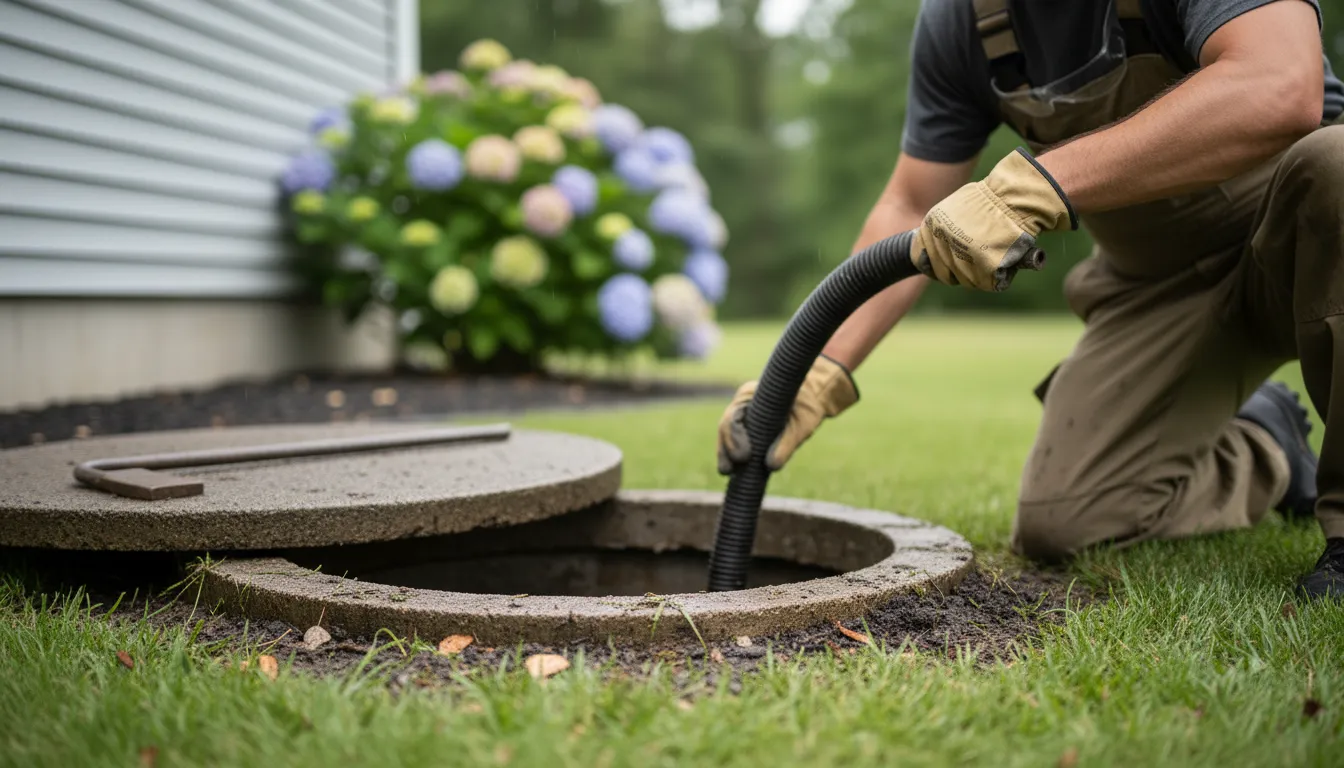
Find the Best Septic Tank Pumping Contractors for Your Business
No obligation • Fast responses • Nationwide coverage

Why you can trust Septic Spot
Septic Spot is a leading United States resource for understanding and comparing septic services. Our editors review providers using consistent criteria and verify key business details. Listings and scores are independent, and companies cannot pay to influence our content.
Search providers near you
Top Septic Tank Pumping Contractors in Union City, California Ranked
Maintaining your septic system is a crucial responsibility for any homeowner in Union City. Regular septic tank pumping is the most important preventative maintenance task you can perform to avoid messy, expensive, and environmentally hazardous system failures. This guide explains the local regulations, recommended schedules, and key considerations for septic system maintenance, helping you understand when to schedule service and what to expect from a professional provider.
Roto-Rooter Plumbing & Water Cleanup
2078 Walsh Ave c1, Santa Clara, CA 95050
Roto-Rooter Plumbing & Water Cleanup offers a wide range of plumbing services in San Jose, CA, including septic tank pumping, drain cleaning, sewer line repair, and water heater maintenance. They serve both residential and commercial customers, addressing issues from clogged drains to sewer line inspections using video camera technology and trenchless repair methods. The company is available 24/7 for emergency plumbing services, ensuring assistance whenever urgent problems arise.
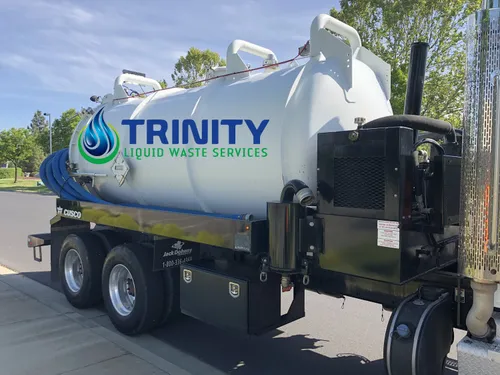
Trinity Liquid Waste Services
San Jose, CA
Trinity Liquid Waste Services provides septic tank pumping, inspection, repair, and maintenance services for residential and commercial clients in San Jose, CA. The family-owned company offers a wide range of septic system solutions including grease trap pumping, sewage ejector tank maintenance, and water jetting to keep systems functioning properly. They also handle storm drain cleaning and provide 24/7 same-day service for urgent septic issues. Their team is experienced in addressing common septic problems caused by household appliance overuse and sediment buildup, helping customers maintain optimal system performance.
PICHANGA PUMPING SERVICE LLC
901 N Rengstorff Ave, Mountain View, CA 94043
PICHANGA PUMPING SERVICE LLC is a family-owned business with over 10 years of experience, serving San Jose, CA. They provide septic tank pumping, inspection, repair, and installation services. The company uses specialized equipment for camera inspections and locating issues within pipes and sewer lines. They also offer restroom rentals. Pichanga Pumping Service provides after-hours and emergency services for added convenience.
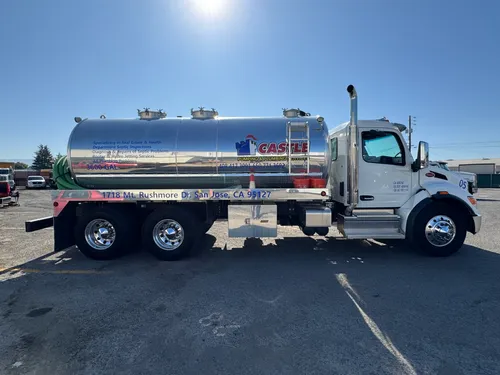
Castle Pumping and Plumbing Services
San Jose, CA
Castle Pumping and Plumbing Services is a locally owned company based in San Jose, CA, offering comprehensive septic system services including pumping, inspections, repairs, and installations. With over 32 years of experience, they serve residential and commercial properties in the San Jose area. Their expertise includes locating septic tanks, performing detailed inspections of tank components, and specialized outflow line exploration to diagnose backups without unnecessary replacements. The company uses advanced equipment and techniques to maintain and repair septic systems, ensuring long-lasting functionality.
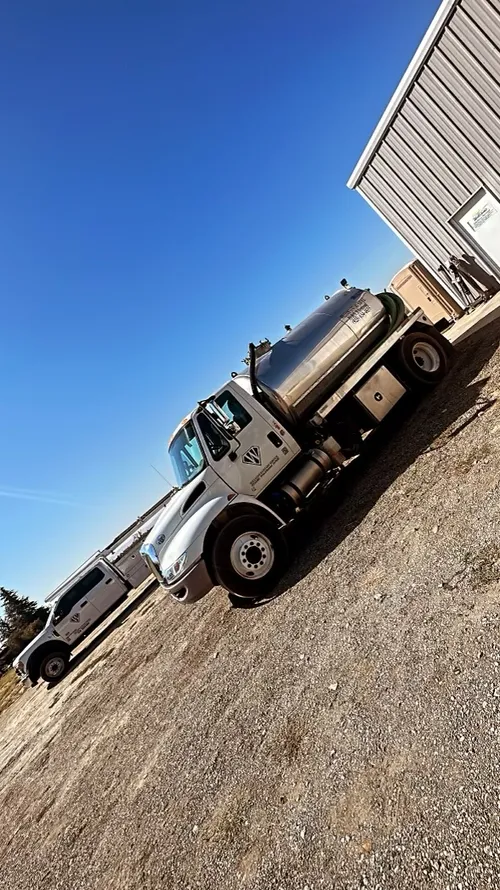
Williams Sanitary Service Inc
Oakland, CA
Williams Sanitary Service Inc is a family-owned septic system company serving Oakland, CA, and surrounding areas since 1950. They provide a full range of septic services including pumping, inspection, repair, and installation for both residential and commercial clients. The company also offers general plumbing services such as drain cleaning and water heater repair. Williams Sanitary Service Inc is equipped to handle all sizes of septic jobs across Contra Costa and Alameda Counties and offers 24/7 service availability.
Understanding Your Septic System and Why Pumping is Essential
A septic system is an on-site wastewater treatment structure, typically used in areas not served by a centralized municipal sewer. In simple terms, it's a mini sewage plant buried in your yard. Solid waste settles at the bottom of the tank as sludge, while fats and oils float to the top as scum. The liquid effluent in the middle flows out to a drain field where it is filtered through the soil.
Over time, the sludge and scum layers accumulate. If they are not removed through regular septic tank cleaning, they can overflow into the drain field. This can clog the soil, causing sewage to back up into your home or pool on your lawn-a serious health risk and environmental violation. Pumping is the process of using a large vacuum truck to remove these accumulated solids, restoring the tank's capacity and protecting the entire septic system.
New Jersey and Union City Septic Pumping Regulations
In New Jersey, septic systems are regulated at both the state and local level. The New Jersey Department of Environmental Protection (NJDEP) sets the technical standards (NJAC 7:9A), while your local health department in Hudson County has the authority to enforce regulations for individual systems 1. This means Union City homeowners must comply with both sets of rules.
A core state guideline is the recommendation for regular inspection and septic tank emptying every three to five years. However, this is a general baseline. Your local health department may have specific requirements, especially during property transfers. It is very common for a septic system inspection to be mandated as a condition of a home sale in New Jersey 2 3. Maintaining detailed records of all pumping and inspection receipts is not just good practice; it's often required for compliance and is essential for a smooth real estate transaction 4.
How Often Should You Pump Your Septic Tank in Union City?
While the NJDEP's 3-5 year guideline is a standard reference, the ideal septic service interval for your home is not one-size-fits-all. Several factors can necessitate more frequent pumping, potentially as often as every 18 months to 2 years for systems under heavy strain 5.
Key factors that shorten the pumping interval include:
- Tank Size: Older homes often have smaller tanks (under 1,000 gallons) that fill up more quickly.
- Household Size: More people generate more wastewater and solid waste.
- Garbage Disposal Use: Disposals significantly increase the amount of solids entering the tank.
- Water Usage Habits: Excessive water from long showers, frequent laundry loads, or leaking fixtures hydraulically overloads the system.
The most reliable method is to have your tank inspected annually by a licensed professional. They will measure the sludge and scum layers. The NJDEP manual states that pumping is required immediately if the scum layer is within 6 inches of the outlet baffle or if the sludge layer is within 12 inches of the outlet 6. An inspection can also identify other issues like leaks or baffle deterioration before they cause a failure 7.
The Professional Septic Pumping Process
Hiring a licensed, professional septic tank contractor is non-negotiable. Proper pumping is a technical job that requires specialized equipment and knowledge of local codes. Here's what a standard service visit typically involves:
- Locating and Uncovering the Tank: The technician will locate the tank's access lids (manholes) and dig down to expose them.
- Initial Inspection: Before pumping, they may check inlet/outlet baffles and look for signs of damage or leakage.
- Pumping: A large hose is inserted into the tank, and a powerful vacuum truck removes all the accumulated sludge, scum, and liquid. The material is transported to an approved wastewater treatment facility.
- System Flushing & Final Inspection: Some providers may flush the lines to the drain field. The technician should perform a final inspection, noting the tank's condition and any concerns.
- Documentation: You will receive a receipt or service report detailing the work performed. Keep this record.
Attempting to pump a tank yourself or hiring an unlicensed operator is illegal, dangerous, and likely to result in improper disposal and damage to your system.
Find the perfect septic tank pumping contractors for your needs
Get personalized recommendations and expert advice
What Impacts the Cost of Septic Pumping in Union City?
The cost for septic tank maintenance like pumping can vary. For a standard residential pumping service in the Union City area, homeowners can generally expect costs to range from $250 to $500 8. However, several factors can push the price toward the higher end of the spectrum, sometimes exceeding $1,000 8.
- Tank Size and Accessibility: Larger tanks cost more to pump. Difficult access (e.g., buried deep, under a deck, or with limited driveway space for the truck) adds labor time.
- Condition of the Tank: If the tank is overly full or has never been pumped, it may require extra effort.
- Additional Services: Most often, the quoted price is for pumping only. If you request a full septic system inspection, that is typically an additional fee, which can range from $250 to $500 or more depending on its comprehensiveness 9. Costs for repairs or permit applications for those repairs are separate and can be significant 10.
Always get a detailed, written estimate before work begins. The lowest price may not include a proper inspection or may cut corners on disposal.
Signs Your Septic Tank Needs Immediate Attention
Don't wait for a scheduled interval if you notice these warning signs. Contact a septic service professional immediately if you experience:
- Slow Drains: Sinks, tubs, and toilets that drain slowly, especially if gurgling is involved.
- Sewage Backups: Wastewater coming back up into household drains.
- Bad Odors: The smell of sewage inside your home or around the tank/drain field area.
- Lush, Wet Ground: Unusually soggy or bright green grass over the drain field, even in dry weather.
- Standing Water: Puddles of greywater or effluent on the lawn.
Protecting Your Investment: Tips for System Longevity
Pumping is essential, but your daily habits directly impact how often it's needed and the overall health of your on-site wastewater system.
- Conserve Water: Fix leaks promptly, install water-efficient fixtures, and spread out laundry loads.
- Mind What You Flush: Only human waste and toilet paper should go down the toilet. Never flush wipes (even "flushable" ones), feminine hygiene products, dental floss, or chemicals.
- Use the Trash Can: Avoid using a garbage disposal if possible. Dispose of cooking oils, grease, and food scraps in the trash.
- Protect the Drain Field: Never park or drive over it. Plant only grass over the area; tree roots can cause severe damage.
Frequently asked questions
Sources
Footnotes
-
NJDEP| Division of Water Quality | Septic Systems - https://dep.nj.gov/dwq/wastewater/septic-systems/ ↩
-
New Jersey Septic System Rules - 2026 Guide - https://thesewerkings.com/blog/new-jersey-septic-system-rules/ ↩
-
New Jersey Septic Tank Rules And Regulations - https://www.arrowsewernj.com/blog/septic-tanks-in-new-jersey-what-you-need-to-know/ ↩
-
Pumping Services - New Jersey Septic Management Group - https://nj-septic.com/pumping-services/ ↩
-
SEPTIC - NJ.gov - https://dep.nj.gov/wp-content/uploads/dwq/pdf/septicmn.pdf ↩
-
a homeowner's manual for septic systems - RUcore - https://rucore.libraries.rutgers.edu/rutgers-lib/29112/PDF/1/play/ ↩
-
Licensed Septic Service NJ - Requirements - The Sewer Kings - https://thesewerkings.com/blog/licensed-septic-service-professionals/ ↩
-
Septic Tank Pumping Cost: Guide & Pricing in 2025 - Splash Plumbing - https://www.splashplumbing.com/how-much-does-it-cost-to-pump-septic-tank-understanding-pricing-and-factors-involved/ ↩ ↩2
-
Navigating Septic System Regulations: Expert Guidance for New Jersey Property Owners - https://www.mapengineering.net/navigating-septic-system-regulations/ ↩
-
How Much Does It Cost to Pump a Septic Tank? - https://www.wholesalesepticsupply.com/blogs/news/how-much-does-it-cost-to-pump-a-septic-tank ↩