Find the Best Septic Tank Pumping Contractors for Your Business
No obligation • Fast responses • Nationwide coverage

Why you can trust Septic Spot
Septic Spot is a leading United States resource for understanding and comparing septic services. Our editors review providers using consistent criteria and verify key business details. Listings and scores are independent, and companies cannot pay to influence our content.
Search providers near you
Top Septic Tank Pumping Contractors in Vallejo, California Ranked
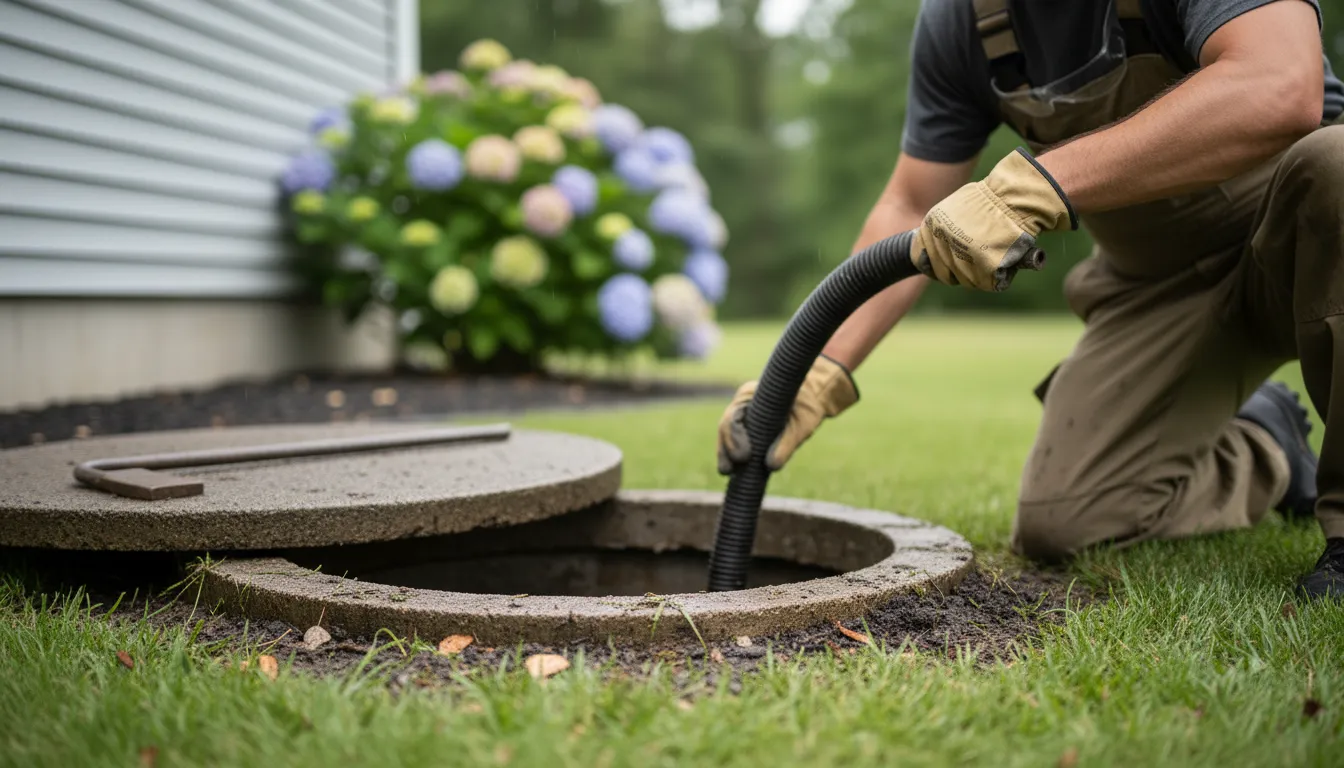
Maintaining your septic system is a critical, yet often overlooked, responsibility for homeowners. Septic tank pumping is the essential process of removing accumulated sludge and scum from your tank to prevent system backups, environmental contamination, and costly repairs. In Vallejo, adhering to a regular maintenance schedule is not just a good practice-it's vital for protecting your property and complying with California's wastewater regulations. This guide will help you understand the local specifics of septic service, from recommended frequency and costs to inspection requirements, so you can make informed decisions for your home's wastewater system.
American Sanitation Inc
1729 Action Ave, Napa, CA 94559
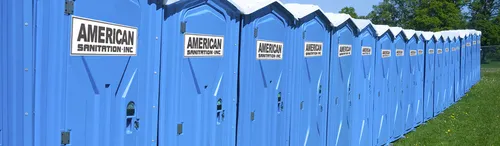
American Sanitation Inc is a family-owned business based in Santa Rosa, CA, serving Northern California with portable toilet rentals and septic tank services. They specialize in providing portable toilets for vineyards, construction sites, and special events across multiple cities including Napa, Oakland, and San Francisco. The company offers septic tank pumping services and maintains an after-hours contact number for emergencies.
Superior Septic Pumping Service
Santa Rosa, CA
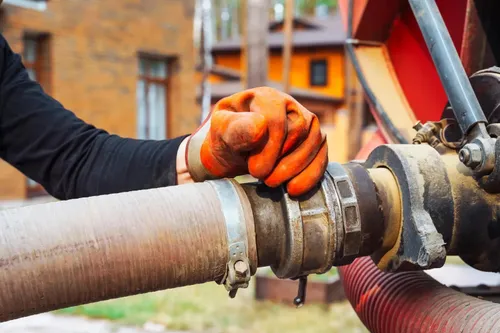
Superior Septic Pumping Service is a septic system maintenance and repair company based in Santa Rosa, CA. They offer services including septic pumping, tank cleanouts, repairs, and real estate inspections. With over 20 years of experience, the owner-operated business uses advanced equipment to handle issues such as sludge buildup, cracked pipes, and faulty drain fields. Their team serves Santa Rosa and surrounding areas, providing comprehensive septic solutions to help prevent backups and contamination.
Delatorre Septic and Trucking LLC
7000 Leisure Town Rd, Vacaville, CA 95688
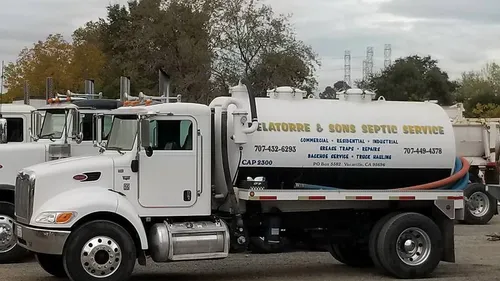
Delatorre Septic and Trucking LLC is a family-owned business providing septic system services in Fairfield, CA, and surrounding areas including Napa, Yolo, and Solano Counties. They offer septic tank pumping, inspection, repair, and installation for both residential and commercial customers. Established in 1992 initially as a trucking company, they have expanded to specialize in septic services and provide 24/7 emergency support. Their trucks can hold up to 2,600 gallons, enabling efficient waste removal for septic systems.

American Eagle Plumbing & Construction
5441 Victoria Ln, El Sobrante, CA 94803
American Eagle Plumbing & Construction is a licensed, bonded, and insured plumbing and construction company based near Berkeley, CA. Serving the East Bay, Peninsula, North Bay, South Bay, and San Francisco, they provide a full range of plumbing, sewer, septic system inspection, pumping, and repair services for residential, commercial, and municipal clients. With over 26 years of experience since 2001, the company specializes in trenchless sewer repair and works closely with PG&E and local municipalities to ensure code compliance and efficient project approvals. Their licensed plumbers are available 24/7 for emergency plumbing services.
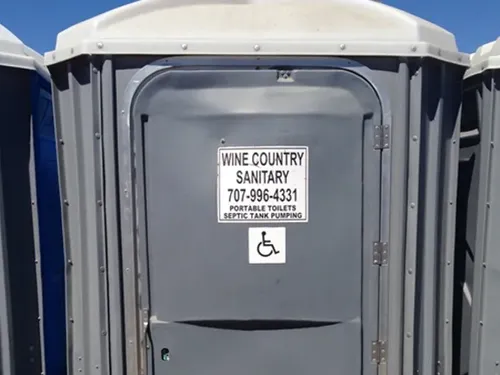
Wine Country Sanitary
1201 E MacArthur St Suite #1b, Sonoma, CA 95476
Wine Country Sanitary is a septic tank pumping and inspection company based in Santa Rosa, CA. They serve domestic and commercial clients in Sonoma and Napa County, offering services such as septic tank pumping, sump pump repairs, and mound system maintenance. The company also handles restaurant grease trap pumping, RV holding tank servicing, and winery wastewater management. With over 30 years of experience, Wine Country Sanitary provides site inspections and findings reports required by local regulations. They also offer portable toilet rentals for job sites and special events.
Why Regular Septic Maintenance is Non-Negotiable in Vallejo
Your septic system is a self-contained wastewater treatment plant on your property. When functioning correctly, it safely processes household water from toilets, showers, sinks, and laundry. The tank itself holds the wastewater long enough for solids to settle as sludge, while oils and grease float to the top as scum. The clarified liquid then flows out to the drainfield for further treatment in the soil. Pumping, or septic cleaning, is necessary because the sludge and scum layers accumulate over time. If they aren't removed, they can overflow into the drainfield, causing clogs, sewage backups into your home, and groundwater pollution 1.
In Vallejo and throughout California, protecting water quality is a top priority. The State Water Resources Control Board regulates Onsite Wastewater Treatment Systems (OWTS) to ensure they don't contaminate local waterways or drinking water sources. A failing septic system can leach harmful bacteria and nutrients into the environment. Regular pumping and inspection are your first line of defense, helping you stay compliant with these regulations and be a responsible steward of the local ecosystem.
How Often Should You Schedule Septic Pumping?
There's no one-size-fits-all answer, but a general rule for an average household in Vallejo is to pump your septic tank every 3 to 5 years 2. However, this is a starting point. The exact frequency for your home depends on several key factors:
- Household Size: More people mean more wastewater and solids. A large family may need service every 1-3 years, especially if the tank is on the smaller side. Conversely, a household with just 1-2 people might extend the interval to 5 years or more 3.
- Tank Size: A 1,500-gallon tank will naturally hold more waste than a 750-gallon tank and may not need pumping as often.
- Water Usage: Excessive water use from frequent laundry loads, long showers, or leaky fixtures can overwhelm the system, requiring more frequent maintenance.
- Solid Waste Input: Using a garbage disposal frequently significantly increases the amount of solids entering the tank, accelerating sludge buildup.
The most reliable method is to have the sludge and scum levels measured during an annual inspection. A common professional guideline is that your tank should be pumped when the combined depth of sludge and scum reaches one-third of the tank's liquid volume 4. Waiting until you see signs of failure-like slow drains, soggy ground over the drainfield, or sewage odors-means the problem has already escalated and repairs will be far more expensive than routine pumping.
The Critical Role of Annual Inspections
Think of an inspection as a yearly physical for your septic system. While pumping removes the buildup, an inspection assesses the overall health of the entire system. A qualified professional will:
- Locate and access the tank and drainfield.
- Measure the levels of sludge and scum to determine if pumping is needed.
- Check for leaks in the tank, pipes, and baffles.
- Inspect the drainfield for signs of surfacing effluent or saturation.
- Assess the mechanical components, like pumps or alarms, if present 5.
Annual inspections in Vallejo are strongly recommended because they can identify small issues-like a minor leak or a failing baffle-before they turn into major drainfield failures 6 7. Catching problems early is the single most effective way to avoid the high cost and disruption of a full system replacement.
Understanding Septic Pumping Costs in Vallejo
The cost for septic tank pumping in Vallejo typically ranges from $300 to $450 for a standard service, though prices can span from $200 to over $700 depending on your specific situation 8. Several factors influence the final price:
- Tank Size: Pumping a 1,500-gallon tank costs more than a 750-gallon tank due to the increased volume of waste and longer service time.
- Accessibility: If the tank's access lids are buried deep (more than 12 inches underground) or difficult to reach, the technician will need extra time and labor to excavate, increasing the cost. Installing access risers can make future service easier and cheaper 9.
- Condition: A tank that is severely overdue for service (e.g., 7+ years) may have hardened solids that require more effort to break up and remove, potentially adding $100 to $200 to the bill 10 11.
- Disposal Fees: Local fees for disposing of the septage at a treatment facility are factored into the price.
It's always wise to get a few detailed quotes from licensed providers. A reputable company will often provide a combined inspection and pumping service, giving you a complete picture of your system's health for a fair price.
Find the perfect septic tank pumping contractors for your needs
Get personalized recommendations and expert advice
Proactive Tips for a Healthy Septic System
Beyond scheduling regular pumping and inspections, you can extend the life of your system with smart daily habits:
- Conserve Water: Spread out laundry loads, fix dripping faucets and running toilets promptly, and consider installing high-efficiency fixtures to reduce the hydraulic load on your system.
- Mind What You Flush: Only human waste and toilet paper should go down the toilet. Never flush feminine hygiene products, diapers, wipes (even "flushable" ones), cigarette butts, or cat litter.
- Use the Garbage Disposal Sparingly: Compost food scraps instead. Heavy use of the disposal increases sludge accumulation, necessitating more frequent pumping 12.
- Protect the Drainfield: Never park vehicles or build structures over the drainfield. Keep roof drains, sump pumps, and other surface water away from the area to prevent saturation.
- Avoid Harsh Chemicals: Minimize the use of antibacterial soaps, bleach, and strong drain cleaners, which can kill the beneficial bacteria in your tank that break down waste.
Navigating Local Regulations
California and Solano County have specific rules governing septic systems to protect public health and water quality. The California Water Board's OWTS policy provides a framework, and local enforcement is typically handled by the county environmental health department 13. Key requirements often include:
- Obtaining a permit for any new installation, repair, or alteration.
- Adhering to mandatory inspection schedules, especially during property transfers.
- Ensuring systems are sited and constructed according to current standards, including setbacks from wells, property lines, and waterways.
Staying informed about these regulations is part of responsible homeownership. Your local septic service professional should be well-versed in Vallejo and Solano County requirements and can help ensure your system remains in compliance.
Choosing a Reliable Service Provider
When it's time for maintenance or repairs, selecting the right company is crucial. Look for providers who:
- Are licensed, insured, and certified to perform septic work in California.
- Have a solid local reputation with verifiable references or reviews.
- Provide clear, detailed written estimates before starting work.
- Offer a range of services, including pumping, inspections, repairs, and installation.
- Use modern equipment and explain the process clearly.
A trustworthy technician won't just pump your tank and leave; they will be a resource, answering your questions and offering advice tailored to your specific system and usage patterns.
Frequently asked questions
Sources
Footnotes
-
Frequent Questions on Septic Systems | US EPA - https://www.epa.gov/septic/frequent-questions-septic-systems ↩
-
Vallejo, CA Septic Services & Septic Tank Pumping - https://www.american-sanitation.com/septic-tank-pumping-service-vallejo-ca.php ↩
-
How Often to Pump a Septic Tank 2026 - Clear River Environmental - https://clearriverenvironmental.com/how-often-to-pump-a-septic-tank/ ↩
-
Septic Systems | Department of Environmental Protection - https://www.pa.gov/agencies/dep/residents/my-water/septic-systems ↩
-
Septic Tanks - Preventative Routine Maintenance - https://des.sc.gov/permits-regulations/septic-tanks/homeowner-resources/septic-tanks-preventative-routine-maintenance ↩
-
California Septic Tank Requirements | Onsite Wastewater ... - https://www.ntotank.com/blog/california-septic-tank-requirements ↩
-
SEPTIC SYSTEM ELVALUATION - https://priorityinspectionservices.com/septic-system-elvaluation ↩
-
How Much Does It Cost to Pump a Septic Tank? [2026 Data] | Angi - https://www.angi.com/articles/how-much-does-septic-tank-pumping-cost.htm ↩
-
How much does it cost to get a septic tank pumped out? - Reddit - https://www.reddit.com/r/homeowners/comments/1nyn7a4/how_much_does_it_cost_to_get_a_septic_tank_pumped/ ↩
-
Septic Pumping Cost by State: 2024 Complete Price Guide - https://wastedoor.com/article/septic-pumping-cost-by-state ↩
-
How Much Does It Cost To Pump a Septic Tank in 2025? - https://alphaenvironmental.net/blog/how-much-does-it-cost-to-pump-a-septic-tank/ ↩
-
Pumping & Maintenance Tips - Septic Treatment - https://www.sosonsiteca.net/resources/pumping-maintenance-tips ↩
-
Onsite Wastewater Information (Septic Systems) - https://www.waterboards.ca.gov/centralcoast/water_issues/programs/septics/ ↩