Find the Best Septic Tank Pumping Contractors for Your Business
No obligation • Fast responses • Nationwide coverage

Why you can trust Septic Spot
Septic Spot is a leading United States resource for understanding and comparing septic services. Our editors review providers using consistent criteria and verify key business details. Listings and scores are independent, and companies cannot pay to influence our content.
Search providers near you
Top Septic Tank Pumping Contractors in West Sacramento, California Ranked
Maintaining a healthy septic system is a crucial responsibility for homeowners in West Sacramento. Regular septic tank pumping is the most essential service to prevent backups, protect your property, and ensure your system complies with local Yolo County regulations. This guide explains how septic maintenance works, why it's important, and how you can connect with qualified local professionals to schedule your next service.
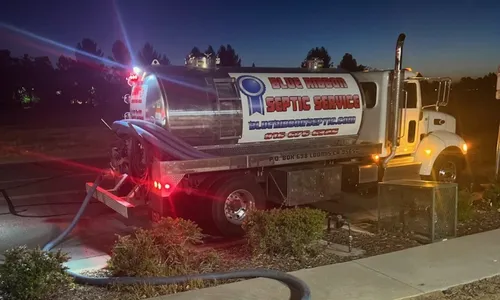
Blue Ribbon Septic LLC
Sacramento, CA
Blue Ribbon Septic LLC provides septic tank pumping, cleaning, inspection, and repair services in Sacramento, CA. With over 30 years of experience, they serve residential and commercial clients in Sacramento and nearby areas including Roseville and Elk Grove. Their capabilities include lift station pumping, septic riser and lid installation, and outlet baffle replacement. They also offer comprehensive real estate septic system inspections with full reports. The company emphasizes reliable septic system maintenance and emergency septic tank pumping when needed.
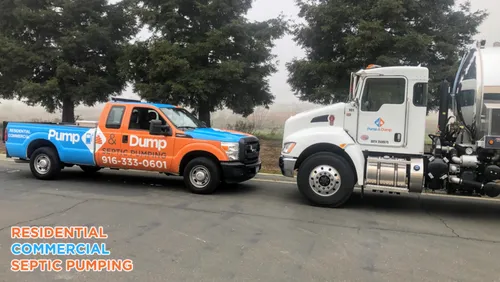
Pump & Dump Septic
1030 N D St #300, Sacramento, CA 95811
Pump & Dump Septic is a septic tank pumping company based in Sacramento, CA. They provide septic services throughout Sacramento, the Bay Area, Northern California, and Central California. The company offers septic tank pumping and related services with availability for emergency service via text. Their office operates daily with extended hours to accommodate customer needs.
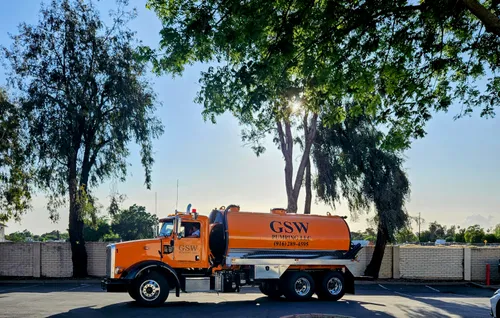
GSW Pumping LLC
Sacramento, CA
GSW Pumping LLC is a septic tank pumping company based in Antelope, CA, serving Sacramento and surrounding areas. They provide septic pumping, grease trap cleaning, wastewater hauling, and line jetting services. The company offers 24/7 availability to handle emergencies and routine maintenance. Their high-pressure line jetting service helps clear stubborn clogs and maintain proper flow in plumbing systems. GSW Pumping LLC emphasizes safe and efficient wastewater management with a local commitment to their community.
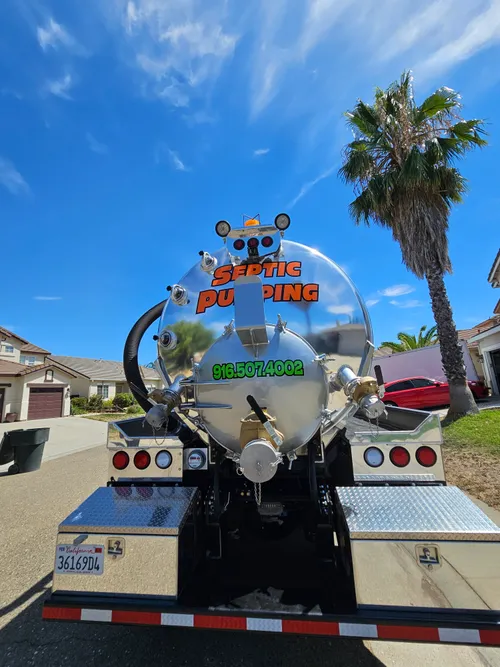
Septic Pumping and Drain Solutions
7901 Doe Trail Way, Antelope, CA 95843
Septic Pumping and Drain Solutions is a septic service provider based in Sacramento, CA, offering residential and commercial septic pumping, inspections, and repairs. They serve Sacramento and surrounding areas including Elk Grove, Roseville, Folsom, Davis, and Rio Linda. The company provides 24/7 emergency septic services, handling issues like backups, overflows, and system failures with advanced diagnostic tools and immediate repairs. Established in 2003, they have over 20 years of experience in septic system maintenance and emergency response.
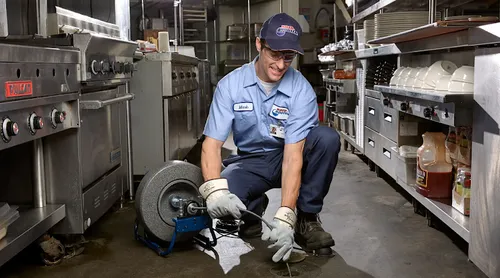
Roto-Rooter Plumbing & Water Cleanup
3961 Pell Cir, Sacramento, CA 95838
Roto-Rooter Plumbing & Water Cleanup has been serving Sacramento, CA, since 1935, providing a wide range of plumbing services including septic tank pumping and septic system repairs. The company offers 24/7 availability and emergency services, addressing both residential and commercial plumbing needs. Their expertise includes drain cleaning, water cleanup, and septic system maintenance, ensuring comprehensive plumbing solutions for the Sacramento area.
Understanding Your Septic System
A septic system is an on-site wastewater treatment plant for properties not connected to a municipal sewer line. In West Sacramento, many homes, especially in more rural or established neighborhoods, rely on these systems. The process begins in the septic tank, a buried, watertight container where solids settle to form sludge, fats float to create scum, and the clarified liquid flows out to a drain field for further treatment in the soil.
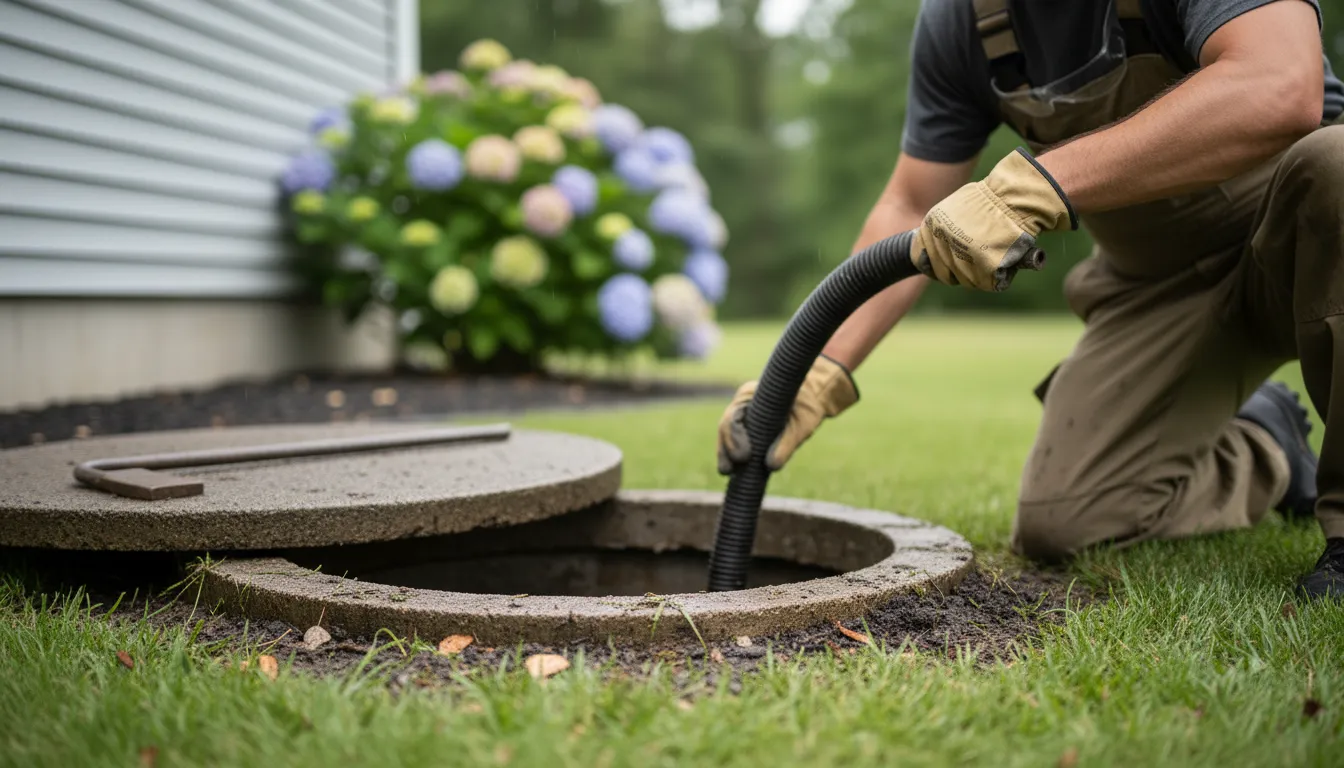
The septic tank pumping service, often called septic cleaning or tank evacuation, involves a professional using a vacuum truck to remove the accumulated sludge and scum layers from your tank. This prevents these solids from flowing into and clogging the drain field, which is the most common and expensive cause of system failure.
Why Regular Pumping is Non-Negotiable
Neglecting your septic tank can lead to serious and costly problems. When a tank becomes too full, solids escape into the drain field, clogging the soil pores. This can cause sewage to surface in your yard, create foul odors, and lead to backups into your home through toilets and drains. A failed drain field often requires a complete replacement, which is a major excavation project costing thousands of dollars 1.
Beyond property damage, a malfunctioning system poses public health risks by contaminating groundwater and surface water. This is why Yolo County Environmental Health (YCEH) has strict regulations governing septic systems, including required inspections during installation and repair. Proactive maintenance through regular pumping is the best way to avoid regulatory issues and protect your investment.
How Often Should You Pump Your Septic Tank?
The standard recommendation for most residential systems is to schedule septic tank pumping every 3 to 5 years 2. However, this is a general guideline. The exact frequency for your home depends on several key factors:
- Household Size and Water Usage: A family of four or more will fill a tank faster than a single occupant. More laundry, showers, and dishwasher cycles mean more water and waste entering the system.
- Tank Size: Older homes may have smaller tanks (e.g., 500-750 gallons) that require more frequent pumping compared to modern 1,000-gallon or larger tanks.
- Garbage Disposal Use: Using a garbage disposal significantly increases the amount of solids entering the tank. If you use a disposal regularly, pumping every 1 to 3 years is often recommended 3 4.
- Type of System: Conventional gravity systems are the most common. However, if your property has an alternative system with pumps, aerators, or sand filters, it may require more frequent, sometimes annual, professional inspection and maintenance 5.
A professional inspection is the only way to know for sure. Technicians can measure the sludge and scum layers in your tank to provide a personalized pumping schedule.
The Professional Pumping Process: What to Expect
When you hire a licensed provider for septic tank pumping in West Sacramento, the service typically follows these steps:
- Locating the Tank: If the tank lids are buried, the technician will use probing tools or locate records to find them. Some providers may need to perform light excavation.
- Inspecting the System: Before pumping, a good technician will perform a basic inspection, checking inlet and outlet baffles and looking for signs of damage or leaks.
- Pumping the Tank: A large hose is inserted through the manhole, and a powerful vacuum truck removes all contents-sludge, scum, and liquid-from the tank.
- Post-Pumping Check: After pumping, the tank may be rinsed with water to help break up remaining solids, and the inspection is completed. The technician should inform you of the tank's condition and any concerns.
- Proper Disposal: The waste is transported to a licensed treatment facility for processing, in full compliance with environmental regulations 6.
The Critical Role of Inspections
While pumping removes solids, a comprehensive septic system inspection assesses the overall health of the entire system. The U.S. EPA recommends an inspection by a professional at least every three years 7. An inspection is crucial because it can identify problems like cracked tanks, blocked pipes, or a failing drain field long before they cause a disaster in your home.
Yolo County requires inspections before any new septic system is backfilled or after significant repairs. During a standard inspection, a professional will:
- Locate and uncover all system components.
- Measure sludge and scum levels to determine pumping need.
- Check the tank's structural integrity and baffles.
- Evaluate the drain field for signs of failure (e.g., soggy soil, odors).
- Run water through the system to check flow and drainage.
Find the perfect septic tank pumping contractors for your needs
Get personalized recommendations and expert advice
Costs for Pumping and Maintenance in West Sacramento
Understanding the potential costs helps in planning this important home maintenance task. In the West Sacramento and greater Sacramento area, prices can vary based on several factors.
- Standard Pumping Cost: The average cost for routine septic tank cleaning typically ranges from $300 to $700 8 9. The final price depends on your tank's size (e.g., 1,000 vs. 1,500 gallons), its accessibility, and how much solid waste needs to be removed.
- Factors That Increase Cost: If your tank lids are buried and require excavation, or if the tank hasn't been pumped in many years (requiring more labor and disposal), the price may be higher 10.
- Inspection Costs: A professional septic inspection is a separate service and generally costs between $500 and $1,000, depending on the depth and complexity of the system 11 12. This investment is minor compared to the cost of repairing a failed drain field.
Protecting Your Septic System: Best Practices
Your daily habits have a direct impact on your system's longevity. Follow these tips to keep it functioning smoothly between pumpings:
- Conserve Water: Fix leaky faucets and toilets, and spread out laundry loads to avoid overwhelming the system.
- Mind What You Flush: Only flush human waste and toilet paper. Never flush wipes (even "flushable" ones), feminine hygiene products, dental floss, diapers, or cat litter.
- Use the Trash Can: Avoid using a garbage disposal if possible. Never pour cooking fats, grease, or oil down the drain. Dispose of food scraps in the trash or compost 13.
- Avoid Harsh Chemicals: Minimize the use of bleach, antibacterial soaps, and strong drain cleaners, which can kill the beneficial bacteria in your tank that break down waste.
- Protect the Drain Field: Never park vehicles or build structures over the drain field. Keep roof drains, sump pumps, and other surface water away from the area.
Navigating Yolo County Regulations
Septic systems in West Sacramento are primarily regulated by Yolo County Environmental Health (YCEH). It's important to know that most new installations, repairs, or significant modifications require a permit from their office 14. If you are buying or selling a home with a septic system, an inspection and certification of the system's functionality are often required.
If you don't know where your system components are located, you can request records from Yolo County, or a professional service can help locate them for you. Always check with YCEH for the most current regulations applicable to your specific property.
Frequently asked questions
Sources
Footnotes
-
Septic System Upkeep Guide Sacramento | Prevent Costly Issue | Blog - https://www.blueribbonseptic.com/blog/septic-system-upkeep-guide ↩
-
How Often Does a Septic Tank Need to Be Pumped? - https://gullettsanitation.com/2023/12/how-often-does-a-septic-tank-need-to-be-pumped/ ↩
-
How Often to Pump Your Septic Tank? Splash Plumbing's Guide - https://www.splashplumbing.com/how-often-should-septic-tank-be-pumped-for-optimal-maintenance-and-longevity/ ↩
-
How Often Should My Septic Tank Pumped In California - https://www.lanikseptic.com/how-often-should-my-septic-tank-pumped-in-california/ ↩
-
Sacramento Septic Services: Complete Homeowner Guide | Blog - https://www.blueribbonseptic.com/blog/a-z-guide-to-sacramento-septic-services ↩
-
Compliance Requirements for Septic & Grease Trap Services in ... - https://septicpumpingsolution.com/compliance ↩
-
How to Care for Your Septic System | US EPA - https://www.epa.gov/septic/how-care-your-septic-system ↩
-
Septic Tank Cleaning and Pumping Sacramento - https://www.blueribbonseptic.com/blog/septic-tank-cleaning-pumping-sacramento ↩
-
Septic Tank Pumping Cost & Maintenance | Reliable Plumbing Services - https://www.benjaminfranklinplumbing.com/league-city/blog/2025/february/how-much-does-it-cost-to-pump-a-septic-tank-essential-budget-guide/ ↩
-
Septic Maintenance Sacramento | Homeowner's Complete Guide - https://www.blueribbonseptic.com/blog/septic-maintenance-sacramento-guide ↩
-
How Often to Pump Septic Tank: 2026 Maintenance Guide - https://dandhsepticservices.com/how-often-to-pump-septic-tank/ ↩
-
How Much Does a Septic System & Septic Tank Cost - NexGen Septics - https://www.nexgenseptics.com/septic-system-cost/ ↩
-
Liquid Waste (Septic Systems) - Environmental Management - https://emd.saccounty.net/EMDFAQs/Pages/SepticSystem.aspx ↩
-
Required Inspections during Installation of OWTS - Yolo County - https://www.yolocounty.gov/government/general-government-departments/community-services/environmental-health-division/land-use-programs/onsite-wastewater-treatment-system-program/owts-septic-systems-inspections ↩