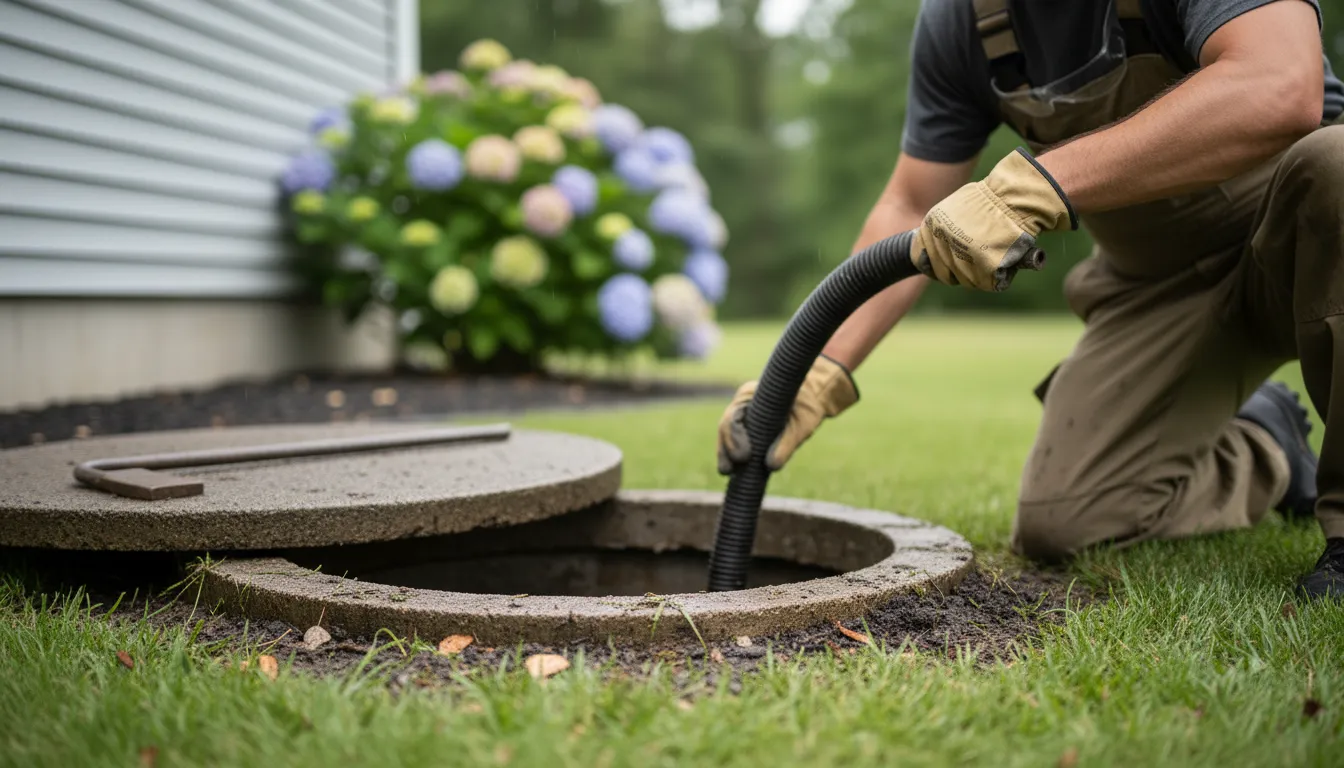
Find the Best Septic Tank Pumping Contractors for Your Business
No obligation • Fast responses • Nationwide coverage

Why you can trust Septic Spot
Septic Spot is a leading United States resource for understanding and comparing septic services. Our editors review providers using consistent criteria and verify key business details. Listings and scores are independent, and companies cannot pay to influence our content.
Search providers near you
Top Septic Tank Pumping Contractors in Bellevue, Washington Ranked
Maintaining a healthy septic system is a crucial responsibility for homeowners not connected to municipal sewer lines. Septic tank pumping is the essential process of removing accumulated solids from your tank to prevent system failure, environmental contamination, and costly repairs. For Bellevue residents, understanding local guidelines and finding a qualified professional for this maintenance is key to protecting your property and our local watersheds, including Lake Washington and the Sammamish River. This guide provides the information you need to understand service intervals, costs, and how to connect with certified local providers for your septic system care.
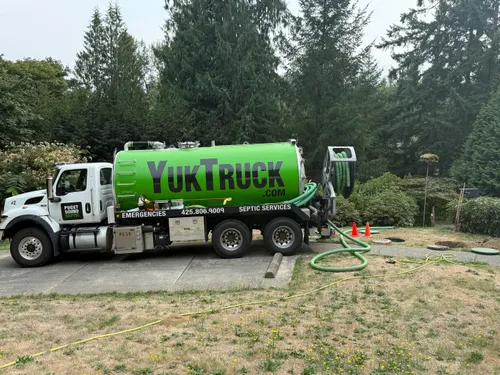
Puget Sound Septic
20222 SE 245th St, Maple Valley, WA 98038
Puget Sound Septic is a septic tank pumping and inspection company serving Kent, WA. They offer septic tank cleaning using advanced technology and trained technicians to provide efficient pumping services. The company also provides video septic line inspections to help identify potential issues early. Puget Sound Septic is committed to maintaining the smooth operation of septic systems and offers services for both routine and emergency needs.
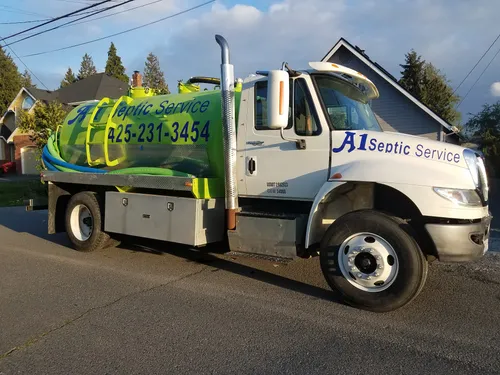
A1 Septic Service
10121 Evergreen Wy Suite 25-696, Everett, WA 98204
A1 Septic Service is a family-owned company based in Everett, WA, providing septic system pumping, inspection, and repair services. Serving Snohomish and King County, they cater to residential, commercial, and municipal customers with over 25 years of experience. Their capabilities include emergency septic pumping available 24/7 to address urgent needs promptly. Established in 1998, A1 Septic Service emphasizes thorough, licensed, and insured work with a commitment to customer satisfaction.
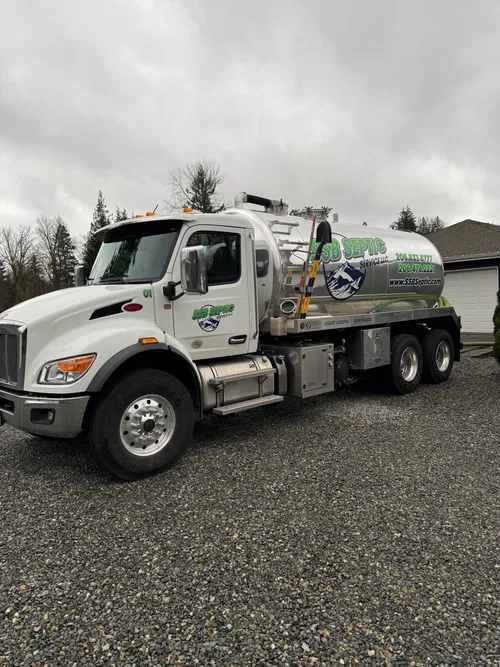
SSB Septic Services
Kent, WA
SSB Septic Services is a family-owned company serving Kent, WA, and the surrounding areas. They provide a range of septic services including tank pumping, system repair, and installation. With over a decade of experience, they focus on eco-friendly solutions and long-term customer satisfaction. The company offers 24/7 emergency response to handle urgent septic system issues promptly. Their expertise includes environmental compliance and sustainable septic system practices.
Fresh N Clean Septic
17226 NE Woodinville Duvall Rd, Woodinville, WA 98072
Fresh N Clean Septic provides septic tank pumping, inspection, and repair services in Seattle, WA. They serve the greater Snohomish and King Counties with eco-responsible septic solutions designed to protect both property and the environment. The company offers comprehensive septic system maintenance, including pumping, cleaning, and repairs, supported by licensed and experienced technicians. Fresh N Clean Septic also provides emergency availability to address urgent septic issues promptly.
Lilly's Septic Service
26207 Maple Valley Black Diamond Rd SE Ste D1, Maple Valley, WA 98038
Lilly's Septic Service is a septic tank pumping, inspection, repair, and installation company based in Kent, WA. Serving King County and the Puget Sound region, they offer comprehensive septic system services including certified installations and thorough inspections. With over 48 years of experience, Lilly's Septic Service provides expertise in maintaining safe and efficient septic systems for both homes and businesses.
Understanding Your Septic System in Bellevue
A septic system is an on-site wastewater treatment structure, commonly used in areas without centralized sewer service. In Bellevue, many homes, particularly in more rural or established neighborhoods, rely on these private systems. The system typically consists of a septic tank and a drainfield (or leach field). Wastewater from your home flows into the tank, where solids settle to the bottom as sludge, and fats and oils float to the top as scum. The liquid effluent in the middle layer then flows out to the drainfield, where it is naturally filtered by the soil.
Regular septic tank maintenance, primarily through periodic pumping, is non-negotiable. When sludge and scum accumulate beyond designed levels, they can flow into the drainfield, clogging the soil and causing system failure. This can lead to sewage backing up into your home or surfacing in your yard, creating health hazards and requiring very expensive repairs or a complete system replacement.
How Often Should You Pump Your Septic Tank in Bellevue?
The standard recommendation for septic tank cleaning in Bellevue and across Washington state is every 3 to 5 years for an average-sized household. However, this is a general guideline. The King County Health Department and the Washington State Department of Health emphasize that the only way to know your tank's specific needs is through a professional inspection.
Several key factors influence how often your system requires septic service:
- Household Size: More people generally mean more wastewater and solids.
- Small Household (1-2 people): May extend to every 4-5 years 1.
- Water Usage: High water consumption from frequent laundry, long showers, or leaky fixtures fills the tank faster and doesn't allow solids adequate time to settle.
- Garbage Disposal Use: Using a garbage disposal significantly increases the amount of solids and grease entering the tank, necessitating more frequent septic pumping 4.
- Tank Size: A smaller tank will fill with solids more quickly than a larger one.
The definitive rule for pumping is based on the measured levels of sludge and scum inside your tank. A professional inspector will check these levels and recommend pumping when the sludge layer is within 12 inches of the outlet fitting or when the scum layer is within 3 inches of the outlet baffle.
The Importance of Professional Inspection
Scheduling a routine inspection is the cornerstone of proactive septic system care. It's not just about deciding when to pump; it's about catching small problems before they become disasters. King County recommends inspections by certified professionals to assess the entire system's health 5.
During an inspection, a certified provider will:
- Locate and access your tank and drainfield.
- Measure the sludge and scum layers to determine if pumping is needed.
- Check inlet and outlet baffles for blockages or damage.
- Inspect for signs of leaks, corrosion, or structural issues in the tank.
- Look for signs of drainfield failure, such as overly lush grass or soggy soil over the field.
- Evaluate the overall system function and provide a detailed report.
For some system types, like pressure distribution systems, annual inspections may be required. More common gravity systems typically need inspection every 3 years, which often aligns with the pumping schedule 6 7.
Find the perfect septic tank pumping contractors for your needs
Get personalized recommendations and expert advice
What to Expect: The Septic Pumping Process
When you hire a professional for septic tank emptying, a systematic process ensures a thorough and safe job.
- Locating and Uncovering: The technician will locate your tank and dig to expose the manhole cover(s). It's helpful if homeowners know and mark the tank location beforehand.
- Initial Inspection: Before pumping, the provider may inspect the sludge and scum levels.
- Pumping: Using a large tank truck (vacuum truck), all liquid and solid waste is pumped out of the tank. A reputable service will pump from the main central manhole, not just the smaller baffle inspection ports, to ensure a complete cleanout.
- System Check: After pumping, the technician should inspect the empty tank for cracks, baffle integrity, and the condition of the outlet filter (if present).
- Cleanup and Re-burial: The area is cleaned, and the lid is securely replaced before the access point is backfilled.
- Disposal: The pumped waste, known as septage, is transported to a licensed treatment facility for processing, in compliance with Washington state regulations.
Never attempt to pump or inspect your tank yourself. The process involves heavy equipment, exposure to hazardous gases, and the risk of structural collapse. Professional certification ensures proper and safe disposal of waste.
Cost of Septic Tank Pumping in Bellevue
The cost for septic tank pumping services in the Bellevue area typically ranges from $650 to over $1,000, with an average cost often falling within that range 8. Several variables influence the final price:
- Tank Size and Volume: Larger tanks (e.g., 1,500-gallon) cost more to pump than standard 1,000-gallon tanks.
- Accessibility: If the tank is deep, under a hardscape like a patio or driveway, or surrounded by dense landscaping, the extra labor and time will increase the cost.
- Condition of the Tank: If the tank lids are difficult to locate or the system hasn't been pumped in many years (requiring more labor to break up hardened solids), the price may be higher.
- Additional Services: Costs for a full inspection, filter cleaning, or minor repairs will be added to the base pumping fee.
While prices as low as $200 or as high as $1,237 are cited in broader regional data, Bellevue's market rates, driven by labor costs and compliance standards, tend to be on the higher end of the spectrum 9 10. Always get detailed, written estimates from multiple certified providers.
Local Regulations and Finding Certified Providers in King County
Bellevue residents must adhere to guidelines set by King County Environmental Health and the Washington State Department of Health (DOH) 11. These agencies regulate the design, installation, maintenance, and repair of on-site sewage systems (OSS).
It is crucial to hire a certified septic pumper and inspector. Certified professionals have the training required by the state to properly evaluate your system and ensure their work meets health and safety codes. They also understand local soil conditions and regulations specific to the Puget Sound region.
You can find a list of certified septic system professionals through the Washington State Department of Health website or by contacting King County Environmental Health directly 12. When selecting a provider, verify their state certification, ask for proof of insurance, check online reviews, and request references from local clients.
Maintaining Your System Between Pumpings
Proper daily care extends the life of your system and stretches the time between necessary pumpings.
- Conserve Water: Fix leaky faucets and toilets promptly. Spread out laundry loads over the week and consider installing high-efficiency fixtures.
- Mind What You Flush: Only human waste and toilet paper should go down the toilet. Never flush wipes (even "flushable" ones), feminine hygiene products, dental floss, diapers, or paper towels.
- Be Careful in the Kitchen: Avoid pouring cooking oils, grease, or fat down the drain. Minimize use of the garbage disposal. Compost food scraps instead.
- Protect Your Drainfield: Never park or drive heavy vehicles over the drainfield. Keep roof drains, sump pumps, and other surface water away from the area. Plant only grass over the drainfield; tree and shrub roots can cause severe damage.
Signs Your Septic System Needs Attention
Don't wait for a full-blown failure. Be alert to these warning signs that your system may need pumping or repair:
- Slow drains or gurgling sounds in plumbing fixtures.
- Sewage odors in your home or yard.
- Water pooling or overly soggy, bright green grass over the drainfield.
- Sewage backing up into household drains.
- The ground over the tank or drainfield is soft or mushy.
If you notice any of these signs, contact a certified professional immediately to schedule an inspection.
Frequently asked questions
Sources
Footnotes
-
How Often Should You Pump Your Septic Tank in Seattle? - https://gogreenlatrine.com/how-often-pump-septic-tank/ ↩
-
Septic Systems | Department of Environmental Protection - https://www.pa.gov/agencies/dep/residents/my-water/septic-systems ↩
-
Washington Homeowners: How Often to Pump Your Septic Tank? - https://www.goebelseptic.com/how-often-should-you-pump-your-septic-tank/ ↩
-
Caring for Your Septic System | Washington State Department of ... - https://doh.wa.gov/community-and-environment/wastewater-management/septic-system/caring-your-system ↩
-
On-site sewage/septic system inspections - https://kingcounty.gov/en/dept/dph/health-safety/environmental-health/on-site-sewage-systems/maintaining-your-system/inspections ↩
-
About septic systems - King County, Washington - https://kingcounty.gov/en/dept/dph/health-safety/environmental-health/on-site-sewage-systems/maintaining-your-system/about ↩
-
Homeowner's Septic System Manual - King County - https://cdn.kingcounty.gov/-/media/king-county/depts/dph/documents/health-safety/environmental-health/oss/educational-downloads/homeowners-septic-system-manual.pdf?rev=82630971dc9e4074850c68d917f0eb26&hash=AC8FBC2F982C89461F268174B59624C5 ↩
-
How Much Does It Cost to Pump a Septic Tank in Washington? - https://www.sterlingsepticandplumbing.com/blog/how-much-does-septic-tank-pumping-cost/ ↩
-
Septic Tank Pumping Cost: Guide & Pricing in 2025 - Splash Plumbing - https://www.splashplumbing.com/how-much-does-it-cost-to-pump-septic-tank-understanding-pricing-and-factors-involved/ ↩
-
How Much Does It Cost To Pump a Septic Tank in 2025? - https://alphaenvironmental.net/blog/how-much-does-it-cost-to-pump-a-septic-tank/ ↩
-
Holding Tank and Incinerator Sewage Systems - https://doh.wa.gov/sites/default/files/legacy/Documents/Pubs/337-006.pdf ↩
-
Septic Systems - Washington State Department of Health - https://doh.wa.gov/community-and-environment/wastewater-management/septic-system ↩