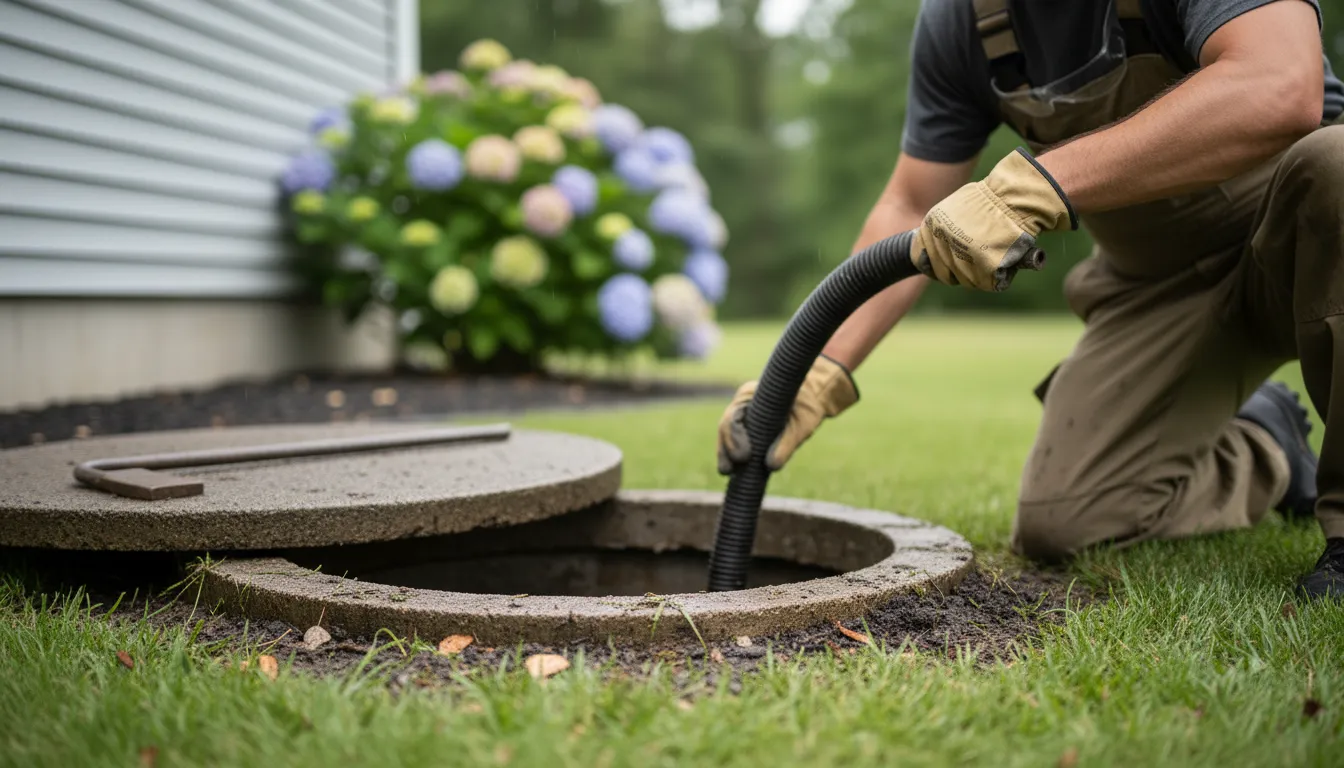
Find the Best Septic Tank Pumping Contractors for Your Business
No obligation • Fast responses • Nationwide coverage

Why you can trust Septic Spot
Septic Spot is a leading United States resource for understanding and comparing septic services. Our editors review providers using consistent criteria and verify key business details. Listings and scores are independent, and companies cannot pay to influence our content.
Search providers near you
Top Septic Tank Pumping Contractors in Tacoma, Washington Ranked
Maintaining a healthy septic system is a crucial responsibility for homeowners in Tacoma and throughout Pierce County. Regular septic tank pumping is the most essential service to prevent system failure, protect your property value, and safeguard the local environment, including sensitive waterways like Lake Tapps. This guide provides clear, actionable information on how often to schedule this service, what to expect during the process, and how to find qualified local professionals to handle your system's maintenance needs.
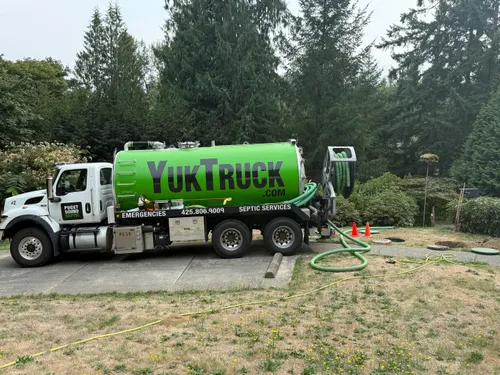
Puget Sound Septic
20222 SE 245th St, Maple Valley, WA 98038
Puget Sound Septic is a septic tank pumping and inspection company serving Kent, WA. They offer septic tank cleaning using advanced technology and trained technicians to provide efficient pumping services. The company also provides video septic line inspections to help identify potential issues early. Puget Sound Septic is committed to maintaining the smooth operation of septic systems and offers services for both routine and emergency needs.
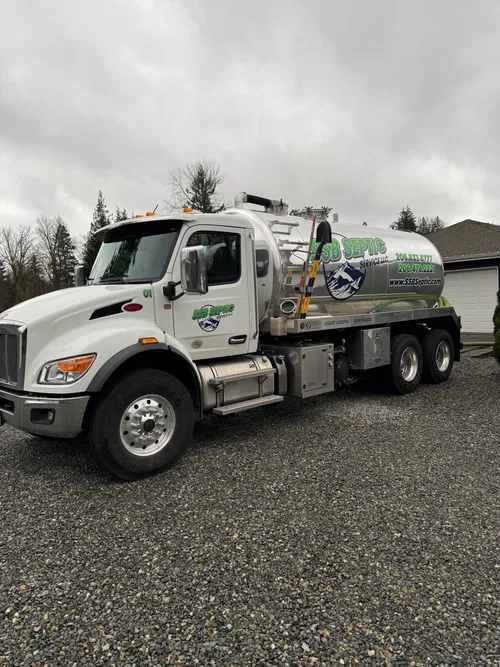
SSB Septic Services
Kent, WA
SSB Septic Services is a family-owned company serving Kent, WA, and the surrounding areas. They provide a range of septic services including tank pumping, system repair, and installation. With over a decade of experience, they focus on eco-friendly solutions and long-term customer satisfaction. The company offers 24/7 emergency response to handle urgent septic system issues promptly. Their expertise includes environmental compliance and sustainable septic system practices.
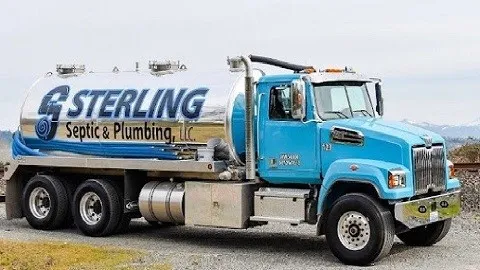
Sterling Septic & Plumbing LLC
11920 58 Ave E, Puyallup, WA 98373
Sterling Septic & Plumbing LLC provides septic tank pumping, inspections, and repair services in Tacoma, WA. They serve homeowners and realtors across Pierce, King, and Thurston counties. The company offers same-day service and specializes in septic system maintenance and repairs.
Lilly's Septic Service
26207 Maple Valley Black Diamond Rd SE Ste D1, Maple Valley, WA 98038
Lilly's Septic Service is a septic tank pumping, inspection, repair, and installation company based in Kent, WA. Serving King County and the Puget Sound region, they offer comprehensive septic system services including certified installations and thorough inspections. With over 48 years of experience, Lilly's Septic Service provides expertise in maintaining safe and efficient septic systems for both homes and businesses.

Pumpout Seattle
Seattle, WA
Pumpout Seattle provides septic tank pumping services in Seattle, WA, including Lake Union, Lake Washington, Shilshole Bay, and the Duwamish River. The company offers scheduled pumpout services at various locations throughout the week and has recently expanded to serve Anacortes. Customers can request service online and choose options like Auto-Pay or invoicing by email. Pumpout Seattle specializes in septic tank pumping for marine and waterfront areas, maintaining regular service routes to ensure consistent coverage.
Understanding Your Septic System's Needs
A septic system is an on-site wastewater treatment plant for your home. When functioning correctly, it safely processes household water from toilets, showers, sinks, and appliances. Solid waste settles at the bottom of the tank as sludge, while fats and oils float to the top as scum. The liquid effluent in the middle flows out to the drainfield. Septic tank cleaning-the process of removing these accumulated solids-is necessary to prevent them from flowing into and clogging the drainfield, which can lead to costly repairs and environmental contamination1.
In Tacoma, your maintenance schedule isn't just a recommendation; it's often a requirement. The Tacoma-Pierce County Health Department (TPCHD) mandates regular inspections, and the pumping frequency is directly tied to these findings. Keeping up with this maintenance is the best way to ensure your system's longevity and compliance with local regulations.
Recommended Pumping Frequency for Tacoma Homes
How often you need to pump your septic tank depends on several key factors. While a general rule of every 3 to 5 years applies to many households, your specific situation may differ.
- Household Size and Water Usage: The number of people in your home is the primary driver. A 1,000-gallon tank serving a family of four or more may need pumping every 2 to 3 years2 3. High water usage from frequent laundry, long showers, or leaky fixtures fills the tank faster, requiring more frequent service.
- Tank Size and System Type: Older homes may have smaller tanks that fill more quickly. Furthermore, alternative or advanced treatment systems (ATUs), common in environmentally sensitive areas, often require more frequent inspection and maintenance-sometimes annually-as stipulated by the health department.
- Habits and Practices: Using a garbage disposal significantly increases the amount of solids entering your tank, potentially shortening the time between necessary pump-outs4. Similarly, flushing non-biodegradable items can accelerate sludge buildup.
The most reliable method is to have your tank inspected annually by a licensed professional. They can measure the sludge and scum layers and give you a precise recommendation for when pumping is needed5.
Local Regulations and Required Inspections
Pierce County has stringent rules to protect public health and water quality. If you live in a designated sensitive area, such as near Lake Tapps, the Key Peninsula, or Minter Bay, you will receive formal inspection notices from the TPCHD 6. These inspections are mandatory and must be performed by a licensed operation and maintenance specialist.
The inspection frequency is typically every 1 to 3 years, depending on your system's classification and location 7. The inspector will check for proper sludge and scum levels, ensure the mechanical components (like pumps and alarms) are working, and verify that the drainfield is not failing. Failing to comply with these inspection requirements can result in penalties. Always keep records of all inspections, pumping, and repairs for your files and for potential real estate transactions.
What to Expect: The Pumping Process and Costs
A standard septic tank service visit involves a few key steps. The provider will locate and uncover your tank's access lids. They will then insert a large hose to vacuum out all the contents-sludge, scum, and liquid-into a specialized truck. A thorough provider will also inspect the baffles and tank structure for cracks or damage and may briefly run water to check the flow to the drainfield.
In the Tacoma area, the average cost for a standard septic tank pumping is approximately $3808. You can typically expect a range from $280 to $520 for a routine service8 9. Several factors can influence this price:
- Tank Size and Accessibility: Larger tanks cost more to pump. If the tank is buried deep, under landscaping, or difficult for trucks to reach, the price may increase.
- Condition of the Tank: A severely neglected tank with hardened solids may require additional labor or even a special treatment to break up the waste, potentially adding $100 to $200 to the total cost10.
- Additional Services: If the inspection reveals issues like a damaged baffle or a failing drainfield, repairs will be quoted separately. In extreme cases of neglect, complete system failure can lead to repair or replacement costs in the thousands.
Investing in regular pumping is far more economical than dealing with the consequences of a failed system.
Find the perfect septic tank pumping contractors for your needs
Get personalized recommendations and expert advice
Choosing a Qualified Service Provider in Tacoma
Selecting the right professional is critical. Always choose a contractor who is licensed by the state of Washington to perform septic system work. They should also carry adequate insurance. Look for companies with strong local reputations and experience specifically with the types of systems common in Pierce County, including conventional and alternative systems.
A reputable provider will be happy to explain the process, provide a detailed invoice that includes the volume pumped, and note any observations about your tank's condition. They should not recommend pumping more frequently than necessary but will base their advice on what they observe during the service. You can verify a contractor's license and check for any complaints through the Washington State Department of Labor & Industries.
Maintaining Your System Between Pumpings
Proper care extends the time between pumpings and protects your system's health. Follow these essential do's and don'ts:
- Conserve Water: Fix leaky faucets and toilets promptly. Spread out laundry loads over the week instead of doing many loads in one day.
- Mind What You Flush: Only human waste and toilet paper should go down the toilet. Never flush feminine hygiene products, diapers, wipes (even "flushable" ones), cigarette butts, or cat litter.
- Be Careful in the Kitchen: Avoid using a garbage disposal frequently. Do not pour cooking oils, grease, or fat down the drain. Use minimal amounts of drain cleaner, as harsh chemicals can kill the beneficial bacteria in your tank.
- Protect Your Drainfield: Never park or drive heavy vehicles over the drainfield. Keep roof drains, sump pumps, and other surface water away from the area. Avoid planting trees or shrubs with deep roots near the field.
Signs Your Tank Needs Immediate Attention
Don't wait for a scheduled inspection if you notice these warning signs of a full or failing system:
- Slow-draining sinks, tubs, or toilets.
- Gurgling sounds in your plumbing.
- Sewage odors in your yard or home.
- Unusually lush, green grass or standing water over the drainfield.
- Sewage backing up into household drains.
If you observe any of these issues, contact a septic professional immediately to assess the situation.
Resources for Tacoma Homeowners
Staying informed is easy with local resources:
- Tacoma-Pierce County Health Department (TPCHD): Provides specific maintenance records, requirements, and guidance for your property. They are the authority for inspection mandates in sensitive areas11 12.
- Washington State Department of Health (DOH): Offers comprehensive guidance on septic system care, protection, and troubleshooting for homeowners across the state.
Frequently asked questions
Sources
Footnotes
-
Caring for Your Septic System | Washington State Department of Health - https://doh.wa.gov/community-and-environment/wastewater-management/septic-system/caring-your-system ↩
-
Washington's Septic Tank Pumping Guide: Clearing the Crud - https://www.nwsepticservices.com/clearing-the-crud-washingtons-guide-to-septic-tank-pumping/ ↩
-
Frequently Asked Questions about Bainbridge Septic Tank Pumping - https://bainbridgesepticpumping.com/frequently-asked-questions/ ↩
-
How Often Should You Pump Your Septic Tank: 3 Factors Solved - https://www.frasiers.com/blog/sewage-tank-pump-frequency/ ↩
-
Do-It-Yourself Septic System Inspection Field Guide - https://doh.wa.gov/sites/default/files/legacy/Documents/Pubs//337-122.pdf ↩
-
Septic Tank Service Essentials: Maintenance and Repairs for Long-Term Efficiency - https://www.bridgewaterenviro.com/septic-tank-service/ ↩
-
When Is the Best Time to Pump Your Septic Tank? - https://www.lyttleco.com/septic-tank-maintenance/septic-tank-maintenance-when-is-the-best-time-to-pump-your-septic-tank/ ↩
-
Septic Pumping in Tacoma, WA - Costs 02 / 2026 - Homeyou - https://www.homeyou.com/wa/septic-pumping-tacoma-costs ↩ ↩2
-
Septic Pumping Cost by State: 2024 Complete Price Guide - https://wastedoor.com/article/septic-pumping-cost-by-state ↩
-
Septic system do's and don'ts - King County, Washington - https://kingcounty.gov/en/dept/dph/health-safety/environmental-health/on-site-sewage-systems/maintaining-your-system/septic-system-dos-donts ↩
-
Septic system inspection requirements in Pierce County WA | Tacoma News Tribune - https://www.thenewstribune.com/news/local/community/gateway/g-news/article290631874.html ↩
-
Untitled - https://tpchd.org/wp-content/uploads/2023/12/STGPD-Infiltration-Policy.pdf ↩