Find the Best Septic Tank Pumping Contractors for Your Business
No obligation • Fast responses • Nationwide coverage

Why you can trust Septic Spot
Septic Spot is a leading United States resource for understanding and comparing septic services. Our editors review providers using consistent criteria and verify key business details. Listings and scores are independent, and companies cannot pay to influence our content.
Search providers near you
Top Septic Tank Pumping Contractors in Everett, Washington Ranked
Maintaining a healthy septic system is a critical responsibility for homeowners in Everett and across Snohomish County. Septic tank pumping is the essential process of removing accumulated solids from your tank to prevent system failure, backups, and costly environmental damage. This service matters because a well-maintained system protects your property value, your family's health, and the local groundwater. You can use this guide to understand local regulations, typical costs, and maintenance schedules to find qualified local professionals for your septic service needs.
A1 Septic Service
10121 Evergreen Wy Suite 25-696, Everett, WA 98204
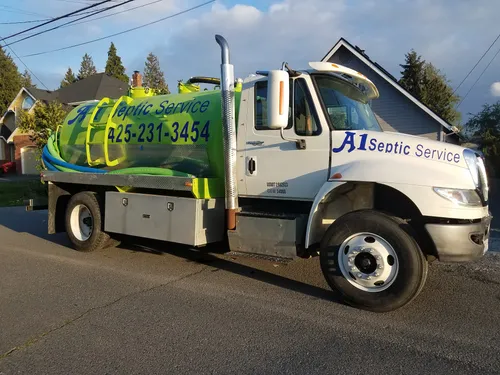
A1 Septic Service is a family-owned company based in Everett, WA, providing septic system pumping, inspection, and repair services. Serving Snohomish and King County, they cater to residential, commercial, and municipal customers with over 25 years of experience. Their capabilities include emergency septic pumping available 24/7 to address urgent needs promptly. Established in 1998, A1 Septic Service emphasizes thorough, licensed, and insured work with a commitment to customer satisfaction.
Fresh N Clean Septic
17226 NE Woodinville Duvall Rd, Woodinville, WA 98072
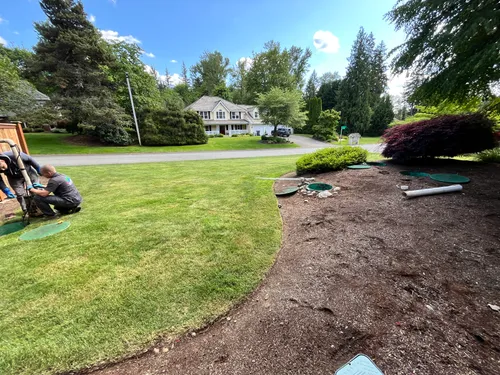
Fresh N Clean Septic provides septic tank pumping, inspection, and repair services in Seattle, WA. They serve the greater Snohomish and King Counties with eco-responsible septic solutions designed to protect both property and the environment. The company offers comprehensive septic system maintenance, including pumping, cleaning, and repairs, supported by licensed and experienced technicians. Fresh N Clean Septic also provides emergency availability to address urgent septic issues promptly.

Pumpout Seattle
Seattle, WA
Pumpout Seattle provides septic tank pumping services in Seattle, WA, including Lake Union, Lake Washington, Shilshole Bay, and the Duwamish River. The company offers scheduled pumpout services at various locations throughout the week and has recently expanded to serve Anacortes. Customers can request service online and choose options like Auto-Pay or invoicing by email. Pumpout Seattle specializes in septic tank pumping for marine and waterfront areas, maintaining regular service routes to ensure consistent coverage.
Septic Response
672 7th Ave, Kirkland, WA 98033
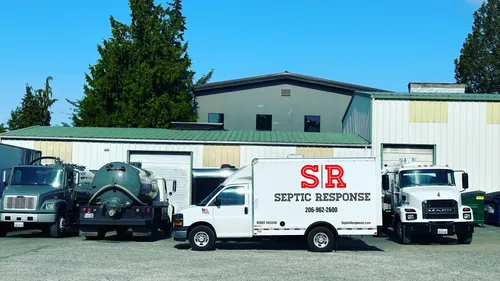
Septic Response is a septic tank service provider based in Seattle, WA, offering a wide range of services including septic tank pumping, inspection, repair, installation, and drain field replacement. They serve King County, Snohomish County, and Pierce County with expertise in maintaining both traditional and advanced septic systems. Their capabilities include inlet pipe cleaning using jetting technology and comprehensive septic system maintenance tailored to local soil and environmental conditions. The company emphasizes preventative maintenance and environmental compliance to extend system lifespan. Septic Response operates 24/7 to support urgent septic needs.
McNel Septic Service
Kent, WA
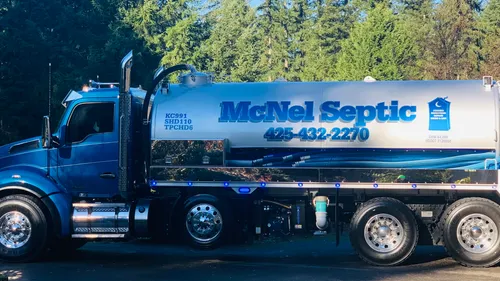
McNel Septic Service is a locally owned company based in Kent, WA, specializing in septic tank pumping, inspections, repairs, and maintenance for both residential and commercial clients. They serve a broad area including Maple Valley, Black Diamond, Palmer, Ravensdale, and King County. The company offers a range of services such as pumping, system inspections, decommissioning, and pump repairs using small and large capacity trucks with extra-long hoses. Their experienced technicians focus on thorough septic system care and customer support.
Why Regular Septic Service is Non-Negotiable
Your septic system is a silent workhorse, treating all the wastewater from your home. When the tank isn't pumped periodically, solids build up and can flow into the drainfield, clogging the soil and causing sewage to surface in your yard or back up into your home. Regular septic system maintenance, including pumping, is the most effective way to avoid emergencies that can cost thousands of dollars to repair. In Snohomish County, proper maintenance isn't just a recommendation-it's a requirement to comply with local health codes and protect the region's sensitive ecosystems 1 2.
Understanding Snohomish County's Pumping & Inspection Rules
Local regulations provide a clear framework for septic tank cleaning and inspection. The Snohomish County Health Department mandates that all gravity systems be inspected at least every three years. For more complex alternative systems, like aerobic treatment units (ATUs) or pressure distribution systems, an annual inspection is required. New systems also have a specific check-up schedule, requiring an inspection about six months after they begin operation 3.
These inspections must be performed by a certified septic service professional who will then file a report with the county. This ensures your system is on record as being properly maintained. Pumping is typically recommended during these inspections based on the measured sludge and scum levels in your tank, not just on a set timeline, though general guidelines exist 4.
How Often Should You Schedule Pumping?
While the county's 3-year inspection cycle is a key milestone, the ideal frequency for septic tank emptying depends primarily on your household size and tank capacity. A common rule of thumb is to pump when the sludge layer covers 12 inches of the bottom at the outlet or when the scum layer is within 3 inches of the outlet 5 6.
Here's a general guide based on household size:
- Average Household (3-5 people): Every 3 to 4 years.
- Small Household (1-2 people): Every 4 to 5 years.
- Large Household (6+ people): Every 1 to 2 years 7.
- Systems with Garbage Disposals: May require more frequent pumping, as disposals significantly increase solid waste.
Remember, these are estimates. The only way to know for sure is through a professional inspection, which is why adhering to the county's inspection schedule is so important.
What to Expect: The Pumping Process and Cost in Everett
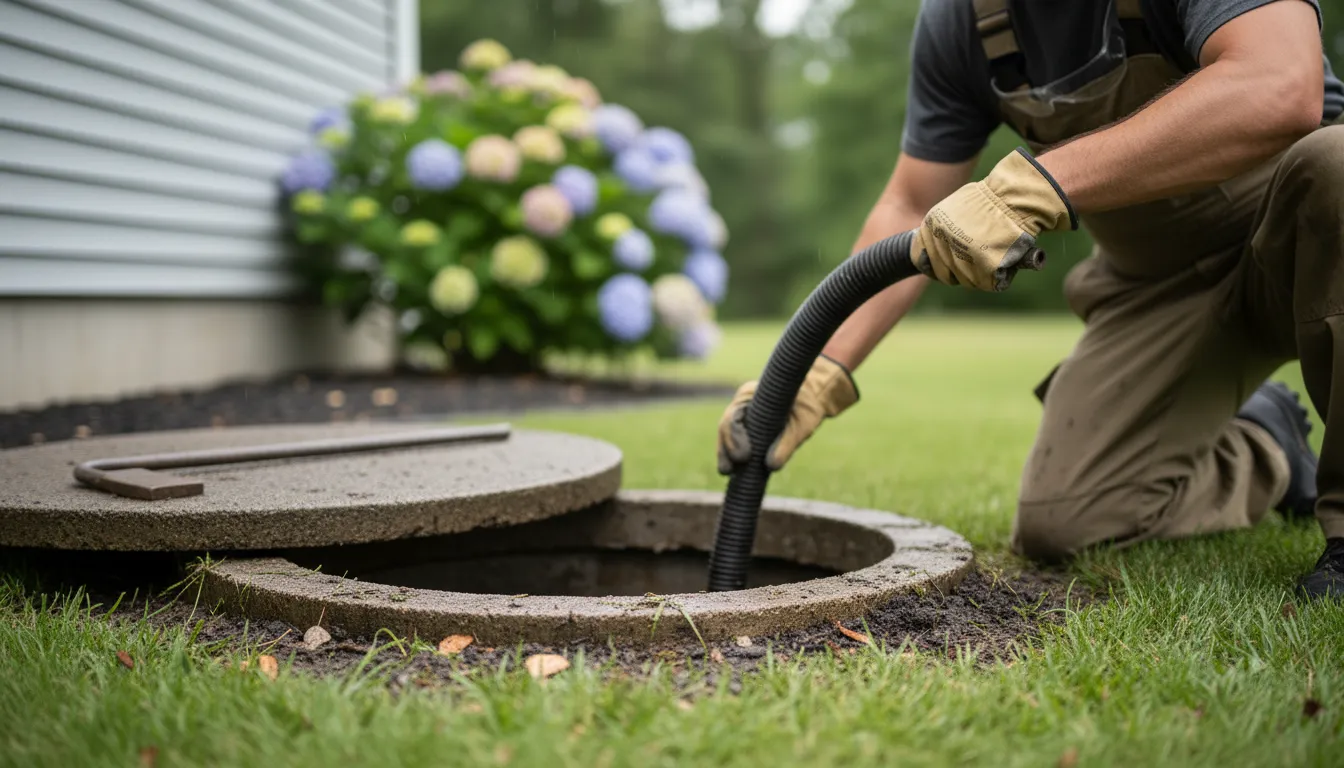
A standard septic pumping service involves a licensed operator arriving with a vacuum truck. They will locate and uncover your tank's access lids, insert a large hose, and remove all the liquid and solid contents. A thorough service should also include a visual inspection of the tank's interior, inlet and outlet baffles, and a check for any leaks or damage 8.
Cost Factors for Septic Pumping
In the Everett area, the average cost to pump a septic tank ranges from $300 to $600 9. Several factors can influence the final price:
- Tank Size: Larger tanks (1,500+ gallons) cost more to pump than standard 1,000-gallon tanks.
- Accessibility: If the tank lids are buried deep, under a deck, or otherwise difficult to reach, additional labor for excavation will increase the cost.
- Condition: Tanks that have never been pumped or are in poor condition may require extra time or handling.
- Additional Services: Costs can rise above $800 if the service includes additional repairs, locating the system, or pumping the drainfield lines 10 11.
Always get a detailed estimate before work begins. A reputable provider will be transparent about what the quoted price includes.
Find the perfect septic tank pumping contractors for your needs
Get personalized recommendations and expert advice
Proactive Maintenance Beyond Pumping
Pumping is the cornerstone of care, but a holistic septic system care routine will extend your system's life for decades. Here are key practices for Everett homeowners:
- Keep Detailed Records: Maintain a file of every inspection report, pumping receipt, and repair invoice. This is crucial for your Washington State Department of Health file and is invaluable if you sell your home.
- Protect Your Drainfield: This is the most expensive part of your system to replace. Never park vehicles, build structures (like sheds or patios), or plant trees and shrubs over the tank or drainfield. The weight can compact the soil and roots can clog and damage pipes.
- Manage Water Usage: Spread out laundry loads and avoid excessive water use during heavy rainstorms when the ground is saturated. Fix leaky faucets and toilets promptly 12.
- Mind What Goes Down the Drain: Avoid using your garbage disposal excessively. Never flush chemicals, paints, grease, diapers, wipes (even "flushable" ones), or coffee grounds. These materials can kill the beneficial bacteria in your tank or clog the system 13.
Signs Your System Needs Immediate Attention
Don't wait for your scheduled inspection if you notice these warning signs. Contact a septic tank company immediately:
- Slow Drains: Sinks, showers, and toilets that drain slowly throughout the house.
- Sewage Odors: Unpleasant smells indoors or around the tank/drainfield area.
- Wet, Spongy Yard: Soggy ground or standing water over the drainfield, especially when it hasn't rained.
- Sewage Backup: The most severe sign-wastewater backing up into household drains.
Addressing these issues quickly can mean the difference between a simple pumping and a major, landscape-destroying repair.
Choosing a Qualified Septic Service Provider in Everett
When it's time for maintenance or you suspect a problem, selecting the right professional is critical. Look for a company that:
- Is licensed and certified by the state of Washington.
- Has extensive local experience with Snohomish County soil types and regulations.
- Provides clear, written estimates.
- Offers a comprehensive service that includes inspection and not just pumping.
- Has positive reviews and a reputation for reliability.
A trustworthy provider will be a partner in maintaining your system's health for the long term.
Frequently asked questions
Sources
Footnotes
-
Maintaining Your Septic System - Snohomish County Health Department ↩
-
Caring for Your Septic System | Washington State Department of Health ↩
-
Do-It-Yourself Septic System Inspection Field Guide - WA DOH ↩
-
Understanding and Caring for Your Septic Tank System - Snohomish County ↩
-
Understanding and Caring for your Septic System Brochure - WA DOH ↩
-
Washington Homeowners: How Often to Pump Your Septic Tank? ↩
-
How Much Does It Cost to Pump a Septic Tank in Washington? ↩
-
EMERGENCY Septic Service Washington | Sewage Backup Repair ↩