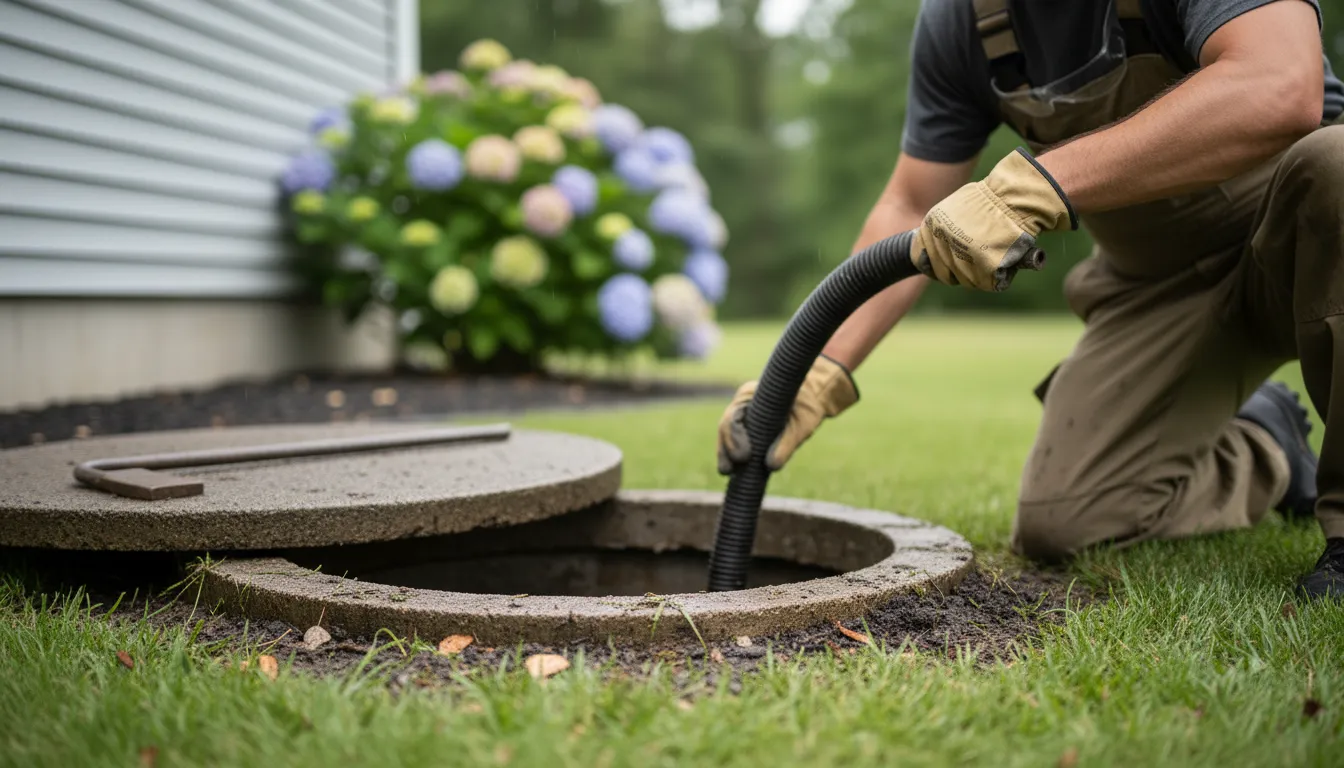
Find the Best Septic Tank Pumping Contractors for Your Business
No obligation • Fast responses • Nationwide coverage

Why you can trust Septic Spot
Septic Spot is a leading United States resource for understanding and comparing septic services. Our editors review providers using consistent criteria and verify key business details. Listings and scores are independent, and companies cannot pay to influence our content.
Search providers near you
Top Septic Tank Pumping Contractors in Vancouver, Washington Ranked
Maintaining a healthy septic system is a crucial responsibility for homeowners not connected to municipal sewer lines. Regular septic tank pumping is the most essential maintenance task to prevent system failures, costly repairs, and environmental contamination. This guide provides Vancouver, WA residents with clear, actionable information on septic system pumping, local regulations, and how to find qualified professionals to keep their systems functioning properly for years to come.
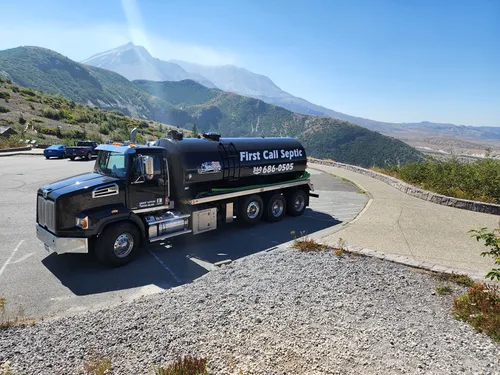
First Call Septic Service
7630 NE 219th St Suite A, Battle Ground, WA 98604
First Call Septic Service provides septic tank pumping, inspection, and cleaning services in Vancouver, WA. They serve multiple communities within Clark, Skamania, and Cowlitz counties, including Battle Ground, Camas, and Ridgefield. The company specializes in onsite sewage treatment and uses current tools and equipment to maintain septic systems effectively.
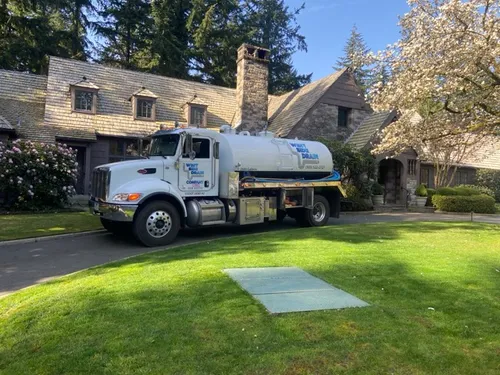
West Side Drain and Septic
Hillsboro, OR
West Side Drain and Septic is a septic tank pumping, inspection, repair, and pump replacement company serving Hillsboro, OR, and the greater Portland Metro Area. With over 16 years of experience, they provide comprehensive septic system services including 24-hour drain cleaning and emergency repairs. Their fully equipped trucks and trained technicians handle a wide range of septic and drain issues, ensuring thorough diagnosis and effective solutions. The company is family owned, licensed, and insured, with a focus on clear communication and quality workmanship.
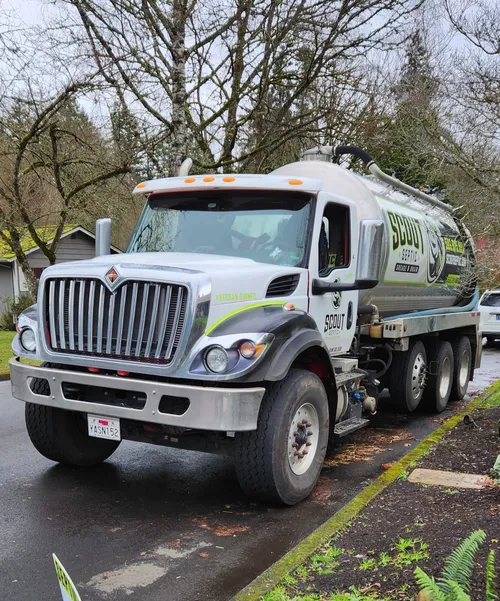
Scout Septic, Grease & Drain
15535 SE 287th Ave, Boring, OR 97009
Scout Septic, Grease & Drain provides septic tank pumping, inspection, repair, and installation services in Portland, OR. They also specialize in grease trap cleaning, pipe and drain cleaning including hydro jetting, as well as grading and excavation for residential and commercial properties. The company uses modern equipment and techniques to maintain and repair wastewater systems efficiently. Scout Septic offers 24/7 availability to address emergency needs and ensure continuous service.
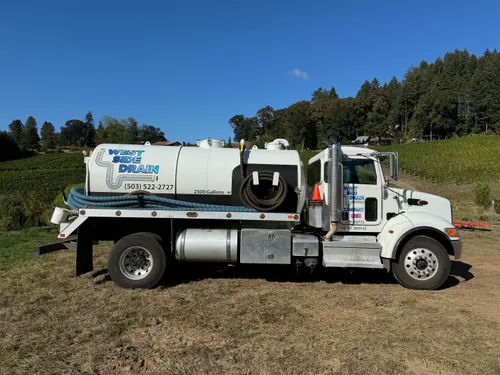
West Side Drain and Septic
9460 SW Tigard St STE 102 A, Tigard, OR 97223
West Side Drain and Septic is a septic tank pumping, inspection, and repair company serving Portland, OR, and the surrounding metro area. They provide comprehensive septic system services including maintenance, repairs, and emergency drain cleaning. The company is equipped with fully stocked service vehicles and uses advanced tools like cameras and drain scrubbing equipment to diagnose and resolve issues efficiently. With over 16 years of experience, West Side Drain and Septic offers 24-hour service to address urgent plumbing and septic needs.
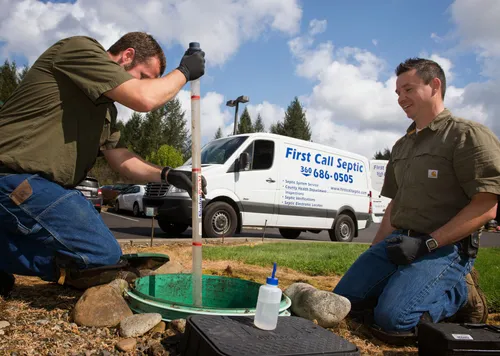
First Call Septic Services
7107 NE Vancouver Mall Dr, Vancouver, WA 98661
First Call Septic Services provides septic tank pumping, inspection, and cleaning services in Portland, OR, and surrounding areas including Vancouver, Battle Ground, and Camas. They specialize in onsite sewage treatment and use up-to-date tools and equipment to support their work. The company serves multiple counties including Clark, Skamania, and Cowlitz, focusing on a range of septic system needs.
Understanding Your Septic System and Why Pumping is Vital
A septic system is an on-site wastewater treatment structure, typically consisting of a tank and a drainfield. All the water from your home-from toilets, showers, sinks, and appliances-flows into the septic tank. Here, solids settle to the bottom as sludge, fats and oils float to the top as scum, and the relatively clear liquid in the middle (effluent) exits into the drainfield for further treatment in the soil. The tank itself is simply a holding container; it does not "digest" all the waste. Over time, the sludge and scum layers accumulate. If not removed via regular septic tank pumping, these layers can grow too thick, allowing solids to escape into the drainfield. This can clog the soil, leading to system backup, surfacing sewage, and a complete-and very expensive-system failure.
Clark County Septic System Regulations and Inspection Requirements
Clark County Public Health enforces specific rules for septic system maintenance to protect public health and groundwater. The cornerstone of these regulations is a mandatory inspection schedule, which is often the trigger for determining when a tank needs to be pumped 1.
The required inspection frequency in Clark County depends entirely on your system's design:
- Simple Gravity Systems: Must be inspected every 3 years.
- Pressure Distribution Systems: Must be inspected every 2 years (under a state waiver).
- Alternative Systems (Sand Mound, ATU, etc.): Must be inspected annually.
These inspections must be performed by a certified Operation and Maintenance (O&M) specialist. The inspection results are then submitted directly to the local health jurisdiction. For homeowners with simple gravity systems, Clark County offers a "Do-It-Yourself" inspection option. However, this requires taking an approved course through the county, and DIY inspections cannot be done more than every 6 years (effectively allowing you to skip one professional inspection cycle) 2.
How Often Should You Pump Your Septic Tank in Vancouver?
While Clark County mandates inspections on a set schedule, the need for actual septic tank pumping is based on the inspection findings. The general guideline is to pump your tank every 3 to 5 years. However, this is not a one-size-fits-all rule. A certified inspector will measure the levels of sludge and scum in your tank during the mandatory inspection. Pumping is typically recommended when the combined depth of these layers threatens to allow solids to pass into the drainfield.
Several key factors influence how quickly your tank fills up:
- Household Size: More residents mean more wastewater and solids entering the system.
- Total Wastewater Generated: High water usage from laundry, long showers, or leaky fixtures reduces the tank's settling time.
- Use of a Garbage Disposal: Frequent use significantly increases the amount of solids and grease entering the tank.
- Tank Size: Older homes often have smaller tanks (e.g., 500-gallon) that require more frequent pumping than modern 1,000-gallon or larger tanks 3.
What to Expect: The Septic Tank Pumping Process
When you hire a professional for septic tank pumping, a thorough service involves more than just removing waste. A reputable provider will:
- Locate and Uncover the tank access lids.
- Inspect the tank's inlet and outlet baffles (crucial components that prevent solids from escaping).
- Pump Out all contents from the tank using a large vacuum truck.
- Clean the tank (sometimes with high-pressure water to remove stubborn solids) and inspect the tank structure for cracks or damage.
- Document the sludge and scum levels before pumping and note any issues found.
- Properly Dispose of the septage at an approved treatment facility.
This process ensures your system starts its next cycle with a clean, empty tank and allows the technician to identify potential problems early.
Find the perfect septic tank pumping contractors for your needs
Get personalized recommendations and expert advice
Cost of Septic Tank Pumping in Washington State
The cost for septic tank pumping can vary. In Washington state, the average cost typically ranges between $650 and $1,000. The final price depends on several variables:
- Tank Size and Accessibility: Pumping a 1,000-gallon tank costs more than a 500-gallon tank. Difficult access (e.g., long hose runs, locked gates, overgrown lids) can add to the price.
- Condition of the Tank: If the tank requires high-pressure jetting to break up hardened sludge, the cost will be higher.
- Local Competition and Service Offerings: Some companies may offer discounts for scheduling pumping alongside the mandatory inspection.
While prices as low as $100 or over $800 are sometimes cited, the $650-$1,000 range is a reliable benchmark for standard residential pumping in the Pacific Northwest 4 5.
Beyond Pumping: Comprehensive Septic System Care
Pumping is the core of maintenance, but a complete care regimen extends further. Between pumpings, you should:
- Conserve Water: Spread out laundry loads and fix dripping faucets to avoid overwhelming the system.
- Mind What You Flush: Only human waste and toilet paper should go down the drain. Avoid flushing wipes (even "flushable" ones), feminine hygiene products, dental floss, cooking grease, and chemicals.
- Protect Your Drainfield: Never park or drive over it. Keep roof drains, sump pumps, and other surface water away from the area. Plant only grass over the drainfield; tree and shrub roots can cause severe damage.
- Keep Detailed Records: Maintain a file of all inspection reports, pumping receipts, and system diagrams. This is invaluable for troubleshooting and is often required if you sell your home.
Signs Your Septic Tank Needs Immediate Attention
Don't wait for your scheduled inspection if you notice these warning signs:
- Slow Drains throughout the house, especially if plunging or drain cleaners don't help.
- Sewage Backups in toilets, showers, or tubs.
- Gurgling Sounds coming from your plumbing.
- Unpleasant Odors around the house or yard, particularly near the tank or drainfield.
- Unusually Lush, Green Grass or soggy, spongy ground over the drainfield, especially when it hasn't rained.
- Standing Water or surfacing sewage in your yard.
If you observe any of these, contact a septic professional immediately to prevent more extensive damage.
Finding a Qualified Septic Service Provider in Vancouver
When it's time for your inspection or pumping, choosing the right contractor is critical. Look for a provider who:
- Is licensed and insured to work in Clark County.
- Employs certified Operation and Maintenance (O&M) specialists for inspections 6.
- Offers clear, upfront pricing and detailed explanations of the services included.
- Has positive reviews and a good reputation in the local community.
- Provides a written report of their findings and recommendations after service.
A trustworthy professional will be your partner in maintaining a healthy, long-lasting septic system, ensuring compliance with Clark County regulations and protecting your property investment.
Frequently asked questions
Sources
Footnotes
-
On-site Septic Systems | Clark County - | WA.gov - https://clark.wa.gov/public-health/site-septic-systems ↩
-
Do-It-Yourself Septic System Inspection Field Guide - https://doh.wa.gov/sites/default/files/legacy/Documents/Pubs//337-122.pdf ↩
-
Caring for Your Septic System | Washington State Department ... - https://doh.wa.gov/community-and-environment/wastewater-management/septic-system/caring-your-system ↩
-
How Much Does It Cost to Pump a Septic Tank in Washington? - https://www.sterlingsepticandplumbing.com/blog/how-much-does-septic-tank-pumping-cost/ ↩
-
How Much Does It Cost To Pump a Septic Tank in 2025? - https://alphaenvironmental.net/blog/how-much-does-it-cost-to-pump-a-septic-tank/ ↩
-
Property Owners - Clark County - https://clark.wa.gov/public-health/property-owners ↩