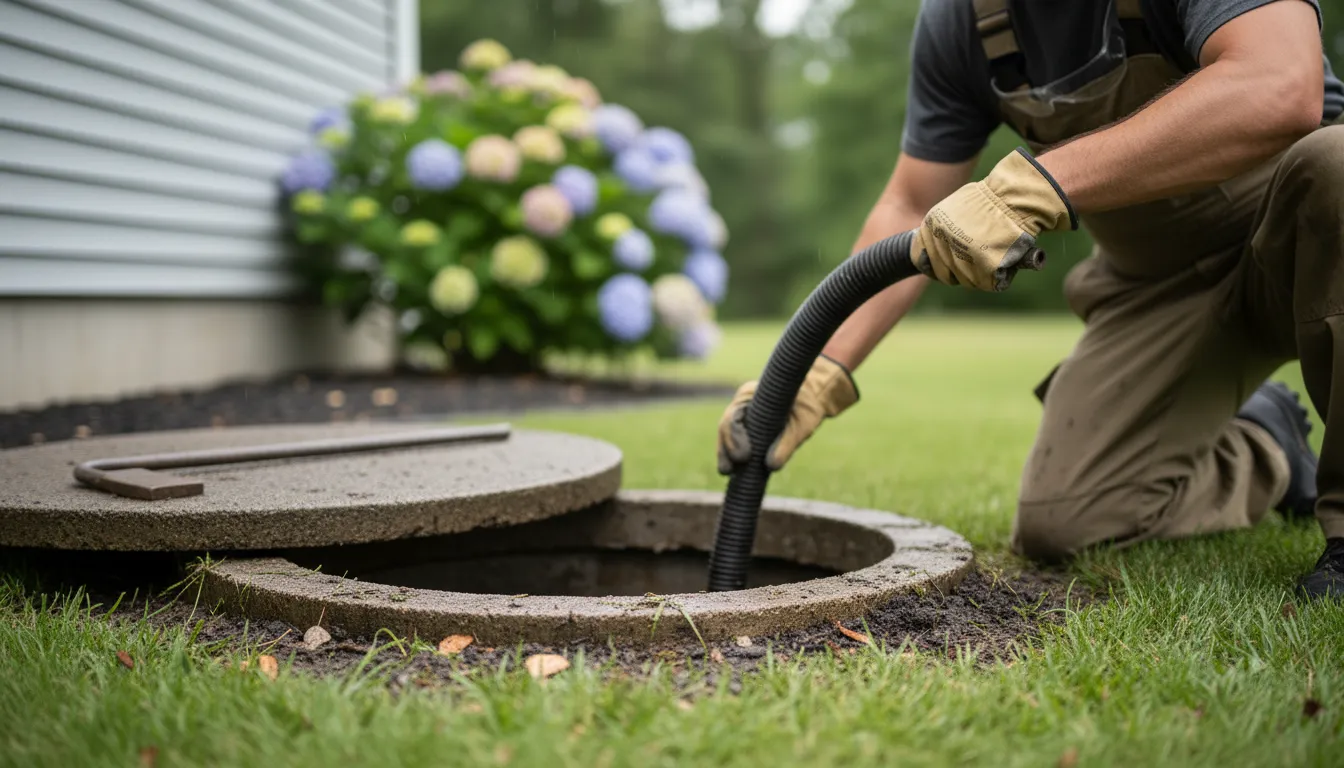
Find the Best Septic Tank Pumping Contractors for Your Business
No obligation • Fast responses • Nationwide coverage

Why you can trust Septic Spot
Septic Spot is a leading United States resource for understanding and comparing septic services. Our editors review providers using consistent criteria and verify key business details. Listings and scores are independent, and companies cannot pay to influence our content.
Search providers near you
Top Septic Tank Pumping Contractors in Spokane, Washington Ranked
Maintaining your septic system is a crucial responsibility for any homeowner not connected to a municipal sewer line. Regular septic tank pumping is the most essential maintenance task to prevent system failures, costly repairs, and environmental contamination. This guide explains the local requirements, typical costs, and best practices for septic service in Spokane, helping you find and evaluate qualified local professionals to keep your system functioning smoothly for years to come.
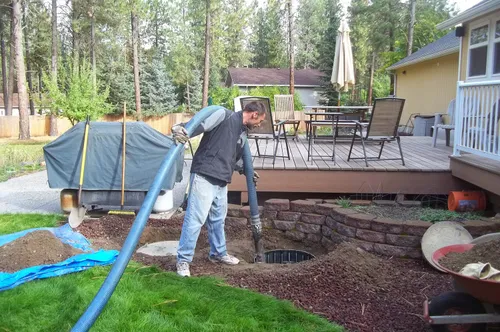
Tri-County Septic And Grease Trap Solutions
3211 S Geiger Blvd, Spokane, WA 99224
Tri-County Septic And Grease Trap Solutions is a family-owned septic tank pumping company serving Spokane, WA, and surrounding areas. Since 1993, they have provided residential and commercial septic and grease trap services, including maintenance, pumping, and repair. Their team is trained to handle clogs, backups, leaks, and overflows, with expertise in grease trap interceptors and septic system issues. The company offers 24-hour emergency service to address urgent septic and grease trap problems promptly.
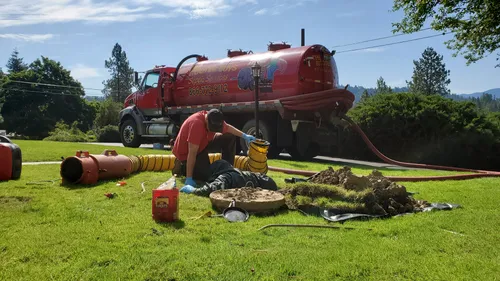
The Rooter Guys Plumbing
520 W Dalton Ave, Coeur d'Alene, ID 83815
The Rooter Guys Plumbing is a plumbing and septic system specialist serving Spokane, WA, and surrounding areas. They offer a range of services including septic tank pumping, septic system installation, and complete drain services with hydro-jetting capabilities. Established in 2004, this locally owned company provides 24/7 emergency plumbing and septic services, addressing both residential and commercial needs.

Spokane Septic Services
7514 N Cedar Rd, Spokane, WA 99208
Spokane Septic Services is a septic tank pumping, inspection, and repair company based in Spokane, WA. They serve Spokane and surrounding areas including Spokane Valley, Liberty Lake, Deer Park, Mead, and Colbert. The company offers 24/7 same-day septic tank pumping and emergency septic repairs, along with thorough septic inspections for real estate sales. Their services include drain field repairs and septic baffle replacements, with flat-rate pricing for 1000-gallon tanks. Spokane Septic Services is known for responding quickly to emergencies and maintaining clean work sites.

Northern Pump & Electric
1176 W Watercress Ave, Hauser, ID 83854
Northern Pump & Electric provides septic tank pumping and pump repair services in Spokane, WA. The company has over 17 years of experience servicing residential and commercial pumping systems, including water wells, irrigation pumps, and septic pumping systems. Owner Brad Potter emphasizes personal customer relationships and craftsmanship to maintain quality work and products.

Eco Septic Tank Pumping Spokane
Spokane, WA
Eco Septic Tank Pumping Spokane provides a range of septic services in Spokane, WA, including septic tank pumping, inspection, repair, and installation. They handle routine cleaning to prevent system backups and offer emergency septic sewer cleaning to address urgent problems. Their process includes thorough tank inspection and proper waste disposal at licensed facilities. The company also supports septic system maintenance with biological treatments and comprehensive inspections to identify potential issues early. They serve Spokane and surrounding areas such as Spokane Valley, Airway Heights, Mead, Cheney, Liberty Lake, and Deer Park.
Why Regular Septic Maintenance is Non-Negotiable
A septic system is a live wastewater treatment plant on your property. When you flush a toilet or drain a sink, the waste travels to an underground tank where solids settle to the bottom as sludge, and oils float to the top as scum. The liquid effluent then flows out to a drain field for further natural filtration. Over time, the sludge and scum layers accumulate. If they aren't removed via pumping, they can overflow into the drain field, causing clogs, sewage backups into your home, and pollution of groundwater and nearby waterways. Regular septic pumping removes these accumulated solids, protecting your home's plumbing, your property value, and public health.
Spokane County's Septic System Regulations
Spokane County, overseen by the Spokane Regional Health District (SRHD), has specific operational and maintenance requirements for on-site sewage systems (OSS). Compliance isn't just a suggestion; it's mandated to protect local water quality, including the Spokane Valley-Rathdrum Prairie Aquifer.
- Mandatory Inspections: The cornerstone of local regulation is a required inspection schedule. For conventional gravity-fed septic systems, a professional inspection is required every three years. For alternative systems-such as pressure distribution systems, mound systems, or aerobic treatment units (ATUs)-inspections are required annually 1.
- Pumping Frequency Guidelines: While inspections are on a fixed schedule, pumping is based on need. The general guideline is to pump your septic tank every three to five years. However, this is highly variable. A smaller tank, a larger household, or excessive water use can all necessitate more frequent septic cleaning.
- Record Keeping: System owners are legally required to maintain records of all inspections, pumpings, repairs, and permits. Furthermore, inspection professionals must submit their official reports directly to the SRHD 2 3. Keeping your own file is essential for property transactions and proving compliance.
What Determines the Cost of Septic Pumping in Spokane?
The cost to pump a septic tank in the Spokane area is not a flat fee. Several factors influence the final price, leading to a typical range. Understanding these can help you interpret quotes.
- Average Local Cost: Research indicates the average cost for septic tank pumping in Spokane typically falls between $421 and $551, with a broader overall range from about $225 to $901 for a standard residential job4 5 6.
- Tank Size and Accessibility: The single biggest cost driver is the tank's capacity, measured in gallons. Pumping a 1,000-gallon tank costs less than a 1,500-gallon tank. Difficult access-such as a tank buried deep, located far from where the truck can park, or under a deck-will add labor time and cost.
- System Condition and Additional Services: If a tank has gone far too long between pumpings, the sludge can harden, requiring extra effort to break up and remove. A routine pumping quote may also increase if the technician discovers and needs to clear a clogged outlet baffle or inlet pipe. Many companies offer inspection services alongside pumping, which may be bundled or priced separately.
Find the perfect septic tank pumping contractors for your needs
Get personalized recommendations and expert advice
How to Choose a Septic Service Provider
Selecting the right company for your septic tank cleaning or maintenance is important. Look for providers who are licensed, insured, and familiar with Spokane County and SRHD regulations. They should be willing to explain their process, provide a detailed written estimate, and answer questions about local compliance. A reputable service will not only pump the tank but also perform a basic visual inspection of the tank's components (baffles, tees, walls) and note any potential issues. Always ask for and keep the detailed service report they provide, as this is your proof of maintenance for both regulatory and resale purposes.
Protecting Your Drain Field is Protecting Your Investment
The drain field is the most expensive part of your system to replace. Proper care extends its life dramatically. Key protections include:
- Avoid Water Overload: Practice water conservation by fixing leaks, using high-efficiency fixtures, and spreading out laundry loads.
- Divert Water: Ensure roof gutters, sump pumps, and surface drainage are directed away from the drain field area to prevent saturation 7.
- Mind What You Flush: Never flush chemicals, paints, grease, coffee grounds, or non-biodegradable items. Even excessive use of antibacterial soaps and harsh cleaners can harm the bacterial ecosystem in your tank.
- Protect the Area: Never drive or park vehicles over the drain field, and avoid planting trees or deep-rooted shrubs nearby, as roots can infiltrate and destroy pipes8 9.
Signs Your Septic Tank Needs Immediate Attention
Don't wait for a scheduled inspection if you notice these warning signs of a full or failing system:
- Slow Drains: Sinks, showers, and toilets that drain slowly, especially if gurgling is involved.
- Sewage Odors: Unpleasant smells inside your home or around the yard near the tank or drain field.
- Wet, Spongy Yard: Soggy ground or standing water over the drain field, particularly when it hasn't rained.
- Sewage Backup: The most severe sign-wastewater backing up into household drains.
If you observe any of these, contact a septic professional immediately to assess the situation before it becomes an emergency.
The Long-Term View: System Longevity and Property Value
A well-maintained conventional septic system can last 25 to 30 years or more, while a neglected one can fail in under a decade. Proactive maintenance, including regular pumping and inspections, is far less expensive than the cost of a full drain field replacement or emergency repair. Furthermore, when selling your home, a documented history of proper septic care is a significant asset. It provides potential buyers and their inspectors with confidence in the property's infrastructure, smoothing the sale process.
Frequently asked questions
Sources
Footnotes
-
Navigating New Septic Regulations: Stay Compliant - Blog - https://danosseptic.com/blog/navigating-new-septic-regulations-stay-compliant/ ↩
-
On-Site Septic Operations and Maintenance - https://srhd.org/programs-and-services/oss/on-site-septic-operations-and-maintenance ↩
-
Frequently Asked Questions - https://tpchd.org/homes/septic-systems/operation-and-maintenance/faq/ ↩
-
Septic Pumping in Spokane, WA - Costs 03 / 2026 - Homeyou - https://www.homeyou.com/wa/septic-pumping-spokane-costs ↩
-
Septic Pumping Cost by State: 2024 Complete Price Guide - https://wastedoor.com/article/septic-pumping-cost-by-state ↩
-
Septic Tank Pumping Cost: Guide & Pricing in 2025 - https://www.splashplumbing.com/how-much-does-it-cost-to-pump-septic-tank-understanding-pricing-and-factors-involved/ ↩
-
Septic Tanks - Preventative Routine Maintenance - https://des.sc.gov/permits-regulations/septic-tanks/homeowner-resources/septic-tanks-preventative-routine-maintenance ↩
-
Caring for Your Septic System | Washington State Department of Health - https://doh.wa.gov/community-and-environment/wastewater-management/septic-system/caring-your-system ↩
-
Understanding and Caring for your Septic System Brochure - https://doh.wa.gov/sites/default/files/legacy/Documents/Pubs//337-086.pdf ↩