Find the Best Septic Tank Pumping Contractors for Your Business
No obligation • Fast responses • Nationwide coverage

Why you can trust Septic Spot
Septic Spot is a leading United States resource for understanding and comparing septic services. Our editors review providers using consistent criteria and verify key business details. Listings and scores are independent, and companies cannot pay to influence our content.
Search providers near you
Top Septic Tank Pumping Contractors in Bothell, Washington Ranked
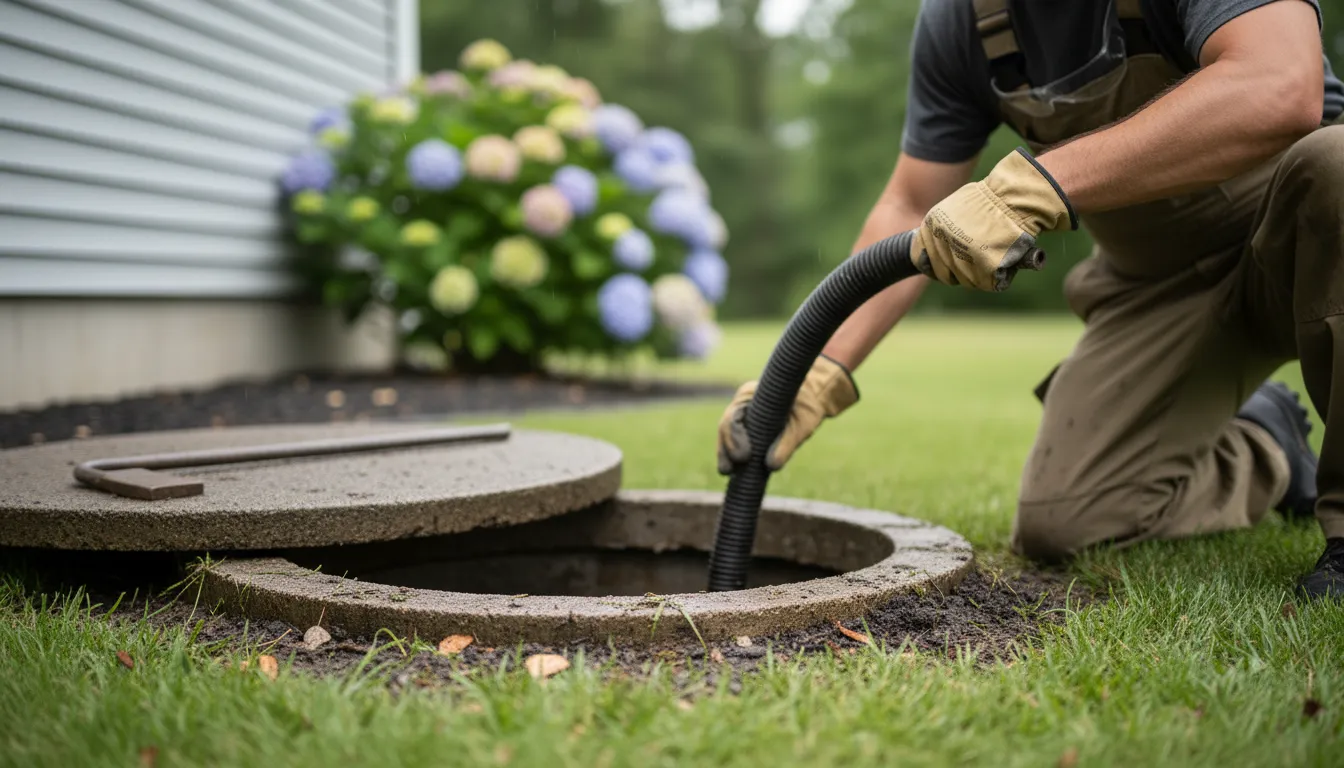
Maintaining a healthy septic system is a crucial responsibility for Bothell homeowners. Regular septic tank pumping is the most important preventative maintenance task you can perform to protect your property, your health, and the local environment. This guide explains the local regulations, recommended schedules, and key considerations for septic system maintenance in Bothell, helping you find qualified local professionals to keep your system functioning properly for years to come.
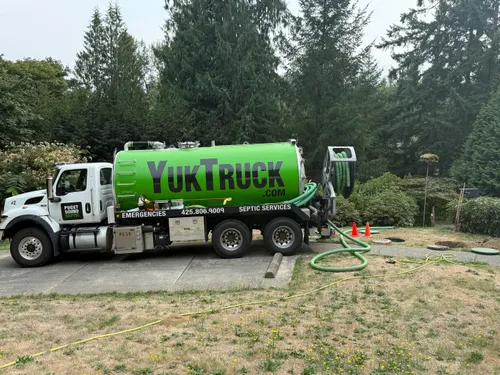
Puget Sound Septic
20222 SE 245th St, Maple Valley, WA 98038
Puget Sound Septic is a septic tank pumping and inspection company serving Kent, WA. They offer septic tank cleaning using advanced technology and trained technicians to provide efficient pumping services. The company also provides video septic line inspections to help identify potential issues early. Puget Sound Septic is committed to maintaining the smooth operation of septic systems and offers services for both routine and emergency needs.
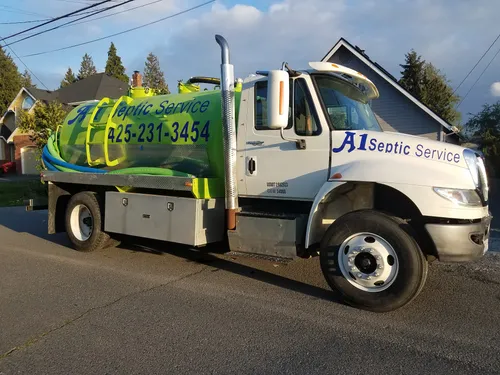
A1 Septic Service
10121 Evergreen Wy Suite 25-696, Everett, WA 98204
A1 Septic Service is a family-owned company based in Everett, WA, providing septic system pumping, inspection, and repair services. Serving Snohomish and King County, they cater to residential, commercial, and municipal customers with over 25 years of experience. Their capabilities include emergency septic pumping available 24/7 to address urgent needs promptly. Established in 1998, A1 Septic Service emphasizes thorough, licensed, and insured work with a commitment to customer satisfaction.
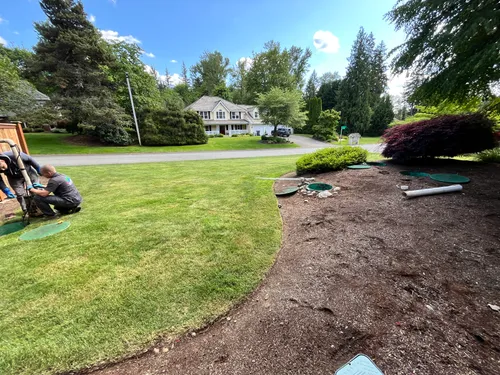
Fresh N Clean Septic
17226 NE Woodinville Duvall Rd, Woodinville, WA 98072
Fresh N Clean Septic provides septic tank pumping, inspection, and repair services in Seattle, WA. They serve the greater Snohomish and King Counties with eco-responsible septic solutions designed to protect both property and the environment. The company offers comprehensive septic system maintenance, including pumping, cleaning, and repairs, supported by licensed and experienced technicians. Fresh N Clean Septic also provides emergency availability to address urgent septic issues promptly.
Lilly's Septic Service
26207 Maple Valley Black Diamond Rd SE Ste D1, Maple Valley, WA 98038
Lilly's Septic Service is a septic tank pumping, inspection, repair, and installation company based in Kent, WA. Serving King County and the Puget Sound region, they offer comprehensive septic system services including certified installations and thorough inspections. With over 48 years of experience, Lilly's Septic Service provides expertise in maintaining safe and efficient septic systems for both homes and businesses.

Pumpout Seattle
Seattle, WA
Pumpout Seattle provides septic tank pumping services in Seattle, WA, including Lake Union, Lake Washington, Shilshole Bay, and the Duwamish River. The company offers scheduled pumpout services at various locations throughout the week and has recently expanded to serve Anacortes. Customers can request service online and choose options like Auto-Pay or invoicing by email. Pumpout Seattle specializes in septic tank pumping for marine and waterfront areas, maintaining regular service routes to ensure consistent coverage.
Understanding Bothell's Septic System Regulations
Septic system management in Bothell is overseen by two county health departments, depending on your location. Properties in the northern part of the city fall under the jurisdiction of the Snohomish County Health Department (SCHD), while those in the southern portion are regulated by Public Health - Seattle & King County1. Both agencies, along with city guidelines, emphasize that regular inspections by a certified professional are the best way to determine your exact pumping needs1.
The overarching rule is simple: don't wait for a failure. Signs like slow drains, sewage odors, or soggy ground in your drain field indicate a serious problem that could lead to costly repairs or environmental contamination2 3. Proactive maintenance through scheduled pumping is always more affordable than emergency system rehabilitation.
How Often Should You Pump Your Septic Tank in Bothell?
There is no universal timeline. The standard recommendation for a conventional gravity-fed system is to have it inspected every 3 years and pumped every 3 to 5 years 4. However, this frequency is highly variable and depends on:
- Household Size and Water Usage: More residents mean more wastewater and solids.
- Tank Size: Smaller tanks fill with solids faster.
- Garbage Disposal Use: Using a garbage disposal significantly increases the amount of solids entering the tank, which can necessitate more frequent pumping.
- System Type: This is a critical factor.
Inspection & Pumping Schedules by System Type
- Conventional Gravity Systems: The most common type. The Snohomish County Health Department recommends an inspection every 3 years to measure sludge and scum levels. Pumping is typically needed based on these inspection results.
- Alternative/Engineered Systems: This category includes pressure distribution, mound, sand filter, and aerobic treatment unit (ATU) systems. These more complex systems require an annual inspection. Pumping schedules will be determined by the inspecting professional.
- Newly Installed Systems: For new systems, an initial inspection is often recommended about 6 months after start-up. Some jurisdictions may require inspections every 6 months for the first two years to ensure proper function5.
The inspection itself is vital. A certified professional will check the sludge and scum layers to ensure they are not approaching "early warning" levels that could allow solids to escape into the drain field6. They will also inspect the tank's structure, baffles, and, if present, the effluent filter.
The Importance of Keeping Records
Maintaining a file of all your septic system records is more important than many homeowners realize. Keep copies of:
- Inspection reports
- Pumping receipts
- System design and "as-built" diagrams
- Any repair permits or work orders
These records are invaluable for troubleshooting future issues and are becoming essential for real estate transactions. Washington State has passed a law requiring all septic systems to be inspected at the time of property sale, with the mandate taking effect by February 2027. Snohomish County is currently developing its program to implement this requirement7 8. Having a well-documented maintenance history will streamline this process significantly.
What to Expect: The Septic Pumping Process
When you hire a certified septic service provider in Bothell, a standard pumping service typically includes:
- Locating and Uncovering the tank access lids.
- Inspecting the tank interior, inlet/outlet baffles, and the liquid level.
- Pumping all solids and liquids from the tank using a vacuum truck.
- Cleaning the effluent filter (if your system has one), which is sometimes an additional service.
- Flushing the lines from the house to the tank to ensure they are clear.
- Providing a Report that notes the condition of the system, the levels pumped, and any concerns or recommendations.
A reputable provider will not just pump and leave. They should give you feedback on your system's health.
Find the perfect septic tank pumping contractors for your needs
Get personalized recommendations and expert advice
Cost of Septic Tank Pumping in Bothell
The cost for septic tank pumping in the Bothell area is not fixed and depends on several factors:
- Tank Size: Larger tanks (1,000+ gallons) cost more to pump than smaller ones.
- Accessibility: Easy, clear access to the tank lids reduces labor time. Digging to find or uncover lids will increase the price.
- Sludge Volume: Tanks that are overly full or have excessive solids may require more time.
- Additional Services: Cleaning an effluent filter or providing a detailed inspection report may add to the base cost.
Given these variables, homeowners can expect a typical price range. For a standard service, the average cost in the region is between $300 and $7009 10. For a smaller tank (e.g., up to 750 gallons), pumping may cost between $150 and $25011 12. It's always wise to get a few estimates from licensed, certified local companies.
Protecting Your Drain Field
Pumping the tank is only one part of system care. Protecting the drain field (or leach field) is equally important for long-term functionality. Key practices include:
- Diverting Rainwater: Ensure roof drains, sump pumps, and surface runoff are directed away from the drain field area.
- Avoiding Heavy Loads: Never drive or park vehicles, or build structures like sheds or patios, over the drain field.
- Mindful Landscaping: Plant only grass or shallow-rooted plants over the field. Tree and shrub roots can clog and damage the underground pipes.
- Conserving Water: Spread out laundry loads, fix leaky faucets and toilets, and consider installing water-efficient fixtures to avoid overwhelming the system.
Signs Your System Needs Immediate Attention
While you should never wait for signs to schedule routine pumping, be alert to these red flags that indicate a potential problem requiring professional evaluation:
- Slow Drains: Sinks, showers, and toilets that drain slowly, especially if plunging doesn't help.
- Sewage Odors: Unpleasant smells inside your home or around the tank/drain field area outdoors.
- Gurgling Sounds: Sounds coming from your plumbing.
- Wet, Spongy, or Bright Green Grass: Soggy ground or unusually lush grass over the drain field, particularly when it hasn't rained.
- Sewage Backup: The most severe sign, where wastewater comes back up into household drains.
If you notice any of these issues, contact a septic professional immediately to prevent further damage and environmental harm.
Choosing a Certified Septic Service Provider in Bothell
Always verify that the company you hire is certified by the appropriate county health department (Snohomish or King County) to perform inspections and pumping13 14. Certified professionals understand local codes, can accurately assess your system type, and will know the specific reporting requirements. They are also your best resource for advice on maintenance schedules tailored to your household's unique situation.
Frequently asked questions
Sources
Footnotes
-
Septic Systems - Bothell WA - https://www.bothellwa.gov/578/Septic-Systems?PREVIEW=YES ↩ ↩2
-
Caring for Your Septic System | Washington State Department ... - https://doh.wa.gov/community-and-environment/wastewater-management/septic-system/caring-your-system ↩
-
When and How Often Should You Pump Your Septic Tank? - E Dennis - https://edennisacinc.com/blog/how-often-to-pump-septic-tank/ ↩
-
Septic FAQs | Snohomish County Health Department, WA - https://www.snohd.org/690/Septic-FAQs ↩
-
Maintaining Your Septic System - https://www.snohd.org/682/Maintaining-Your-Septic-System ↩
-
PTI Program Handout - Snohomish County Health Department - https://www.snohd.org/DocumentCenter/View/15503/PTI-Proposed-Program-Handout_V3 ↩
-
Health Code Update | Snohomish County Health Department, WA - https://www.snohd.org/1844/Health-Code-Update ↩
-
Sewage System Maintenance/Pumping - https://www.bfhd.wa.gov/programs_services/on-site_sewage/sewage_system_maintenance__pumping ↩
-
How Often to Pump Septic Tank: 2026 Maintenance Guide - https://dandhsepticservices.com/how-often-to-pump-septic-tank/ ↩
-
How Much Does It Cost to Pump a Septic Tank? - https://www.wholesalesepticsupply.com/blogs/news/how-much-does-it-cost-to-pump-a-septic-tank ↩
-
Ultimate Guide to Septic Tank Pumping - What You Need to Know - https://www.blueribbonseptic.com/blog/ultimate-guide-to-septic-tank-pumping ↩
-
How Much Does It Cost To Empty A Septic Tank In MN - https://www.millcityhomebuyers.com/blog/cost-to-empty-septic-tank/ ↩
-
Septic Systems - Bothell WA - https://www.bothellwa.gov/578/Septic-Systems?PREVIEW=YES ↩
-
On-site sewage/septic system inspections - King County - https://kingcounty.gov/en/dept/dph/health-safety/environmental-health/on-site-sewage-systems/maintaining-your-system/inspections ↩