Find the Best Septic Tank Pumping Contractors for Your Business
No obligation • Fast responses • Nationwide coverage

Why you can trust Septic Spot
Septic Spot is a leading United States resource for understanding and comparing septic services. Our editors review providers using consistent criteria and verify key business details. Listings and scores are independent, and companies cannot pay to influence our content.
Search providers near you
Top Septic Tank Pumping Contractors in Spokane Valley, Washington Ranked
For homeowners in Spokane Valley, maintaining your septic system is a crucial responsibility that protects your property, your health, and the local environment, including the vital Spokane Valley-Rathdrum Prairie Aquifer. Regular septic tank pumping is the cornerstone of this maintenance, removing accumulated solids to prevent system failure and costly repairs. This guide explains the local regulations, best practices, and key considerations for septic service in Spokane Valley, helping you find qualified professionals to keep your on-site sewage system (OSS) functioning properly for years to come.
Tri-County Septic And Grease Trap Solutions
3211 S Geiger Blvd, Spokane, WA 99224
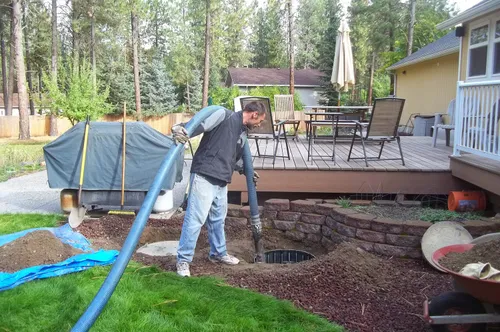
Tri-County Septic And Grease Trap Solutions is a family-owned septic tank pumping company serving Spokane, WA, and surrounding areas. Since 1993, they have provided residential and commercial septic and grease trap services, including maintenance, pumping, and repair. Their team is trained to handle clogs, backups, leaks, and overflows, with expertise in grease trap interceptors and septic system issues. The company offers 24-hour emergency service to address urgent septic and grease trap problems promptly.
The Rooter Guys Plumbing
520 W Dalton Ave, Coeur d'Alene, ID 83815
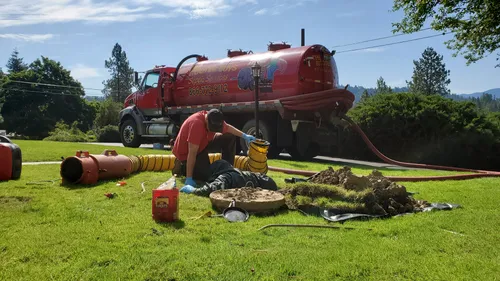
The Rooter Guys Plumbing is a plumbing and septic system specialist serving Spokane, WA, and surrounding areas. They offer a range of services including septic tank pumping, septic system installation, and complete drain services with hydro-jetting capabilities. Established in 2004, this locally owned company provides 24/7 emergency plumbing and septic services, addressing both residential and commercial needs.
Spokane Septic Services
7514 N Cedar Rd, Spokane, WA 99208
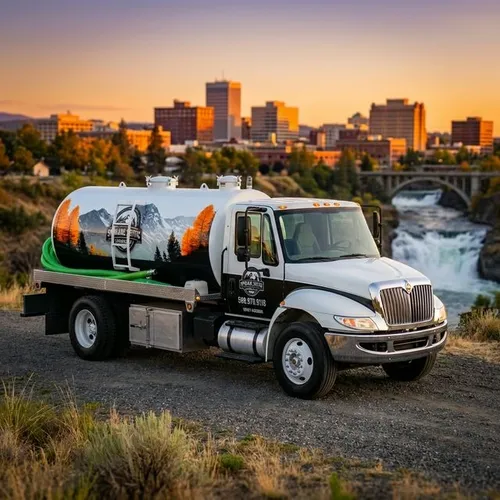
Spokane Septic Services is a septic tank pumping, inspection, and repair company based in Spokane, WA. They serve Spokane and surrounding areas including Spokane Valley, Liberty Lake, Deer Park, Mead, and Colbert. The company offers 24/7 same-day septic tank pumping and emergency septic repairs, along with thorough septic inspections for real estate sales. Their services include drain field repairs and septic baffle replacements, with flat-rate pricing for 1000-gallon tanks. Spokane Septic Services is known for responding quickly to emergencies and maintaining clean work sites.

Northern Pump & Electric
1176 W Watercress Ave, Hauser, ID 83854
Northern Pump & Electric provides septic tank pumping and pump repair services in Spokane, WA. The company has over 17 years of experience servicing residential and commercial pumping systems, including water wells, irrigation pumps, and septic pumping systems. Owner Brad Potter emphasizes personal customer relationships and craftsmanship to maintain quality work and products.

Eco Septic Tank Pumping Spokane
Spokane, WA
Eco Septic Tank Pumping Spokane provides a range of septic services in Spokane, WA, including septic tank pumping, inspection, repair, and installation. They handle routine cleaning to prevent system backups and offer emergency septic sewer cleaning to address urgent problems. Their process includes thorough tank inspection and proper waste disposal at licensed facilities. The company also supports septic system maintenance with biological treatments and comprehensive inspections to identify potential issues early. They serve Spokane and surrounding areas such as Spokane Valley, Airway Heights, Mead, Cheney, Liberty Lake, and Deer Park.
Understanding Your On-Site Sewage System (OSS)
An On-Site Sewage System, commonly called a septic system, is a private wastewater treatment structure for properties not connected to a municipal sewer line. It typically consists of a septic tank and a drainfield. The tank holds wastewater from your home, allowing solids to settle as sludge and oils to float as scum. The clarified liquid then flows out to the drainfield, where it is filtered through the soil. For this process to work, the tank must be pumped periodically to remove the sludge and scum before they overflow into the drainfield and cause a backup or failure.
In Spokane Valley, all OSS are regulated by the Spokane Regional Health District (SRHD). The SRHD sets specific rules for inspections, maintenance, and pumping to ensure systems operate safely and do not contaminate groundwater.
Local Pumping Requirements and Recommended Frequency
While the SRHD mandates regular inspections (discussed below), the frequency of septic tank cleaning is primarily based on usage and tank size. Adhering to a schedule is the best way to avoid emergencies.
- General Guideline: For a typical single-family home, the Washington State Department of Health recommends pumping your septic tank every 3 to 5 years.
- Holding Tanks: If your property uses a holding tank (which has no drainfield), it must be inspected annually and pumped as needed, which is often much more frequently.
- Factors Requiring More Frequent Pumping:
- Household Size: More people generate more wastewater and solids.
- Garbage Disposal Use: Disposals significantly increase the amount of solids entering the tank, leading to faster accumulation.
- High Water Usage: Excessive laundry, long showers, or leaking fixtures fill the tank faster, reducing settling time.
- Small Tank Size: Older or smaller tanks have less capacity and fill up more quickly.
Signs Your Tank Needs Immediate Attention: Don't wait for a problem. However, these indicators often mean your tank is overdue for service:
- Slow-draining sinks, tubs, or toilets.
- Gurgling sounds in your plumbing.
- Unpleasant sewage odors around your yard or home.
- Exceptionally green, soggy, or spongy grass over the drainfield.
- Sewage backing up into your home 1.
Spokane Valley Health District Inspection Rules
The SRHD's inspection requirements are directly tied to system health and often dictate when pumping is necessary. These rules are critical for compliance, especially during a property sale.
- Inspection Frequency:
- Conventional Gravity Systems: Require a professional inspection every three years.
- Alternative Systems (Pressure Distribution, Mounds, etc.): Require a professional inspection every year.
- Reporting: Inspection results must be reported to the SRHD Liquid Waste program within 60 days of the inspection date 2.
- Property Transfer/Sale: A major rule change takes effect February 1, 2027. From that date forward, an inspection by an SRHD-approved Operations and Maintenance (O&M) provider will be required prior to any property transfer or sale 3 4.
- DIY Inspections: Homeowners are permitted to perform their own inspections, but they must follow SRHD guidelines, use official training materials, and submit the correct paperwork 5 6. For most homeowners, hiring a licensed professional is recommended for accuracy and compliance.
Find the perfect septic tank pumping contractors for your needs
Get personalized recommendations and expert advice
What to Expect: Service Process and Cost Considerations
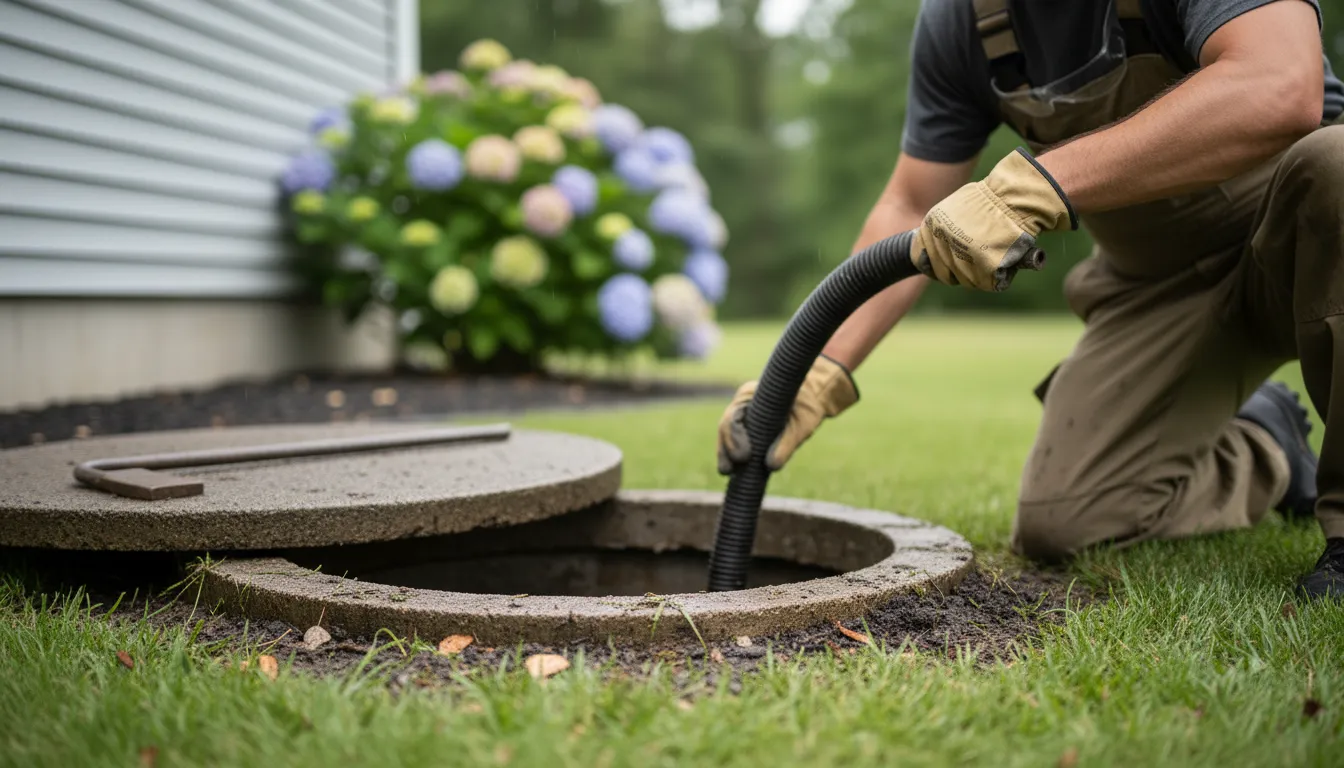
When you schedule septic system pumping, a professional will arrive with a vacuum truck. They will locate and uncover the tank's access lids (manholes), inspect the inlet and outlet baffles, and then pump out all the contents (sludge, scum, and liquid) for proper disposal at a licensed facility. A thorough service should include a basic visual assessment of the tank's condition.
Cost Factors in Spokane Valley: Costs can vary based on several factors. The typical range for standard residential septic pumping in the area is between $290 and $7007 8. Local reports from recent years suggest costs for a 1,000-gallon tank can be around $595-$630, indicating prices in Spokane Valley may trend toward the higher end of the spectrum 9. Key factors that influence the final price include:
- Tank Size and Chambers: Pumping a larger tank or both chambers of a dual-chamber tank costs more.
- Lid Access: If the tank lids are buried and require digging to expose them, this adds labor time and cost. Maintaining permanent risers to grade can avoid this fee.
- Travel Distance: Properties far from a service company's base may incur a travel charge.
- Condition: Extremely clogged tanks or those requiring extra time may increase the price.
Always get a detailed estimate before work begins.
How to Prepare for and Choose a Service Provider
Being prepared helps the service go smoothly and ensures you get the best value.
- Locate Your System: Know where your tank and drainfield are. If you don't have the original "as-built" drawing, you can request a copy from the SRHD by calling 509.324.1546 or emailing
asbuiltrequest@srhd.org10. - Clear Access: Ensure the pumper can easily reach the tank with their truck and that the lid area is clear of debris, vehicles, or landscaping.
- Choose a Licensed Professional: This is critical. Always hire a pumper who is approved by the local health department. The Washington State Department of Health advises verifying a contractor's credentials and asking for references. A licensed professional understands local codes, will properly dispose of waste, and can provide documentation for your records.
- Keep Detailed Records: Maintain a logbook or file with every inspection report, pumping receipt, and repair invoice. This proves compliance with regulations and is invaluable for troubleshooting future issues or during a home sale.
Protecting the Spokane Aquifer
Proper septic maintenance in Spokane Valley isn't just about your yard-it's about community health. Many homes sit atop the Spokane Valley-Rathdrum Prairie Aquifer, the sole source of drinking water for hundreds of thousands of residents. A failing septic system can leach harmful bacteria, nitrates, and viruses into this groundwater 11. By adhering to a regular pumping schedule and fixing issues promptly, you are directly contributing to the protection of this vital regional resource.
Beyond Pumping: Comprehensive System Care
Pumping is essential, but overall system health requires more.
- Water Conservation: Fix leaks and spread out water-intensive activities to avoid overloading the system.
- Mind What You Flush: Only human waste and toilet paper should go down the drain. Avoid chemicals, grease, wipes (even "flushable" ones), and medications 12.
- Drainfield Care: Never park or build over your drainfield. Divect rainwater runoff away from it, and plant only grass over the area.
Frequently asked questions
Sources
Footnotes
-
Washington's Septic Tank Pumping Guide: Clearing the Crud - https://www.nwsepticservices.com/clearing-the-crud-washingtons-guide-to-septic-tank-pumping/ ↩
-
On-Site Septic Operations and Maintenance - https://srhd.org/programs-and-services/oss/on-site-septic-operations-and-maintenance ↩
-
Step #1 - Spokane Regional Health District - https://srhd.org/cards-permits-inspections/on-site-renewable-permits/step-1 ↩
-
Operation and Maintenance FAQ - https://assets.srhd.org/assets/media/documents/OSS-Renewable-FAQ.pdf ↩
-
On-Site Septic Operations and Maintenance - https://srhd.org/programs-and-services/oss/on-site-septic-operations-and-maintenance ↩
-
Do-It-Yourself Septic System Inspection Field Guide - https://doh.wa.gov/sites/default/files/legacy/Documents/Pubs//337-122.pdf ↩
-
Hiring a Septic System Professional | Washington State Department of Health - https://doh.wa.gov/community-and-environment/wastewater-management/septic-system/hiring-professional ↩
-
Septic Pumping in Spokane Valley, WA - WasteDoor - https://wastedoor.com/washington/spokane-valley/septic-pumping ↩
-
Septic service recommendations : r/Spokane - Reddit - https://www.reddit.com/r/Spokane/comments/ygtyza/septic_service_recommendations/ ↩
-
On-Site Septic Operations and... - https://srhd.org/programs-and-services/oss/on-site-septic-operations-and-maintenance ↩
-
Septic System Maintenance - Spokane Aquifer Joint Board - https://www.spokaneaquifer.org/education-awareness/community-resources/household-contaminants/septic-system-maintenance/ ↩
-
Caring for Your Septic System | Washington State Department of Health - https://doh.wa.gov/community-and-environment/wastewater-management/septic-system/caring-your-system ↩