Find the Best Drain Field Repair Companies for Your Business
No obligation • Fast responses • Nationwide coverage

Why you can trust Septic Spot
Septic Spot is a leading United States resource for understanding and comparing septic services. Our editors review providers using consistent criteria and verify key business details. Listings and scores are independent, and companies cannot pay to influence our content.
Search providers near you
Top Drain Field Repair Companies in Chula Vista, California Ranked
A failing septic drain field, also known as a leach field or absorption field, is a serious issue that can lead to sewage backups, foul odors, and environmental contamination. In Chula Vista, where many homes rely on onsite wastewater treatment systems, addressing drain field problems promptly is crucial for your property's health, safety, and value. This guide explains the local process, regulations, and costs for drain field repair and replacement, helping you understand what to expect and how to connect with qualified local professionals for an evaluation.
Understanding Your Septic Drain Field
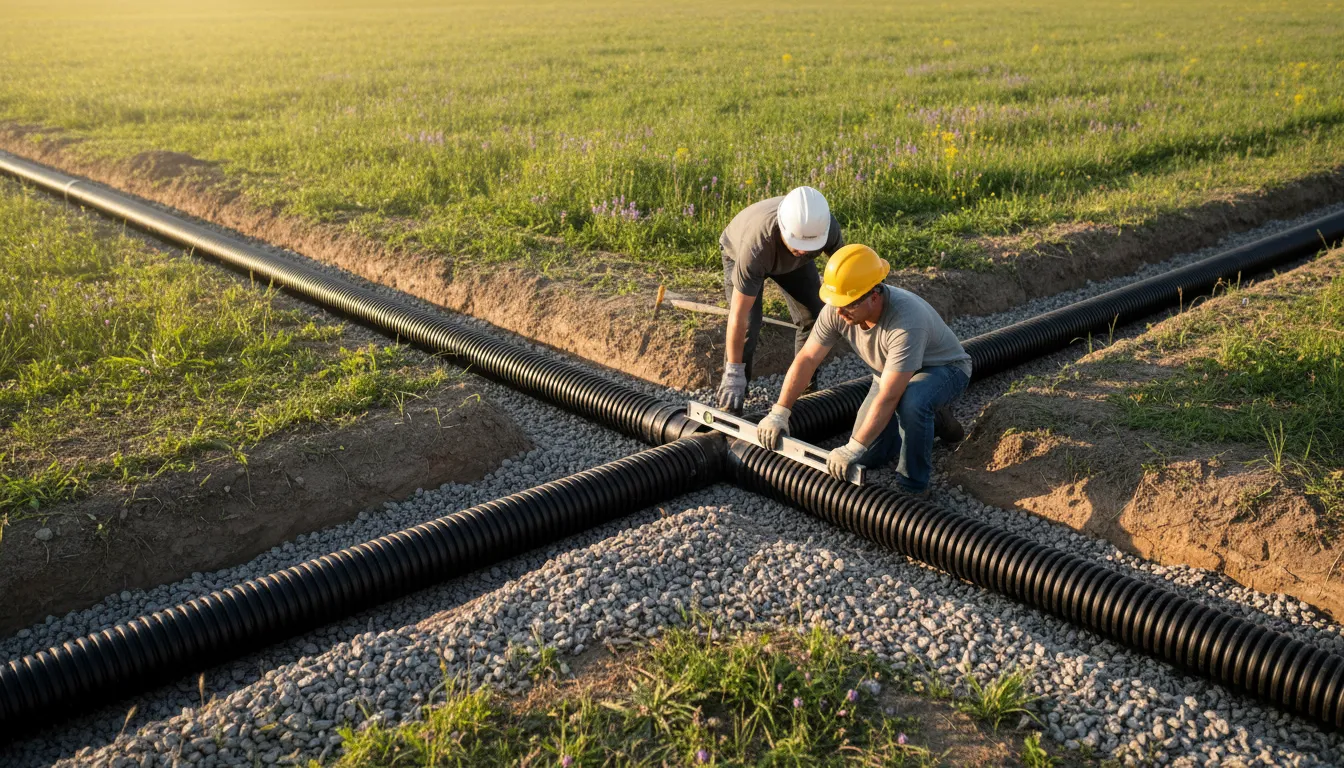
The drain field is the final and most critical component of a septic system. After solids settle in the tank, the clarified liquid effluent flows into a network of perforated pipes buried in trenches filled with gravel. This effluent slowly percolates down through the soil, where natural biological processes filter and purify it before it rejoins the groundwater. When this area fails, untreated wastewater can surface, creating health hazards and violating local codes.
Common signs of a failing leach field in Chula Vista include:
- Sewage odors in the yard, especially near the drain field area.
- Spongy, soggy, or standing water over the absorption field, even in dry weather.
- Unusually lush, green grass over the field.
- Slow-draining toilets, sinks, and showers throughout the home.
- Gurgling sounds in plumbing fixtures.
If you notice any of these red flags, it's time to contact a professional for an inspection. Ignoring the problem will only lead to more extensive and expensive damage.
Chula Vista and San Diego County Regulations
All septic system work in Chula Vista falls under the jurisdiction of the San Diego County Department of Environmental Health (DEH), Land and Water Quality Division. They enforce strict rules for Onsite Wastewater Treatment Systems (OWTS) to protect public health and groundwater.
A permit from the DEH is required for any repair or replacement of a drain field. You cannot simply hire a contractor to dig up and replace your leach field without county approval. The process is designed to ensure the new system is appropriately sized, located, and engineered for your specific property's conditions.
Key regulatory requirements that impact drain field projects include:
- Site Evaluation: A qualified professional must conduct a thorough evaluation of your property's soil composition, percolation rate, and groundwater table depth.
- Vertical Separation: There must be at least 5 feet of unsaturated soil between the bottom of the drain trench and the highest anticipated groundwater level. This is a critical barrier to prevent contamination 1 2.
- Soil Percolation Rate: The soil must allow water to seep (percolate) at a rate between 1 and 12 inches per hour. Soils that drain too slowly (like heavy clay) or too quickly can fail this test and require an alternative system design.
- Setbacks: The system must be located specific minimum distances from your home, property lines, wells, waterways, and other structures.
The Step-by-Step Process for Repair or Replacement
Navigating a drain field project involves several key stages, from diagnosis to final inspection.
1. Professional Inspection and Diagnosis
The first step is a comprehensive system assessment by a licensed septic professional. They will locate and inspect the septic tank, check for sludge/scum levels, and probe the drain field area to diagnose the root cause of failure. Sometimes, the issue is a clogged pipe or a malfunctioning distribution box that can be repaired. If the soil itself is saturated and no longer absorbing effluent, full replacement is likely necessary 3 4.
2. Site Evaluation and Soil Testing
If replacement is needed, a detailed site evaluation is mandatory. This includes digging deep observation pits (often called "perk test pits" or "vertical pit capacity tests") to examine soil layers and determine the seasonal high groundwater table. A percolation test measures how fast water drains through the soil in a controlled hole. The results of these tests directly determine the size and type of system your property can support 5.
3. System Design and Engineering
Using the site evaluation data, a qualified engineer or designer creates a detailed plan for the new or repaired absorption system. For properties with challenging conditions-such as high clay content, high groundwater, or steep slopes (over 20%) common in parts of San Diego County-an engineered or alternative system may be required. These systems use advanced technology like sand filters, aerobic treatment units (ATUs), or drip irrigation to treat effluent to a higher standard before dispersal 6 7.
4. Permit Application and Approval
The engineered design plans are submitted to the San Diego County DEH for review and permit approval. This step ensures the proposed system complies with all local and state regulations. The permit fee is an additional cost to the project 8.
5. Installation and Final Inspection
Once the permit is issued, the licensed contractor can begin work. This involves excavating the old drain field (if necessary), preparing the soil, installing new distribution lines and gravel, and connecting everything to the existing septic tank. After installation, a final inspection by the county is required to approve the work and close the permit 9.
Find the perfect drain field repair companies for your needs
Get personalized recommendations and expert advice
Cost Considerations for Drain Field Work in Chula Vista
The cost for drain field repair or replacement varies significantly based on the scope of work, soil conditions, system type, and property accessibility. The figures below are estimates to help you budget; always get multiple detailed quotes from licensed local contractors.
- Minor Repairs: Fixing a clogged line, repairing a damaged distribution box, or addressing a minor issue can range widely, from a few hundred to several thousand dollars, depending on the specific component failed and the excavation required.
- Conventional Drain Field Replacement: For a standard gravity-fed system on a property with suitable soil, replacement costs typically range from $5,000 to $12,000. This includes excavation, new piping, gravel, and labor.
- Alternative/Engineered System Replacement: For properties that fail standard percolation tests or have space/soil limitations, an advanced treatment system is necessary. These are more complex and expensive, with costs ranging from $8,000 to $30,000 or more 10 11. Examples include mound systems, aerobic treatment units, or drip irrigation fields.
- Additional Costs: Remember to factor in permit fees (starting at over $100), potential septic tank pumping ($150-$250), engineering/design fees, and any required landscaping restoration after the project is complete 12 13 14.
Maintaining Your New Drain Field
Protecting your investment in a new leach field is essential. Proper maintenance can extend its lifespan for decades. Key practices include:
- Regular Pumping: Have your septic tank pumped every 3-5 years by a professional to prevent solids from washing out into the new field.
- Water Conservation: Spread out laundry loads, fix leaks, and use water-efficient fixtures to avoid hydraulically overloading the system.
- Mind What You Flush: Only human waste and toilet paper should go down the drain. Avoid chemicals, grease, wipes, and feminine hygiene products.
- Protect the Area: Never drive or park vehicles over the drain field, and avoid planting trees or deep-rooted shrubs nearby.
Frequently asked questions
Sources
Footnotes
-
Frequently Asked Questions on Septic Systems - County of San Diego ↩
-
What is the best septic system if your land fails a perc test? ↩
-
Septic Installation Sacramento County | Step-by-Step Guide | Blog ↩
-
California Septic Tank Requirements | Onsite Wastewater ... ↩
-
Septic Tank Replacement and Drain Field Cost in California ↩
-
Septic Repair Cost in California: Complete Breakdown of Pricing ... ↩
-
Cost to Replace Septic Tank and Drain Field [2026 Data] | Angi ↩