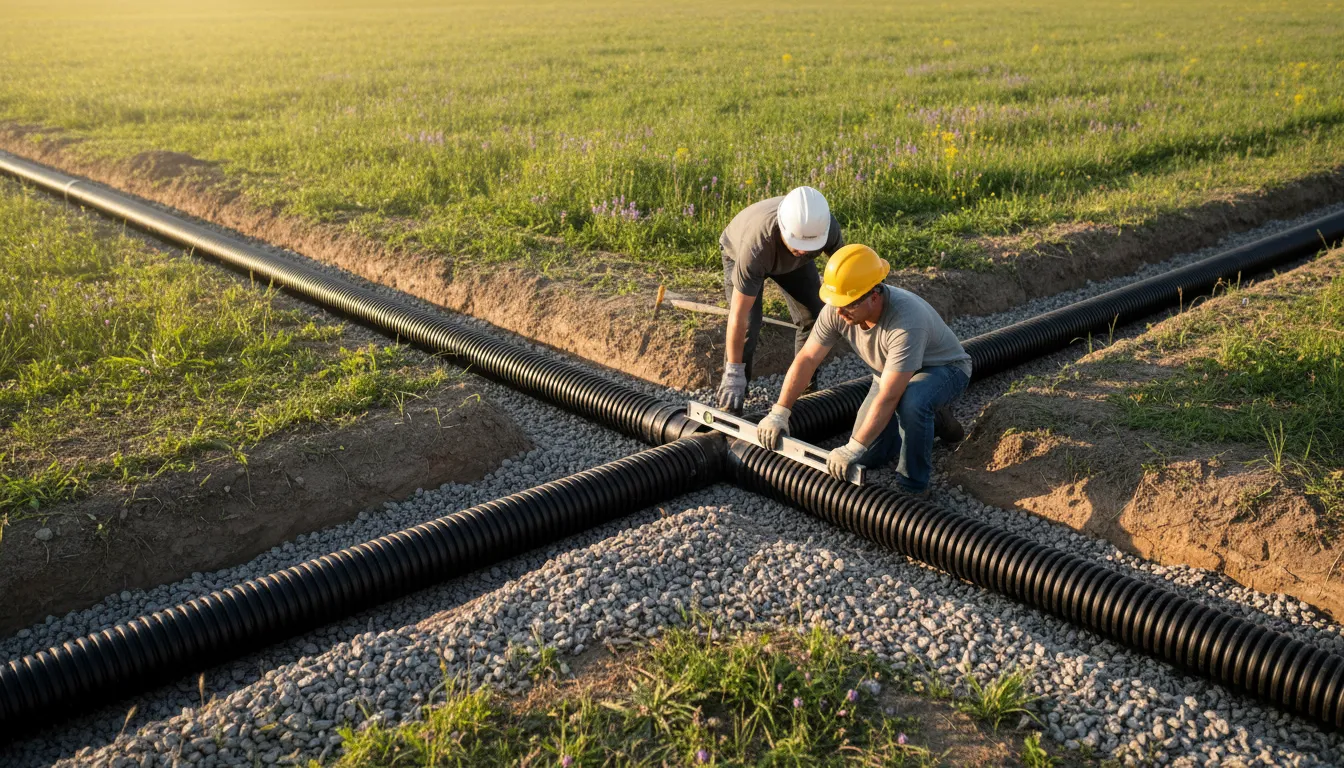
Find the Best Drain Field Repair Companies for Your Business
No obligation • Fast responses • Nationwide coverage

Why you can trust Septic Spot
Septic Spot is a leading United States resource for understanding and comparing septic services. Our editors review providers using consistent criteria and verify key business details. Listings and scores are independent, and companies cannot pay to influence our content.
Search providers near you
Top Drain Field Repair Companies in Los Angeles, California Ranked
A failing drain field, also known as a leach field or soil absorption system, is a serious issue for any Los Angeles County property with a septic system. This critical component is responsible for safely dispersing and filtering treated wastewater into the soil. When it malfunctions, it can lead to sewage backups, foul odors, and environmental contamination. Understanding the local regulations, costs, and process for leach line repair or replacement is essential for homeowners. This guide provides the information you need to navigate this complex project, from identifying failure signs to working with qualified professionals and securing the necessary county approvals.
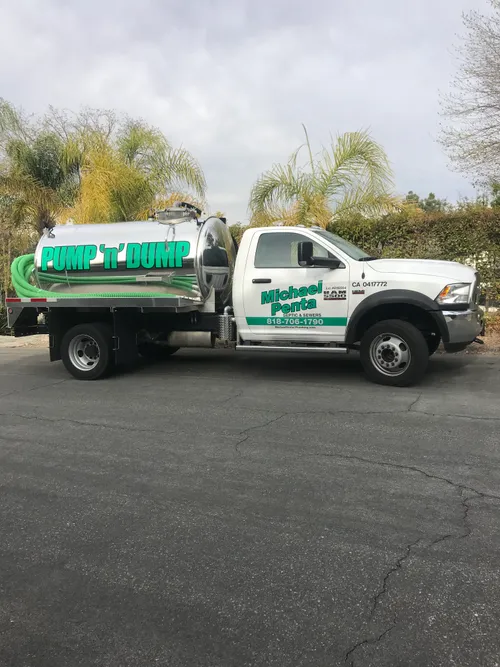
Michael Penta Septic Tank Pumping
Los Angeles, CA
Michael Penta Septic Tank Pumping provides a range of septic services in Los Angeles, CA, including septic tank pumping, installation, inspection, and repair. The company also handles drain field repairs, sewage ejection pump services, and sewer line replacements. Their expertise includes advanced capabilities such as camera inspections for leaks and cracks, soil analysis for leach line repair, and installation of micro septic systems that treat wastewater to a higher quality. They ensure compliance with local regulations and offer comprehensive maintenance to extend the life of septic systems.
Foureverfresh Septic & Sewer Solutions
Los Angeles, CA
Foureverfresh Septic & Sewer Solutions provides a range of septic system services in Los Angeles, CA. Their offerings include septic tank pumping, inspections, repairs, installations, and sewer line repairs. They use advanced diagnostic tools like video inspections and leak detection to address issues such as tree root intrusion and blockages efficiently. With over 20 years of experience, the company emphasizes eco-friendly practices and customer satisfaction in their work.
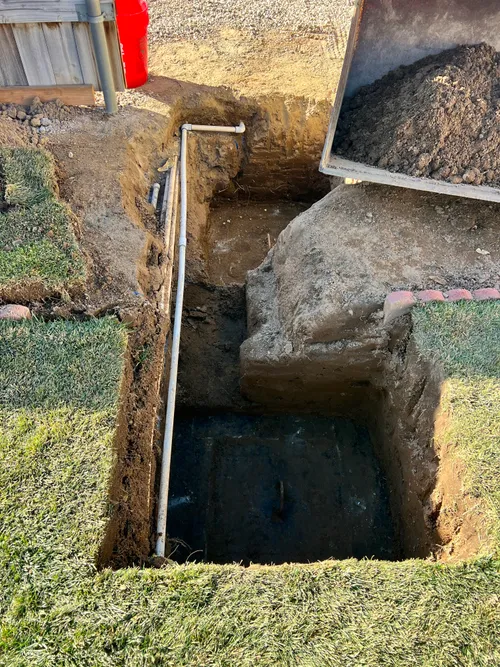
Alpha Omega Plumbing & Septic Services
11755 Santa Fe Ave E, Hesperia, CA 92345
Alpha Omega Plumbing & Septic Services has been providing septic system repair, installation, and maintenance since 1984. Based near Los Angeles, CA, they serve the High Desert area with expertise in septic tanks, leach lines, seepage pits, and grease trap maintenance. Their team follows environmentally safe practices to help protect the environment while handling a wide range of plumbing and septic needs.
The Drain Dude
13113 San Fernando Rd, Sylmar, CA 91342
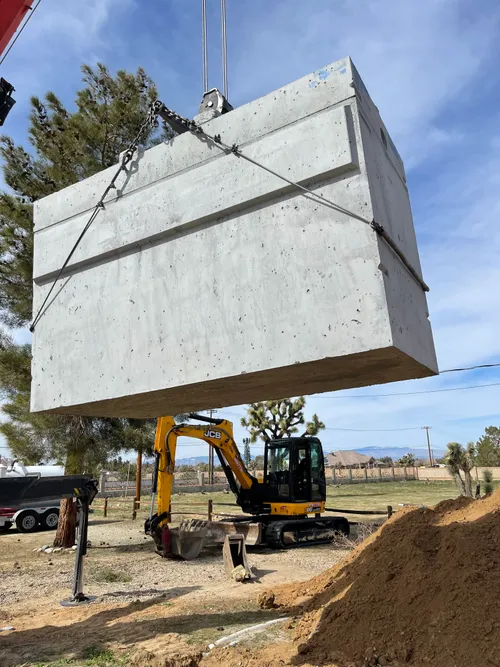
The Drain Dude is a full-service plumbing company based in Los Angeles, CA, offering a wide range of plumbing solutions including septic tank inspection, septic system repair, and drain field repair or replacement. They provide 24/7 emergency plumbing services and use advanced technology such as video inspection and electronic leak detection to accurately diagnose issues. Their trenchless sewer and underground pipe installation services minimize disruption with low-dig or no-dig methods. The Drain Dude serves all of Southern California, combining family-owned values with professional expertise.
Gardner Septic Services
Los Angeles, CA
Gardner Septic Services is a family-owned company based in Los Angeles, CA, specializing in septic system design, installation, pumping, repairs, inspections, and certifications. Serving the Inland Empire area including Riverside, Moreno Valley, Woodcrest, Yucaipa, Redlands, and nearby communities, they handle projects ranging from small repairs to complete septic system installations. With over 20 years of experience and licensed as a C-42 sanitation systems contractor, Gardner Septic Services offers comprehensive septic solutions including septic tank locating, riser and lid installations, and drain field repairs. They provide 24/7 emergency septic services to address urgent needs at any time.
Understanding Your Drain Field and Signs of Failure
The drain field is the final stage of your onsite wastewater treatment system (OWTS). After solids settle in the septic tank, the liquid effluent flows through pipes into a series of perforated lines buried in trenches filled with gravel. This effluent then slowly percolates into the soil, where natural processes provide final treatment. In Los Angeles, common signs that your leach field or soil absorption system needs attention include:
- Sewage odors around the yard or drain field area.
- Slow draining sinks, tubs, and toilets throughout the home.
- Gurgling sounds coming from plumbing fixtures.
- Standing water or soggy, spongy ground over the drain field, especially when it hasn't rained.
- Unusually green and lush grass specifically over the drain field lines.
If you notice any of these symptoms, it's crucial to act quickly. A failing dispersal system is a public health concern and requires professional diagnosis and repair.
Los Angeles County Regulations and Permit Requirements
All septic system work in Los Angeles County, including any repair, alteration, or replacement of a drain field, is strictly regulated by the Department of Public Health (DPH) - Environmental Health Division. You cannot begin any excavation or construction without the proper permits. Key regulatory points include:
- Permit Mandate: A permit from the DPH is required for any septic system work.
- Approval Authority: The LA County DPH manages and approves all OWTS projects through its Local Agency Management Program (LAMP)1.
- Sewer Connection Rule: If your property is within 200 linear feet of a public sewer line, the county may require you to connect to the sewer instead of repairing your septic system2 3.
- Cesspool Phase-Out: Properties with old cesspools are generally required to upgrade to a full septic system, particularly when rebuilding4.
- Professional Requirement: System design and installation must be completed by a qualified professional, such as a licensed septic contractor or a registered engineer.
Navigating these regulations is a fundamental first step. A qualified local contractor will be familiar with the county's application process and can help manage the paperwork.
Critical Site and Soil Evaluation: The Percolation Test
Before any drain field repair or replacement can be designed, a thorough site evaluation is mandatory. The most critical component of this is a soil percolation test (perc test). This test determines how quickly water absorbs into your property's soil, which dictates the size and design of the leach field.
- Process: A professional excavates test holes in the proposed drain field area, saturates the soil, and measures the drop in water level over a set time.
- County Standards: Los Angeles County requires soil to have a percolation rate between 1 and 12 inches per hour for a conventional system.
- Cost: A standard perc test can cost between $300 and $3,000, depending on the site's complexity and the need for a full geotechnical report 5.
- Setback and Slope: The evaluation also confirms compliance with setbacks from property lines, wells, and structures. Slopes greater than 20% require a technical study, and slopes over 35% are typically not permitted for a standard drain field6 7.
A failed perc test doesn't necessarily mean you can't have a system. It may require an alternative, engineered system, which can be more expensive. This evaluation is the foundation for all subsequent planning8.
The Step-by-Step Process for Repair or Replacement
Once a problem is confirmed and the site is evaluated, the project follows a structured path.
- Initial Inspection & Diagnosis: A qualified contractor performs a full system inspection, locating the tank and drain field, checking for blockages, and assessing the extent of the failure9.
- System Design & Plan Submission: Based on the soil evaluation, the contractor or engineer creates a design plan for the repair or new leach field. This plan, along with a completed System Evaluation Form, is submitted to the DPH for permit approval10.
- Permit Acquisition: Homeowners or their contractors must obtain the required permit from the LA County DPH before any work begins11.
- Excavation & Installation: For a full replacement, this involves excavating the old, failed leach lines and installing new trenches with gravel and perforated distribution pipes. The design must ensure a minimum 5-foot vertical separation between the trench bottom and the seasonal high groundwater table 12.
- Final Inspection: Once installation is complete but before the trenches are backfilled, a final inspection by the county DPH is required to ensure the work complies with the approved plans and codes13 14.
Find the perfect drain field repair companies for your needs
Get personalized recommendations and expert advice
Cost Breakdown for Drain Field Projects in Los Angeles
Costs for leach field work in California vary widely based on soil conditions, system size, and site accessibility. The figures below are typical ranges for the Los Angeles area 15:
- System Inspection: $50 - $250 (for diagnosis and pumping if needed).
- Soil Percolation Test: $300 - $3,000.
- Minor Repairs: Clearing a clogged line or replacing a small section may cost $300 - $900.
- Major Pipe Repairs: Extensive pipe replacement or repair can range from $1,200 - $4,000.
- Complete Drain Field Replacement: This is the most significant expense, typically ranging from $5,000 to $15,000 or more, depending on the size and complexity of the required soil absorption system16.
These costs generally include labor and materials but not permit fees or the cost of alternative systems if the soil fails a standard perc test. Always get detailed, written estimates from multiple licensed contractors.
Choosing a Qualified Professional
Given the technical and regulatory complexity, selecting the right contractor is paramount. Look for a professional with:
- Valid Licensing: A current California contractor's license with a specialty in septic systems.
- Local Experience: Proven experience with the LA County DPH permitting process and knowledge of local codes (Title 11/28).
- Good References: Ask for and contact references from recent, similar projects in the area.
- Detailed Proposals: Provides clear, written estimates that break down costs for inspection, design, permitting, materials, labor, and county fees.
- Insurance: Carries adequate liability and workers' compensation insurance.
A reputable professional will guide you through the entire process, from the initial diagnostic inspection to the final county sign-off.
Maintenance Tips to Extend Drain Field Life
After investing in a repair or replacement, proper maintenance is key to protecting your system.
- Conserve Water: Spread out laundry and dishwasher use to avoid overwhelming the system.
- Mind What You Flush: Only human waste and toilet paper should go down the toilet. Avoid chemicals, grease, and non-biodegradable items.
- Protect the Area: Never drive or park vehicles over the drain field, and avoid planting trees with deep roots nearby.
- Regular Pumping: Have your septic tank pumped every 3-5 years by a professional to prevent solids from clogging the leach lines 17.
Proper care can add decades to the life of your soil absorption system and help you avoid another costly replacement.
Frequently asked questions
Sources
Footnotes
-
Los Angeles County Local Agency Management Program (LAMP) - http://publichealth.lacounty.gov/eh/docs/about/lac-local-agency-management-program.pdf ↩
-
Onsite Wastewater Treatment System in Los Angeles County - http://www.publichealth.lacounty.gov/eh/business/septic-systems.htm ↩
-
Onsite Wastewater Treatment System in Los Angeles County - http://www.publichealth.lacounty.gov/eh/business/septic-systems.htm ↩
-
Rebuilding a Home with an Existing Septic System - https://recovery.lacounty.gov/rebuilding/septic-systems/ ↩
-
How Much Does a Septic Soil Test Cost in 2026? - Land Perc - https://landperc.com/septic-soil-test-cost/ ↩
-
Conventional and Non-Conventional Onsite Wastewater Treatment ... - http://ph.lacounty.gov/eh/docs/ep_lu_ProfessionalGuide.pdf ↩
-
Navigating Local Septic Regulations: A Homeowner's Guide - https://www.norwayseptic.com/navigating-local-septic-regulations-a-homeowners-guide/ ↩
-
Perc Testing and What to Do If The Site Fails - https://www.mecindustries.com/morse-engineering-and-construction-industries/perc-testing-and-what-to-do-if-the-site-fails ↩
-
Repairing Septic Systems: A Detailed Manual - https://ky-pd.com/blog/fixing-septic-system/ ↩
-
California Septic Tank Requirements | Onsite Wastewater ... - https://www.ntotank.com/blog/california-septic-tank-requirements ↩
-
INFORMATION FOR OBTAINING SEPTIC SYSTEM PERMITS The following documents pertain to the applications for the permitting and insta - https://www.icphd.org/media/managed/environmentalhealthforms/Information_for_Obtaining_Septic_System_Permits_11_17_17.pdf ↩
-
The Californian's Guide To Septic Tanks - https://cacciaplumbing.com/blog/california-septic-tank-guide/ ↩
-
Leach Field 101: The Ultimate Guide to Understanding and Managing Your Septic System - https://www.nexgenseptics.com/leach-field-101-the-ultimate-guide-to-understanding-and-managing-your-septic-system/ ↩
-
How To Replace A Septic Drain Field Without Costly Mistakes - https://millersepticfl.com/how-to-replace-a-septic-drain-field-without-costly-mistakes/ ↩
-
Maintaining your Septic System A Guide for Homeowners - https://www.ihs.gov/california/tasks/sites/default/assets/File/SFC-MaintainingYourSepticSystemGuide.pdf ↩
-
How Much Does Septic System Repair Really Cost in California - https://www.lanikseptic.com/septic-repair-cost/ ↩
-
homeowners-guide-eh-review-septic-system.pdf - http://www.publichealth.lacounty.gov/eh/docs/business/homeowners-guide-eh-review-septic-system.pdf ↩