Find the Best Drain Field Repair Companies for Your Business
No obligation • Fast responses • Nationwide coverage

Why you can trust Septic Spot
Septic Spot is a leading United States resource for understanding and comparing septic services. Our editors review providers using consistent criteria and verify key business details. Listings and scores are independent, and companies cannot pay to influence our content.
Search providers near you
Top Drain Field Repair Companies in San Jose, California Ranked
A failing drain field, also known as a leach field or absorption field, is a serious issue for any property with a septic system. This critical component is responsible for safely dispersing and filtering treated wastewater into the soil. When it fails, it can lead to soggy yards, foul odors, and environmental contamination. Understanding the local regulations, soil requirements, and repair process is essential for San Jose homeowners. This guide helps you navigate the complexities of septic leach field work, from identifying problems to connecting with qualified local professionals who can assess and resolve your system's needs.
A-1 Septic Services
2125 Wylie Dr #6, Modesto, CA 95355
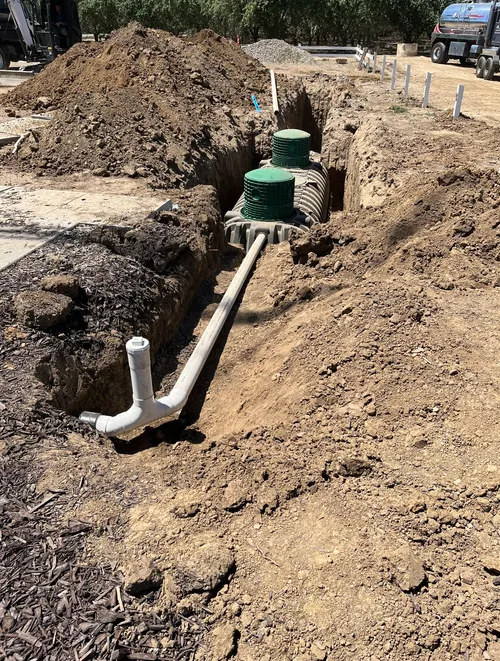
A-1 Septic Services is a full-service septic company based in San Jose, CA, offering comprehensive septic system solutions. They provide septic tank installation, repair, pumping, inspections, and drain field services, along with grading, excavation, and underground utility trenching. The company manages all aspects from design and permitting to final installation, ensuring code compliance and system longevity. With over 30 years of experience serving Stanislaus, San Joaquin, and Merced counties, A-1 Septic Services has extensive local knowledge and expertise. Their capabilities include septic system design, leach field installation, and utility trenching, supported by in-house crews and equipment to maintain control over project quality and scheduling.
Environmental Septic Solution
Stockton, CA
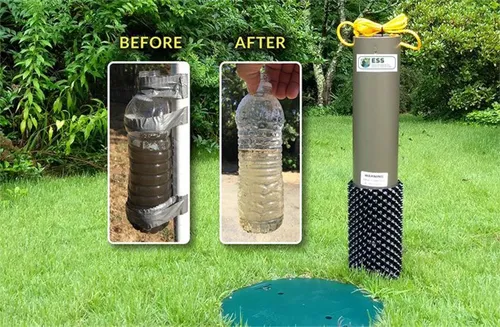
Environmental Septic Solution is a septic system service provider based in Stockton, CA. They specialize in septic tank pumping, inspection, repair, and drain field restoration using a proprietary aerobic bacteria technology. This system is designed to break down organic waste and biomat buildup, helping to avoid costly and invasive drain field replacements. Since 2007, they have offered solutions that can restore failing septic systems and reduce the need for frequent pumping. Their approach aims to maintain septic system function while protecting the environment.
Understanding Your Septic System's Drain Field
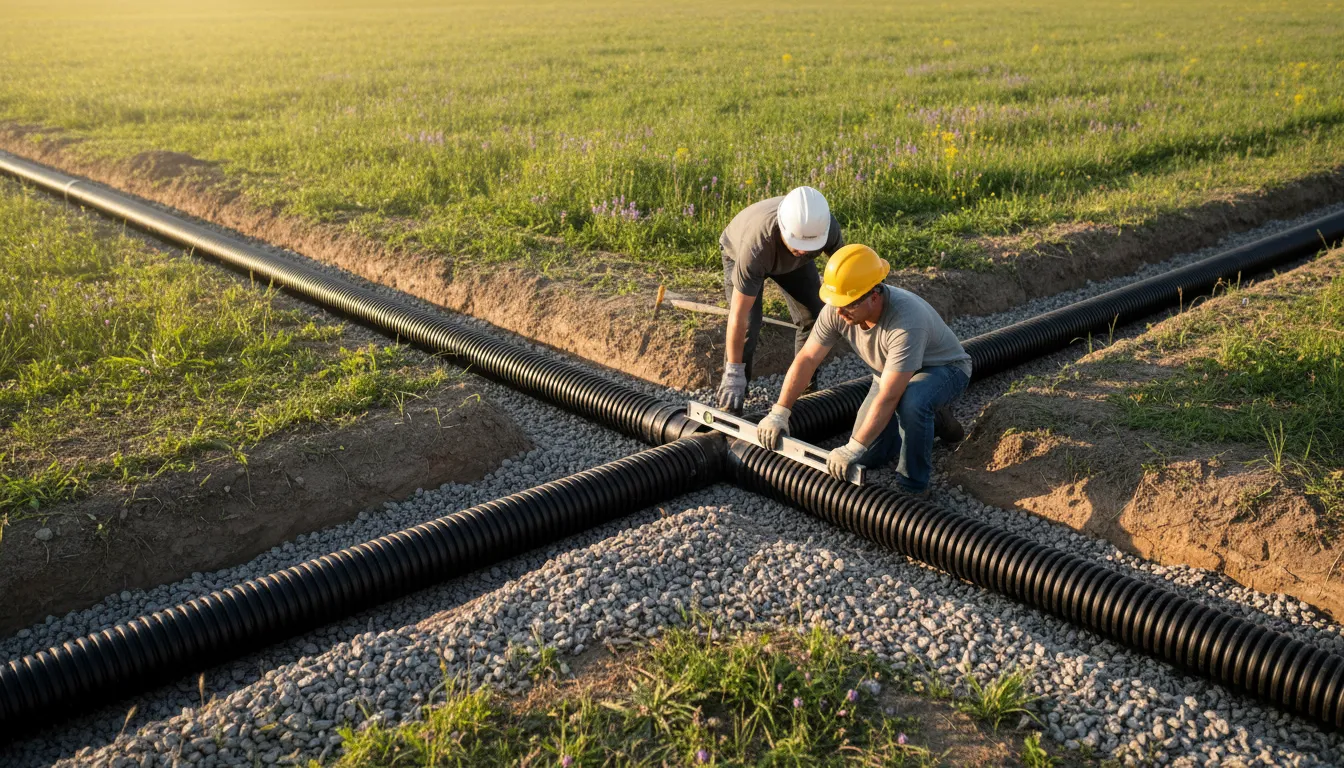
The drain field is the final stage of your onsite wastewater treatment system (OWTS). After solids settle in the septic tank, liquid effluent flows into a network of perforated pipes buried in trenches filled with gravel. This effluent slowly percolates into the soil, where natural microbial processes provide the final treatment before the water rejoins the groundwater. A properly functioning leach field is invisible and odorless. Problems arise when the soil becomes clogged or saturated, preventing absorption and causing wastewater to surface or back up into your home.
Santa Clara County Regulations and Permits
All residential septic system work in San Jose is governed by the Santa Clara County Department of Environmental Health (DEH). It is illegal to construct, reconstruct, or repair an OWTS without first obtaining the proper permit from this agency.
Key Permit Rules:
- Sewer Availability: A septic system permit will only be issued if a public sanitary sewer is not available within 300 feet of your property line (or 200 feet from the building in some city areas).
- Mandatory Licensing: Only contractors holding specific California State Contractor Licenses-such as a Class A General Engineering, C-42 Sanitation System, or C-36 Plumbing license-are legally permitted to install or repair systems 1.
- Permit Exemptions: Minor repairs, such as replacing a tank lid or distribution box, or fixing a single broken pipe, generally do not require a permit. However, any work on the actual dispersal field (leach field) almost always does.
- Point-of-Sale Inspections: A critical regulation effective July 2023 requires that any system failing an inspection during a property sale must be repaired or replaced. The responsibility falls to either the buyer or seller, and the DEH allows a 90-day period for completion without penalty 2.
Signs You Need Drain Field Repair or Replacement
Recognizing early warning signs can save you from more extensive and costly damage:
- Soggy Ground & Surfacing Effluent: Puddles or persistently wet, spongy soil over the drain field area, especially with a foul smell.
- Slow Drains & Backups: Gurgling pipes, slow-draining sinks and toilets, or sewage backups in the home.
- Unusually Green Grass: Patches of grass over the field that are much lusher and grow faster than the rest of the lawn.
- Nitrate Contamination: Test results from a well showing high nitrate levels, indicating system failure and groundwater contamination.
If you notice any of these signs, you must contact the DEH to request an initial evaluation. As a temporary measure to prevent a public health hazard, you will likely need to pump your septic tank immediately.
The Role of Soil and Site Evaluation
The success of any leach field repair hinges on the soil conditions of your property. The DEH has strict environmental protections; systems cannot be used if high groundwater, steep topography, or unsuitable soil conditions are present 3.
Critical Soil Factors:
- Soil Type: Ideal soils are loamy, providing a balanced mix of sand, silt, and clay. This balance allows for adequate drainage while also providing the filtration and microbial treatment needed to purify effluent. High-clay soils absorb water but drain poorly, leading to rapid clogging. Sandy soils drain too quickly without providing adequate treatment 4 5 6.
- Percolation Rate: A "perc test" measures how quickly water drains through the soil. This rate directly determines the size of the drain field required. For example, a one-bedroom home on soil with a slow perc rate might need a 350-square-foot field, while the same home on soil with a fast rate might only need 165 square feet 7.
- Depth to Groundwater: There must be a minimum of 3 to 4 feet of unsaturated soil between the bottom of the drain field trenches and the seasonal high groundwater table. This vertical separation is crucial for preventing contamination 8.
- Space Requirements: A standard three-bedroom home typically requires at least 10,000 square feet of suitable land area for the entire septic system, including the tank, field, and replacement area 9.
Find the perfect drain field repair companies for your needs
Get personalized recommendations and expert advice
The Repair and Replacement Process
Repairing or replacing a failed absorption field is a multi-step process involving professionals and county oversight.
- Initial Evaluation & Permit Application: After contacting the DEH about a suspected failure, you must hire a qualified consultant-a Registered Environmental Health Specialist (REHS), Civil Engineer, or Geologist-to evaluate the site and design a repair. A scaled design plan (typically 1" = 20') must be submitted with your permit application 10 11.
- System Design: The consultant will design a solution based on your soil's perc test results and site constraints. This could be a traditional gravel trench system, a chamber system, or an advanced treatment system if conditions are challenging.
- Construction & Inspections: Once the permit is issued, your licensed contractor can begin work. The DEH conducts mandatory inspections at key stages:
- Pre-construction: Often required for challenging sites or alternative systems.
- Installation: Inspectors check the tank setting, water-tightness, and the proper installation of all drain field components like pipes, gravel, and geotextile fabric.
- Final Inspection: Verification that the entire system is properly backfilled and that all risers and valves are accessible for future maintenance 12.
Cost Considerations for San Jose Homeowners
Costs for leach field work in Santa Clara County vary widely based on system size, soil complexity, and the type of technology required.
| Item | Estimated Cost Range |
|---|---|
| Full System Replacement | $15,000 - $25,000+ |
| Drain Field Replacement Only | $5,000 - $15,000 |
| Septic Tank (Materials Only) | $1,000 - $5,000 (Plastic/Fiberglass vs. Concrete) |
| Engineering & Permit Fees | $500 - $3,000 |
| Routine Inspection | $50 - $150 |
| Tank Pumping | $150 - $250 |
Sources: Industry cost guides and regional estimates 13 14 15.
These figures are estimates. The only way to get an accurate cost is to have a licensed professional perform a site evaluation and provide a detailed quote based on your specific conditions and the county's requirements.
Maintaining a Healthy Drain Field
Prevention is always more affordable than repair. To extend the life of your new or existing leach field:
- Pump Regularly: Have your septic tank pumped every 3-5 years by a licensed professional to prevent solids from escaping into the drain field.
- Conserve Water: Use water-efficient fixtures and spread out laundry loads to avoid hydraulically overloading the system.
- Mind What You Flush: Only human waste and toilet paper should go down the drain. Never flush chemicals, grease, wipes, or feminine hygiene products.
- Protect the Area: Never drive or park vehicles over the drain field, and avoid planting trees or deep-rooted shrubs nearby.
Frequently asked questions
Sources
Footnotes
-
California Septic License & Certification | 2024 Contractor Guide - https://www.servicetitan.com/licensing/septic/california ↩
-
New Septic Regulations Taking Effect July 2023 - https://slvpost.com/new-septic-regulations-taking-effect-july-2023/ ↩
-
ONSITE SYSTEMS MANUAL - California Water Boards - https://www.waterboards.ca.gov/sanfranciscobay/board_info/agendas/2016/January/SantaClaraOWTS/SCC_OWTS_B_Onsite_Systems_Manual.pdf ↩
-
Comparing Fill Dirt Types for Safe Septic System Installation - https://www.soilconnect.com/blog/comparing-fill-dirt-types-for-safe-septic-system-installation ↩
-
How Soil Type Affects a Septic System | A-1 Tank Service - https://www.a1tank.net/how-soil-type-septic-system/ ↩
-
Best Soils for Septic Systems and Drain Fields - https://advancedsepticservicesfl.com/soils-for-septic-systems/ ↩
-
Septic Leach Field Sizes: A Complete Guide | Angi - https://www.angi.com/articles/septic-leach-field-sizes.htm ↩
-
How Does Soil Impact the Septic System You Can Have? - https://www.septicconnection.com/how-does-soil-impact-the-septic-system-you-can-have ↩
-
Buying Land? Essential Guide to Septic System Installation - https://septic-masters.com/buying-land-septic-system-installation/ ↩
-
Application for repair of failing septic/OWTS - https://deh.santaclaracounty.gov/land-use/onsite-wastewater-treatment-system-owts/application-repair-failing-septicowts ↩
-
Application for septic/OWTS clearance for Accessory Dwelling Units ... - https://deh.santaclaracounty.gov/land-use/onsite-wastewater-treatment-system-owts/application-septicowts-clearance-accessory-dwelling ↩
-
OWTS Repair - https://scceh.com/NewHome/Programs/LandUse/OWTSRepairUpgrades/OWTSRepair.aspx ↩
-
Septic Drain Field Replacement Cost - https://dillonseptic.com/septic-drain-field-replacement-cost/ ↩
-
How Much Does Septic System Repair Really Cost in California - https://www.lanikseptic.com/septic-repair-cost/ ↩
-
Septic Tank Replacement and Drain Field Cost in California - https://www.lanikseptic.com/how-much-does-it-cost-to-replace-a-septic-tank-and-drain-field-in-california/ ↩