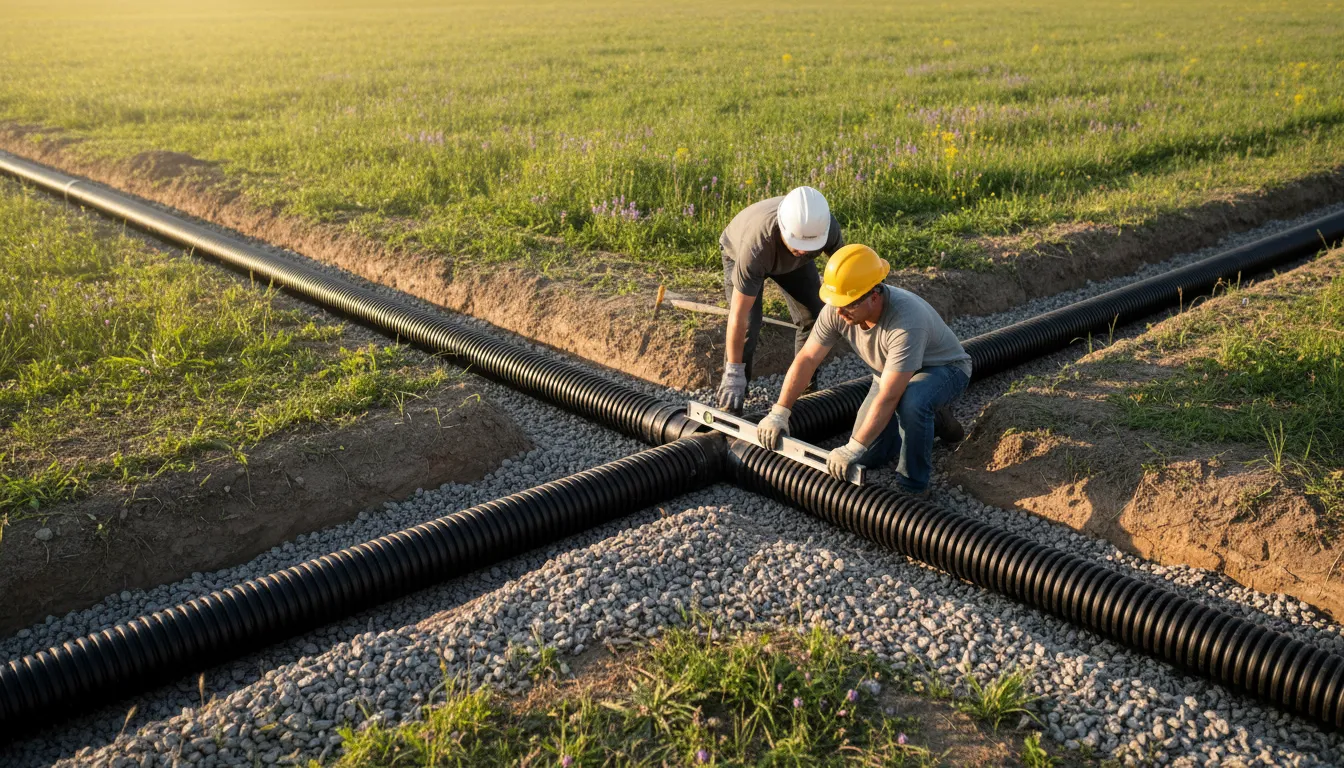
Find the Best Drain Field Repair Companies for Your Business
No obligation • Fast responses • Nationwide coverage

Why you can trust Septic Spot
Septic Spot is a leading United States resource for understanding and comparing septic services. Our editors review providers using consistent criteria and verify key business details. Listings and scores are independent, and companies cannot pay to influence our content.
Search providers near you
Top Drain Field Repair Companies in Visalia, California Ranked
A failing drain field is a serious issue for any home with a septic system. This critical component, also known as a leach field or absorption field, is responsible for safely filtering and dispersing treated wastewater into the soil. When it malfunctions, it can lead to soggy yards, foul odors, and even sewage backups into your home. Understanding your options for drain field restoration or a complete septic system replacement is essential for protecting your property and health. This guide provides key information on the process, regulations, and costs specific to Visalia, helping you connect with qualified local professionals for an assessment.
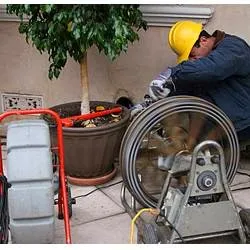
PRS Plumber Tulare
Visalia, CA
PRS Plumber Tulare provides septic tank pumping, inspection, installation, and repair services in Visalia, CA. They serve residential, commercial, and industrial clients throughout the Central Valley. The company offers specialized capabilities such as trenchless sewer line installation and sewer video inspection to efficiently diagnose and repair plumbing and septic issues. With over 40 years of experience, PRS Plumber Tulare is a family-owned business known for its licensed, bonded, and insured crews. They also provide 24/7 emergency plumbing services to address urgent needs at any time.
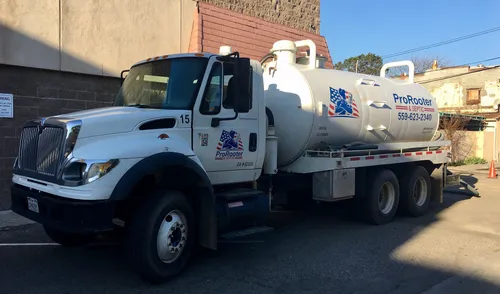
Pro Rooter & Septic - Visalia Plumbing
12148 Ave 272, Visalia, CA 93277
Pro Rooter & Septic - Visalia Plumbing provides septic tank pumping, inspection, repair, and installation services in Visalia, CA. They also handle drain field repair and sewer line services, including trenchless sewer line installation and sewer video inspection. With over 40 years of experience serving the Central Valley, the company is family owned and operated, offering 24/7 availability for plumbing and septic emergencies.
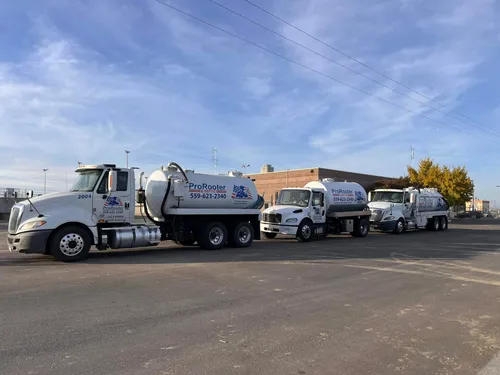
Pro Rooter & Septic
Fresno, CA
Pro Rooter & Septic is a family-owned plumbing and septic service provider based in Fresno, CA. Serving the Central Valley, they offer septic tank pumping, inspection, installation, and repair services, as well as drain field and sewer line repairs. The company uses modern equipment, including sewer video inspection and trenchless sewer line installation, to address plumbing and septic system needs efficiently. With over 40 years of experience, Pro Rooter & Septic is licensed, bonded, and insured, and provides 24/7 availability for emergencies.
Understanding Your Drain Field System
The drain field is the final stage of your onsite wastewater treatment system (OWTS). After solids settle in the septic tank, the liquid effluent flows through pipes into a network of perforated tubes buried in trenches filled with gravel. This effluent then slowly percolates through the soil, where natural processes provide final treatment. A healthy drain field relies on specific soil conditions to function properly. Over time, however, the biomat (a layer that forms on the trench walls) can become too thick, or the soil can become compacted or saturated, preventing proper drainage and leading to system failure.
Signs You Need Drain Field Repair or Replacement
Recognizing early warning signs can help you address problems before they become a full-blown emergency. Common indicators of a failing leach field in Visalia include:
- Soggy Ground or Standing Water: Puddles or persistently wet, spongy soil over the drain field area, especially when it hasn't rained.
- Sewage Odors: Unpleasant smells emanating from your yard, particularly near the drain field or septic tank.
- Slow Drains and Backups: Gurgling pipes, slow-draining sinks and toilets, or sewage backing up into household drains.
- Unusually Green Grass: Patches of grass over the drain field that are much lusher and greener than the rest of the lawn, indicating a nutrient overload from surfacing effluent.
- Failed Inspection: A professional septic inspection has identified saturated soil, surfacing effluent, or other critical failures in the absorption area.
If you notice any of these signs, it's crucial to contact a licensed septic professional immediately to diagnose the issue. They can determine if a repair will suffice or if a full replacement is necessary.
Visalia and Tulare County Regulations and Permits
Any significant repair or full replacement of a septic drain field in Visalia requires adherence to strict local and state regulations. Tulare County oversees these systems through its Resource Management Agency and Environmental Health Division.
Permit Requirement: You must obtain a permit from the Tulare County Environmental Health Division before beginning any repair or replacement work on your leach field. Working without a permit can result in fines and an unapproved system that may need to be redone.
Site Evaluation: The first step in the permit process is a professional site evaluation. A qualified septic contractor or engineer will assess your property's soil conditions, which is critical for designing a functional system. This evaluation determines the soil's percolation rate-how quickly water moves through it-and measures the vertical separation to the groundwater table.
Key Design Standards in Visalia:
- Percolation Rate: The soil must allow water to percolate at a rate between 1 and 12 inches per hour for a conventional system to be viable.
- Groundwater Separation: California OWTS policy requires a minimum of 5 feet of vertical separation between the bottom of the drain field trench and the seasonal high groundwater table.
- Setbacks: Systems must comply with minimum setback distances from wells, property lines, buildings, and surface water, as dictated by local codes and the California Regional Water Quality Control Board 1 2.
- Slope: The land slope for a drain field should generally not exceed 35%. Slopes over 20% often require a more detailed geotechnical report.
Find the perfect drain field repair companies for your needs
Get personalized recommendations and expert advice
The Repair and Replacement Process: What to Expect
Navigating a drain field project involves several key stages, from initial diagnosis to final approval.
- Professional Diagnosis & Site Evaluation: A licensed contractor will inspect your entire system, often using a camera to scope lines, and perform a percolation (perc) test to evaluate soil conditions. This determines the exact problem and the feasibility of a repair versus a replacement.
- System Design & Permit Submission: Based on the evaluation, a system design is created. Your contractor will typically handle submitting the engineering plans and application for the required county permit.
- Installation & Inspections: Once permitted, work begins. The county will mandate specific inspections during construction, including a mid-project inspection where an inspector checks the open trenches, pipe placement, gravel bed, and overall installation before it is covered with soil 3 4.
- Final Inspection and Approval: After installation is complete and the system is covered, a final inspection is conducted. Approval from the county is required to officially close the permit and put your new or repaired drain field into service.
Cost Considerations for Drain Field Work in Visalia
The cost for addressing drain field issues can vary widely based on the extent of the problem, soil conditions, the size of your home, and specific site constraints 5. Below is a general cost breakdown based on available data for the region.
- Minor Repairs: Addressing issues like a clogged distribution box or a small section of damaged pipe may cost between $300 and $900.
- Medium Repairs: More involved work, such as repairing or replacing septic tank components and associated piping, typically ranges from $1,200 to $4,000.
- Full Drain Field Replacement: When a repair is not possible, installing a completely new leach field is a major undertaking. In Visalia, costs for a full drain field replacement generally range from $5,000 to $15,0006 7.
- Complete New System Installation: For context, the total cost to install a new conventional septic system (including tank and drain field) for a 3-bedroom home in the Visalia area can range from approximately $9,480 to $11,2608.
It's important to get multiple detailed estimates from licensed contractors. The estimate should clearly outline the scope of work, materials, permit fees, and the plan for managing excavated soil and site restoration.
Choosing a Contractor for Your Leach Field Project
Selecting the right professional is critical for a successful, code-compliant outcome. Look for a contractor who is:
- Licensed & Insured: Verify they hold a current C-42 or appropriate California contractor's license for septic work and carry adequate liability insurance.
- Local Experience: Choose a provider familiar with Tulare County's specific permit process, inspectors, and common soil types in the Visalia area.
- Transparent with Estimates: They should provide a written, detailed estimate and be willing to explain each cost and phase of the project.
- Knowledgeable on Regulations: They should proactively handle the permit application and guide you through the required inspections.
Maintaining Your New or Repaired Drain Field
Protect your investment with proper care. Key maintenance tips include:
- Practice Water Conservation: Spread out laundry and dishwasher use to avoid overwhelming the system.
- Mind What You Flush: Only human waste and toilet paper should go down the drain. Avoid chemicals, grease, wipes, and feminine hygiene products.
- Keep Vehicles Off: Never drive or park cars, heavy equipment, or build structures over your drain field.
- Divert Water: Ensure roof drains, sump pumps, and yard drainage are directed away from the absorption area.
- Schedule Regular Pumping: Have your septic tank pumped every 3-5 years by a professional to prevent solids from escaping into and clogging the drain field.
Frequently asked questions
Sources
Footnotes
-
Southern California Septic System Regulations: What You Need to ... - https://www.lanikseptic.com/socal-septic-regulations/ ↩
-
Septic Systems Reports, Regulations, Guidance, and Manuals - https://www.epa.gov/septic/septic-systems-reports-regulations-guidance-and-manuals ↩
-
California Septic Tank Requirements | Onsite Wastewater ... - https://www.ntotank.com/blog/california-septic-tank-requirements ↩
-
Septic Inspections Made Easy: What Every Contractor Needs ... - https://flengineeringllc.com/septic-inspections-guide-contractors-2025/ ↩
-
Septic Tank Replacement and Drain Field Cost in California - https://www.lanikseptic.com/how-much-does-it-cost-to-replace-a-septic-tank-and-drain-field-in-california/ ↩
-
Septic Repair Cost in California: Complete Breakdown of Pricing ... - https://www.lanikseptic.com/septic-repair-cost/ ↩
-
The Californian's Guide To Septic Tanks - https://cacciaplumbing.com/blog/california-septic-tank-guide/ ↩
-
Visalia Septic Systems Costs & Prices - ProMatcher Cost Report - https://septic-systems.promatcher.com/cost/visalia-ca-septic-systems-costs-prices.aspx ↩