Find the Best Drain Field Repair Companies for Your Business
No obligation • Fast responses • Nationwide coverage

Why you can trust Septic Spot
Septic Spot is a leading United States resource for understanding and comparing septic services. Our editors review providers using consistent criteria and verify key business details. Listings and scores are independent, and companies cannot pay to influence our content.
Search providers near you
Top Drain Field Repair Companies in Clovis, California Ranked
A failing drain field is a serious issue for any home with a septic system, leading to backups, odors, and environmental hazards. Drain field repair or replacement is a significant project that requires professional expertise, careful planning, and adherence to strict local regulations. This guide explains the process, costs, and key considerations for homeowners in Clovis, helping you understand your options and connect with qualified local specialists for your leach field or soil absorption system needs.
The Septic Guys
Fresno, CA
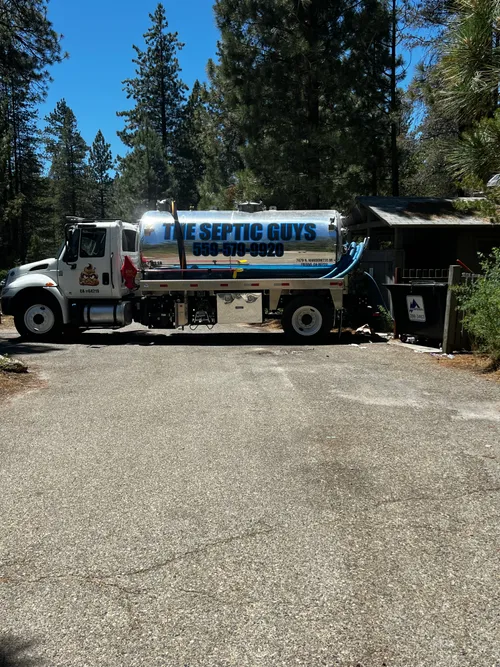
The Septic Guys provide septic tank pumping, inspection, repair, and installation services in Fresno, CA. They focus on maintaining septic systems to prevent costly damage, including drain field repairs and replacements. Their services include regular septic tank pumping, which helps identify potential problems early and reduces strain on the system components. This maintenance extends the life and functionality of septic systems and helps avoid major repairs.
Pro Rooter & Septic
Fresno, CA
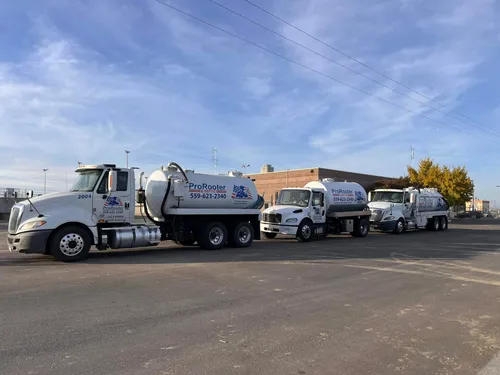
Pro Rooter & Septic is a family-owned plumbing and septic service provider based in Fresno, CA. Serving the Central Valley, they offer septic tank pumping, inspection, installation, and repair services, as well as drain field and sewer line repairs. The company uses modern equipment, including sewer video inspection and trenchless sewer line installation, to address plumbing and septic system needs efficiently. With over 40 years of experience, Pro Rooter & Septic is licensed, bonded, and insured, and provides 24/7 availability for emergencies.
Understanding Your Septic Drain Field
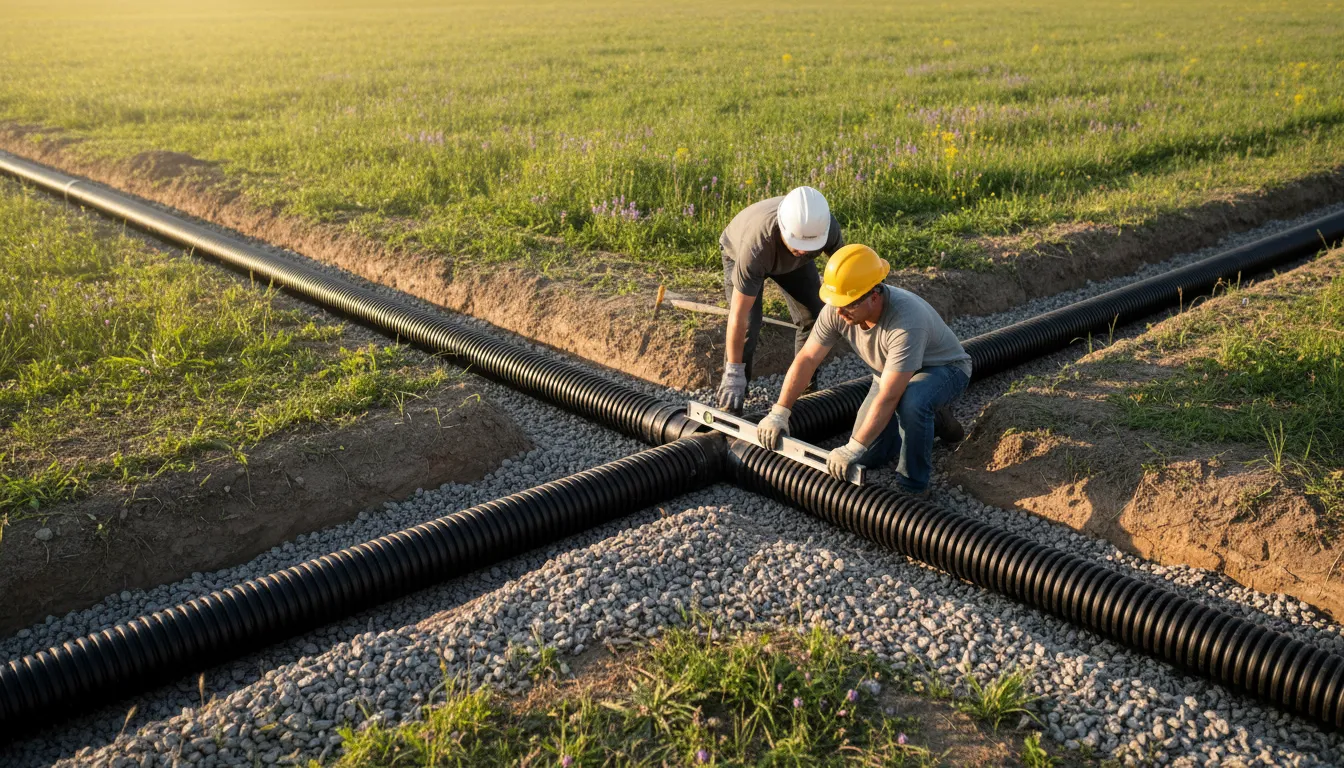
Often called a leach field or soil absorption system, the drain field is the final and most critical stage of your onsite wastewater treatment. After solids settle in the septic tank, liquid effluent flows into a network of perforated pipes buried in trenches filled with gravel. This effluent slowly percolates into the soil, where natural processes provide final treatment. When this area fails, wastewater cannot be properly absorbed, leading to system backups and potential contamination.
Signs You Need Drain Field Attention
Recognizing early warning signs can prevent a complete system failure and more costly repairs. Common indicators of a failing leach field in Clovis include 1:
- Slow Drains: Sinks, showers, and toilets drain unusually slowly, even after attempts to clear blockages.
- Sewage Odors: Unpleasant smells emanating from drains or, more notably, from the yard near the drain field area.
- Soggy Ground: Spongy, wet, or marshy patches of lawn over the drain field lines, especially when it hasn't rained.
- Unusual Vegetation: Strikingly lush, green grass or faster-growing weeds specifically over the drain field area.
- Gurgling Sounds: Audible gurgling from your home's plumbing when water is draining.
- Sewage Backups: The most severe sign, where wastewater backs up into household drains.
If you notice any of these symptoms, it's crucial to contact a professional for an inspection to determine if the issue lies with the tank, distribution box, or the drain field itself.
The Repair and Replacement Process in Clovis
Addressing a drain field problem is a multi-step process governed by California and Fresno County regulations. It's not a simple DIY fix and must be handled by licensed professionals.
1. Professional Inspection and Diagnosis
The first step is a thorough system inspection to pinpoint the problem. A specialist will check the septic tank, inlet/outlet baffles, and the distribution box to rule out issues before confirming the drain field failure 2. They will also look for the surface signs mentioned above.
2. Mandatory Site Evaluation and Soil Testing
This is a non-negotiable requirement in California. A qualified professional must perform a comprehensive site evaluation, including a percolation (perc) test. This test measures how quickly water drains through your soil, determining its absorption rate. The results are critical because California law requires soil to have a percolation rate between 1 and 12 inches per hour for a standard system. This test dictates the size and design of your new or repaired absorption system.
3. Design and Permitting
Using the soil test data, a site plan is developed for the new or repaired leach field. The design must comply with stringent state and local standards, including 3:
- Vertical Separation: At least 5 feet of unsaturated soil must exist between the bottom of the drain field trenches and the seasonal high groundwater table.
- Setbacks: The system must be located entirely within your property lines with specific setbacks from wells (often 50-100 feet), property lines, streams, and structures.
- Slope Considerations: For properties with slopes greater than 20%, additional geotechnical reports may be required to ensure stability. All repairs and replacements require a permit from the local environmental health department, which for Clovis is typically handled through Fresno County or the Central Valley Regional Water Quality Control Board.
4. Construction and Installation
Once permits are secured, construction begins. For a full replacement, this involves excavating the old leach field (if necessary) and installing new trenches with gravel and perforated piping. The system is then inspected by the local authority before being covered. The process can vary if an engineered alternative like a mound system is required for difficult soils.
Find the perfect drain field repair companies for your needs
Get personalized recommendations and expert advice
Cost Factors for Drain Field Projects
The cost of drain field work in Clovis varies widely based on the scope, soil conditions, and system design. Here's a general breakdown based on available data:
- Minor Repairs: Fixing a single clogged line or a damaged distribution box may range from $1,000 to $5,0004.
- Drain Field Replacement: A full leach field replacement is a major undertaking. Costs typically range from $5,000 to $15,000 or more, with an average around $7,0005 6. This is the most common major expense for septic system owners.
- Full System Replacement: If both the tank and drain field need replacing, costs can range from $9,000 to $15,000+7 8.
- Soil Percolation Testing: The mandatory site evaluation and perc test typically cost between $300 and $3,000, depending on the complexity of the site 9.
What Drives the Cost Higher?
- Poor Soil Conditions: Slow-draining clay or fast-draining sandy soil may require a larger or engineered system.
- Limited Space or Access: Tight yards or difficult access for excavation equipment increase labor costs.
- Engineered Systems: If a standard trench system isn't viable, alternatives like mound systems or aerobic treatment units (ATUs) add significant expense.
- Permit and Design Fees: Local permit fees and professional design work are additional costs on top of construction.
Local Regulations and Environmental Considerations
Clovis homeowners must navigate regulations from both Fresno County and the Central Valley Regional Water Quality Control Board. Systems must comply with the state's General Order for septic systems, which sets standards to protect groundwater quality 10 11. Proper permitting isn't just bureaucracy; it ensures your new soil absorption system is designed to function correctly for years and protects the community's water resources from contamination. Failure to obtain proper permits can result in fines and legal liability.
Maintenance After Repair or Replacement
Protecting your investment in a new leach field is essential. Key maintenance tips include:
- Water Conservation: Spread out laundry and dishwasher use to avoid overwhelming the system.
- Mind What You Flush: Only human waste and toilet paper should go down the drain. Avoid chemicals, grease, wipes, and feminine hygiene products.
- Divert Water: Ensure roof gutters and yard drainage direct water away from the drain field area.
- No Driving or Building: Never park vehicles or build structures (like sheds or patios) over your drain field.
- Regular Pumping: Continue to have your septic tank pumped every 3-5 years to prevent solids from escaping into the new lines.
Frequently asked questions
Sources
Footnotes
-
Maintaining your Septic System A Guide for Homeowners - https://www.ihs.gov/california/tasks/sites/default/assets/File/SFC-MaintainingYourSepticSystemGuide.pdf ↩
-
What to Expect During a Septic Tank Inspection - https://www.redfin.com/blog/what-you-need-to-know-about-septic-inspections/ ↩
-
The Californian's Guide To Septic Tanks - https://cacciaplumbing.com/blog/california-septic-tank-guide/ ↩
-
Common Septic Tank Repairs In California (& What They Cost) - https://cacciaplumbing.com/blog/common-septic-tank-repairs-in-california/ ↩
-
Cost to Replace Septic Tank and Drain Field [2026 Data] | Angi - https://www.angi.com/articles/how-much-new-drain-fields-foot.htm ↩
-
Septic Drain Field Replacement Cost - https://dillonseptic.com/septic-drain-field-replacement-cost/ ↩
-
Septic Repair Cost in California: Complete Breakdown of Pricing ... - https://www.lanikseptic.com/septic-repair-cost/ ↩
-
Switching from Septic to City Sewer: What Homeowners Need to Know - ProRooter & Septic - https://prorooterseptic.com/septic-to-sewer/ ↩
-
How Much Does a Septic Soil Test Cost in 2026? - Land Perc - https://landperc.com/septic-soil-test-cost/ ↩
-
California Septic Tank Requirements | Onsite Wastewater ... - https://www.ntotank.com/blog/california-septic-tank-requirements ↩
-
Central Valley Regional Water Quality Control Board - https://www.waterboards.ca.gov/rwqcb5/board_decisions/adopted_orders/general_orders/2014-0153-dwq_noas/2014_0153_dwq_r5373.pdf ↩