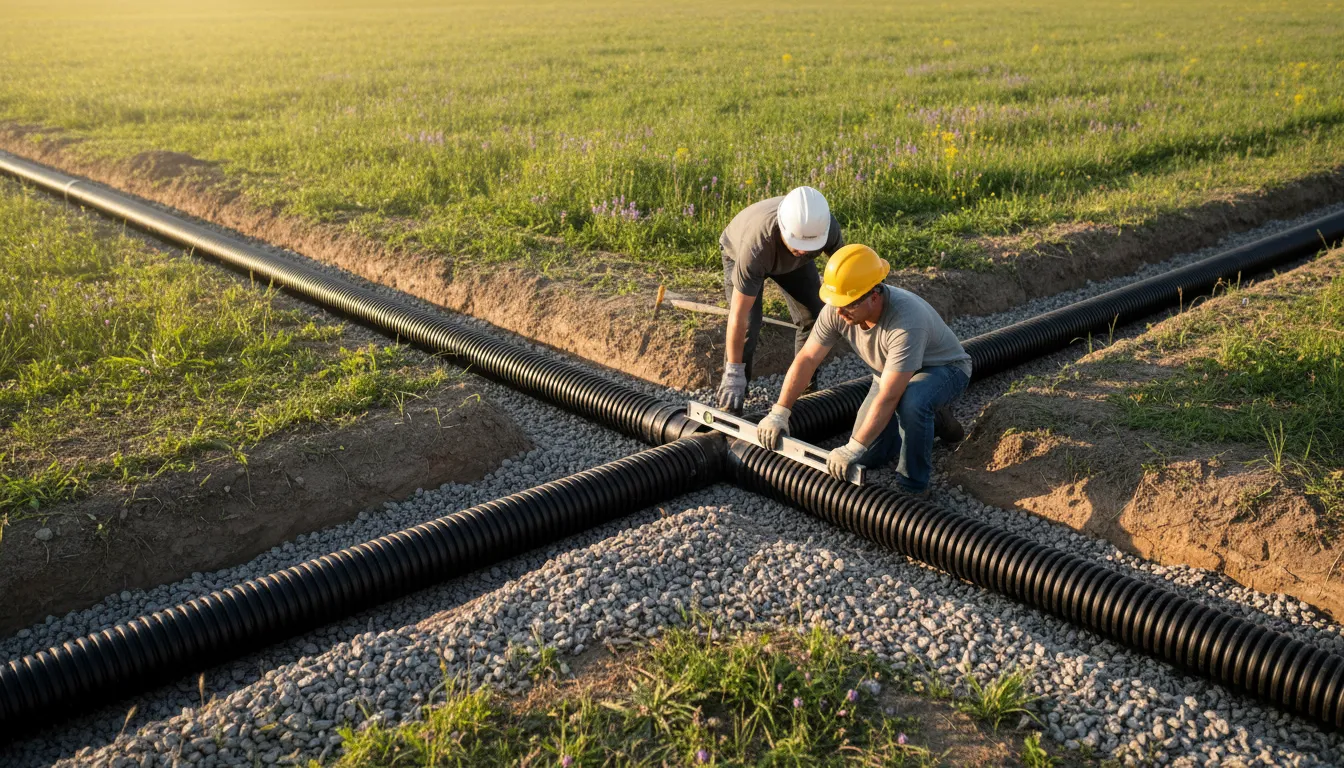
Find the Best Drain Field Repair Companies for Your Business
No obligation • Fast responses • Nationwide coverage

Why you can trust Septic Spot
Septic Spot is a leading United States resource for understanding and comparing septic services. Our editors review providers using consistent criteria and verify key business details. Listings and scores are independent, and companies cannot pay to influence our content.
Search providers near you
Top Drain Field Repair Companies in Corona, California Ranked
A failing drain field, also known as a leach field or absorption field, is a serious issue for any home with a septic system. When this critical component stops properly dispersing and treating wastewater, it can lead to soggy yards, foul odors, and even sewage backups into your home. In Corona, addressing these problems requires navigating specific local regulations and working with certified professionals. This guide will help you understand the process, costs, and key considerations for drain field repair or replacement in Riverside County, empowering you to make informed decisions for your property.
Foureverfresh Septic & Sewer Solutions
Los Angeles, CA
Foureverfresh Septic & Sewer Solutions provides a range of septic system services in Los Angeles, CA. Their offerings include septic tank pumping, inspections, repairs, installations, and sewer line repairs. They use advanced diagnostic tools like video inspections and leak detection to address issues such as tree root intrusion and blockages efficiently. With over 20 years of experience, the company emphasizes eco-friendly practices and customer satisfaction in their work.
Gardner Septic Services
Los Angeles, CA
Gardner Septic Services is a family-owned company based in Los Angeles, CA, specializing in septic system design, installation, pumping, repairs, inspections, and certifications. Serving the Inland Empire area including Riverside, Moreno Valley, Woodcrest, Yucaipa, Redlands, and nearby communities, they handle projects ranging from small repairs to complete septic system installations. With over 20 years of experience and licensed as a C-42 sanitation systems contractor, Gardner Septic Services offers comprehensive septic solutions including septic tank locating, riser and lid installations, and drain field repairs. They provide 24/7 emergency septic services to address urgent needs at any time.
Señor Septic Construction & Pumping
Los Angeles, CA
Señor Septic Construction & Pumping is a family-owned septic system contractor serving Los Angeles, CA, and surrounding areas including San Bernardino and Riverside counties. With over 23 years of experience, they provide septic tank pumping, inspection, repair, installation, and drain field services. The company is licensed and follows local codes, offering services such as septic tank clean-outs using modern equipment, new system installations including tanks and drain fields, and aerobic wastewater treatment system installations. They also handle all necessary permits and health inspections. Señor Septic is available Monday through Friday with Saturday appointments by request.
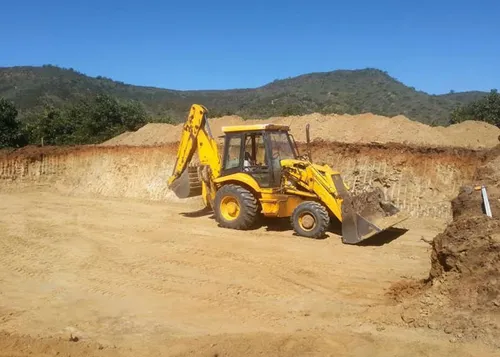
Aztec Excavation Inc. & Septic
37801 Oxford Dr, Murrieta, CA 92562
Aztec Excavation Inc. & Septic is a licensed sanitation system contractor based near Los Angeles, CA, specializing in septic system installation, repair, and excavation services. Serving Riverside and San Diego counties, the company handles septic tank installation, drain field repair, trench building, lot preparation, and utility line installation. With over a decade of experience, Aztec Excavation offers capabilities such as advanced treatment unit installation and septic system component repairs. The business operates 24/7 to support residential septic and excavation needs in areas including Murrieta, Temecula, and Wildomar.

Gardner Septic Service
12625 Frederick St, Moreno Valley, CA 92553
Gardner Septic Service is a family-owned septic system contractor based in Los Angeles, CA, serving Riverside, Moreno Valley, Woodcrest, Yucaipa, Redlands, and surrounding Inland Empire areas. The company offers a wide range of septic services including tank pumping, repairs, installations, inspections, certifications, and drain field repairs. With over 20 years of experience and licensed as a C-42 sanitation systems contractor, Gardner Septic Service specializes in septic system design and real estate septic certifications. They provide 24/7 emergency septic services to accommodate urgent needs.
Understanding Your Drain Field and Common Failure Signs
The drain field is the final stage of your onsite wastewater treatment system (OWTS). After solids settle in the septic tank, liquid effluent flows through pipes into a network of perforated lines buried in trenches filled with gravel. This effluent slowly percolates into the soil, where natural processes provide final treatment. A system fails when the soil can no longer absorb the liquid, often due to:
- Biomat Buildup: A layer of organic material that forms at the soil-gravel interface, eventually clogging it.
- Soil Compaction: From vehicles driving over the field or heavy structures built on top.
- Root Intrusion: Tree or shrub roots penetrating and clogging the distribution pipes.
- Hydraulic Overload: Excess water from household use or drainage overwhelming the field's capacity.
- System Age and Deterioration: Old, crushed, or corroded pipes.
Warning signs include:
- Sewage odors in the yard or home.
- Spongy, soggy, or standing water over the drain field area, especially when it hasn't rained.
- Unusually green, lush grass over the field.
- Slow drains or gurgling plumbing fixtures throughout the house.
- Sewage backing up into household drains.
If you notice any of these, it's crucial to act quickly to prevent environmental contamination and more costly damage.
Riverside County Regulations and the Permitting Process
All work on a septic system's drain field in Corona is governed by the Riverside County Department of Environmental Health, which enforces California's Onsite Wastewater Treatment System (OWTS) policy. You cannot simply hire a contractor to dig up and replace a field; a formal permitting process is mandatory.
Key Regulatory Requirements:
- Permits: A Land Use Application and a building permit are required for any significant repair or full replacement.
- Professional Design: Plans must be designed and certified by a state-licensed Qualified Service Provider (QSP) or Professional of Record (PR).
- Inspections: The county requires an inspection of the newly installed system before the trenches are covered.
- Site Evaluation: A professional must evaluate the existing system and proposed site, which includes crucial percolation (perc) tests to measure the soil's absorption rate 1.
The typical project sequence is:
- Initial Assessment & Soil Testing: A QSP or septic professional evaluates the failure and conducts soil percolation tests. Soil must have percolation rates that allow for proper treatment, typically between 1 and 120 minutes per inch.
- Plan Submission & Approval: Detailed engineering plans for the new or repaired system are submitted to the county for review and approval 2.
- Construction: Once permitted, a licensed contractor installs the system.
- Final Inspection: The county inspector examines the open trenches and components before they are backfilled.
Critical Site Factors for Drain Field Projects
The feasibility and design of your new leach field depend heavily on your property's characteristics, which the county evaluation will assess.
- Soil Suitability: This is the most critical factor. The percolation test determines if the native soil is adequate. Poorly draining clay or fast-draining sandy soil may require an engineered solution 3.
- Groundwater: Regulations generally require a minimum 5-foot vertical separation between the bottom of the drain field trench and the seasonal high groundwater table.
- Slope: Properties with slopes over 20% may require a geotechnical report, and slopes greater than 35% are generally not approved for standard systems 4 5.
- Setbacks: The system must meet minimum distance requirements from property lines, buildings, wells (often 100 feet or more), water bodies, and pools.
- Alternative Systems: If the soil, slope, or lot size is unsuitable for a conventional drain field, an Alternative Treatment System (ATU) may be necessary. These advanced systems provide additional treatment and can be used in more challenging sites but require an annual operating permit from the county 6.
Find the perfect drain field repair companies for your needs
Get personalized recommendations and expert advice
Cost Breakdown for Drain Field Work in Corona
Costs for drain field projects in California vary widely based on system size, soil conditions, and property access. The figures below are estimates to help you budget.
- Permitting and Design Fees: Expect to pay between $450 and $2,000 for county permits, soil testing, and professional engineering plans 7.
- Minor Repairs: Addressing issues like a clogged distribution line or replacing a baffle can range from $250 to $4,000.
- Partial or Full Drain Field Replacement: This is the major expense. Costs typically range from $3,000 to over $15,000. The wide range depends on:
- System Size: Driven by home size and septic tank capacity.
- Excavation Difficulty: Rocky soil, limited access, or the need for deep trenches increases cost.
- Materials: Cost of gravel, pipe, and geotextile fabric.
- Engineering & Alternatives: If an Alternative Treatment System is needed, costs can rise significantly.
A complete septic system replacement, including a new tank and leach field, often represents a total project cost between $6,000 and $10,000, but can easily exceed $15,000 when factoring in excavation, landscaping restoration, and high engineering fees 8 9. The entire process, from permitting to final inspection, generally takes 1 to 3 weeks 10.
Choosing a Qualified Professional
Given the regulatory complexity, choosing the right contractor is essential. Look for a company that:
- Is licensed, insured, and experienced with Riverside County's specific requirements.
- Has a strong relationship with local QSPs or employs one on staff.
- Can handle the entire process from diagnosis and permitting to installation and county liaison.
- Provides clear, detailed written estimates and explains the reasons behind the proposed solution.
- Has positive local references and reviews for similar drain field projects.
A reputable professional will not skip the permitting process and will ensure your new system is compliant, protecting your property value and the local environment.
Maintaining Your New Drain Field
Protect your investment with proper care:
- Practice Water Conservation: Spread out laundry loads, fix leaks, and install water-efficient fixtures.
- Mind What You Flush: Only human waste and toilet paper. Never flush chemicals, wipes, feminine products, or grease.
- Protect the Area: Never drive or park vehicles over the drain field. Avoid planting trees or deep-rooted shrubs nearby.
- Divert Water: Ensure roof drains, sump pumps, and surface runoff are directed away from the field.
- Pump the Tank Regularly: Have the septic tank pumped every 3-5 years to prevent solids from washing out into the new field 11.
Frequently asked questions
Sources
Footnotes
-
Onsite Wastewater Treatment Systems (OWTS) | Mono County California ↩
-
Building a New Home in Riverside County? Septic System ... - Lanik Septic ↩
-
Septic Systems | Riverside County Department of Environmental Health ↩
-
How Much Does a Septic System & Septic Tank Cost - Nexgen Septics ↩
-
Septic Tank Replacement and Drain Field Cost in California - Lanik Septic ↩
-
Cost to Replace Septic Tank and Drain Field [2026 Data] | Angi ↩
-
Septic Repair Cost in California: Complete Breakdown of Pricing ... - Lanik Septic ↩
-
How to Keep Your Septic System Healthy in Riverside County (Pro ... - Lanik Septic ↩