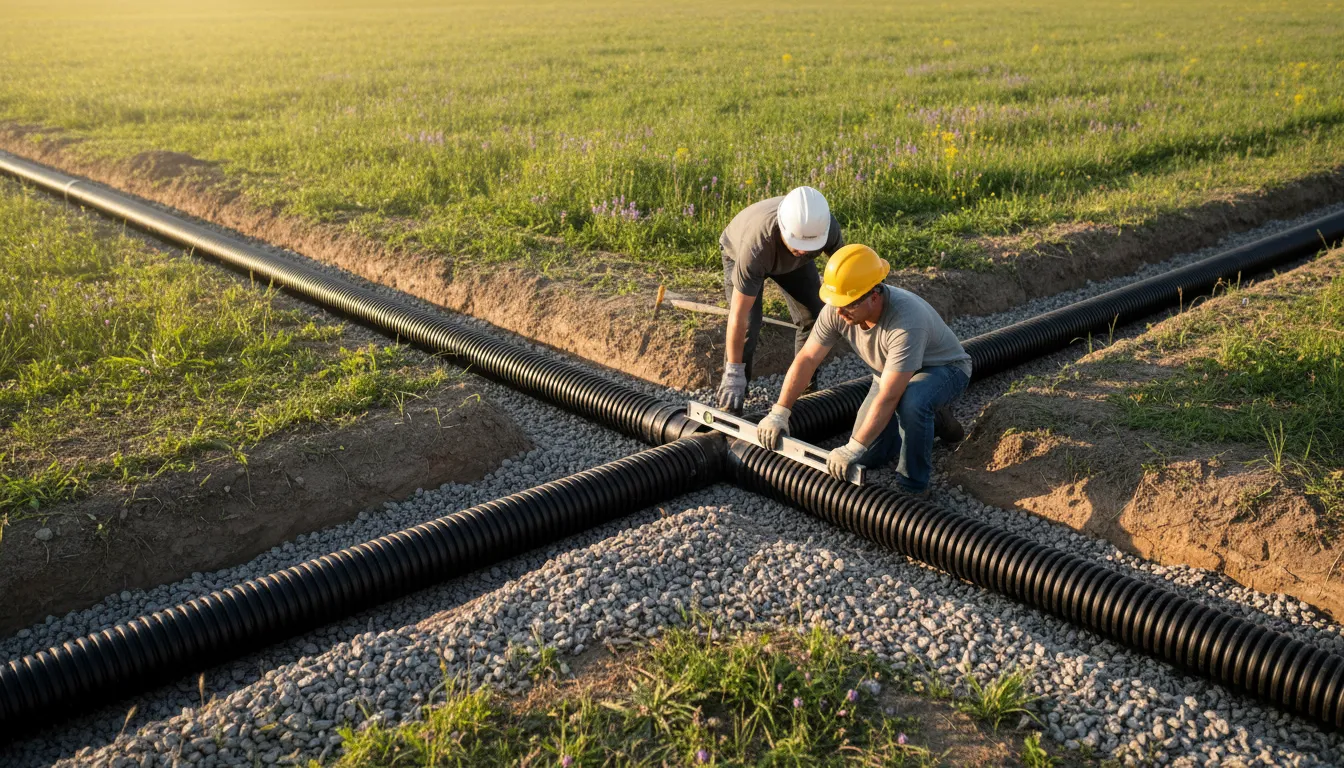
Find the Best Drain Field Repair Companies for Your Business
No obligation • Fast responses • Nationwide coverage

Why you can trust Septic Spot
Septic Spot is a leading United States resource for understanding and comparing septic services. Our editors review providers using consistent criteria and verify key business details. Listings and scores are independent, and companies cannot pay to influence our content.
Search providers near you
Top Drain Field Repair Companies in Eastvale, California Ranked
A failing drain field, also known as a leach field or soil absorption system, is a serious issue for any home with a septic system. When this critical component stops properly dispersing and filtering wastewater, it can lead to soggy yards, foul odors, and even sewage backups into your home. In Eastvale, addressing these problems requires navigating specific local regulations and technical standards. This guide explains the process, costs, and key considerations for leach field repair and replacement, helping you understand what's involved in restoring your onsite wastewater treatment system to proper function.
Foureverfresh Septic & Sewer Solutions
Los Angeles, CA
Foureverfresh Septic & Sewer Solutions provides a range of septic system services in Los Angeles, CA. Their offerings include septic tank pumping, inspections, repairs, installations, and sewer line repairs. They use advanced diagnostic tools like video inspections and leak detection to address issues such as tree root intrusion and blockages efficiently. With over 20 years of experience, the company emphasizes eco-friendly practices and customer satisfaction in their work.
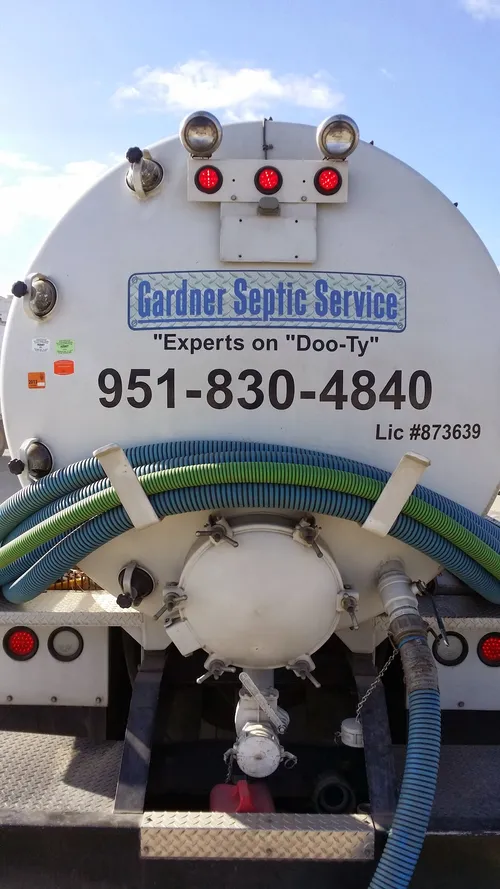
Gardner Septic Services
Los Angeles, CA
Gardner Septic Services is a family-owned company based in Los Angeles, CA, specializing in septic system design, installation, pumping, repairs, inspections, and certifications. Serving the Inland Empire area including Riverside, Moreno Valley, Woodcrest, Yucaipa, Redlands, and nearby communities, they handle projects ranging from small repairs to complete septic system installations. With over 20 years of experience and licensed as a C-42 sanitation systems contractor, Gardner Septic Services offers comprehensive septic solutions including septic tank locating, riser and lid installations, and drain field repairs. They provide 24/7 emergency septic services to address urgent needs at any time.
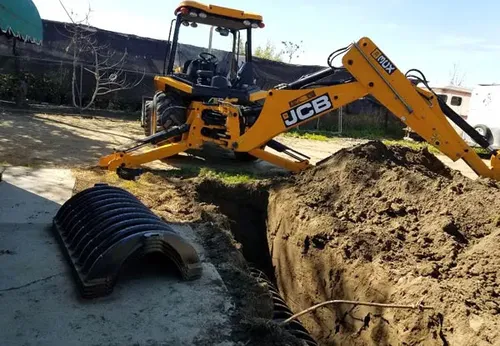
Señor Septic Construction & Pumping
Los Angeles, CA
Señor Septic Construction & Pumping is a family-owned septic system contractor serving Los Angeles, CA, and surrounding areas including San Bernardino and Riverside counties. With over 23 years of experience, they provide septic tank pumping, inspection, repair, installation, and drain field services. The company is licensed and follows local codes, offering services such as septic tank clean-outs using modern equipment, new system installations including tanks and drain fields, and aerobic wastewater treatment system installations. They also handle all necessary permits and health inspections. Señor Septic is available Monday through Friday with Saturday appointments by request.

Gardner Septic Service
12625 Frederick St, Moreno Valley, CA 92553
Gardner Septic Service is a family-owned septic system contractor based in Los Angeles, CA, serving Riverside, Moreno Valley, Woodcrest, Yucaipa, Redlands, and surrounding Inland Empire areas. The company offers a wide range of septic services including tank pumping, repairs, installations, inspections, certifications, and drain field repairs. With over 20 years of experience and licensed as a C-42 sanitation systems contractor, Gardner Septic Service specializes in septic system design and real estate septic certifications. They provide 24/7 emergency septic services to accommodate urgent needs.
AMC Contractors
21657 Temescal Canyon Rd, Corona, CA 92883
AMC Contractors is a family-owned septic system contractor serving Los Angeles, CA, and surrounding areas. With over 30 years of experience since 1981, they provide a full range of septic services including installation, repair of leach lines and seepage pits, septic tank pumping, and inspections for real estate transactions or building permits. AMC Contractors combines extensive industry knowledge with the latest technology to address various septic system needs. Their team is available to assist with questions and provide reliable service.
Understanding Your Drain Field and When It Fails
The drain field is the final stage of your septic system. After solids settle in the tank, liquid effluent flows through a network of perforated pipes buried in trenches filled with gravel. This effluent slowly seeps into the surrounding soil, where natural processes provide final treatment. A system fails when the soil can no longer absorb the water. Common signs include:
- Persistently soggy or spongy ground over the field, often with lush grass growth.
- Sewage odors near the tank or drain field area.
- Slow drains or gurgling plumbing fixtures throughout the house.
- In severe cases, untreated wastewater may surface in your yard or back up into drains.
Failure is often caused by a clogged biomat (a layer that forms naturally but can become too thick), soil compaction from vehicles or construction, root intrusion, or simply old age. In Eastvale, soil composition and local water tables also play a significant role.
Riverside County Regulations: The LAMP Program
All residential septic system work in Eastvale falls under the jurisdiction of the Riverside County Department of Environmental Health (DEH) and its Local Agency Management Program (LAMP). This program sets the rules for any repair or replacement of a leach field. You cannot simply hire a contractor to dig a new field; a formal permit is always required.
The county's primary concern is protecting public health and groundwater. Therefore, regulations mandate that all system components, including the entire drain field, must be located within your property lines. They also must be situated away from areas prone to annual flooding and protected from heavy compaction, such as vehicle traffic areas or future construction sites.
The Critical Role of Soil and Site Evaluation
The success of a new or repaired absorption system hinges entirely on the soil conditions of your property. The repair or replacement process legally begins with a mandatory professional site evaluation 1 2. A qualified professional, such as a licensed engineer or soil evaluator, must conduct this assessment to determine if your land can support a conventional system or if an advanced treatment technology is needed.
The evaluation involves rigorous testing:
- Exploratory Boring: A hole is drilled to a minimum depth of 15 feet below ground surface (or until refusal), extending at least 10 feet below the proposed bottom of any new dispersal trench.
- Soil Analysis: Each distinct soil layer is examined and classified using the Munsell Color Notation system. The evaluator must identify any impermeable layers with a percolation rate slower than 120 minutes per inch.
- Percolation (Perc) Tests: These tests measure how quickly water drains through the soil. For a standard leach field, a minimum of four passing perc tests and one deep boring are typically required. Test holes are 8-12 inches in diameter, dug to the proposed depth of the dispersal system 3 4.
- Monitoring Pipe: After excavation for testing, a 4-inch perforated PVC pipe must be left in the hole, extending at least 6 inches above ground. This allows DEH staff to verify the soil conditions observed by the evaluator 5.
Key Installation and Design Standards
Based on the site evaluation, a system is designed to meet Riverside County's strict standards 6:
- Soil Depth: There must be at least 3 feet of suitable soil beneath the dispersal trenches to absorb effluent.
- Groundwater Separation: A minimum 5-foot vertical separation is required between the bottom of the trench and the seasonal high groundwater table.
- Soil Composition: Systems cannot be installed in areas with soil fill. The native soil must have a percolation rate between 1 and 12 inches per hour.
- Slope Limits: The land slope for installation should not exceed 35%. Any slope over 20% requires a specialized geotechnical report.
- Setbacks: Dispersal systems must have at least 12 inches of soil cover for protection and treatment.
Find the perfect drain field repair companies for your needs
Get personalized recommendations and expert advice
Cost Breakdown for Drain Field Work in California
The cost for leach field work is highly variable, depending on soil conditions, system size, and the extent of the problem. It's one of the most significant investments in home maintenance for septic system owners. The following table provides estimated cost ranges for common services in California 7 8:
| Service Category | Estimated Cost Range (California) |
|---|---|
| Minor Repairs | $300 - $900 |
| General Pipe Repairs | $1,200 - $4,000 |
| Full Drain Field Replacement | $5,000 - $15,000 |
| Combined Tank & Drain Field Replacement | $6,000 - $10,000 (Average) |
| 1,000 Gallon Concrete Tank (Unit only) | $500 - $900 |
It is crucial to budget for additional expenses beyond the core construction work. These almost always include:
- Permit fees from Riverside County DEH.
- Professional site evaluation and design plan fees.
- Landscape restoration after excavation (sod, sprinkler repair, etc.).
Furthermore, during a real estate transaction, costs for locating, accessing, and inspecting the system are typically negotiated between the buyer and seller, as outlined in standard California purchase agreements 9.
The Repair vs. Replacement Decision
Not all drain field problems require a full "replacement." A professional assessment will determine the best course of action.
- Repair: This may be possible for localized issues, such as a crushed pipe from soil compaction, a clog in a specific line, or minor biomat buildup. Techniques like jetting the lines or replacing a section of pipe can sometimes restore function at a lower cost.
- Replacement: A full replacement is necessary when the entire soil absorption area is saturated and failed, the soil is no longer permeable, or the system is too old and undersized for the home. Replacement involves designing and constructing a completely new leach field in a suitable area of your property, which requires the full permitting and testing process described above.
Choosing a Qualified Professional
Given the technical and regulatory complexity, selecting the right contractor is essential. Look for a licensed septic professional with extensive experience in Riverside County and a proven track record of obtaining LAMP permits. They should be willing to walk you through the site evaluation report, explain the design options, and provide a detailed, written estimate that breaks out costs for permits, labor, materials, and restoration. Always verify their license with the California Contractors State License Board.
Long-Term Health of Your New System
Once your new or repaired leach field is installed, proper maintenance is key to ensuring its longevity. This includes regular septic tank pumping (typically every 3-5 years) to prevent solids from overflowing into the new field, conserving water to avoid hydraulic overload, and strictly avoiding parking vehicles or planting trees over the area. Protecting your investment starts with the quality of the installation and continues with responsible homeowner care.
Frequently asked questions
Sources
Footnotes
-
California Septic Tank Requirements | Onsite Wastewater ... - https://www.ntotank.com/blog/california-septic-tank-requirements?srsltid=AfmBOopcQUwj3wRqzNBAf6T-gIT-mJ3J0oYapEmnJhWePwWEnNu4m_3p ↩
-
The SoCal Guide to Septic Tank Installation - https://www.lanikseptic.com/socal-guide-septic-tank-installation/ ↩
-
Riverside County LAMP - https://www.waterboards.ca.gov/coloradoriver/board_decisions/adopted_orders/docs/riverside-lamp-draft-11-16-2022.pdf ↩
-
LOCAL AGENCY MANAGEMENT PROGRAM for ONSITE ... - https://rivcoeh.org/sites/g/files/aldnop361/files/migrated/Portals-0-PDF-Land-Use-LAMP-2022.pdf ↩
-
Riverside County Local Agency Managment Program Draft Revision - https://www.waterboards.ca.gov/rwqcb7/board_decisions/tentative_orders/docs/2024/2024_xxxxlamp_attach_a.pdf ↩
-
The Californian's Guide To Septic Tanks - https://cacciaplumbing.com/blog/california-septic-tank-guide/ ↩
-
Septic Tank Replacement and Drain Field Cost in California - https://www.lanikseptic.com/how-much-does-it-cost-to-replace-a-septic-tank-and-drain-field-in-california/ ↩
-
How Much Does Septic System Repair Really Cost in California - https://www.lanikseptic.com/septic-repair-cost/ ↩
-
draft - California Association of Realtors - https://www.car.org/-/media/CAR/Documents/Transaction-Center/PDF/Standard-Forms/December-2017/SWPI_2017_Draft10.pdf?hash=34C8E3F6652DD6B916008069BCD0129ECCAA48AE&la=en ↩