Find the Best Drain Field Repair Companies for Your Business
No obligation • Fast responses • Nationwide coverage

Why you can trust Septic Spot
Septic Spot is a leading United States resource for understanding and comparing septic services. Our editors review providers using consistent criteria and verify key business details. Listings and scores are independent, and companies cannot pay to influence our content.
Search providers near you
Top Drain Field Repair Companies in Hanford, California Ranked
A properly functioning drain field is the heart of your septic system, safely dispersing treated wastewater into the soil. When this critical component fails, it can lead to soggy yards, foul odors, and serious environmental health concerns. In Hanford, addressing a failing leach field or absorption area requires navigating specific local regulations and choosing the right professional for the job. This guide helps you understand the process, costs, and key considerations for septic drain field repair and replacement in Kings County.
PRS Plumber Tulare
Visalia, CA
PRS Plumber Tulare provides septic tank pumping, inspection, installation, and repair services in Visalia, CA. They serve residential, commercial, and industrial clients throughout the Central Valley. The company offers specialized capabilities such as trenchless sewer line installation and sewer video inspection to efficiently diagnose and repair plumbing and septic issues. With over 40 years of experience, PRS Plumber Tulare is a family-owned business known for its licensed, bonded, and insured crews. They also provide 24/7 emergency plumbing services to address urgent needs at any time.
Pro Rooter & Septic - Visalia Plumbing
12148 Ave 272, Visalia, CA 93277
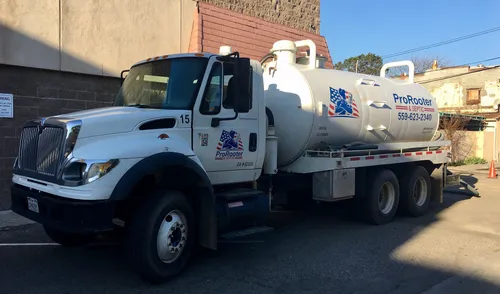
Pro Rooter & Septic - Visalia Plumbing provides septic tank pumping, inspection, repair, and installation services in Visalia, CA. They also handle drain field repair and sewer line services, including trenchless sewer line installation and sewer video inspection. With over 40 years of experience serving the Central Valley, the company is family owned and operated, offering 24/7 availability for plumbing and septic emergencies.
Pro Rooter & Septic
Fresno, CA
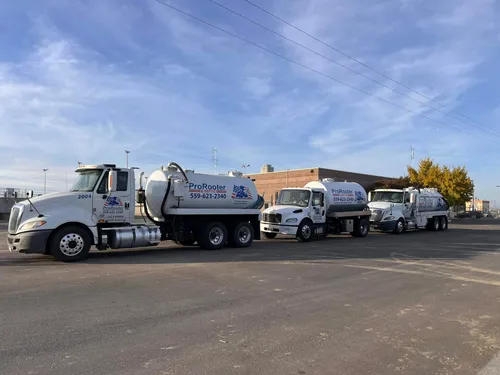
Pro Rooter & Septic is a family-owned plumbing and septic service provider based in Fresno, CA. Serving the Central Valley, they offer septic tank pumping, inspection, installation, and repair services, as well as drain field and sewer line repairs. The company uses modern equipment, including sewer video inspection and trenchless sewer line installation, to address plumbing and septic system needs efficiently. With over 40 years of experience, Pro Rooter & Septic is licensed, bonded, and insured, and provides 24/7 availability for emergencies.
Understanding Your Drain Field and Signs of Failure
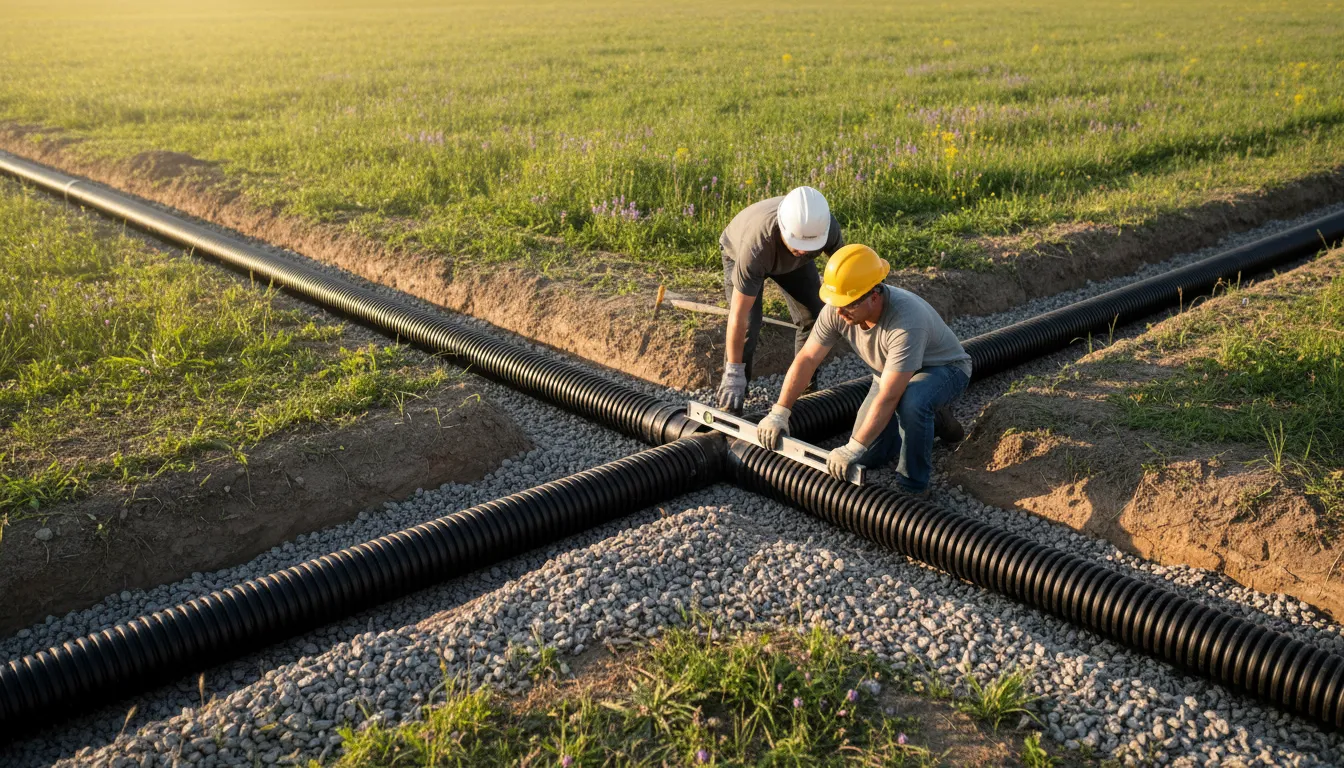
The drain field, also known as a leach field or soil absorption system, is a network of perforated pipes buried in gravel-filled trenches. After solids settle in the septic tank, liquid effluent flows into these pipes and slowly percolates into the surrounding soil, where natural processes provide final treatment. A failure occurs when the soil can no longer absorb the water, causing backups.
Common signs you may need drain field services include:
- Soggy Ground or Standing Water: Persistent wet spots or lush grass over the field area, especially when it hasn't rained.
- Slow Drains and Sewage Backups: Gurgling pipes, slow flushing toilets, or sewage backing up into household drains.
- Foul Odors: Unpleasant smells emanating from the yard near the drain field or septic tank area.
- Contaminated Well Water: If you have a well, a failing system can introduce nitrates and bacteria, making regular testing crucial.
The Hanford and Kings County Regulatory Process
Any significant repair or full replacement of a septic system component in Hanford requires adherence to regulations from the Kings County Environmental Health Services and the California Water Resources Control Board. You cannot simply hire a contractor to dig a new field; the process is designed to protect groundwater and public health.
The standard sequence involves:
- Initial Inspection and Diagnostics: A licensed professional must assess the system to confirm the drain field is the issue and not a blocked pipe or full tank. This often involves a soil evaluation and percolation (perc) test to determine the soil's absorption rate.
- Permit Application and Plan Submission: Your septic professional will prepare a system design plan based on the site evaluation. This plan, which must be created by a qualified engineer or designer, is submitted to the county for review and permit approval 1.
- Installation and Final Inspection: Once permitted, the construction can begin. After installation, a county inspector will visit the site to verify the work complies with the approved plans and state codes before the system is covered 2.
Key Site Requirements for Drain Fields in California
Your property must meet specific conditions for a conventional drain field to be approved. Key California and local standards include 3:
- Soil Depth and Groundwater: There must be a minimum of 3 feet of suitable soil beneath the proposed drain field trenches. Furthermore, there must be at least 5 feet of separation between the bottom of the trenches and the highest seasonal groundwater level.
- Percolation Rate: The soil must allow water to seep down at a rate between 1 and 12 inches per hour. Soil that drains too slowly will flood, while soil that drains too quickly won't provide adequate treatment.
- Setback Distances: The system must be located specific distances from structures and features. Common setbacks require distance from buildings (often 5-10 feet), property lines, water wells (typically 100 feet), and streams or water bodies.
- Slope and Compaction: Drain fields are generally not permitted on steep slopes (often over 35%) or in areas of heavy soil compaction, like former driveways or livestock areas.
If your property does not meet these criteria for a conventional system, you may require an alternative or engineered system, such as a mound system, which can add significantly to the project cost.
Find the perfect drain field repair companies for your needs
Get personalized recommendations and expert advice
Cost Factors for Drain Field Work in Hanford
The cost for drain field repair or replacement is highly variable, depending on your specific site conditions and the extent of the problem. Based on regional data, homeowners can expect the following ranges 4 5:
- Drain Field Replacement: $5,000 to $20,000+. This is the most common range for a full replacement of a conventional leach field. The high end reflects complex sites, larger homes, or the need for engineered systems.
- Drain Field Repair (Partial): $1,000 to $5,000. This may involve replacing a clogged section of pipe, rehabilitating a field with techniques like jetting, or addressing a specific issue without a full rebuild.
- Initial Diagnostics and Testing: $275 to $1,800. This covers the professional assessment, soil testing, and site evaluation needed for the permit application.
- Septic Tank Replacement (if needed): $3,000 to $10,000. If the tank is also damaged or outdated, it may need to be replaced concurrently.
Major factors influencing cost include:
- System Size and Type: A larger home requires a larger field. Engineered systems (mounds, aerobic treatment units) cost more than conventional ones.
- Soil Conditions and Access: Poor percolation, high groundwater, or rocky soil require more complex solutions. Tight access for heavy equipment can increase labor time.
- Permit and Design Fees: These are separate from construction costs and paid to the county and the system designer.
- Extent of Restoration: The cost to regrade, re-sod, or replant the area after excavation can add to the total.
Choosing a Service Provider in Hanford
Selecting the right contractor is critical for a compliant and long-lasting installation. Look for a licensed, insured professional with extensive experience in Kings County. They should be familiar with the local permit process and inspectors. Always ask for references from recent jobs and verify they will handle the entire process-from diagnosis and design submission to construction and final inspection coordination. Be wary of quotes that seem unusually low, as they may not include necessary permits, design work, or final site restoration.
Maintaining Your New or Repaired Drain Field
Protect your investment with proper care. Practice water conservation to avoid overloading the system, redirect roof drains and surface water away from the field, and never drive or park heavy vehicles over it. Avoid planting trees or deep-rooted shrubs near the absorption area. Most importantly, adhere to a regular schedule for septic tank pumping (typically every 3-5 years, at a cost of $350 to $1,0006 7). A well-maintained tank prevents solids from escaping and clogging the brand-new drain field you've just invested in.
Frequently asked questions
Sources
Footnotes
-
Septic Tank Replacement and Drain Field Cost in California - https://www.lanikseptic.com/how-much-does-it-cost-to-replace-a-septic-tank-and-drain-field-in-california/ ↩
-
California Septic Tank Requirements | Onsite Wastewater ... - https://www.ntotank.com/blog/california-septic-tank-requirements ↩
-
The Californian's Guide To Septic Tanks - https://cacciaplumbing.com/blog/california-septic-tank-guide/ ↩
-
Septic Drain Field Replacement Cost - https://dillonseptic.com/septic-drain-field-replacement-cost/ ↩
-
How Much Does Septic System Repair Really Cost in California - https://www.lanikseptic.com/septic-repair-cost/ ↩
-
Maintaining your Septic System A Guide for Homeowners - https://www.ihs.gov/california/tasks/sites/default/assets/File/SFC-MaintainingYourSepticSystemGuide.pdf ↩
-
Common Septic Tank Repairs In California (& What They Cost) - https://cacciaplumbing.com/blog/common-septic-tank-repairs-in-california/ ↩