Find the Best Drain Field Repair Companies for Your Business
No obligation • Fast responses • Nationwide coverage

Why you can trust Septic Spot
Septic Spot is a leading United States resource for understanding and comparing septic services. Our editors review providers using consistent criteria and verify key business details. Listings and scores are independent, and companies cannot pay to influence our content.
Search providers near you
Top Drain Field Repair Companies in Hemet, California Ranked
A failing drain field, also known as a leach field or absorption field, is a serious issue for any property with a septic system. It's the final, critical stage where treated wastewater is safely returned to the soil. When this component fails, it can lead to sewage backups, soggy yards, and environmental contamination. This guide explains the essentials of drain field repair and replacement in Hemet, helping you understand the process, local requirements, and how to connect with qualified professionals for your property's needs.
Gardner Septic Services
Los Angeles, CA
Gardner Septic Services is a family-owned company based in Los Angeles, CA, specializing in septic system design, installation, pumping, repairs, inspections, and certifications. Serving the Inland Empire area including Riverside, Moreno Valley, Woodcrest, Yucaipa, Redlands, and nearby communities, they handle projects ranging from small repairs to complete septic system installations. With over 20 years of experience and licensed as a C-42 sanitation systems contractor, Gardner Septic Services offers comprehensive septic solutions including septic tank locating, riser and lid installations, and drain field repairs. They provide 24/7 emergency septic services to address urgent needs at any time.
Wright Septic Tank Services
511 N Dillon Ave, San Jacinto, CA 92582
Wright Septic Tank Services is a licensed C42 and C36 contractor based in Los Angeles, CA, offering residential and commercial septic system solutions. Their services include septic tank pumping, repairs, maintenance, installation of new septic systems and leach lines, camera inspections, and electronic tank locating. With over 55 years of experience, Wright Septic uses advanced technology such as waterproof cameras and electronic locating devices to diagnose and address septic system issues effectively.
Aztec Excavation Inc. & Septic
37801 Oxford Dr, Murrieta, CA 92562
Aztec Excavation Inc. & Septic is a licensed sanitation system contractor based near Los Angeles, CA, specializing in septic system installation, repair, and excavation services. Serving Riverside and San Diego counties, the company handles septic tank installation, drain field repair, trench building, lot preparation, and utility line installation. With over a decade of experience, Aztec Excavation offers capabilities such as advanced treatment unit installation and septic system component repairs. The business operates 24/7 to support residential septic and excavation needs in areas including Murrieta, Temecula, and Wildomar.

Gardner Septic Service
12625 Frederick St, Moreno Valley, CA 92553
Gardner Septic Service is a family-owned septic system contractor based in Los Angeles, CA, serving Riverside, Moreno Valley, Woodcrest, Yucaipa, Redlands, and surrounding Inland Empire areas. The company offers a wide range of septic services including tank pumping, repairs, installations, inspections, certifications, and drain field repairs. With over 20 years of experience and licensed as a C-42 sanitation systems contractor, Gardner Septic Service specializes in septic system design and real estate septic certifications. They provide 24/7 emergency septic services to accommodate urgent needs.
Understanding Your Septic Drain Field
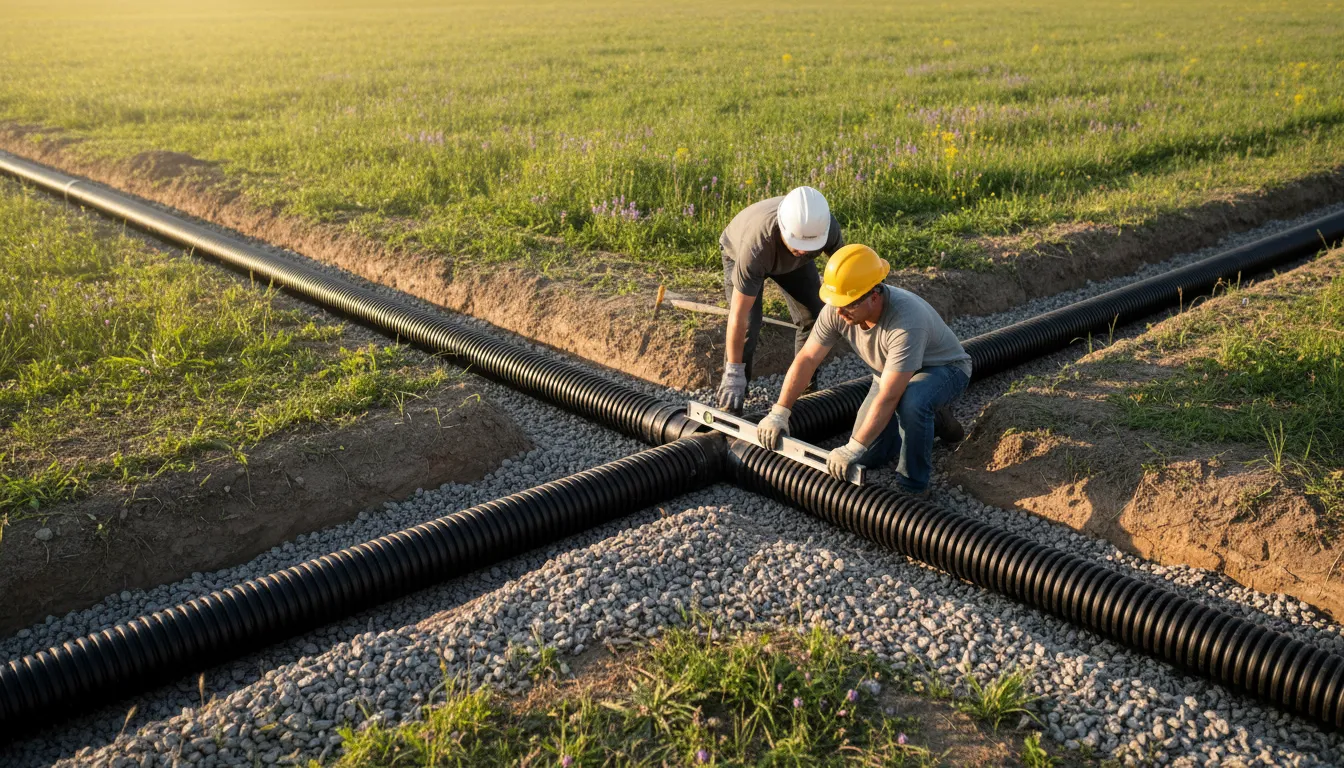
The drain field is the unseen workhorse of your onsite wastewater system. After solids settle in the septic tank, the liquid effluent flows into a network of perforated pipes buried in gravel-filled trenches. This area allows the effluent to slowly percolate into the soil, where natural processes provide final treatment. A properly functioning leach field is essential for protecting groundwater and public health. In Hemet's climate and soil conditions, maintaining this component is especially important.
Common signs your absorption field may be failing include:
- Sewage odors or soggy, spongy ground over the field area.
- Slow-draining sinks, toilets, and showers, especially after rainfall.
- Unusually green, lush grass specifically over the drain field lines.
- Standing water or sewage backing up into the home.
If you notice these symptoms, it's time for a professional assessment. Ignoring them can lead to more extensive environmental damage and significantly higher repair costs 1.
Hemet and Riverside County Regulations
Any significant work on a septic system in Hemet is governed by Riverside County Environmental Health regulations. Understanding these rules is the first step in any repair or replacement project.
Permits are Required: For any work beyond minor pipe repairs, you will need a permit from the county. This includes most drain field repairs and any full replacement. The permit process ensures the new system is designed and installed to current standards, protecting your property and the community.
The Critical Percolation Test: For a new or replacement leach field, a soil percolation (perc) test is almost always mandatory. This test, conducted by a qualified engineer or soil evaluator, measures how quickly water drains through your soil. The results determine the size and design of your drain field. California regulations typically require at least 3 feet of suitable soil for proper treatment.
System Location and Setbacks: Your drain field must be located entirely on your property, with mandatory distances (setbacks) from wells, property lines, buildings, and waterways. Furthermore, the county requires a designated 100% replacement area-a space on your lot reserved for a future, identical drain field should the first one fail 2 3. This is a crucial planning consideration.
Key Factors Influencing Drain Field Work in Hemet
Several site-specific factors will dictate the scope, design, and cost of your project.
- Soil Type: Hemet's soil composition varies. Slow-draining clay soils may require a much larger leach field area, while fast-draining sandy soils might need a specialized design to ensure adequate treatment.
- High Water Table: The bottom of your drain field trenches must maintain a minimum vertical separation (often 3 feet or more) from the highest seasonal groundwater level 4 5. A high water table can limit where you can place a field or necessitate an elevated (mound) system.
- Lot Slope: Properties with significant slope require engineered designs to prevent wastewater from surfacing downhill. This may involve using a pressure distribution system instead of a gravity-fed one 6.
- Site Access: The need for heavy equipment like excavators and dump trucks means tight spaces, fences, or landscaping can complicate the project and increase labor time.
The Process: From Failure to a New Leach Field
A full drain field replacement is a multi-step process that involves professionals from several fields.
- Professional Inspection & Diagnosis: A licensed septic contractor will inspect the system to confirm the drain field is the source of the problem, ruling out tank or plumbing issues.
- Soil Evaluation & System Design: A registered environmental health specialist or engineer performs the perc test and deep soil observations. They then create engineered plans for a new system that meets county code for your specific property 7.
- Permitting: Your contractor or engineer submits the design plans, application, and fees to Riverside County Environmental Health for review and permit issuance 8.
- Excavation & Installation: The old drain field is either removed or properly abandoned in place. New trenches are dug, filled with gravel, and fitted with perforated pipes and a distribution box to ensure even wastewater flow 9.
- Final Inspection & Restoration: The county inspector visits the site to approve the installation before the trenches are backfilled. Once approved, the area is covered with soil and restored with sod or seed.
Find the perfect drain field repair companies for your needs
Get personalized recommendations and expert advice
Understanding the Costs of Repair and Replacement
Costs for leach field work in Hemet vary widely based on the factors discussed above. Here is a general breakdown of what to expect 10 11 12.
- Permit Fees: Typically range from $200 to $800, depending on the project's complexity.
- Soil Testing & Engineering Design: This crucial step can cost between $300 and $1,500.
- Minor Repairs: Addressing a single clogged line or a small section might cost between $1,000 and $5,000.
- Complete Drain Field Replacement: This is a major project. For a standard gravity-fed system in Hemet, total costs often fall in the range of $5,000 to $20,000 or more 13. Some local data suggests common installations may average between $4,789 and $6,841, but this can rise quickly with difficult soil, limited space, or the need for advanced system types like mounds or pressure distribution 14.
The total project cost encompasses excavation, materials (gravel, pipe, distribution boxes), labor, permitting, engineering, and final landscaping. It's essential to get detailed, written estimates that break down all these components.
Maintaining Your New Drain Field
Protecting your investment in a new absorption field is key. Proper maintenance can extend its lifespan for decades.
- Practice Water Conservation: Spread out laundry loads, fix leaks, and install water-efficient fixtures to avoid flooding the field.
- Divert Water: Ensure roof gutters, yard drainage, and sump pumps do not discharge over the drain field area.
- Mind What You Flush: Only human waste and toilet paper should go down the drain. Avoid chemicals, grease, and non-biodegradable items.
- Keep It Clear: Never drive or park vehicles on the field, and avoid planting trees or deep-rooted shrubs nearby.
- Pump the Tank Regularly: Having your septic tank pumped every 3-5 years prevents solids from washing out and clogging the new drain field pipes.
Frequently asked questions
Sources
Footnotes
-
What To Do If Your Septic Drain Field Needs to Be Replaced - https://www.anzaldoseptic.com/what-to-do-if-your-septic-drain-field-needs-to-be-replaced/ ↩
-
The Californian's Guide To Septic Tanks - https://cacciaplumbing.com/blog/california-septic-tank-guide/ ↩
-
Chapter 6.4 SEWAGE STANDARDS - https://www.codepublishing.com/CA/SolanoCounty/html/SolanoCounty0604.html ↩
-
Septic Tank Replacement and Drain Field Cost in California - https://www.lanikseptic.com/how-much-does-it-cost-to-replace-a-septic-tank-and-drain-field-in-california/ ↩
-
The Complete Guide to Soil Testing for Septic System Design: Ensuring Regulatory Compliance and System Longevity - https://www.mapengineering.net/the-complete-guide-to-soil-testing-for-septic-system-design/ ↩
-
Septic Tank Plans: A Complete Homeowner's Guide - https://landperc.com/septic-tank-plans-guide/ ↩
-
The Ultimate Guide to Replacing a Septic Drain Field - https://www.rciseptic.com/the-ultimate-guide-to-replacing-a-septic-drain-field ↩
-
Southern California Septic System Regulations: What You Need to ... - https://www.lanikseptic.com/socal-septic-regulations/ ↩
-
How To Install A Septic System Correctly - https://smartsepticpros.com/blog/how-to-install-a-septic-system/ ↩
-
Septic Repair Cost in California: Complete Breakdown of Pricing ... - https://www.lanikseptic.com/septic-repair-cost/ ↩
-
Cost to Replace Septic Tank and Drain Field [2026 Data] | Angi - https://www.angi.com/articles/how-much-new-drain-fields-foot.htm ↩
-
Common Septic Tank Repairs In California (& What They Cost) - https://cacciaplumbing.com/blog/common-septic-tank-repairs-in-california/ ↩
-
Septic Drain Field Replacement Cost - https://dillonseptic.com/septic-drain-field-replacement-cost/ ↩
-
Septic Tank Installation in Hemet, CA - Costs 02 / 2026 - Homeyou - https://www.homeyou.com/ca/septic-tank-installation-hemet-costs ↩