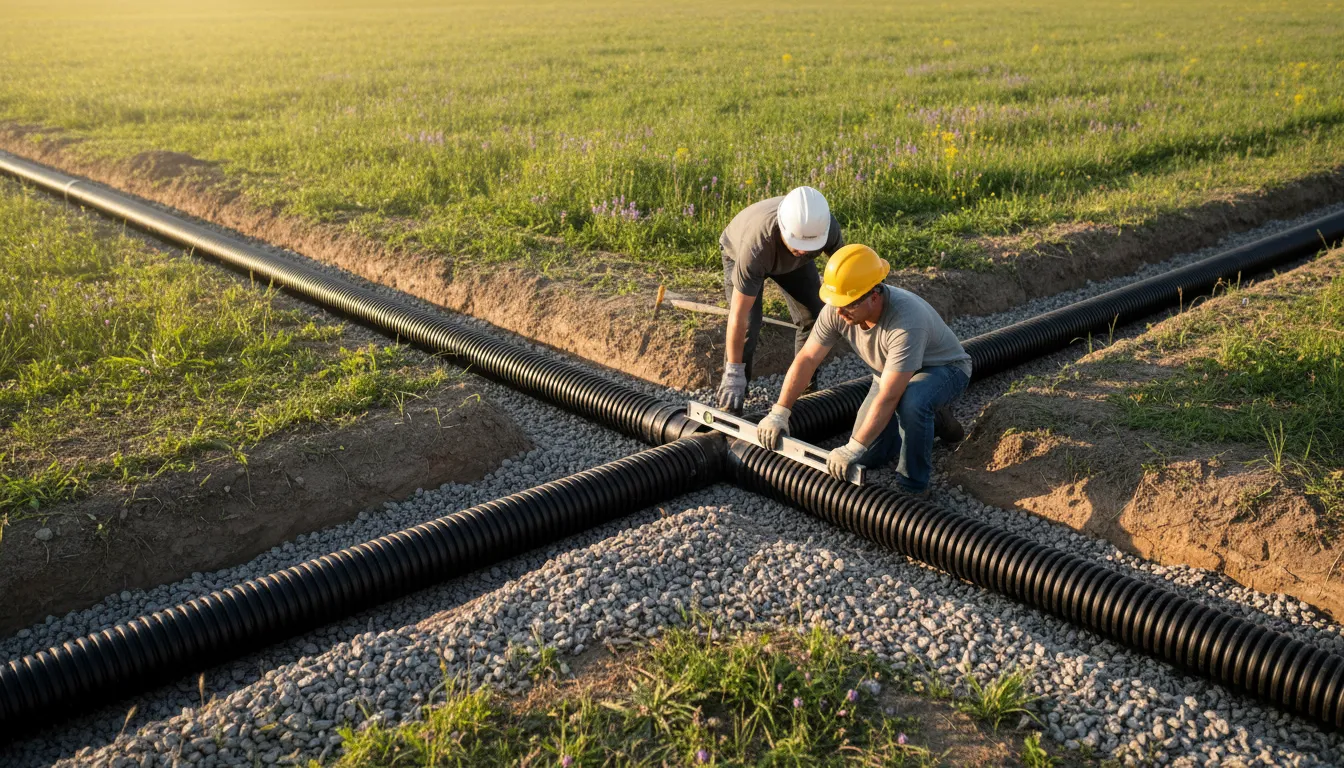
Find the Best Drain Field Repair Companies for Your Business
No obligation • Fast responses • Nationwide coverage

Why you can trust Septic Spot
Septic Spot is a leading United States resource for understanding and comparing septic services. Our editors review providers using consistent criteria and verify key business details. Listings and scores are independent, and companies cannot pay to influence our content.
Search providers near you
Top Drain Field Repair Companies in Huntington Park, California Ranked
A failing drain field, also known as a leach field or absorption field, is a serious issue for any home with a septic system. It's the final and most critical stage where treated wastewater is dispersed into the soil. When it malfunctions, it can lead to sewage backups, soggy yards, and environmental contamination. For Huntington Park residents, navigating drain field issues requires understanding strict local and state regulations. This guide explains the process, costs, and key considerations for leach field repair and replacement, helping you connect with qualified local professionals who can assess your system and ensure compliance with all health codes.
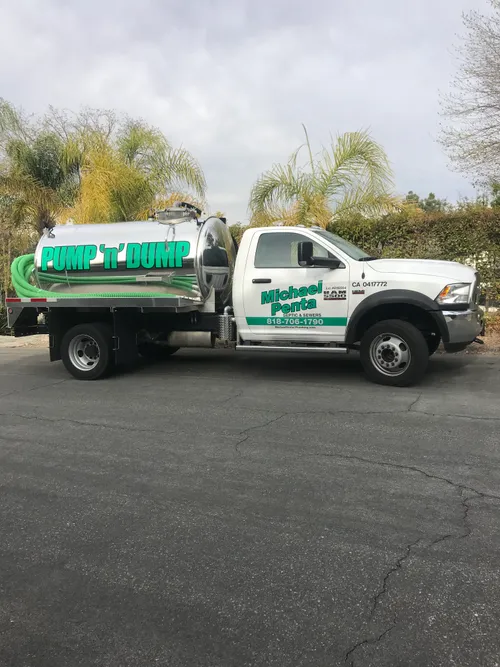
Michael Penta Septic Tank Pumping
Los Angeles, CA
Michael Penta Septic Tank Pumping provides a range of septic services in Los Angeles, CA, including septic tank pumping, installation, inspection, and repair. The company also handles drain field repairs, sewage ejection pump services, and sewer line replacements. Their expertise includes advanced capabilities such as camera inspections for leaks and cracks, soil analysis for leach line repair, and installation of micro septic systems that treat wastewater to a higher quality. They ensure compliance with local regulations and offer comprehensive maintenance to extend the life of septic systems.
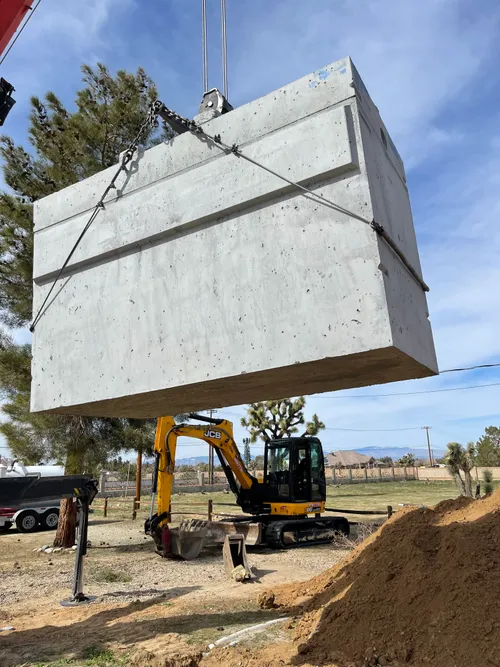
The Drain Dude
13113 San Fernando Rd, Sylmar, CA 91342
The Drain Dude is a full-service plumbing company based in Los Angeles, CA, offering a wide range of plumbing solutions including septic tank inspection, septic system repair, and drain field repair or replacement. They provide 24/7 emergency plumbing services and use advanced technology such as video inspection and electronic leak detection to accurately diagnose issues. Their trenchless sewer and underground pipe installation services minimize disruption with low-dig or no-dig methods. The Drain Dude serves all of Southern California, combining family-owned values with professional expertise.
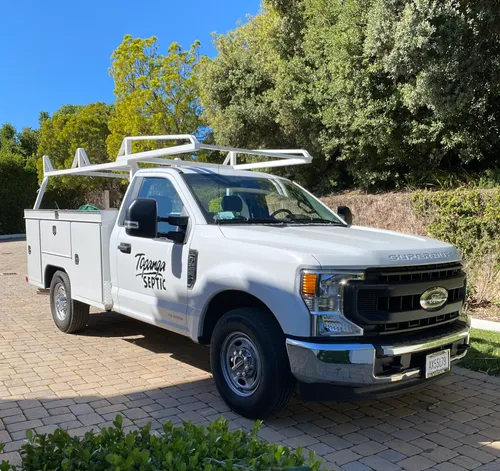
Topanga Septic
22028 Ventura Blvd Ste. 101, Woodland Hills, CA 91364
Topanga Septic is a septic tank service provider located in Los Angeles, CA. They offer a range of services including septic tank pumping, inspections, repairs, installations, and drain field repair or replacement. Their capabilities include excavation, grading, and advanced system monitoring to support system upgrades and maintenance in compliance with new regulations. The company is licensed, bonded, and insured, with certifications from COWA and NAWT. They serve Topanga Canyon, Malibu, and the Greater Los Angeles Area, focusing on preserving natural surroundings during their work.
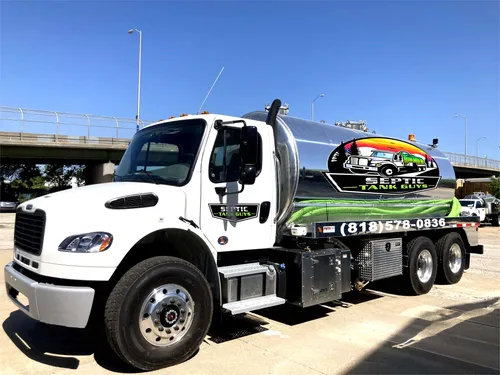
Septic Tank Pumping Guys
6360 Van Nuys Blvd ste 113, Van Nuys, CA 91401
Septic Tank Pumping Guys provides a full range of septic services in Los Angeles, CA, including pumping, inspections, repairs, and installations for residential and commercial properties. They offer 24/7 emergency septic services and specialize in maintaining system health through regular pump-outs, cleaning, and drain field repairs. Their capabilities include septic tank installation, effluent filter replacement, and grease trap pumping. The company is family owned and operated, serving multiple communities within Los Angeles County.
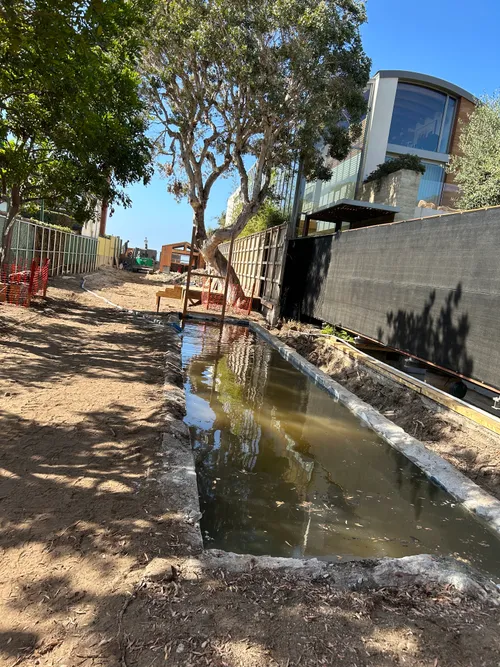
Septic Tank Pumping USA
1367 Foothill Blvd, La Cañada Flintridge, CA 91011
Septic Tank Pumping USA provides septic tank pumping, inspection, and repair services in Los Angeles, CA. They handle routine maintenance and emergency repairs, including drain field repair or replacement. The company emphasizes regular pumping every 3-5 years to prevent system failures and environmental risks. They also offer thorough inspections to assess tank and drain field conditions. Septic Tank Pumping USA serves the local area with expertise in managing septic system health and compliance with local regulations.
Understanding Your Septic Drain Field
The drain field is a network of perforated pipes buried in trenches filled with gravel. After solids settle in the septic tank, the liquid effluent flows into this field, where it slowly percolates through the soil. The soil acts as a final filter, removing harmful bacteria, viruses, and nutrients before the water rejoins the groundwater. A properly functioning leach field is essential for protecting public health and local water quality. In dense urban areas like Huntington Park, a failed system poses a direct risk to neighbors and the community.
Signs You Need Drain Field Service
Recognizing early warning signs can prevent a complete system failure and more expensive repairs. Look for these common indicators:
- Soggy Ground or Standing Water: Puddles or consistently mushy soil over the drain field area, especially when it hasn't rained.
- Sewage Odors: Unpleasant smells emanating from your yard, particularly near the septic tank or leach field.
- Slow Drains and Backups: Gurgling pipes, slow-draining sinks and toilets, or sewage backups in the home.
- Unusually Green Grass: Patches of grass over the drain field that are much lusher and grow faster than the rest of the lawn.
- Failed System Inspection: A routine inspection or one required for a property sale identifies high sludge levels or hydraulic failure in the absorption area.
If you notice any of these signs, it's crucial to contact a licensed professional immediately for a diagnostic inspection.
The Regulatory Landscape in Huntington Park & Los Angeles County
Septic system work in Huntington Park is heavily regulated. As a city within Los Angeles County, all repairs, alterations, or replacements require permits and must comply with multiple layers of policy.
- Local Permits: You must obtain plumbing permits from local building officials before any work begins 1.
- County Oversight: The Los Angeles County Department of Public Health is the primary regulator for onsite wastewater systems. They handle site evaluations, permit approvals, and final inspections to ensure environmental health standards are met.
- State Policy: All systems must comply with the California Regional Water Quality Control Board's Onsite Wastewater Treatment System (OWTS) Policy. This policy sets the baseline for protecting water quality throughout the state 2.
Only licensed septic contractors should handle drain field work. They understand the permit process and can design a system that meets the specific requirements for soil, slope, and groundwater separation in our area 3.
Key Site and Soil Factors for Replacement
Replacing a leach field isn't a simple swap. The new system's design depends entirely on a detailed site evaluation. Key factors regulated by the OWTS Policy include:
- Soil Percolation Rate: The soil must allow water to absorb at a rate between 1 and 12 inches per hour. A percolation (or "perc") test is typically required for a replacement permit to determine this rate.
- Soil Type: Huntington Park's clay-heavy soils can present challenges, often requiring advanced engineered solutions. Sandy soils generally have better absorption capabilities.
- Groundwater Separation: There must be at least 5 feet of suitable soil between the bottom of the drain field trenches and the seasonal high groundwater table.
- Setbacks: Systems must be a specific distance from buildings, property lines, wells, and waterways.
- Land Slope: The slope of the proposed leach field area cannot exceed 35%. Slopes over 20% typically require a special geotechnical report.
A professional contractor will evaluate all these elements to design a compliant and functional replacement system.
The Professional Assessment Process
Before any repair or replacement plan is made, a thorough assessment is necessary. Here's what a professional evaluation typically involves:
- Initial Site Inspection: A technician will walk your property, looking for visual signs of failure like those mentioned above.
- Tank Pumping & Inspection: The septic tank is pumped out, and the interior is inspected for baffle condition, sludge, and scum levels. This rules out tank issues that can mimic drain field problems 4.
- Soil and Site Evaluation: For a suspected full replacement, the contractor will assess soil conditions, likely perform a percolation test, and evaluate topography and setbacks 5.
- Inspection Report: A formal report detailing the findings, often required by the health department for a repair or replacement permit, is provided to the homeowner 6.
Find the perfect drain field repair companies for your needs
Get personalized recommendations and expert advice
Repair vs. Full Replacement: Options and Costs
The course of action depends on the extent of the failure.
- Drain Field Repair: Possible for localized issues, such as a single clogged line. Techniques may include jetting to clear blockages or replacing a small section of pipe. Costs typically range from $5,000 to $15,000.
- Full Drain Field Replacement: Required when the entire soil absorption area has failed. This involves designing and installing a completely new leach field in a suitable area of your property. This is a major excavation and construction project. Costs often range from $8,000 to $22,000 or more, depending on system size, soil conditions, and engineering requirements.
Additional Cost Factors:
- Permit & Engineering Fees: $500 to $3,000 for county permits, site plans, and any required engineering reports 7.
- Inspection and Pumping: A standard tank pumping and inspection costs $200 to $4008.
- Alternative Systems: If soil conditions are poor, an advanced treatment system (like an aerobic treatment unit) may be needed, significantly increasing costs.
What Causes Drain Field Failure?
Understanding what damages a leach field can help you protect a new or repaired system. Common causes include:
- Overloading with Water: Excessive water use from long showers, frequent laundry loads, or leaks overwhelms the soil's ability to absorb effluent.
- Lack of Maintenance: Not pumping the septic tank every 3-5 years allows solids to wash out into the drain field, clogging the pipes and soil.
- Improper Disposal: Flushing non-biodegradable items (wipes, feminine products) or pouring fats, oils, grease, and harsh chemicals down drains can poison the septic tank bacteria and clog the leach field 9 10.
- Physical Damage: Driving or parking heavy vehicles over the drain field compacts the soil and can crush the pipes.
- Natural Aging: Even well-maintained systems have a lifespan, typically 20 to 30 years for the drain field.
Frequently asked questions
Sources
Footnotes
-
City of Huntington Park, CA PLUMBING CODE - eCode360 - https://ecode360.com/45818587 ↩
-
OWTS Policy - California Water Boards - https://www.waterboards.ca.gov/water_issues/programs/owts/docs/owts_policy.pdf ↩
-
California Septic Tank Requirements | Onsite Wastewater ... - https://www.ntotank.com/blog/california-septic-tank-requirements ↩
-
Septic System Installation Cost [2025 Data] - HomeAdvisor - https://www.homeadvisor.com/cost/plumbing/install-a-septic-tank/ ↩
-
Southern California Septic System Regulations: What You Need to ... - https://www.lanikseptic.com/socal-septic-regulations/ ↩
-
Why Home Buyers Should Request a Septic Inspection - https://fletchersplumbing.net/blog/2025/01/why-home-buyers-should-request-a-septic-inspection/ ↩
-
Septic Drain Field Replacement Cost - https://dillonseptic.com/septic-drain-field-replacement-cost/ ↩
-
Maintaining your Septic System A Guide for Homeowners - https://www.ihs.gov/california/tasks/sites/default/assets/File/SFC-MaintainingYourSepticSystemGuide.pdf ↩
-
The Californian's Guide To Septic Tanks - https://cacciaplumbing.com/blog/california-septic-tank-guide/ ↩
-
7 Things That Will Damage Your Septic System - Russo Bros. & Co. - https://russobrosplumbing.com/blog/3-worst-put-septic-system/ ↩