Find the Best Drain Field Repair Companies for Your Business
No obligation • Fast responses • Nationwide coverage

Why you can trust Septic Spot
Septic Spot is a leading United States resource for understanding and comparing septic services. Our editors review providers using consistent criteria and verify key business details. Listings and scores are independent, and companies cannot pay to influence our content.
Search providers near you
Top Drain Field Repair Companies in Lake Elsinore, California Ranked
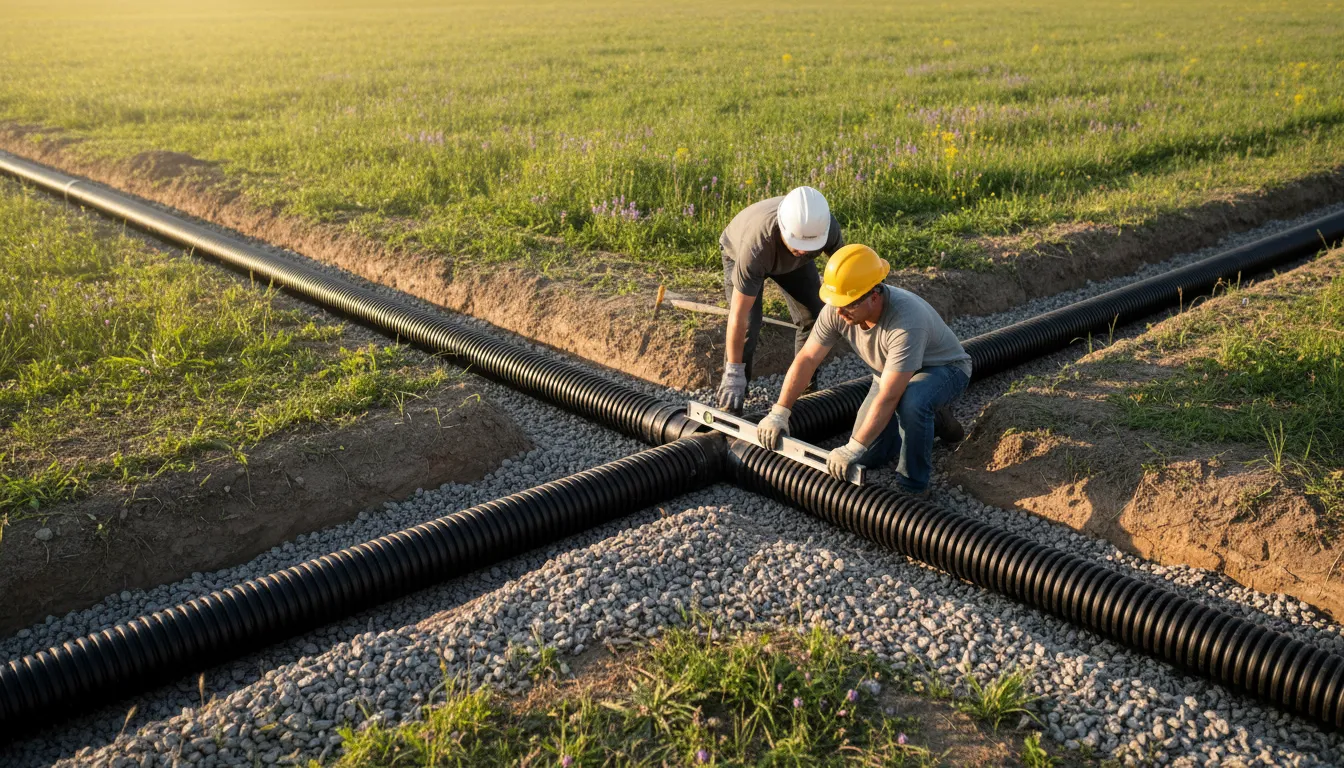
A failing drain field, also known as a leach field or absorption field, is a serious issue for any home with a septic system. It's the final and most critical stage where treated wastewater is safely returned to the soil. When this component fails, it can lead to soggy yards, foul odors, and even environmental contamination. This guide explains the process, regulations, and costs specific to Lake Elsinore, helping you understand what's involved in restoring your onsite wastewater treatment system to proper function.
Gardner Septic Services
Los Angeles, CA
Gardner Septic Services is a family-owned company based in Los Angeles, CA, specializing in septic system design, installation, pumping, repairs, inspections, and certifications. Serving the Inland Empire area including Riverside, Moreno Valley, Woodcrest, Yucaipa, Redlands, and nearby communities, they handle projects ranging from small repairs to complete septic system installations. With over 20 years of experience and licensed as a C-42 sanitation systems contractor, Gardner Septic Services offers comprehensive septic solutions including septic tank locating, riser and lid installations, and drain field repairs. They provide 24/7 emergency septic services to address urgent needs at any time.
Wright Septic Tank Services
511 N Dillon Ave, San Jacinto, CA 92582
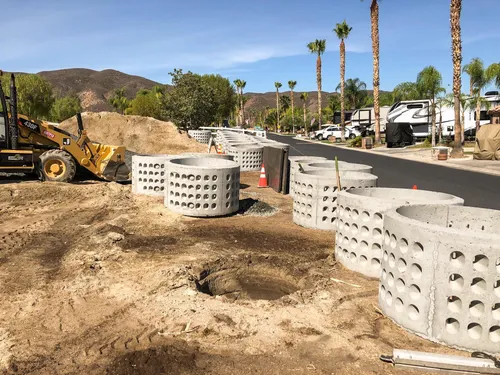
Wright Septic Tank Services is a licensed C42 and C36 contractor based in Los Angeles, CA, offering residential and commercial septic system solutions. Their services include septic tank pumping, repairs, maintenance, installation of new septic systems and leach lines, camera inspections, and electronic tank locating. With over 55 years of experience, Wright Septic uses advanced technology such as waterproof cameras and electronic locating devices to diagnose and address septic system issues effectively.
Señor Septic Construction & Pumping
Los Angeles, CA
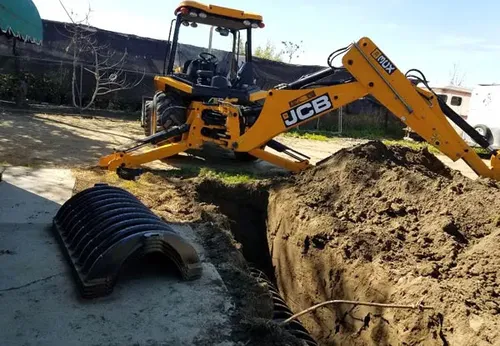
Señor Septic Construction & Pumping is a family-owned septic system contractor serving Los Angeles, CA, and surrounding areas including San Bernardino and Riverside counties. With over 23 years of experience, they provide septic tank pumping, inspection, repair, installation, and drain field services. The company is licensed and follows local codes, offering services such as septic tank clean-outs using modern equipment, new system installations including tanks and drain fields, and aerobic wastewater treatment system installations. They also handle all necessary permits and health inspections. Señor Septic is available Monday through Friday with Saturday appointments by request.
Aztec Excavation Inc. & Septic
37801 Oxford Dr, Murrieta, CA 92562
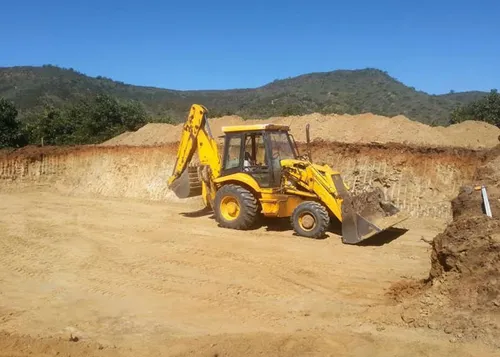
Aztec Excavation Inc. & Septic is a licensed sanitation system contractor based near Los Angeles, CA, specializing in septic system installation, repair, and excavation services. Serving Riverside and San Diego counties, the company handles septic tank installation, drain field repair, trench building, lot preparation, and utility line installation. With over a decade of experience, Aztec Excavation offers capabilities such as advanced treatment unit installation and septic system component repairs. The business operates 24/7 to support residential septic and excavation needs in areas including Murrieta, Temecula, and Wildomar.

Gardner Septic Service
12625 Frederick St, Moreno Valley, CA 92553
Gardner Septic Service is a family-owned septic system contractor based in Los Angeles, CA, serving Riverside, Moreno Valley, Woodcrest, Yucaipa, Redlands, and surrounding Inland Empire areas. The company offers a wide range of septic services including tank pumping, repairs, installations, inspections, certifications, and drain field repairs. With over 20 years of experience and licensed as a C-42 sanitation systems contractor, Gardner Septic Service specializes in septic system design and real estate septic certifications. They provide 24/7 emergency septic services to accommodate urgent needs.
Understanding Drain Field Failure in Lake Elsinore
The drain field is the unsung hero of your septic system. After solids settle in the tank, liquid effluent flows into a network of perforated pipes buried in trenches filled with gravel. This effluent slowly percolates into the surrounding soil, where natural processes provide final treatment. In Lake Elsinore, several factors can lead to leach field failure. Over time, a biomat-a layer of organic material-can form around the trenches, eventually slowing drainage to a halt. More immediate causes include soil compaction from driving or building over the field, damage from tree roots, hydraulic overloading from excessive water use, and system age. Recognizing early signs like slow drains, sewage odors in the yard, or unusually lush, wet patches of grass over the field area is key to addressing problems before they become an environmental or health hazard.
Riverside County Regulations and Permits
Any work on a septic system in Lake Elsinore is strictly regulated by the Riverside County Department of Environmental Health (RCEH) under its Local Agency Management Program (LAMP). This program is designed to protect groundwater quality, particularly within the sensitive Santa Ana River watershed. A fundamental rule is that any repair, replacement, or modification of a septic system requires a permit from RCEH 1. You cannot simply hire a contractor to dig up and replace a leach line without county approval.
The permit process ensures the work meets state and local standards. You or your contractor will typically need to submit a detailed repair design plan, a site plan showing the property and proposed work, and the results of a professional site evaluation. The county's priority is to ensure that septic effluent is dispersed into natural, undisturbed soil, not into artificial soil fill2 3. Understanding and navigating these regulations is the first critical step in any drain field project.
Critical Site and Soil Requirements
The success of a new or repaired absorption field hinges entirely on local soil conditions. Riverside County enforces specific standards that must be verified before any work is approved.
- Soil Percolation Rate: The soil must have a percolation rate, or "perc rate," between 1 and 12 inches per hour. A rate slower than 1 inch/hour means the soil cannot absorb effluent adequately, leading to premature failure. A rate faster than 12 inches/hour may not provide sufficient treatment before the effluent reaches groundwater.
- Groundwater Separation: There must be a minimum of 5 feet of vertical separation between the bottom of the drain field trench and the highest seasonal groundwater level. This buffer is crucial for preventing contamination.
- Slope: The ideal area for a leach field is relatively flat. Slopes exceeding 20% may require a geotechnical report, and slopes over 35% are generally not suitable for conventional systems4.
- Setbacks: The system must be located specific distances from wells, streams, property lines, and structures. Your site plan must demonstrate compliance with these setbacks.
If your soil fails a standard perc test due to high clay content or a high water table, you are not out of options. Alternative systems, such as aerobic treatment units (ATUs) or drip irrigation systems, may be approved. These systems often require additional components and maintenance but are designed to function in challenging soils5.
The Step-by-Step Repair and Replacement Process
Tackling a leach field issue is a multi-stage process that involves professionals from start to finish.
- Professional Site Evaluation: The process begins with a site evaluation by a qualified engineer, soil scientist, or licensed contractor. This involves digging deep test pits to examine soil layers, depth to bedrock, and seasonal groundwater levels. A percolation test may also be performed.
- Design and Plan Submittal: Based on the evaluation, a repair or replacement design is created. This plan details the size, layout, and materials for the new leach field. This design package is then submitted to RCEH for review and approval6 7.
- Permitting: Once the design is approved, the official permit is issued. Never begin excavation or construction without this permit in hand.
- Excavation and Installation: A licensed septic contractor (typically holding a Class A, C-42, or C-36 license) performs the physical work. For a replacement, the old drain field is abandoned (often by removing the distribution box and filling trenches with gravel). The new field is constructed in a previously unused area of the property, following the approved design with precise trench dimensions, specific gravel, and perforated pipe8.
- Final Inspection: This is a critical milestone. Before the new trenches are covered with topsoil, a county inspector from RCEH must visit the site to verify the installation matches the approved plans and meets all code requirements. Only after passing this inspection can the system be buried and put into use 9.
Find the perfect drain field repair companies for your needs
Get personalized recommendations and expert advice
Cost Factors for Drain Field Work
The cost of fixing or replacing a leach field in Lake Elsinore varies widely based on the scope of the problem and site-specific challenges. Here's a general breakdown based on regional data:
- Minor Repairs: Fixing a clogged distribution box or a single failed line may cost less, but significant drain field issues rarely have cheap fixes.
- Major Drain Field Repair or Replacement: On average, the cost to replace a failing leach field typically ranges from $5,000 to $12,000 10. This involves constructing a new absorption field in a new location on your property.
- Complete System Replacement: If both the septic tank and drain field need to be replaced, costs can range from $8,000 to over $22,00011 12. The final price depends heavily on the system size (e.g., 1,000-gallon vs. 1,500-gallon tank) and complexity.
Several factors can push costs toward the higher end of these ranges:
- Soil Importation: If native soil is unsuitable, importing the correct sandy loam can add significant expense.
- Alternative System Requirements: If a conventional system isn't viable, installing an aerobic treatment unit, mound system, or drip irrigation field increases both initial installation and long-term maintenance costs.
- Access and Terrain: Difficult site access, rocky soil, or steep slopes that require extensive grading will increase labor and equipment time.
Maintaining Your New Drain Field
Protecting your investment in a new leach field is essential. Proper maintenance can extend its lifespan for decades. Key practices include: conserving water to avoid hydraulically overloading the system, redirecting roof drains and surface runoff away from the field area, never driving or parking heavy vehicles over the field, and avoiding planting trees or deep-rooted shrubs nearby. Most importantly, have your septic tank pumped regularly by a professional (typically every 3-5 years) to prevent solids from escaping into and clogging the new drain field. A well-maintained system is the most cost-effective strategy you have.
Frequently asked questions
Sources
Footnotes
-
MODOC ONSITE WASTEWATER TREATMENT SYSTEMS ... - https://webgen1files.revize.com/modocenvironmental/LAMP%20PDF.pdf ↩
-
Riverside County LAMP - https://www.waterboards.ca.gov/coloradoriver/board_decisions/adopted_orders/docs/riverside-lamp-draft-11-16-2022.pdf ↩
-
san jacinto onsite wastewater management program - https://sawpa.gov/wp-content/uploads/2019/01/San-Jacinto-Septic-Systems-Mgmt-Plan-vNov-17-2007.pdf ↩
-
The Californian's Guide To Septic Tanks - https://cacciaplumbing.com/blog/california-septic-tank-guide/ ↩
-
What is the best septic system if your land fails a perc test? - https://www.premiertechaqua.com/en-us/blog/best-septic-system-failed-perc-test ↩
-
LOCAL AGENCY MANAGEMENT PROGRAM for ONSITE ... - https://rivcoeh.org/sites/g/files/aldnop361/files/migrated/Portals-0-PDF-Land-Use-LAMP-2022.pdf ↩
-
County of Riverside Local Agency Management Program - https://www.waterboards.ca.gov/rwqcb7/board_decisions/adopted_orders/orders/2024/2024_0039riv_lamp_attach_a.pdf ↩
-
Procedures for Installing a Septic System - Lake County - https://www.lakecountyca.gov/DocumentCenter/View/643/Procedures-for-Installing-a-Septic-System-PDF ↩
-
California Septic Tank Requirements | Onsite Wastewater Treatment Systems - https://www.ntotank.com/blog/california-septic-tank-requirements ↩
-
Cost to Replace Septic Tank and Drain Field [2026 Data] | Angi - https://www.angi.com/articles/how-much-new-drain-fields-foot.htm ↩
-
Septic Repair Cost in California: Complete Breakdown of Pricing ... - https://www.lanikseptic.com/septic-repair-cost/ ↩
-
Septic Tank Replacement and Drain Field Cost in California - https://www.lanikseptic.com/how-much-does-it-cost-to-replace-a-septic-tank-and-drain-field-in-california/ ↩