Find the Best Drain Field Repair Companies for Your Business
No obligation • Fast responses • Nationwide coverage

Why you can trust Septic Spot
Septic Spot is a leading United States resource for understanding and comparing septic services. Our editors review providers using consistent criteria and verify key business details. Listings and scores are independent, and companies cannot pay to influence our content.
Search providers near you
Top Drain Field Repair Companies in Mission Viejo, California Ranked
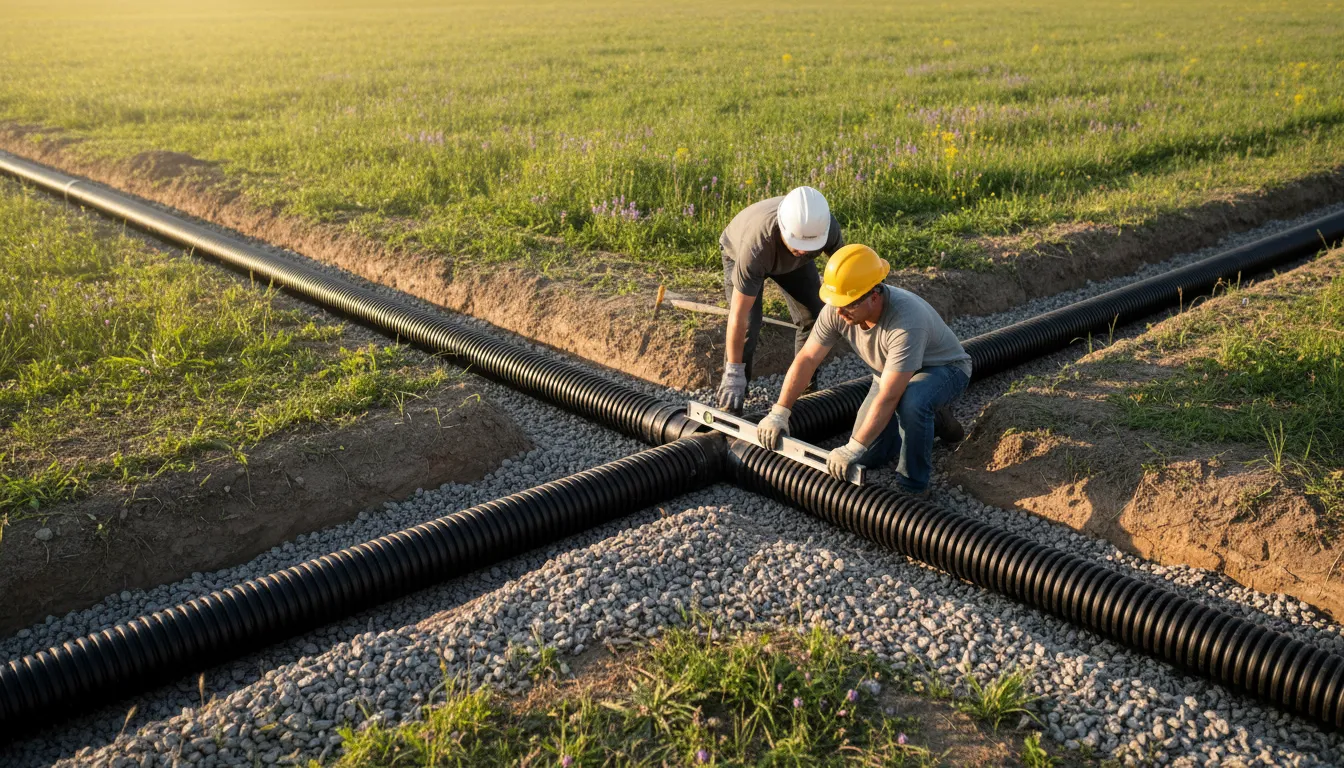
A failing drain field, also known as a leach field or absorption field, is a critical issue for any home with a septic system. This underground network of perforated pipes and gravel is responsible for safely dispersing and filtering treated wastewater into the soil. When it fails, you may notice soggy ground, sewage odors, or plumbing backups. In Mission Viejo, addressing these problems requires navigating specific local regulations and site conditions. This guide will help you understand the process, costs, and key considerations for leach field repair or replacement, connecting you with the information needed to evaluate local specialists.
Gardner Septic Services
Los Angeles, CA
Gardner Septic Services is a family-owned company based in Los Angeles, CA, specializing in septic system design, installation, pumping, repairs, inspections, and certifications. Serving the Inland Empire area including Riverside, Moreno Valley, Woodcrest, Yucaipa, Redlands, and nearby communities, they handle projects ranging from small repairs to complete septic system installations. With over 20 years of experience and licensed as a C-42 sanitation systems contractor, Gardner Septic Services offers comprehensive septic solutions including septic tank locating, riser and lid installations, and drain field repairs. They provide 24/7 emergency septic services to address urgent needs at any time.
Aztec Excavation Inc. & Septic
37801 Oxford Dr, Murrieta, CA 92562
Aztec Excavation Inc. & Septic is a licensed sanitation system contractor based near Los Angeles, CA, specializing in septic system installation, repair, and excavation services. Serving Riverside and San Diego counties, the company handles septic tank installation, drain field repair, trench building, lot preparation, and utility line installation. With over a decade of experience, Aztec Excavation offers capabilities such as advanced treatment unit installation and septic system component repairs. The business operates 24/7 to support residential septic and excavation needs in areas including Murrieta, Temecula, and Wildomar.

AMC Contractors
21657 Temescal Canyon Rd, Corona, CA 92883
AMC Contractors is a family-owned septic system contractor serving Los Angeles, CA, and surrounding areas. With over 30 years of experience since 1981, they provide a full range of septic services including installation, repair of leach lines and seepage pits, septic tank pumping, and inspections for real estate transactions or building permits. AMC Contractors combines extensive industry knowledge with the latest technology to address various septic system needs. Their team is available to assist with questions and provide reliable service.
Understanding Your Drain Field System
Your septic system is a mini wastewater treatment plant for your property. After solids settle in the septic tank, the liquid effluent flows into the drain field. Here, it percolates through the soil, where natural processes provide final treatment. A leach field can fail due to age, compaction, soil clogging (biomat formation), tree root intrusion, or hydraulic overloading from excessive water use. Recognizing early signs-like slow drains, lush green grass over the field, or standing water-can help you address issues before they become a full system failure and a more expensive replacement project.
Mission Viejo Regulations and Permitting
Any significant repair or full replacement of a wastewater dispersal system in Mission Viejo requires permits and must comply with strict state and local codes. The City's Building Safety Division oversees this process.
- Permit Requirement: You must obtain a permit for drain field work. For a full replacement, this often requires submitting engineered plans for review.
- Governing Codes: Systems must be designed and installed according to the California Plumbing Code (CPC) and regulations set by the Santa Ana Regional Water Quality Control Board.
- Inspection Process: The city offers next-business-day inspections if requested by 4 PM the previous day. A final inspection is mandatory before the new field can be covered.
Navigating these requirements is a key reason to work with a licensed septic professional familiar with Mission Viejo's specific procedures.
Critical Site and Soil Requirements
The feasibility and design of a new absorption field are dictated by your property's characteristics. California and local regulations set clear standards:
- Soil Percolation Rate: The soil must have a percolation rate between 1 and 12 inches per hour. Rates faster or slower than this range typically disqualify a standard leach field design.
- Groundwater Separation: A minimum vertical separation of 5 feet is required between the bottom of the drain field trenches and the seasonal high groundwater table.
- Property Setbacks: All system components must be contained within your property lines and maintain specific setback distances from wells, buildings, property lines, and water bodies.
- Land Slope: The slope of the land should not exceed 35%. Slopes over 20% often require a special geotechnical report1.
- Fill Material: Effluent dispersal is prohibited in areas where the soil has been brought in as fill material.
Find the perfect drain field repair companies for your needs
Get personalized recommendations and expert advice
The Step-by-Step Process for Replacement
Replacing a failed leach field is a multi-stage project that involves several professionals.
- Site Evaluation and Soil Testing: A qualified professional, such as a soil engineer or licensed septic contractor, performs a percolation (perc) test and deep hole observation to evaluate soil structure and determine the water absorption rate. This test is crucial for design and typically costs between $300 and $3,0002.
- System Design and Permitting: Based on the soil test results and household size, an engineer or designer creates a new system layout. This plan is submitted to the City of Mission Viejo for review and permitting3.
- Installation: Once permitted, construction begins. This involves excavating and disposing of the old, failed materials and carefully installing the new distribution box, perforated pipes, gravel, and geotextile fabric according to the approved plans.
- Final Inspection: The city inspector visits the site to ensure the installation matches the permitted plans and meets all code requirements before the trenches are backfilled4.
Cost Breakdown for Repair and Replacement
Costs for addressing drain field issues in Mission Viejo vary widely based on the scope of work, soil conditions, and system size. The figures below are general estimates for the region5 6 7 8 9.
- Minor Repairs: Fixing a clogged pipe, replacing a damaged distribution box, or repairing a baffle typically ranges from $250 to $1,500.
- Complete Leach Field Replacement: For a standard gravity-fed system, full replacement costs generally fall between $5,000 and $15,000.
- Complex or Large Systems: If site conditions are poor (e.g., high groundwater, poor soil) and require an advanced treatment system (like a mound, drip irrigation, or aerobic treatment unit), costs can easily exceed $20,000.
- Septic Tank Costs (if needed): If the tank also needs replacement, concrete tanks cost approximately $2,500 to $5,000, while plastic tanks range from $1,000 to $2,000.
Choosing a Specialist in Mission Viejo
Selecting the right contractor for your leach field project is crucial. Look for a company licensed by the state of California for septic system work (C-42 or C-36 licenses are common). They should have extensive experience with the local soil types in South Orange County and a proven track record of successfully pulling permits with the Mission Viejo Building Department. Ask for references from recent jobs and verify they carry adequate insurance. A reputable professional will provide a detailed written estimate that breaks down costs for design, permitting, materials, labor, and site restoration.
Maintenance Tips to Extend System Life
After investing in a repair or new drain field, proper maintenance is key to its longevity. Practice water conservation by fixing leaks and spreading out laundry loads. Avoid pouring grease, chemicals, or non-biodegradable items down the drain. Never drive or park vehicles over the drain field area, and plant only grass or shallow-rooted ground cover over it. Most importantly, have your septic tank pumped regularly by a professional (typically every 3-5 years) to prevent solids from escaping into and clogging the new leach field.
Frequently asked questions
Sources
Footnotes
-
The Californian's Guide To Septic Tanks - https://cacciaplumbing.com/blog/california-septic-tank-guide/ ↩
-
How Much Does a Septic Soil Test Cost in 2026? - Land Perc - https://landperc.com/septic-soil-test-cost/ ↩
-
California Septic Tank Requirements | Onsite Wastewater ... - https://www.ntotank.com/blog/california-septic-tank-requirements ↩
-
Building Services | City of Mission Viejo - https://www.cityofmissionviejo.org/departments/community-development/building-services ↩
-
How Much Does Septic System Repair Really Cost in California - https://www.lanikseptic.com/septic-repair-cost/ ↩
-
How Much Does a Septic Tank or Leach Field Replacement Cost? - https://www.elocal.com/resources/home-improvement/plumbing/cost-guide/leach-field-replacement-cost/ ↩
-
Septic Tank Replacement and Drain Field Cost in California - https://www.lanikseptic.com/how-much-does-it-cost-to-replace-a-septic-tank-and-drain-field-in-california/ ↩
-
Breaking down expenses: How much does a septic system cost? - https://point.com/blog/how-much-does-a-septic-system-cost ↩
-
Leach Field Replacement: Cost Breakdown - Aqua Pro Solutions - https://www.aquaprosolutions.com/resources/leach-field-replacement-cost-breakdown/ ↩