Find the Best Drain Field Repair Companies for Your Business
No obligation • Fast responses • Nationwide coverage

Why you can trust Septic Spot
Septic Spot is a leading United States resource for understanding and comparing septic services. Our editors review providers using consistent criteria and verify key business details. Listings and scores are independent, and companies cannot pay to influence our content.
Search providers near you
Top Drain Field Repair Companies in Moreno Valley, California Ranked
A failing drain field, also known as a leach field or absorption field, is a serious issue for any homeowner with a septic system. It's the final and most critical stage of wastewater treatment, where effluent is safely filtered back into the soil. When this component fails, it can lead to soggy yards, foul odors, and environmental contamination. This guide is designed to help Moreno Valley residents understand the process, regulations, and costs associated with drain field restoration, empowering you to make informed decisions when seeking local expertise for your septic system.
Foureverfresh Septic & Sewer Solutions
Los Angeles, CA
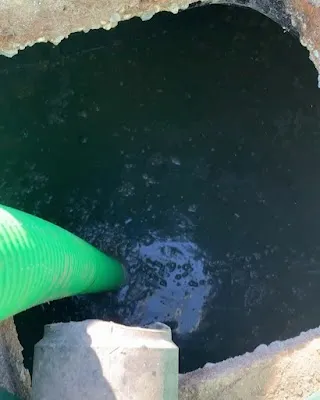
Foureverfresh Septic & Sewer Solutions provides a range of septic system services in Los Angeles, CA. Their offerings include septic tank pumping, inspections, repairs, installations, and sewer line repairs. They use advanced diagnostic tools like video inspections and leak detection to address issues such as tree root intrusion and blockages efficiently. With over 20 years of experience, the company emphasizes eco-friendly practices and customer satisfaction in their work.
Gardner Septic Services
Los Angeles, CA
Gardner Septic Services is a family-owned company based in Los Angeles, CA, specializing in septic system design, installation, pumping, repairs, inspections, and certifications. Serving the Inland Empire area including Riverside, Moreno Valley, Woodcrest, Yucaipa, Redlands, and nearby communities, they handle projects ranging from small repairs to complete septic system installations. With over 20 years of experience and licensed as a C-42 sanitation systems contractor, Gardner Septic Services offers comprehensive septic solutions including septic tank locating, riser and lid installations, and drain field repairs. They provide 24/7 emergency septic services to address urgent needs at any time.
Wright Septic Tank Services
511 N Dillon Ave, San Jacinto, CA 92582
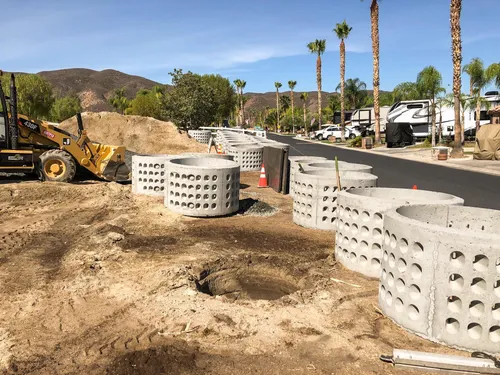
Wright Septic Tank Services is a licensed C42 and C36 contractor based in Los Angeles, CA, offering residential and commercial septic system solutions. Their services include septic tank pumping, repairs, maintenance, installation of new septic systems and leach lines, camera inspections, and electronic tank locating. With over 55 years of experience, Wright Septic uses advanced technology such as waterproof cameras and electronic locating devices to diagnose and address septic system issues effectively.
Señor Septic Construction & Pumping
Los Angeles, CA
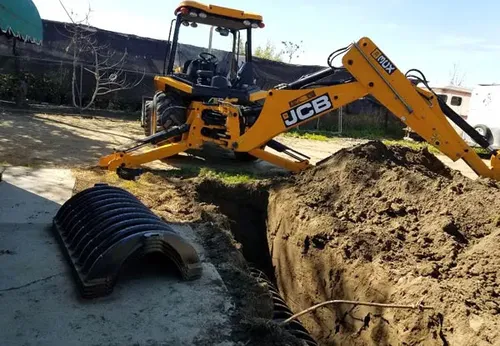
Señor Septic Construction & Pumping is a family-owned septic system contractor serving Los Angeles, CA, and surrounding areas including San Bernardino and Riverside counties. With over 23 years of experience, they provide septic tank pumping, inspection, repair, installation, and drain field services. The company is licensed and follows local codes, offering services such as septic tank clean-outs using modern equipment, new system installations including tanks and drain fields, and aerobic wastewater treatment system installations. They also handle all necessary permits and health inspections. Señor Septic is available Monday through Friday with Saturday appointments by request.
Aztec Excavation Inc. & Septic
37801 Oxford Dr, Murrieta, CA 92562
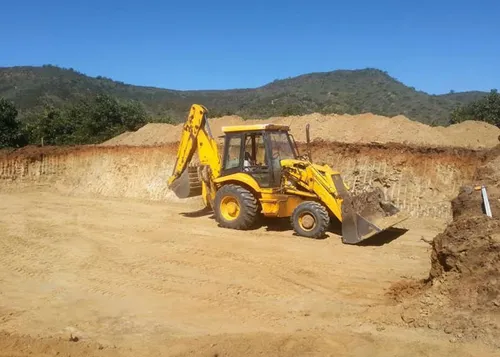
Aztec Excavation Inc. & Septic is a licensed sanitation system contractor based near Los Angeles, CA, specializing in septic system installation, repair, and excavation services. Serving Riverside and San Diego counties, the company handles septic tank installation, drain field repair, trench building, lot preparation, and utility line installation. With over a decade of experience, Aztec Excavation offers capabilities such as advanced treatment unit installation and septic system component repairs. The business operates 24/7 to support residential septic and excavation needs in areas including Murrieta, Temecula, and Wildomar.
Understanding Your Drain Field in Moreno Valley
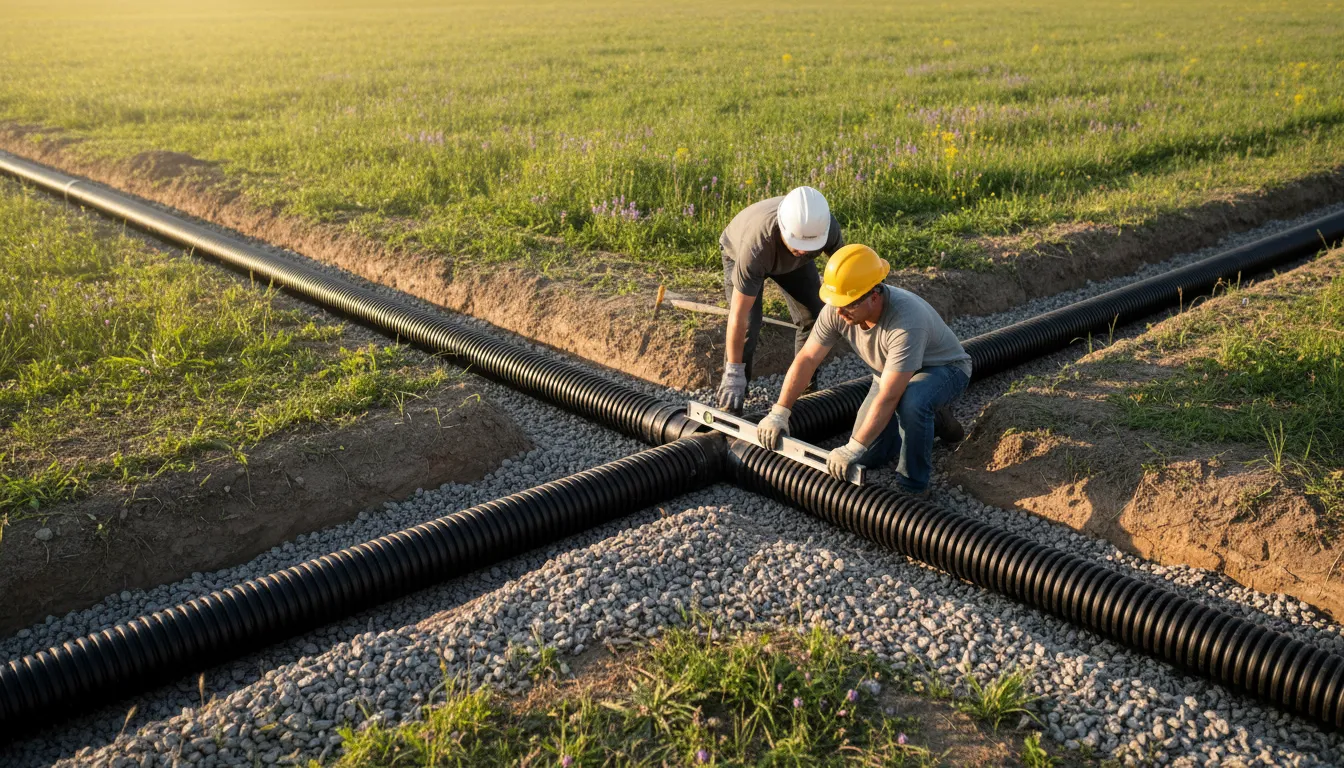
The drain field is a network of perforated pipes buried in trenches filled with gravel. After solids settle in the septic tank, the liquid effluent flows into this field, where it slowly percolates through the soil. The soil acts as a natural filter, removing harmful bacteria, viruses, and nutrients before the water rejoins the groundwater. In Moreno Valley, the health of your drain field is intrinsically linked to the broader San Jacinto watershed, making proper function and maintenance a community responsibility.
Common signs of a failing leach field include:
- Soggy Ground or Standing Water: Persistent wet spots or lush green grass over the field area, especially when it hasn't rained.
- Sewage Odors: Foul smells emanating from the yard or even inside the home.
- Slow Drains & Backups: Gurgling pipes, slow-draining sinks and toilets, or sewage backing up into the home.
- Nitrate Contamination: High levels of nitrates in well water, which can be a serious health hazard.
Local Regulations and Permit Requirements
All work on a septic system's absorption field in Moreno Valley requires permits and must adhere to strict state and county regulations. The regulatory authority is the Riverside County Department of Environmental Health, which enforces standards set by the California State Water Resources Control Board.
Key regulatory considerations for Moreno Valley include:
- Watershed Management: Moreno Valley falls within the San Jacinto River watershed. The San Jacinto Watershed Management Plan includes specific guidelines for onsite wastewater systems to protect water quality by reducing nutrient loading 1 2.
- Setback Distances: Strict minimum distances must be maintained between the drain field and features like wells, property lines, streams, and buildings. These setbacks are non-negotiable for permit approval 3.
- Soil and Site Evaluation: A professional must conduct a comprehensive site evaluation, including a percolation ("perc") test. This test measures how quickly water drains through your soil, which must typically fall within a range of 1 to 12 inches per hour to support a conventional system.
The Site Evaluation and Design Process
Before any repair or replacement can be planned, a qualified septic professional must assess your property. This isn't just a visual inspection; it's a detailed engineering analysis.
- Soil Percolation Test: This is the cornerstone of the evaluation. It determines the soil's absorption rate and identifies the limiting layer (e.g., bedrock, high groundwater).
- Groundwater Assessment: A minimum of 5 feet of vertical separation is typically required between the bottom of the drain trench and the highest seasonal groundwater level. Properties with high water tables pose a significant challenge.
- Slope Analysis: If your property has a slope over 20%, a detailed geotechnical report will likely be required by the county 4.
- System Design: Based on the site evaluation, household size, and local codes, an engineered plan is created. This plan specifies the exact type, size, and location of the new or repaired leach field system.
Repair vs. Replacement: Understanding Your Options
Not all drain field problems require a full replacement. A professional diagnosis is essential to determine the correct course of action.
Minor Repairs: Issues like a clogged distribution box, crushed pipes, or a malfunctioning effluent filter may be resolved with targeted repairs. These can range from $500 to $2,000, depending on the complexity and accessibility of the component.
Full Drain Field Replacement: When the soil is permanently clogged (a condition called "biomat" failure) or the system is structurally compromised, replacement is necessary. This involves:
- System Abandonment: The old leach field is properly taken out of service, often by removing contaminated gravel and pipes.
- New Field Installation: A new field is constructed in a different, suitable location on your property according to the approved engineered plans.
- Land Restoration: The area is graded and re-landscaped.
The timeline for a full replacement typically spans 3 to 7 days, from excavation to final inspection.
Find the perfect drain field repair companies for your needs
Get personalized recommendations and expert advice
Cost Factors for Drain Field Work in Moreno Valley
Costs for leach field restoration vary widely based on the scope of work, soil conditions, and system type required. The figures below are estimates to help you budget; always get multiple detailed quotes.
- Conventional Drain Field Replacement: For a standard gravity-fed system in suitable soil, expect costs in the range of $5,000 to $12,000 5.
- Alternative System Replacement: If your soil fails the perc test or has a high water table, an engineered alternative system like a mound, sand filter, or aerobic treatment unit (ATU) may be required. These are more complex and expensive, often ranging from $8,000 to over $20,000 6 7.
- Total System Replacement: In some cases, replacing the entire septic system-both tank and leach field-is the most practical solution. Total costs for this can range from $9,000 to $15,000 or more 8.
Major Cost Drivers:
- Soil Conditions: Rocky or heavy clay soil requires more extensive excavation, increasing labor and equipment costs. High groundwater necessitates more complex systems.
- System Type & Size: The required capacity (based on bedroom count) and the technology needed (conventional vs. alternative) are primary cost factors.
- Permitting & Design: Engineering plans and county permit fees are a necessary part of the project budget.
- Access & Landscaping: Difficult site access or the need to remove large trees, decks, or pools can add significant expense.
The Installation and Inspection Timeline
Once permits are secured, the physical work begins. A reputable contractor will manage this process seamlessly:
- Excavation: The designated area is carefully excavated to the precise depth and dimensions on the plan.
- System Installation: Gravel beds, distribution pipes, and any necessary chambers or proprietary products are installed.
- Connection & Testing: The new field is connected to the septic tank, and the system may be tested for proper flow.
- Final Inspection: Before the trenches are backfilled, a Riverside County inspector must visit the site to verify the installation matches the approved plans. Passing this inspection is mandatory 9 10.
- Backfill & Restoration: Once approved, the system is covered with soil and the landscape is restored as agreed upon.
Maintaining Your New Drain Field
Protecting your investment is crucial. Proper maintenance can extend the life of a new leach field for decades:
- Practice Water Conservation: Spread out laundry loads, fix leaks, and install water-efficient fixtures to avoid hydraulically overloading the field.
- Mind What You Flush: Only human waste and toilet paper should go down the drain. Never flush chemicals, grease, wipes, or feminine hygiene products.
- Divert Water: Ensure roof gutters, sump pumps, and yard drainage are directed away from the drain field area.
- Protect the Area: Never drive or park vehicles, build structures, or plant deep-rooted trees and shrubs over the field.
Frequently asked questions
Sources
Footnotes
-
san jacinto onsite wastewater management program - https://sawpa.gov/wp-content/uploads/2019/01/San-Jacinto-Septic-Systems-Mgmt-Plan-vNov-17-2007.pdf ↩
-
How to Keep Your Septic System Healthy in Riverside County (Pro Guide) - https://www.lanikseptic.com/how-to-keep-your-septic-system-healthy/ ↩
-
How To Install A Septic System Correctly - https://smartsepticpros.com/blog/how-to-install-a-septic-system/ ↩
-
The Californian's Guide To Septic Tanks - https://cacciaplumbing.com/blog/california-septic-tank-guide/ ↩
-
How Much Does a Septic Tank or Leach Field Replacement Cost? - https://www.elocal.com/resources/home-improvement/plumbing/cost-guide/leach-field-replacement-cost/ ↩
-
Septic Repair Cost in California: Complete Breakdown of Pricing ... - https://www.lanikseptic.com/septic-repair-cost/ ↩
-
Maintaining your Septic System A Guide for Homeowners - https://www.ihs.gov/california/tasks/sites/default/assets/File/SFC-MaintainingYourSepticSystemGuide.pdf ↩
-
Common Septic Tank Repairs In California (& What They Cost) - https://cacciaplumbing.com/blog/common-septic-tank-repairs-in-california/ ↩
-
California Septic Tank Requirements | Onsite Wastewater ... - https://www.ntotank.com/blog/california-septic-tank-requirements ↩
-
Septic System Services - https://www.leducusa.com/services/septic-system-services/ ↩