Find the Best Drain Field Repair Companies for Your Business
No obligation • Fast responses • Nationwide coverage

Why you can trust Septic Spot
Septic Spot is a leading United States resource for understanding and comparing septic services. Our editors review providers using consistent criteria and verify key business details. Listings and scores are independent, and companies cannot pay to influence our content.
Search providers near you
Top Drain Field Repair Companies in Oceanside, California Ranked
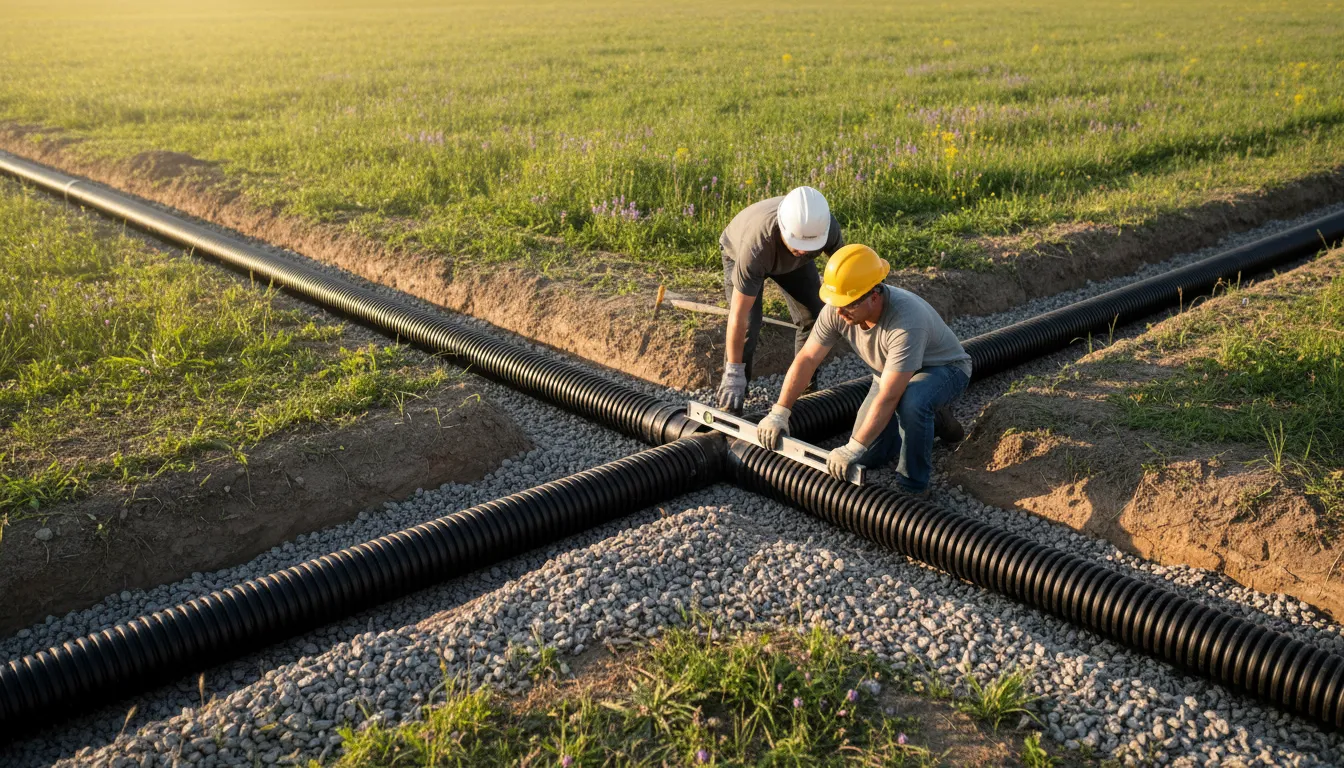
A failing drain field, also known as a leach field or absorption field, is a serious issue for any Oceanside home with a septic system. This critical component is responsible for safely filtering and dispersing treated wastewater into the soil. When it malfunctions, it can lead to soggy yards, foul odors, and environmental contamination. Navigating leach field repairs or a full replacement involves strict local regulations, professional assessments, and significant investment. This guide explains the process, costs, and key considerations for Oceanside homeowners to find qualified local professionals for this essential septic system work.

Center Septic
San Diego, CA
Center Septic is a family-owned septic service provider based in San Diego, CA, serving North San Diego County including Valley Center and surrounding areas. The company offers septic tank pumping, cleaning, inspections, repairs, new system installations, and drain field diagnosis and repairs. Center Septic holds a C42 license through the California State Contractor License Board and has been operating since 1995, providing a range of septic system services with trained and knowledgeable staff.
Aztec Excavation Inc. & Septic
37801 Oxford Dr, Murrieta, CA 92562
Aztec Excavation Inc. & Septic is a licensed sanitation system contractor based near Los Angeles, CA, specializing in septic system installation, repair, and excavation services. Serving Riverside and San Diego counties, the company handles septic tank installation, drain field repair, trench building, lot preparation, and utility line installation. With over a decade of experience, Aztec Excavation offers capabilities such as advanced treatment unit installation and septic system component repairs. The business operates 24/7 to support residential septic and excavation needs in areas including Murrieta, Temecula, and Wildomar.
USA Septic
1317 Simpson Way Suite B, Escondido, CA 92029
USA Septic is a septic tank pumping, inspection, repair, and installation company serving San Diego, CA. They provide services including septic system construction, pumping, drain cleaning, and certifications. Their expertise covers drain field repair and replacement, helping maintain and protect septic systems. USA Septic offers guidance on septic system ownership to help customers care for their systems properly.
Abbott Septic Service
3833 Linda Vista Dr, San Marcos, CA 92078
Abbott Septic Service is a septic tank company serving Los Angeles, CA, and the surrounding San Diego County area. They provide septic tank pumping, cleaning, repair, installation, and locating services. Abbott Septic Service is a licensed Class A general engineering contractor capable of major septic system construction work, including excavation, grading, trenching, and drain field installation. Established in 1948, the company has decades of experience and offers 24/7 phone availability for septic system needs.
Understanding Your Drain Field in Oceanside
The drain field is the final stage of your onsite wastewater treatment system (OWTS). After solids settle in the septic tank, liquid effluent flows into a network of perforated pipes buried in gravel-filled trenches. This effluent slowly percolates into the soil, where natural processes provide final treatment. In Oceanside, these systems are regulated by the San Diego County Department of Environmental Health and Quality (DEHQ), not the city itself. The coastal environment, soil types, and high groundwater tables in some areas make proper leach field function and repair particularly important to protect public health and water quality.
Signs You Need Drain Field or Leach Field Attention
Recognizing early warning signs can prevent a complete system failure and more costly repairs:
- Soggy Ground & Surfacing Effluent: Persistent wet, spongy, or muddy areas over the drain field, especially with a foul smell, are a primary red flag.
- Slow Drains & Backups: If household drains are slow or toilets back up and you have a soggy yard, the problem is likely in the leach field, not just the tank.
- Unusually Green Grass: Patches of grass over the drain field that are much lusher and greener than the rest of the lawn can indicate a nutrient overload from surfacing wastewater.
- Standing Water: Pools of grey, foul-smelling water in your yard are a clear sign of failure.
- Nitrate Contamination: Well water tests showing high nitrate levels can indicate a failing septic system is contaminating groundwater.
Oceanside Regulations and Permit Requirements
Any repair or replacement of a septic system component in Oceanside requires a permit from the San Diego County DEHQ 1. The permit is valid for one year, and all work must be completed within that timeframe 2. Attempting leach field work without a permit can result in fines and legal liability, especially if contamination occurs.
Key regulatory requirements for Oceanside include:
- Qualified Professionals: Permit applications and the work itself must typically be performed by a licensed contractor (such as C-36 or C-42) or a qualified installer (Class A or B) 3.
- System Design: If your repair or replacement deviates from a standard conventional system, the design must be prepared by a qualified professional like a civil engineer, geologist, or environmental health specialist 4.
- Mandatory Setbacks: Leach fields must be situated at specific minimum distances from other features: at least 100 feet from water wells, 50 feet from streams or ponds, and 8 feet from buildings or property lines 5.
- Replacement Area: A crucial rule is that new or replacement systems must have a designated "100% replacement area" set aside on your property. This is a space suitable for a future leach field if the primary one fails, ensuring long-term functionality 6.
Find the perfect drain field repair companies for your needs
Get personalized recommendations and expert advice
The Drain Field Repair & Replacement Process
1. Professional Site Evaluation and Testing
Before any design or permit application, a detailed site evaluation is mandatory. This often includes:
- Percolation (Perc) Test: Measures the soil's absorption rate. Suitable soil in San Diego County must allow water to percolate at a rate between 1 and 12 inches per hour 7.
- Soil Profile Evaluation: Test pits or trenches are dug to examine soil layers, texture, and to determine the depth to the highest seasonal groundwater table. A minimum of 5 feet of unsaturated soil is required between the trench bottom and groundwater 8.
- Site Assessment: Professionals evaluate slope (systems on slopes over 25% may need a geotechnical report), available space, and proximity to setbacks 9.
2. System Design and Permit Application
Based on the evaluation, a system is designed. For complex sites or repairs, this may involve alternative technologies. The design plans, including a detailed plot plan, are submitted to the DEHQ for review and permit approval.
3. Installation, Inspections, and Approval
Once permitted, the physical work begins. Key inspection points mandated by the county include:
- Open Trench Inspection: Before gravel and pipes are placed, the excavated trenches must be inspected and approved by the county 10.
- Final Inspection: Upon completion, the entire system is inspected. The septic tank lid and distribution box must be uncovered for verification 11. Only after passing final inspection is your repaired or new leach field legally approved for use.
Cost Factors for Leach Field Work in Oceanside
Drain field project costs in Oceanside vary widely based on the extent of the problem, soil conditions, system size, and design. Labor typically constitutes about 60% of the total project cost.
- Permit Fees: Range from approximately $450 to $2,000, depending on the project's complexity.
- Soil Testing: A professional percolation test and soil evaluation can cost between $300 and $3,000, averaging around $1,300 12.
- Minor Repairs: Addressing a clogged line or a single failed section might cost between $300 and $900.
- Major Repairs/Pipe Replacement: Extensive pipe network repairs can range from $1,200 to $4,000 13.
- Complete Drain Field Replacement: This is the most significant expense. For a full leach field replacement in Oceanside, homeowners can expect costs often ranging from $5,000 to over $15,000 14 15. The high end accounts for difficult sites, poor soil, or the need for advanced treatment systems.
Choosing a Service Provider in Oceanside
Selecting the right contractor is critical for a compliant and long-lasting repair.
- Verify Licenses: Ensure the contractor holds an active California license appropriate for septic work (e.g., C-36, C-42) and is familiar with San Diego County DEHQ protocols.
- Check Experience: Ask for references and examples of similar leach field projects completed in North County coastal areas.
- Get Detailed Quotes: Obtain written, itemized estimates that include costs for soil testing, permit pulling, design, materials, labor, and county inspections.
- Understand the Process: A reputable provider will clearly explain the evaluation, design, permitting, and installation steps, emphasizing compliance with local codes.
Maintaining Your Drain Field Post-Repair
Protect your investment and extend the life of your leach field with proper care:
- Redirect Water: Ensure roof gutters, sump pumps, and surface runoff are directed away from the drain field area.
- Avoid Compaction: Never drive or park vehicles, or build structures (like sheds or patios) over the drain field or its designated replacement area.
- Plant Wisely: Only grass should be planted over the field. Tree and shrub roots can infiltrate and damage pipes.
- Conserve Water: Use water-efficient fixtures and spread out laundry loads to avoid hydraulically overloading the system.
- Pump Regularly: Have your septic tank pumped every 3-5 years by a licensed service to prevent solids from escaping into and clogging the leach field.
Frequently asked questions
Sources
Footnotes
-
Frequently Asked Questions on Septic Systems - https://www.sandiegocounty.gov/content/sdc/deh/lwqd/lu_septic_systems/lu_septic_faqs_page.html ↩
-
Frequently Asked Questions on Septic Systems - County of San Diego - https://www.sandiegocounty.gov/content/sdc/deh/lwqd/lu_septic_systems/lu_septic_faqs_page.html ↩
-
private sewage disposal systems - https://www.waterboards.ca.gov/water_issues/programs/owts/docs/appdxk_ch7ta1401.pdf ↩
-
The Californian's Guide To Septic Tanks - https://cacciaplumbing.com/blog/california-septic-tank-guide/ ↩
-
ordinance no. 10136 (ns) - County of San Diego - https://www.sandiegocounty.gov/content/dam/sdc/pds/ceqa/JVR/AdminRecord/IncorporatedByReference/Section-2-5---Geology--Soils-and-Seismicity-References/County%20of%20San%20Diego%202011d_Ord10136.pdf ↩
- ↩
-
Frequently Asked Questions on Septic Systems - https://www.sandiegocounty.gov/content/sdc/deh/lwqd/lu_septic_systems/lu_septic_faqs_page.html ↩
-
Construction Guide for On-Site Sewage Disposal Systems - https://monohealth.com/sites/default/files/fileattachments/environmental_health/page/29328/constr_guide_conv08-2.pdf ↩
-
The Californian's Guide To Septic Tanks - https://cacciaplumbing.com/blog/california-septic-tank-guide/ ↩
-
Plumbing Code Compliance and Safety Guide in Oceanside, Ca - https://mrrogersplumbing.com/plumbing-code-compliance-and-safety-guide/ ↩
-
California Septic Tank Requirements | Onsite Wastewater ... - https://www.ntotank.com/blog/california-septic-tank-requirements ↩
-
How Much Does a Septic Soil Test Cost in 2026? - Land Perc - https://landperc.com/septic-soil-test-cost/ ↩
-
How Much Does Septic System Repair Really Cost in California - https://www.lanikseptic.com/septic-repair-cost/ ↩
-
Cost to Replace Septic Tank and Drain Field [2026 Data] | Angi - https://www.angi.com/articles/how-much-new-drain-fields-foot.htm ↩
-
Quail Valley Onsite Wastewater Treatment System Prohibition Effective Date: On October 3, 2006, the Santa Ana Water Board adopte - https://www.waterboards.ca.gov/santaana/board_info/agendas/2020/1-16-2020/Item_3.pdf ↩