
Find the Best Drain Field Repair Companies for Your Business
No obligation • Fast responses • Nationwide coverage

Why you can trust Septic Spot
Septic Spot is a leading United States resource for understanding and comparing septic services. Our editors review providers using consistent criteria and verify key business details. Listings and scores are independent, and companies cannot pay to influence our content.
Search providers near you
Top Drain Field Repair Companies in Ontario, California Ranked
A failing drain field is a serious concern for any homeowner with a septic system. This critical component, also known as a leach field or absorption field, is responsible for safely dispersing and filtering treated wastewater into the soil. When it malfunctions, you may face soggy lawns, foul odors, or even sewage backups. In Ontario, California, repairing or replacing a drain field is a regulated process that requires navigating local codes and securing professional expertise. This guide explains the local requirements, process, and costs to help you understand your options and connect with qualified specialists for your leach field project.
Foureverfresh Septic & Sewer Solutions
Los Angeles, CA
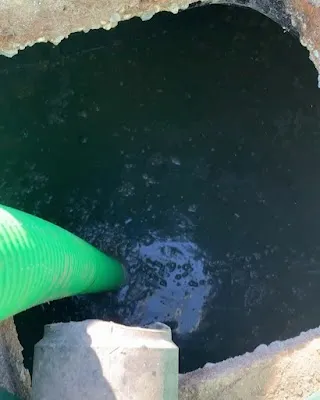
Foureverfresh Septic & Sewer Solutions provides a range of septic system services in Los Angeles, CA. Their offerings include septic tank pumping, inspections, repairs, installations, and sewer line repairs. They use advanced diagnostic tools like video inspections and leak detection to address issues such as tree root intrusion and blockages efficiently. With over 20 years of experience, the company emphasizes eco-friendly practices and customer satisfaction in their work.
Gardner Septic Services
Los Angeles, CA
Gardner Septic Services is a family-owned company based in Los Angeles, CA, specializing in septic system design, installation, pumping, repairs, inspections, and certifications. Serving the Inland Empire area including Riverside, Moreno Valley, Woodcrest, Yucaipa, Redlands, and nearby communities, they handle projects ranging from small repairs to complete septic system installations. With over 20 years of experience and licensed as a C-42 sanitation systems contractor, Gardner Septic Services offers comprehensive septic solutions including septic tank locating, riser and lid installations, and drain field repairs. They provide 24/7 emergency septic services to address urgent needs at any time.
Señor Septic Construction & Pumping
Los Angeles, CA
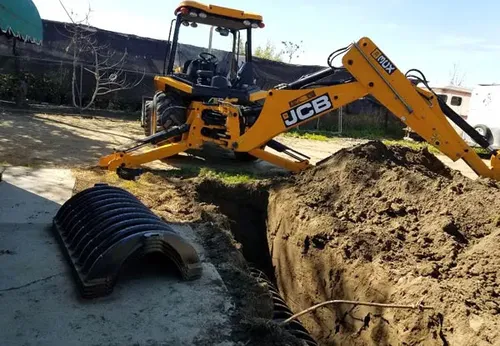
Señor Septic Construction & Pumping is a family-owned septic system contractor serving Los Angeles, CA, and surrounding areas including San Bernardino and Riverside counties. With over 23 years of experience, they provide septic tank pumping, inspection, repair, installation, and drain field services. The company is licensed and follows local codes, offering services such as septic tank clean-outs using modern equipment, new system installations including tanks and drain fields, and aerobic wastewater treatment system installations. They also handle all necessary permits and health inspections. Señor Septic is available Monday through Friday with Saturday appointments by request.

Gardner Septic Service
12625 Frederick St, Moreno Valley, CA 92553
Gardner Septic Service is a family-owned septic system contractor based in Los Angeles, CA, serving Riverside, Moreno Valley, Woodcrest, Yucaipa, Redlands, and surrounding Inland Empire areas. The company offers a wide range of septic services including tank pumping, repairs, installations, inspections, certifications, and drain field repairs. With over 20 years of experience and licensed as a C-42 sanitation systems contractor, Gardner Septic Service specializes in septic system design and real estate septic certifications. They provide 24/7 emergency septic services to accommodate urgent needs.
AMC Contractors
21657 Temescal Canyon Rd, Corona, CA 92883
AMC Contractors is a family-owned septic system contractor serving Los Angeles, CA, and surrounding areas. With over 30 years of experience since 1981, they provide a full range of septic services including installation, repair of leach lines and seepage pits, septic tank pumping, and inspections for real estate transactions or building permits. AMC Contractors combines extensive industry knowledge with the latest technology to address various septic system needs. Their team is available to assist with questions and provide reliable service.
Understanding Your Drain Field's Role
Your septic system is a mini wastewater treatment plant for your property. After solids settle in the septic tank, the liquid effluent flows into the drain field. This network of perforated pipes buried in gravel-filled trenches allows the effluent to slowly seep into the soil, where natural processes provide final treatment. A healthy leach field is essential for protecting groundwater and public health. Failure occurs when the soil becomes clogged or saturated, preventing proper absorption. Common signs include standing water or lush green grass over the field, slow drains, and sewage odors.
Ontario's Regulatory Landscape: San Bernardino County Rules
Residential septic systems in Ontario are regulated by San Bernardino County's Division of Environmental Health Services (DEHS) and must comply with the California Plumbing Code (CPC). Repairs or replacements of the drain field generally require a design approval from DEHS and a construction permit from the Building and Safety Division 1. It's crucial to understand that properties must connect to a public sewer if one is available; an Onsite Wastewater Treatment System (OWTS) is only permitted if sewer access is not feasible.
When is a Permit Required?
A septic permit is mandatory for installing a new system, replacing an existing one that has reached its end of life, or altering/repairing any part of the system. There is a narrow exception: if a system replacement is in a non-critical area and is a "kind-for-kind" swap (same type and capacity), a DEHS review may not be required. However, Building and Safety must still certify that public sewer service is unavailable. For almost all drain field work, you will need to engage with the permit process.
Key Site Requirements for Replacement
San Bernardino County has specific site criteria that must be met for a new or replacement absorption field:
- Expansion Area: A crucial rule is that new or replacement systems must have sufficient yard space reserved for a 100% expansion of the leach line area in case of future failure 2. This means you need space for two full-sized drain fields.
- Percolation Testing: A qualified professional (e.g., a Registered Civil Engineer or Geologist) must conduct a percolation test to determine the soil's absorption rate before design approval.
- Soil and Groundwater: There must be at least 5 feet of separation between the bottom of the dispersal trench and the groundwater, and at least 3 feet of suitable soil beneath the trenches.
- Setbacks: Systems must be set back from property lines, wells, and streets. Key distances include a 25-foot setback from a public street if a water line is present, 100 feet from non-public wells, and 5 feet from side property lines if no water mains exist.
- Slope and Geology: Land slope should not exceed 35%. Slopes over 20% require a geotechnical report 3 4. Portions of Ontario are susceptible to liquefaction, which can cause ground settlement and instability, potentially impacting system integrity-a factor a professional will evaluate 5.
The Step-by-Step Process for Leach Field Work
Navigating a drain field repair or installation involves a multi-step process with county oversight.
- Site Evaluation and Design: A licensed septic professional or engineer evaluates your property's soil conditions, topography, and geology. They then create design plans for the new or repaired absorption field.
- Design Submission and Approval: The design plans are submitted to the DEHS for review and approval 6.
- Permit Acquisition: Once DEHS approves the design, the homeowner or contractor must obtain a construction permit from the Building and Safety Division 7 8.
- Phased Construction and Inspection: Construction proceeds with inspections at critical stages (trench excavation, pipe placement, etc.) to verify compliance with the approved plans 9 10.
- Final Approval: A Building Inspector must give final approval on the completed system before it can be covered and put into use 11.
Find the perfect drain field repair companies for your needs
Get personalized recommendations and expert advice
Cost Considerations for Absorption Field Projects
Costs for leach field work in Ontario vary significantly based on the size of the system, soil composition, site accessibility, and the complexity of required engineering. The figures below are estimates to help you budget.
| Category | Estimated Cost Range | Notes |
|---|---|---|
| Complete System Replacement | $6,000 - $10,000 | Includes tank and drain field |
| Drain Field Only (New Install) | $3,000 - $7,000 | Standard residential average is ~$4,500 |
| Drain Field Replacement | $5,000 - $15,000 | Higher range for difficult soil or complex sites |
| Permits & Soil Testing | $500 - $1,880 | Varies by municipality and local requirements 12 13 |
| Standard Inspection | $50 - $150 | For routine maintenance checks |
| Tank Pumping | $150 - $250 | Recommended every 2-4 years |
Note: A complete drain field replacement is often the most expensive septic repair. Investing in proper design and installation by a qualified professional is critical for long-term system viability and compliance.
Maintaining Your System to Avoid Premature Failure
Proper maintenance can extend the life of your leach field for decades. Key practices include:
- Regular Pumping: Have your septic tank pumped every 2-4 years by a licensed professional to prevent solids from escaping into the drain field and causing clogs 14.
- Water Conservation: Spread out water use and fix leaks. Overloading the system with too much water too quickly can flood the field.
- Mind What You Flush: Only human waste and toilet paper should go down the drain. Avoid chemicals, grease, diapers, and wipes (even "flushable" ones).
- Protect the Area: Never drive or park vehicles over the drain field, and avoid planting trees with deep roots nearby.
Choosing a Professional for Your Project
Given the regulatory and technical complexity, selecting the right contractor is paramount. Look for a licensed septic system professional with extensive experience in San Bernardino County. They should be familiar with DEHS and Building and Safety procedures. Always verify their license, ask for references from similar projects in Ontario, and ensure they pull the proper permits. A reputable professional will handle the site evaluation, design submission, and coordinate inspections, guiding you through the entire process.
Frequently asked questions
Sources
Footnotes
-
SEWAGE HOLDING TANK APPLICATION PACKET - https://wp.sbcounty.gov/dph/wp-content/uploads/sites/7/2022/02/Sewage-Holding-Tank-Application-Packet.pdf ↩
-
Septic System FAQ - https://wp.sbcounty.gov/wp-content/uploads/sites/7/2017/10/Septic-System-FAQ-9.28.2017.pdf ↩
-
Land Use and Wastewater - Environmental Health Services - https://ehs.sbcounty.gov/programs/waste/ ↩
-
LAND USE SERVICES Building and Safety Division - https://lus.sbcounty.gov/wp-content/uploads/sites/48/BandS/IB-00018-Onsite-Wastewater-Treatment-Systems-Final-Edited-06-20-2024-002-1.pdf ↩
-
5.6 GEOLOGY AND SOILS - San Bernardino County - http://countywideplan.sbcounty.gov/wp-content/uploads/sites/125/2021/01/Ch_05-06-GEO.pdf ↩
-
§ 33.0879 Abandonment of Sewage Holding Tanks. - https://codelibrary.amlegal.com/codes/sanbernardino/latest/sanberncty_ca/0-0-0-159800 ↩
-
Wastewater - Environmental Health Services - https://ehs.sbcounty.gov/faq-category/wastewater/ ↩
-
Can I Repair My Own Septic System in Ontario? - https://bestdrainage.ca/can-i-repair-my-own-septic-system-in-ontario/ ↩
-
Septic System Plumbing Barrie Tips for Easy Maintenance and ... - https://harrisplumbing.ca/Blog/BlogPost/fe0c83a2-8b3d-4fbd-ce66-08ddec6a98fe ↩
-
When to Replace Your Septic System in Ontario - https://www.headwatersconstruction.ca/blogs/septic-system-replacement-ontario-signs-requirements ↩
-
California Septic Tank Requirements | Onsite Wastewater ... - https://www.ntotank.com/blog/california-septic-tank-requirements ↩
-
Septic Tank Replacement and Drain Field Cost in California - https://www.lanikseptic.com/how-much-does-it-cost-to-replace-a-septic-tank-and-drain-field-in-california/ ↩
-
How Much Does Septic System Repair Really Cost in California - https://www.lanikseptic.com/septic-repair-cost/ ↩
-
Maintaining your Septic System A Guide for Homeowners - https://www.ihs.gov/california/tasks/sites/default/assets/File/SFC-MaintainingYourSepticSystemGuide.pdf ↩