Find the Best Drain Field Repair Companies for Your Business
No obligation • Fast responses • Nationwide coverage

Why you can trust Septic Spot
Septic Spot is a leading United States resource for understanding and comparing septic services. Our editors review providers using consistent criteria and verify key business details. Listings and scores are independent, and companies cannot pay to influence our content.
Search providers near you
Top Drain Field Repair Companies in Palmdale, California Ranked
A failing drain field, also known as a leach field or absorption field, is a serious issue for any home with a septic system. It's the final and most critical stage where treated wastewater is safely dispersed into the soil. When this component fails, it can lead to soggy yards, foul odors, and even sewage backups into your home. In Palmdale, navigating this repair requires understanding the unique local soil conditions and strict county regulations. This guide provides the essential information you need to understand the process, costs, and key considerations for leach field work in the Antelope Valley, helping you connect with qualified local professionals.
The Drain Dude
13113 San Fernando Rd, Sylmar, CA 91342
The Drain Dude is a full-service plumbing company based in Los Angeles, CA, offering a wide range of plumbing solutions including septic tank inspection, septic system repair, and drain field repair or replacement. They provide 24/7 emergency plumbing services and use advanced technology such as video inspection and electronic leak detection to accurately diagnose issues. Their trenchless sewer and underground pipe installation services minimize disruption with low-dig or no-dig methods. The Drain Dude serves all of Southern California, combining family-owned values with professional expertise.
Septic Tank Pumping USA
1367 Foothill Blvd, La Cañada Flintridge, CA 91011
Septic Tank Pumping USA provides septic tank pumping, inspection, and repair services in Los Angeles, CA. They handle routine maintenance and emergency repairs, including drain field repair or replacement. The company emphasizes regular pumping every 3-5 years to prevent system failures and environmental risks. They also offer thorough inspections to assess tank and drain field conditions. Septic Tank Pumping USA serves the local area with expertise in managing septic system health and compliance with local regulations.
Understanding Your Palmdale Drain Field
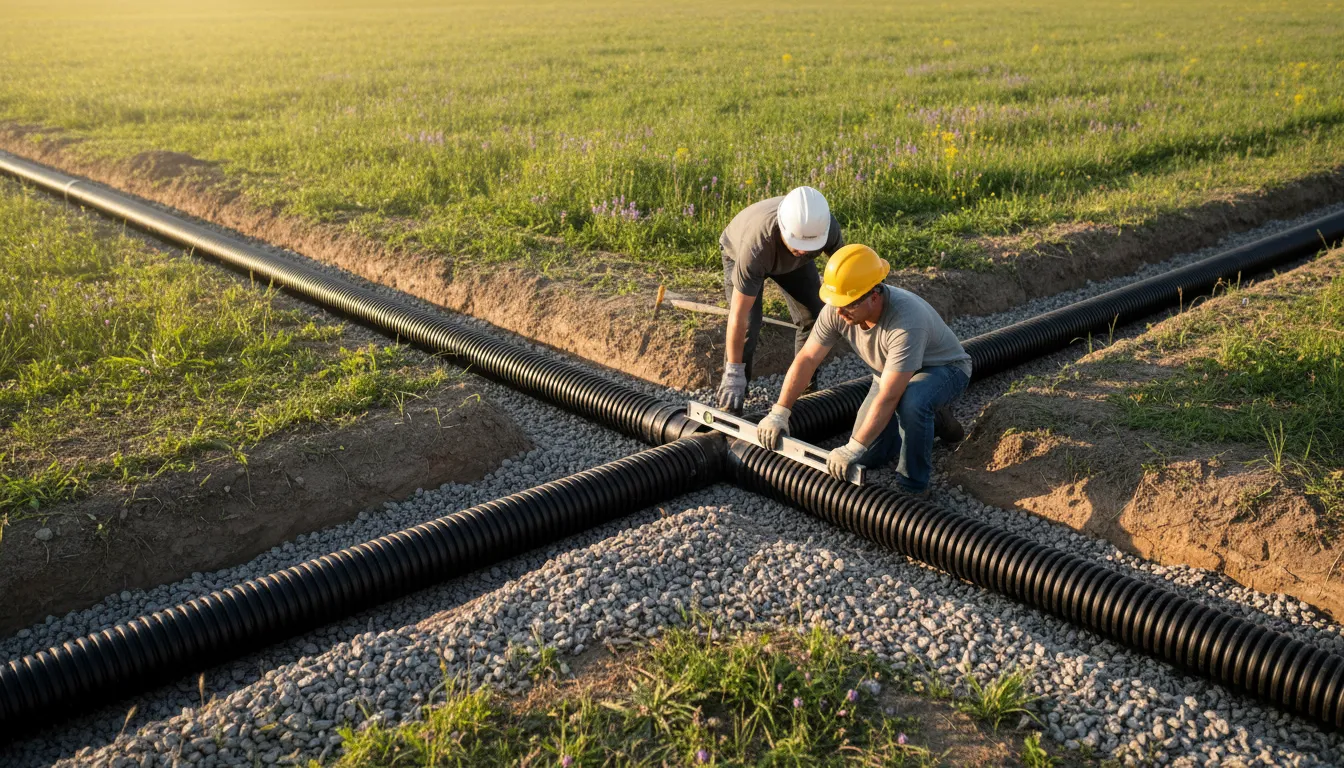
The drain field is a network of perforated pipes buried in gravel-filled trenches. After solids settle in the septic tank, the liquid effluent flows into this field, where it slowly percolates through the soil for final natural treatment. In Palmdale's climate and geology, several factors make this system particularly important and regulated.
The most common signs of a failing absorption field include:
- Persistently soggy or spongy ground over the field area, even in dry weather.
- Sewage odors near the tank, drain field, or inside the home.
- Slow drains and gurgling plumbing fixtures throughout the house.
- Unusually lush, green grass growing over the field, indicating a nutrient surge from effluent.
- Standing wastewater or sewage backing up into the home.
If you notice any of these signs, it's crucial to act quickly. Continued use of a failed system is a health hazard and violates local codes.
Palmdale's Regulatory Landscape
All work on a septic system in unincorporated Los Angeles County, including areas of Palmdale, requires permits and inspections from the Los Angeles County Department of Public Health (LACDPH). This is not a DIY project. The regulations are designed to protect public health and groundwater, which is especially critical in our region.
Key permit requirements include:
- Site Evaluation & Percolation Test: A qualified professional must perform soil tests to determine the absorption rate, which must fall within an acceptable range (typically 1 to 12 inches per hour).
- System Design & Plan Approval: A detailed plan of the proposed repair or replacement system must be submitted and approved by the county before any permit is issued.
- Mandatory Inspections: County inspectors will visit at critical stages, such as after excavation and before the final backfill, to ensure compliance with the approved plan.
Critical Site and Soil Factors in the Antelope Valley
The success of a new leach field is entirely dependent on local site conditions. Palmdale's environment presents specific challenges that professionals must design around.
- Soil Type: The area often has sandy soil, which can allow for good drainage but may also require careful design to ensure proper filtration and prevent groundwater contamination.
- Setbacks: The system must adhere to strict minimum distances from wells, buildings, property lines, and waterways. Your contractor will know these required separations.
- Water Table: Regulations mandate at least 5 feet of separation between the bottom of the drain field trenches and the seasonal high groundwater table. This prevents effluent from contaminating groundwater.
- Land Slope: The maximum allowable slope for a conventional system is 35%. For slopes between 20% and 35%, a geotechnical report is typically required 1 2. Steeper slopes may necessitate a more complex (and costly) alternative system.
- Coverage: The dispersal pipes and gravel must be covered with at least 12 inches of soil to function properly and be protected.
The Repair and Replacement Process
Whether you need a minor fix or a full leach field replacement, the process follows a structured path to ensure safety and code compliance.
- Professional Assessment: A licensed septic contractor diagnoses the problem. They may use a camera to inspect lines or perform a soil percolation test to assess viability.
- Design & Permitting: For major work, the contractor designs a solution that meets LACDPH standards for your property and submits the plans for a permit 3.
- Excavation: The old drain field area is carefully excavated. Old pipes may be removed or properly abandoned in place according to code.
- Installation: New trenches are dug, filled with gravel, and new perforated distribution pipes are laid. The system is connected to the septic tank.
- Inspection & Backfill: After a county inspector approves the installation, the trenches are covered with soil and the landscape is restored 4 5.
Find the perfect drain field repair companies for your needs
Get personalized recommendations and expert advice
Cost Breakdown for Drain Field Work
Costs can vary widely based on the scope of work, soil conditions, and system type. Here's a general breakdown for the Palmdale area:
- Minor Repairs: Fixing issues like a clogged distribution box, broken pipe, or damaged baffle typically ranges from $250 to $1,500.
- Major Repairs: Addressing significant clogs, repairing or replacing a septic pump, or rehabilitating a portion of the field can cost between $1,000 and $4,000 6.
- Full Drain Field Replacement: This is the most significant expense. Completely replacing a conventional leach field in Palmdale generally costs between $7,000 and $20,000 or more 7. The average total project cost for septic system work in Palmdale, which often centers on the drain field, has been estimated between $4,991 and $7,130, though complex fields drive costs higher 8.
- Septic Tank Replacement (if needed): Replacing the tank itself, often done in conjunction with field work, averages $3,000 to $10,000 9.
What Influences the Final Price?
Several factors specific to your property will determine where your project falls within these price ranges:
- Site Accessibility: If heavy equipment like backhoes cannot easily reach the work area, labor costs will increase.
- Soil Conditions & Topography: Hard, rocky soil requires more labor to excavate. Poor percolation rates or slopes over 20% may force the installation of an alternative system (like a mound or drip irrigation system), which can start around $15,000 and increase significantly 10 11.
- System Size and Type: The size of your home (bedroom count) dictates the required capacity. A standard gravity-fed system is the most economical, while pressurized, mound, or aerobic treatment units (ATUs) are more expensive to install.
- Permit and Design Fees: These are separate costs paid to the county and the design professional.
Maintaining Your New Drain Field
Protecting your investment is key. Proper maintenance includes:
- Water Conservation: Spread out laundry loads and fix leaks to avoid hydraulically overloading the field.
- Mind What You Flush: Only human waste and toilet paper should go down the drain. Avoid chemicals, grease, and non-biodegradable items.
- Protect the Area: Never drive or park over the drain field, and avoid planting trees with deep roots nearby.
- Regular Pumping: Have your septic tank pumped every 3-5 years by a professional to prevent solids from escaping into and clogging the leach field.
Frequently asked questions
Sources
Footnotes
-
Septic System Installation, Palmdale, CA - https://www.dailysbackhoeservicepd.com/septic-system-installation ↩
-
California Septic Tank Requirements | Onsite Wastewater ... - https://www.ntotank.com/blog/california-septic-tank-requirements ↩
-
The Californian's Guide To Septic Tanks - https://cacciaplumbing.com/blog/california-septic-tank-guide/ ↩
-
The Ultimate Guide to Replacing a Septic Drain Field - https://www.rciseptic.com/the-ultimate-guide-to-replacing-a-septic-drain-field ↩
-
Southern California Septic System Regulations: What You Need to ... - https://www.lanikseptic.com/socal-septic-regulations/ ↩
-
Common Septic Tank Repairs In California (& What They Cost) - https://cacciaplumbing.com/blog/common-septic-tank-repairs-in-california/ ↩
-
What Is the Most Expensive Part of a Septic System? - https://www.headwatersconstruction.ca/blogs/most-expensive-part-of-septic-system ↩
-
Septic Tank Installation in Palmdale, CA - Costs 02 / 2026 - Homeyou - https://www.homeyou.com/ca/septic-tank-installation-palmdale-costs ↩
-
Septic Repair Cost in California: Complete Breakdown of Pricing ... - https://www.lanikseptic.com/septic-repair-cost/ ↩
-
Maintaining your Septic System A Guide for Homeowners - https://www.ihs.gov/california/tasks/sites/default/assets/File/SFC-MaintainingYourSepticSystemGuide.pdf ↩
-
The SoCal Guide to Septic Tank Installation - https://www.lanikseptic.com/socal-guide-septic-tank-installation/ ↩