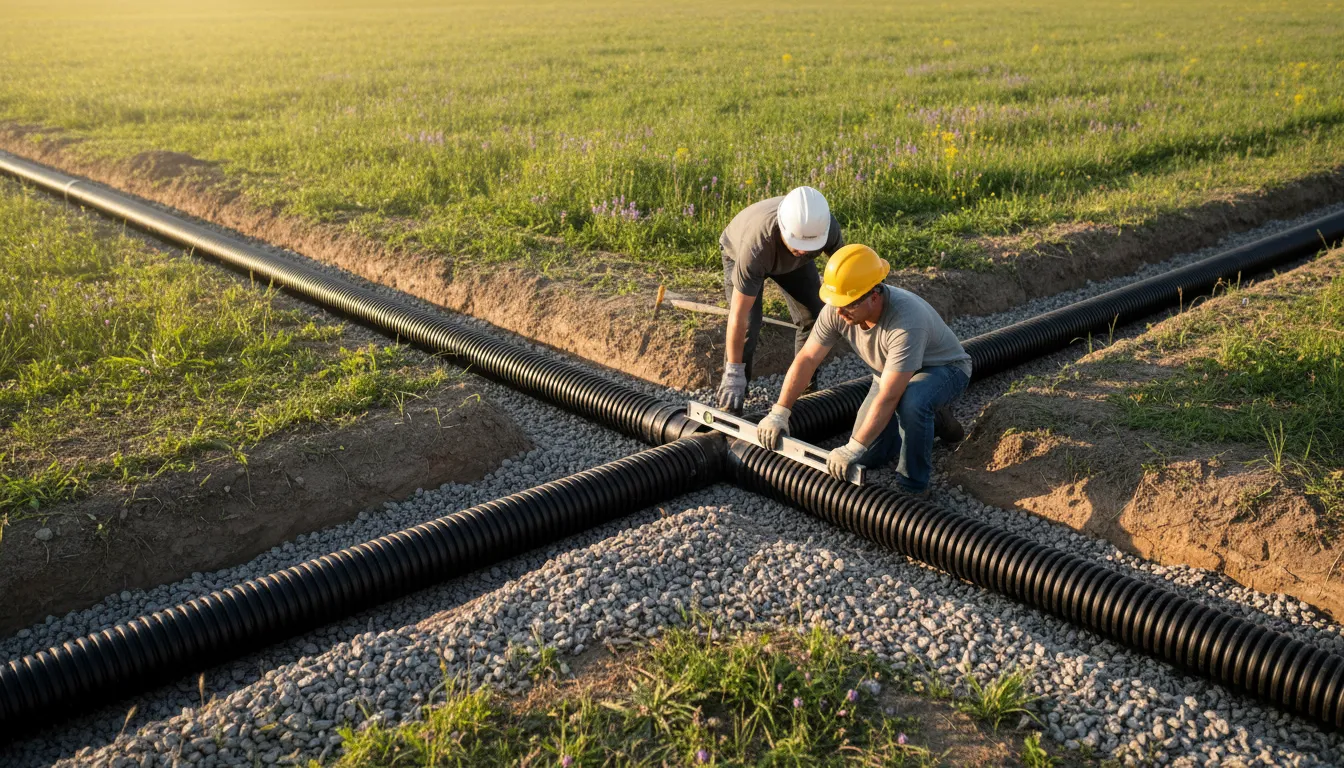
Find the Best Drain Field Repair Companies for Your Business
No obligation • Fast responses • Nationwide coverage

Why you can trust Septic Spot
Septic Spot is a leading United States resource for understanding and comparing septic services. Our editors review providers using consistent criteria and verify key business details. Listings and scores are independent, and companies cannot pay to influence our content.
Search providers near you
Top Drain Field Repair Companies in Pasadena, California Ranked
A failing drain field is a serious issue for any California homeowner with a septic system. This critical component, also known as a leach field, is responsible for safely filtering and dispersing treated wastewater into the soil. When it fails, it can lead to sewage backups, soggy yards, and environmental contamination. Understanding the repair and replacement process, including strict state regulations and associated costs, is essential for protecting your property and complying with California law. This guide provides the practical information you need to navigate drain field issues and connect with qualified local professionals.
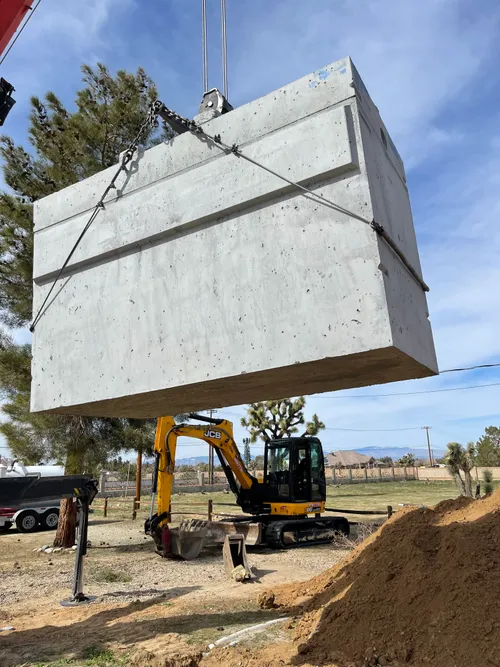
The Drain Dude
13113 San Fernando Rd, Sylmar, CA 91342
The Drain Dude is a full-service plumbing company based in Los Angeles, CA, offering a wide range of plumbing solutions including septic tank inspection, septic system repair, and drain field repair or replacement. They provide 24/7 emergency plumbing services and use advanced technology such as video inspection and electronic leak detection to accurately diagnose issues. Their trenchless sewer and underground pipe installation services minimize disruption with low-dig or no-dig methods. The Drain Dude serves all of Southern California, combining family-owned values with professional expertise.
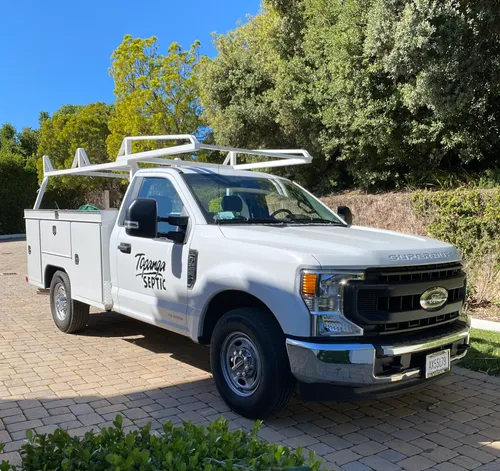
Topanga Septic
22028 Ventura Blvd Ste. 101, Woodland Hills, CA 91364
Topanga Septic is a septic tank service provider located in Los Angeles, CA. They offer a range of services including septic tank pumping, inspections, repairs, installations, and drain field repair or replacement. Their capabilities include excavation, grading, and advanced system monitoring to support system upgrades and maintenance in compliance with new regulations. The company is licensed, bonded, and insured, with certifications from COWA and NAWT. They serve Topanga Canyon, Malibu, and the Greater Los Angeles Area, focusing on preserving natural surroundings during their work.
Septic Tank Pumping Guys
6360 Van Nuys Blvd ste 113, Van Nuys, CA 91401
Septic Tank Pumping Guys provides a full range of septic services in Los Angeles, CA, including pumping, inspections, repairs, and installations for residential and commercial properties. They offer 24/7 emergency septic services and specialize in maintaining system health through regular pump-outs, cleaning, and drain field repairs. Their capabilities include septic tank installation, effluent filter replacement, and grease trap pumping. The company is family owned and operated, serving multiple communities within Los Angeles County.
Septic Tank Pumping USA
1367 Foothill Blvd, La Cañada Flintridge, CA 91011
Septic Tank Pumping USA provides septic tank pumping, inspection, and repair services in Los Angeles, CA. They handle routine maintenance and emergency repairs, including drain field repair or replacement. The company emphasizes regular pumping every 3-5 years to prevent system failures and environmental risks. They also offer thorough inspections to assess tank and drain field conditions. Septic Tank Pumping USA serves the local area with expertise in managing septic system health and compliance with local regulations.
Understanding Your Drain Field and Signs of Failure
The drain field is the final stage of your onsite wastewater treatment system (OWTS). After solids settle in the septic tank, the liquid effluent flows into a network of perforated pipes buried in trenches filled with gravel. This effluent slowly percolates through the soil, where natural processes provide final treatment. A system fails when the soil can no longer absorb the water, often due to a clogged biomat (a layer that forms at the soil interface), compacted soil, or physical damage.
Common warning signs include:
- Sewage odors in the yard or home.
- Slow drains and gurgling plumbing fixtures throughout the house.
- Standing water or soggy, spongy ground over the drain field area, especially when it hasn't rained.
- Unusually bright green, lush grass over the field compared to the rest of the lawn.
- Backups of sewage into floor drains or the home itself.
If you notice any of these signs, it's crucial to act quickly to prevent further damage and potential health hazards.
California's Regulatory Landscape for Septic Work
California has stringent regulations overseen by the State Water Resources Control Board and enforced by local county environmental health departments (EHD) 1. Any significant repair or full replacement of a drain field is not a simple DIY project-it requires permits and professional oversight.
Permits are mandatory for installing, repairing, replacing, or modifying any septic system component. The process typically involves:
- Site Evaluation and Soil Testing: A qualified professional must assess your property's soil conditions, topography, and groundwater levels.
- Engineered Plans: For most repairs and all replacements, you'll need a plot plan and system design prepared by a licensed engineer or qualified professional, which must be submitted to your local EHD for approval 2.
- Inspections: County inspectors will review the work during key stages of construction and upon completion to ensure it meets all current codes.
A critical standard in California is that repairs often require replacing 100% of the original leaching system if it fails to meet current codes, making a partial fix insufficient in many cases3 4. These regulations are designed to protect groundwater, a vital resource in the state.
The Drain Field Repair and Replacement Process
Step 1: Professional Inspection and Diagnosis
The first step is to hire a Qualified Service Provider (QSP) to perform a comprehensive inspection5. This goes beyond a simple tank pumping and will include:
- Checking scum and sludge levels in the tank.
- Assessing the integrity of the tank and distribution box.
- Performing a perc test or soil evaluation to determine if the existing soil is still viable.
- Using a probe to inspect the drain field lines for clogs or saturation.
This inspection will determine whether a repair is possible or if a full replacement is necessary.
Step 2: Exploring Repair Options
In some cases, if the failure is caught early, less invasive solutions may work:
- Jet Cleaning: High-pressure water jets can clear minor clogs in the lateral lines.
- Biomat Remediation: Adding specific bacteria or oxygenating treatments can help break down the clogging layer.
- Pipe Replacement: Excavating and replacing a single failed lateral line may be an option if the rest of the field is sound.
However, these are often temporary fixes. California's strict codes mean that if the system is deemed to have failed, a more comprehensive solution is usually required.
Step 3: Planning for Replacement
If the soil is exhausted or the system is irreparably damaged, a full drain field replacement is needed. This involves:
- Designing a New System: Based on the current soil evaluation and household size, a new leach field will be designed, often in a new location on your property if space allows.
- Obtaining Permits: Your contractor will submit the engineered plans to the county for permit approval 6.
- Decommissioning the Old Field: The old trenches must be properly filled in to prevent collapse and contamination.
- Installing the New Field: This includes excavating new trenches, laying gravel and perforated pipe, and covering it with soil and sod.
Find the perfect drain field repair companies for your needs
Get personalized recommendations and expert advice
Cost Factors for Drain Field Work in California
Costs in California are highly variable and depend on your county, soil conditions, system size, and accessibility. The figures below are estimates to help you budget.
- Drain Field Repair: For minor fixes like jet cleaning or replacing a small section, costs can range from $1,000 to $5,000.
- Drain Field Replacement: This is a major project. Replacing the entire leach field typically costs between $5,000 and $15,000+. The price per linear foot for new leach lines is generally $20 to $457.
- Full System Replacement: If the septic tank also needs replacement, total costs can range from $8,000 to over $22,0008 9.
- Permits and Inspections: These are additional costs. For example, in Nevada County, fees range from approximately $119 for monitoring to over $721 for a system modification permit10.
Important Note: The actual cost for your project will vary significantly based on your specific location within California and your site's unique conditions. Always get multiple detailed quotes from licensed contractors.
Maintaining Your New or Repaired Drain Field
Protecting your investment is key. Proper maintenance can extend the life of your drain field for decades11.
- Pump Regularly: Have your septic tank pumped every 3 to 5 years by a professional to prevent solids from escaping into the drain field.
- Conserve Water: Spread out laundry loads and fix leaks to avoid hydraulically overloading the system.
- Mind What You Flush: Only human waste and toilet paper should go down the drain. Avoid chemicals, grease, medications, and disposable wipes.
- Protect the Area: Never drive, park, or build structures (like sheds or patios) over the drain field. Keep large trees and shrubs with deep roots far away, as roots are a common cause of pipe damage12 13.
- Divert Water: Ensure roof drains, sump pumps, and surface runoff are directed away from the drain field area.
Frequently asked questions
Sources
Footnotes
-
Septic Systems - https://www.watereducation.org/aquapedia-background/septic-systems ↩
-
private sewage disposal systems - https://www.waterboards.ca.gov/water_issues/programs/owts/docs/appdxk_ch7ta1401.pdf ↩
-
Septic System Permit Process - Environmental Management - https://emd.saccounty.net/EC/Pages/SepticPermitProcess.aspx ↩
-
Septic System (Onsite Wastewater Treatment Systems, OWTS ... - https://www.waterboards.ca.gov/centralcoast/water_issues/programs/septics/permits.html ↩
-
Septic Systems | Riverside County Department of Environmental ... - https://rivcoeh.org/septic-systems ↩
-
California Septic Tank Requirements | Onsite Wastewater ... - https://www.ntotank.com/blog/california-septic-tank-requirements ↩
-
How Much Does a Leach or Drain Field Replacement Cost? (2026) - https://homeguide.com/costs/drain-leach-field-replacement-cost ↩
-
Septic Tank Replacement and Drain Field Cost in California - https://www.lanikseptic.com/how-much-does-it-cost-to-replace-a-septic-tank-and-drain-field-in-california/ ↩
-
How Much Does Septic System Repair Really Cost in California - https://www.lanikseptic.com/septic-repair-cost/ ↩
-
Septic System | Nevada County, CA - https://www.nevadacountyca.gov/2520/Septic-System ↩
-
Leach Field 101: The Ultimate Guide to Understanding and Managing Your Septic System - https://www.nexgenseptics.com/leach-field-101-the-ultimate-guide-to-understanding-and-managing-your-septic-system/ ↩
-
Homeowner's Guide to Septic Systems - El Dorado County - https://www.eldoradocounty.ca.gov/files/assets/county/v/1/documents/government/environmental-management/environmental-management/septic-documents/epa_homeowner_septic_guide.pdf ↩
-
Homeowner's - Tuolumne County - https://www.tuolumnecounty.ca.gov/DocumentCenter/View/935/Homeowners-Guide?bidId= ↩