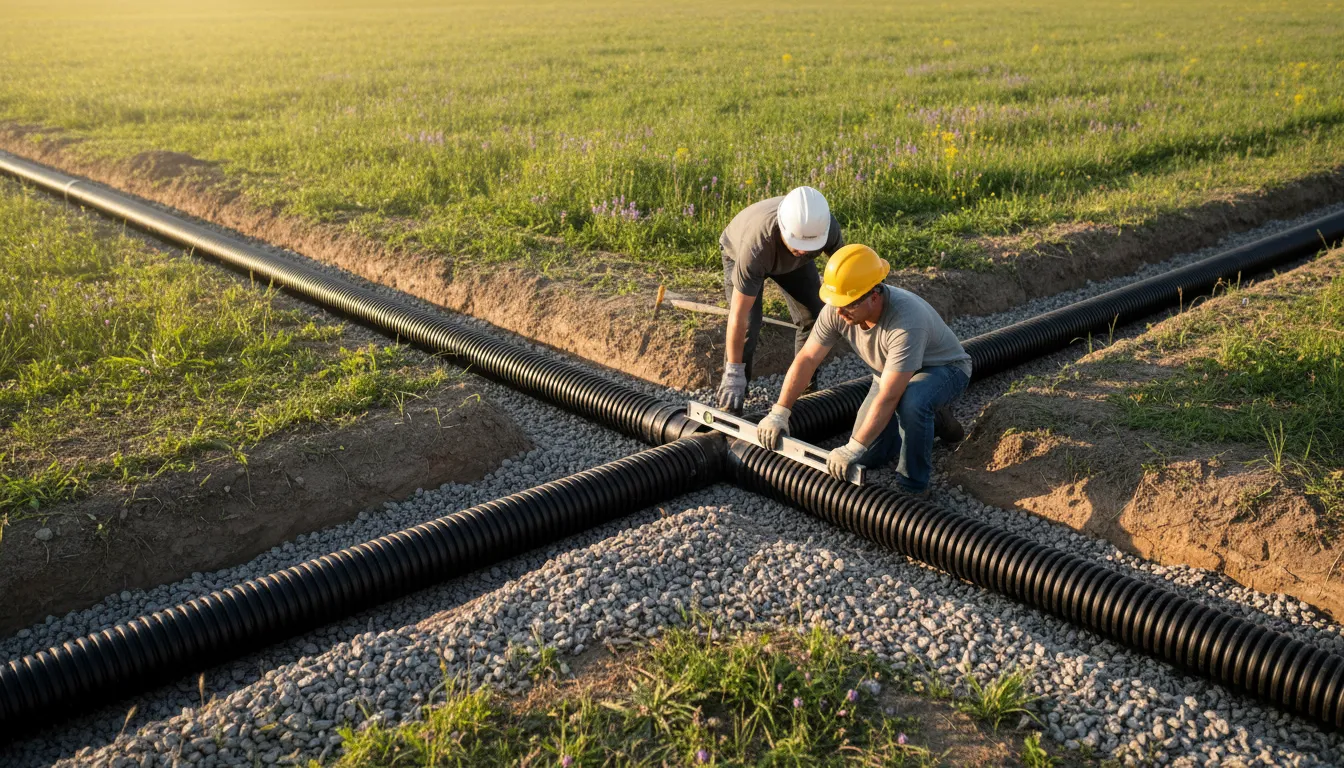
Find the Best Drain Field Repair Companies for Your Business
No obligation • Fast responses • Nationwide coverage

Why you can trust Septic Spot
Septic Spot is a leading United States resource for understanding and comparing septic services. Our editors review providers using consistent criteria and verify key business details. Listings and scores are independent, and companies cannot pay to influence our content.
Search providers near you
Top Drain Field Repair Companies in Perris, California Ranked
A failing drain field is a serious issue for any home with a septic system, often signaling the need for significant repair or a complete replacement. In Perris, California, this process is strictly regulated to protect public health and groundwater, requiring specific permits, professional installation, and adherence to local soil and terrain challenges. This guide explains the critical steps, regulations, and considerations for leach field work in Perris, helping you understand what to expect and how to connect with qualified local specialists for your system assessment.
Foureverfresh Septic & Sewer Solutions
Los Angeles, CA
Foureverfresh Septic & Sewer Solutions provides a range of septic system services in Los Angeles, CA. Their offerings include septic tank pumping, inspections, repairs, installations, and sewer line repairs. They use advanced diagnostic tools like video inspections and leak detection to address issues such as tree root intrusion and blockages efficiently. With over 20 years of experience, the company emphasizes eco-friendly practices and customer satisfaction in their work.
Gardner Septic Services
Los Angeles, CA
Gardner Septic Services is a family-owned company based in Los Angeles, CA, specializing in septic system design, installation, pumping, repairs, inspections, and certifications. Serving the Inland Empire area including Riverside, Moreno Valley, Woodcrest, Yucaipa, Redlands, and nearby communities, they handle projects ranging from small repairs to complete septic system installations. With over 20 years of experience and licensed as a C-42 sanitation systems contractor, Gardner Septic Services offers comprehensive septic solutions including septic tank locating, riser and lid installations, and drain field repairs. They provide 24/7 emergency septic services to address urgent needs at any time.
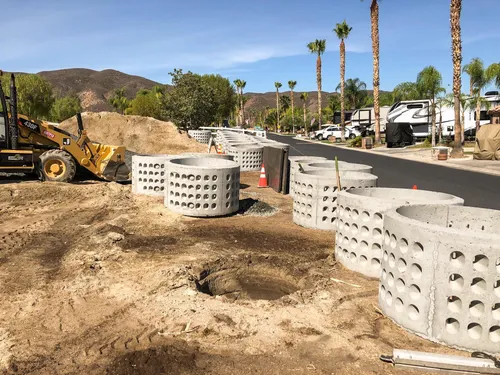
Wright Septic Tank Services
511 N Dillon Ave, San Jacinto, CA 92582
Wright Septic Tank Services is a licensed C42 and C36 contractor based in Los Angeles, CA, offering residential and commercial septic system solutions. Their services include septic tank pumping, repairs, maintenance, installation of new septic systems and leach lines, camera inspections, and electronic tank locating. With over 55 years of experience, Wright Septic uses advanced technology such as waterproof cameras and electronic locating devices to diagnose and address septic system issues effectively.
Señor Septic Construction & Pumping
Los Angeles, CA
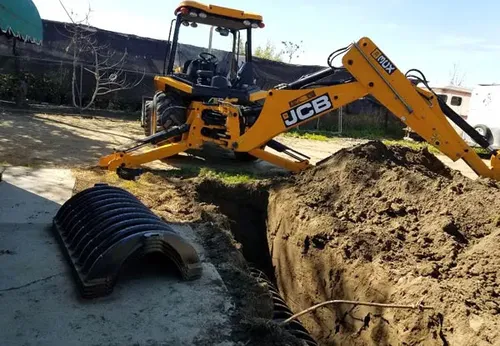
Señor Septic Construction & Pumping is a family-owned septic system contractor serving Los Angeles, CA, and surrounding areas including San Bernardino and Riverside counties. With over 23 years of experience, they provide septic tank pumping, inspection, repair, installation, and drain field services. The company is licensed and follows local codes, offering services such as septic tank clean-outs using modern equipment, new system installations including tanks and drain fields, and aerobic wastewater treatment system installations. They also handle all necessary permits and health inspections. Señor Septic is available Monday through Friday with Saturday appointments by request.
Aztec Excavation Inc. & Septic
37801 Oxford Dr, Murrieta, CA 92562
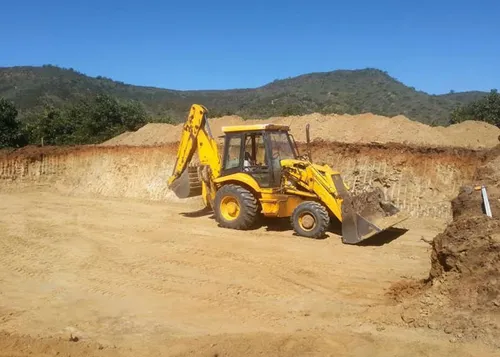
Aztec Excavation Inc. & Septic is a licensed sanitation system contractor based near Los Angeles, CA, specializing in septic system installation, repair, and excavation services. Serving Riverside and San Diego counties, the company handles septic tank installation, drain field repair, trench building, lot preparation, and utility line installation. With over a decade of experience, Aztec Excavation offers capabilities such as advanced treatment unit installation and septic system component repairs. The business operates 24/7 to support residential septic and excavation needs in areas including Murrieta, Temecula, and Wildomar.
Understanding Your Drain Field in Perris
The drain field, also known as a leach field or soil absorption system, is the final and most crucial stage of your onsite wastewater treatment. After solids settle in the septic tank, liquid effluent flows into a network of perforated pipes buried in trenches. This effluent is then filtered and treated by the surrounding soil. In Perris, the local environment plays a major role in system performance and failure. The area features a mix of clay-rich and sandy soils, which can complicate drainage and percolation rates. Furthermore, the potential for high groundwater tables in certain areas requires careful planning to maintain the mandatory separation between the bottom of the leach trenches and the water level.
When a drain field fails, you might notice soggy ground or standing water over the field, sewage odors, or slow-draining fixtures in your home. These symptoms indicate that the soil can no longer absorb and treat the effluent, often due to soil compaction, biomat buildup, hydraulic overloading, or root intrusion. Addressing these issues promptly is essential to prevent environmental contamination and more costly damage.
Riverside County Regulations and Permit Requirements
All major septic system work in Perris falls under the jurisdiction of the Riverside County Department of Environmental Health (DEH), which administers the Local Agency Management Program (LAMP). Navigating these regulations is the first step in any repair or replacement project.
What Requires a Permit? A construction permit from Riverside County DEH is mandatory for any major alteration to your septic system. This includes:
- Replacing more than 50% of an existing leach field.
- Relocating the septic tank or drain field.
- Installing a new distribution box or altering the system's configuration.
- Any new system installation.
The 100% Replacement Area Rule A critical regulation in Riverside County is the requirement for a 100% replacement area1 2 3. This means that for any new or replacement system, you must have a designated, undeveloped reserve area on your property equal to 100% of the size of the initial leach field. This area must be preserved for potential future repairs and cannot have structures, pools, or pavement built over it.
Special Area Restrictions: Quail Valley Properties in certain parts of the Quail Valley area face specific restrictions under Riverside County Ordinance 856 4. In some cases, repair may not be permitted, and connection to a public sewer system may be required instead. It is vital to check with the DEH to see if your property is affected.
Professional and Inspection Mandates The county requires that all work be performed by a licensed contractor (such as a Class A, C-42, or C-36 license holder). Furthermore, a Qualified Service Provider (QSP) must inspect and certify the condition of your existing system before repair plans can be approved. The DEH also conducts mandatory inspections, including an "open trench" inspection before new leach lines are covered and a final inspection upon project completion.
The Site Evaluation and Repair Process
Successfully navigating a drain field project involves a series of defined steps:
- Initial Assessment by a QSP: A certified inspector will evaluate your entire septic system to diagnose the failure's cause and determine whether a repair or full replacement is necessary.
- Site Evaluation and Soil Testing: If the replacement cannot be placed in the designated 100% reserve area, new soil testing will be required. This involves percolation (perc) tests or deep test pits to evaluate the soil's absorption rate and determine the groundwater level 5 6. For properties with slopes over 20%, a geotechnical report may be mandated, with systems generally not permitted on slopes exceeding 35% 5 7.
- Permit Application: Your contractor will prepare and submit a permit application to the Riverside County DEH. This package typically includes a detailed plot plan, the QSP's certification of the existing system, and engineered plans for the repair or new leach field design 8.
- Installation: Once the permit is issued, the licensed contractor will excavate and install the new trenches, seepage pits, or alternative system components, adhering strictly to the approved plans.
- Final Inspections and Approval: The county inspector will visit to approve the open trenches and later the finished installation. Only after passing these inspections can the system be covered and put into service.
Find the perfect drain field repair companies for your needs
Get personalized recommendations and expert advice
Key Site and Installation Considerations
Beyond permits, several physical factors unique to your Perris property will influence the project:
- Soil Conditions: Clay soils, common in the region, have slow percolation rates, often requiring a larger drain field area to function properly. Sandy soils drain faster but may provide less filtration.
- Setback Requirements: Leach fields must be located a minimum distance from other features: at least 30 feet from trees (whose roots can clog lines), 100 feet from wells, and 10 feet from property lines 9 10.
- System Alternatives: If your site has challenging soil, a high water table, or significant slope, a conventional gravity-fed system may not be viable. In these cases, alternative systems like pressurized drip distribution, mound systems, or pump-up systems (where the drain field is at a higher elevation than the home) may be required. These advanced systems involve more complex engineering and components.
Understanding the Costs Involved
Drain field repair and replacement is a significant investment, often considered a "big-ticket" home repair in California 11. Costs can vary widely based on the system size, soil conditions, and technology required.
- Pre-Construction Costs: Budget for several thousand dollars to cover the site evaluation, soil percolation testing, engineering design, and permit fees before any physical work begins.
- Conventional Leach Field Replacement: For a standard gravity-fed system, total costs typically range from $5,000 to $16,000 or more.
- Alternative or Pump-Up Systems: If your site requires a more complex system with pumps, additional tanks, or specialized dispersal technology, costs can easily exceed $25,00012 13.
- Minor Repairs: Isolated issues like replacing a damaged tank lid or a small section of pipe will cost less, but true drain field failures usually necessitate the major work described above.
Disclaimer: All costs are estimates. Regulations and fees are subject to change. Always verify the latest requirements directly with the Riverside County Department of Environmental Health and obtain detailed quotes from licensed contractors.
Maintaining Your New or Repaired System
Once your new drain field is installed, proper maintenance is key to its longevity. This includes regular septic tank pumping (typically every 3-5 years), conserving water to avoid overloading the system, and strictly avoiding parking vehicles or planting trees over the drain field and its 100% reserve area. The reserve area must remain undisturbed to serve its purpose for future repairs.
Frequently asked questions
Sources
Footnotes
-
How to Keep Your Septic System Healthy in Riverside County (Pro ... - https://www.lanikseptic.com/how-to-keep-your-septic-system-healthy/ ↩
-
Construction Guide for On-Site Sewage Disposal Systems - https://monohealth.com/sites/default/files/fileattachments/environmental_health/page/29328/constr_guide_conv08-2.pdf ↩
-
private sewage disposal systems - https://www.waterboards.ca.gov/water_issues/programs/owts/docs/appdxk_ch7ta1401.pdf ↩
-
ordinance no.856 - Riverside County Clerk of the Board - https://rivcocob.org/sites/g/files/aldnop311/files/migrated/ords-800-856.pdf ↩
-
Overcoming Soil and Terrain Challenges in Septic System ... - https://www.lanikseptic.com/septic-installation-riverside/ ↩ ↩2
-
On-Site Sewage Guidelines - OC Development Services - https://ocds.ocpublicworks.com/sites/ocpwocds/files/2021-06/On-Site%20Sewage%20Guidelines.pdf ↩
-
Onsite Sewage Treatment Systems - https://pacificwatershed.com/sites/default/files/Onsite_Sewage_Treatment_Lecture.pdf ↩
-
Septic Systems | Riverside County Department of ... - https://rivcoeh.org/septic-systems ↩
-
How to Plant and Build Around Your Drainfield - https://tpchd.org/wp-content/uploads/2023/12/How-to-Plant-and-Build-Around-Your-Drainfield.pdf ↩
-
The Californian's Guide To Septic Tanks - https://cacciaplumbing.com/blog/california-septic-tank-guide/ ↩
-
Septic Repair Cost in California: Complete Breakdown of Pricing Factors and Variations - https://www.lanikseptic.com/septic-repair-cost/ ↩
-
New Septic Regulations Taking Effect July 2023 - https://slvpost.com/new-septic-regulations-taking-effect-july-2023/ ↩
-
Septic Repair Cost in California: Complete Breakdown of Pricing ... - https://www.lanikseptic.com/septic-repair-cost/ ↩