
Find the Best Drain Field Repair Companies for Your Business
No obligation • Fast responses • Nationwide coverage

Why you can trust Septic Spot
Septic Spot is a leading United States resource for understanding and comparing septic services. Our editors review providers using consistent criteria and verify key business details. Listings and scores are independent, and companies cannot pay to influence our content.
Search providers near you
Top Drain Field Repair Companies in San Clemente, California Ranked
A failing drain field, also known as a leach field or absorption field, is a serious issue for any home with a septic system. It's the final and most critical stage where treated wastewater is safely returned to the soil. When this component fails, it can lead to soggy yards, foul odors, and even environmental contamination. For San Clemente homeowners, navigating the repair or replacement of a septic drain field involves understanding local regulations, soil conditions, and costs. This guide helps you understand the process and key considerations for finding qualified local professionals to restore your system's function.
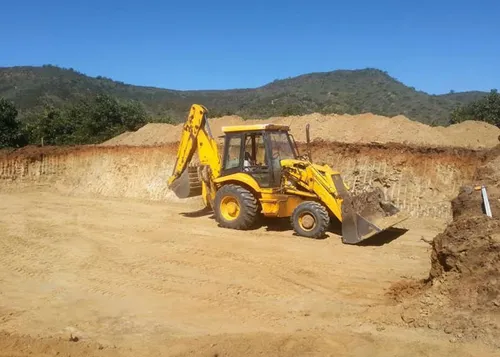
Aztec Excavation Inc. & Septic
37801 Oxford Dr, Murrieta, CA 92562
Aztec Excavation Inc. & Septic is a licensed sanitation system contractor based near Los Angeles, CA, specializing in septic system installation, repair, and excavation services. Serving Riverside and San Diego counties, the company handles septic tank installation, drain field repair, trench building, lot preparation, and utility line installation. With over a decade of experience, Aztec Excavation offers capabilities such as advanced treatment unit installation and septic system component repairs. The business operates 24/7 to support residential septic and excavation needs in areas including Murrieta, Temecula, and Wildomar.

AMC Contractors
21657 Temescal Canyon Rd, Corona, CA 92883
AMC Contractors is a family-owned septic system contractor serving Los Angeles, CA, and surrounding areas. With over 30 years of experience since 1981, they provide a full range of septic services including installation, repair of leach lines and seepage pits, septic tank pumping, and inspections for real estate transactions or building permits. AMC Contractors combines extensive industry knowledge with the latest technology to address various septic system needs. Their team is available to assist with questions and provide reliable service.
Understanding Your Drain Field's Role
Your septic system is a mini wastewater treatment plant, and the drain field is its final filtration stage. After solids settle in the tank, the liquid effluent flows into a network of perforated pipes buried in gravel-filled trenches. This effluent slowly percolates down through the soil, where natural biological processes remove harmful bacteria, viruses, and nutrients before the water reaches the groundwater table. A properly functioning leach field is essential for protecting public health and the local environment, especially in areas like San Clemente that are close to sensitive coastal watersheds.
Signs You Need Drain Field Repair or Replacement
Catching problems early can mean the difference between a simple repair and a costly full replacement. Be alert for these warning signs of a failing absorption field:
- Surface Water: Puddles, soggy soil, or unusually lush grass directly over the drain field area, especially when it hasn't rained.
- Slow Drains & Backups: Gurgling pipes, slow-draining sinks and toilets, or sewage backups in the house can indicate that the drain field is saturated and not accepting water.
- Foul Odors: The smell of sewage in your yard or near the drain field is a clear red flag.
- Nitrate Contamination: If a water test of a nearby well shows high nitrate levels, it could indicate a failing septic system is contaminating groundwater.
If you notice any of these signs, it's crucial to contact a licensed septic professional for an inspection immediately.
The San Clemente & Orange County Regulatory Process
Any significant work on a septic system in San Clemente requires adherence to strict regulations enforced by Orange County Environmental Health and the California State Water Resources Control Board. You cannot simply hire a contractor to dig up and replace a leach field; the process is governed by permits and codes designed to protect water quality.
Permits are mandatory for repairs or full replacements and are obtained through Orange County Public Works or Environmental Health. A key aspect of the process is that any major repair often triggers a requirement to bring the entire system up to current code standards 1. This may mean adding effluent filters, installing accessible risers for the tank, or even upgrading the tank size during the course of the drain field work.
All inspections and construction must be performed by state-licensed contractors. They will be familiar with the local "Technical Guidance Document" that outlines the specific engineering requirements for onsite wastewater systems in Orange County.
Critical Site Factors: Soil, Slope, and Setbacks
The feasibility and design of your new or repaired leach field are dictated by your specific property conditions. Professionals will evaluate several key factors:
- Soil Percolation Rate: The soil must have the right absorption speed. In California, suitable soils typically have a percolation ("perc") rate between 1 and 12 inches per hour. Fast-draining, sandy soils are ideal, while dense clay soils can fail a standard perc test and require an alternative system.
- Groundwater Separation: There must be a minimum of 5 feet of unsaturated soil between the bottom of the drain field trenches and the seasonal high groundwater table 2 3. This vertical separation is critical for adequate treatment.
- Site Slope: The slope of your land significantly impacts design. Slopes greater than 20% require a specialized geotechnical report, and there is generally a maximum allowable slope of 35% for conventional systems 4.
- Setbacks: Legal minimum distances must be maintained from property lines, buildings, wells, water lines, and creeks or ocean bluffs. These setbacks are non-negotiable and will determine where a new field can be placed.
Find the perfect drain field repair companies for your needs
Get personalized recommendations and expert advice
The Step-by-Step Process for Repair or Replacement
- Professional Inspection & Tank Pumping: The first step is always a full system inspection by a licensed professional. Your tank should also be pumped to assess its condition and rule it out as the source of the problem. Regular inspections every 1-3 years are recommended to catch issues early 5.
- Soil & Site Evaluation (Perc Test): If a drain field issue is suspected, a detailed site evaluation is needed. This includes a percolation test, where a licensed engineer or soil evaluator measures how quickly water drains into a test hole on your property. This test typically costs between $300 and $3,000 and is essential for design.
- Design & Permit Application: Using the site evaluation data, an engineer designs a system that complies with all regulations. This includes creating a detailed site plan showing the proposed drain field layout, dimensions, and setbacks. Your contractor will submit this plan, along with the permit application, to the county 6 7 8.
- Construction: Once the permit is approved, construction can begin. This involves excavation, placement of gravel and piping, connection to the septic tank, and careful backfilling.
- Final Inspection: County officials will conduct a final inspection to ensure the installation matches the approved plans and meets all code requirements before the system is covered and put into use.
Understanding the Costs Involved
The cost for drain field work in San Clemente varies widely based on the scope of the problem, soil conditions, and system type. Here is a general breakdown based on available data:
- Minor Repairs: Addressing a single clogged line or a small section of the field may range from $1,000 to $5,000.
- Full Conventional Drain Field Replacement: Completely replacing a standard leach field is a major project, with costs typically ranging from $5,000 to $12,000 or more 9. The final price depends heavily on the size of the field and ease of excavation.
- Alternative or Engineered System: If your soil fails a standard perc test or you have a high water table, a more advanced system like a mound, drip irrigation, or aerobic treatment unit (ATU) may be required. These systems involve pumps, timers, and more complex designs, with costs often ranging from $15,000 to $30,000 or higher 10 11.
- Soil Percolation Test: As noted, the essential perc test is an additional $300 to $3,000 12.
It's important to get multiple detailed quotes from licensed contractors. The quote should itemize costs for design, permits, materials, labor, and the county inspection fees.
Choosing a Qualified Local Professional
When your septic system's vital drainage area is at stake, choosing the right contractor is paramount. Look for a professional with:
- A valid C-42 or A California contractor's license for septic work.
- Extensive local experience in San Clemente and Orange County.
- Strong knowledge of the OC Technical Guidance Document and county permit process.
- Positive references and reviews from past clients for similar drain field projects.
- Clear, detailed written estimates and warranties on their workmanship.
A reputable contractor will guide you through the entire process, from the initial diagnostic inspection to the final county sign-off, ensuring your new leach field provides reliable, long-term service for your home.
Frequently asked questions
Sources
Footnotes
-
California Septic Tank Requirements | Onsite Wastewater ... - https://www.ntotank.com/blog/california-septic-tank-requirements ↩
-
Frequently Asked Questions on Septic Systems - https://www.sandiegocounty.gov/content/sdc/deh/lwqd/lu_septic_systems/lu_septic_faqs_page.html ↩
-
The Californian's Guide To Septic Tanks - https://cacciaplumbing.com/blog/california-septic-tank-guide/ ↩
-
Septic Installation in San Diego vs Other Regions: Key Differences - Mineo Bros Septic - https://www.mineobrosseptic.com/news/septic-installation-in-san-diego-vs-other-regions-key-differences/ ↩
-
Septic Systems Guide: How They Work and Essential Maintenance Tips - https://www.lanikseptic.com/septic-systems-guide/ ↩
-
Septic Tank Replacement and Drain Field Cost in California - https://www.lanikseptic.com/how-much-does-it-cost-to-replace-a-septic-tank-and-drain-field-in-california/ ↩
-
TECHNICAL GUIDANCE DOCUMENT (TGD) FOR THE ... - https://ocds.ocpublicworks.com/sites/ocpwocds/files/2021-06/OC_TGD%2812-20-2013%29.pdf ↩
-
Septic System Regulations in Southern California: What You ... - https://www.lanikseptic.com/socal-septic-regulations/ ↩
-
Cost to Replace Septic Tank and Drain Field [2026 Data] | Angi - https://www.angi.com/articles/how-much-new-drain-fields-foot.htm ↩
-
How Much Does Septic System Repair Really Cost in California - https://www.lanikseptic.com/septic-repair-cost/ ↩
-
What is the best septic system if your land fails a perc test? - https://www.premiertechaqua.com/en-us/blog/best-septic-system-failed-perc-test ↩
-
How Much Does a Septic Soil Test Cost in 2026? - Land Perc - https://landperc.com/septic-soil-test-cost/ ↩