Find the Best Drain Field Repair Companies for Your Business
No obligation • Fast responses • Nationwide coverage

Why you can trust Septic Spot
Septic Spot is a leading United States resource for understanding and comparing septic services. Our editors review providers using consistent criteria and verify key business details. Listings and scores are independent, and companies cannot pay to influence our content.
Search providers near you
Top Drain Field Repair Companies in San Rafael, California Ranked
A failing drain field, also known as a leach field or absorption system, is a critical issue for any home with a septic system. When this underground network of perforated pipes and gravel becomes clogged, saturated, or damaged, it can no longer properly filter and disperse treated wastewater, leading to backups, soggy yards, and environmental contamination. In San Rafael, navigating the repair or replacement of this essential component requires understanding both the technical solutions and the specific regulatory landscape of Marin County. This guide provides the local information you need to understand the process, costs, and key considerations for restoring your onsite wastewater system to full function.

Understanding Your Drain Field and Signs of Failure
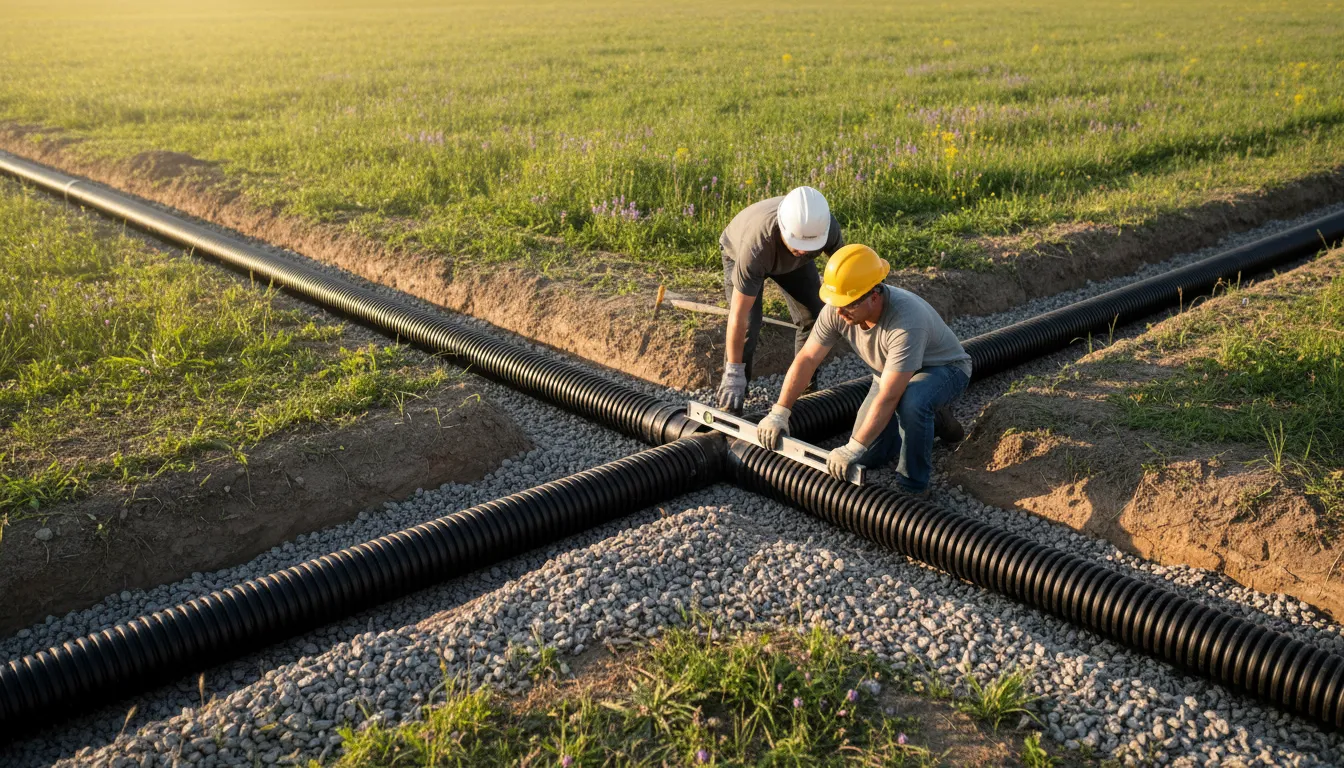
The drain field is the final stage of your septic system. After solids settle in the tank, the liquid effluent flows out into a distribution box and is evenly released into a series of trenches. Here, it percolates through soil, where natural processes provide final treatment. A system fails when the soil can no longer absorb the water. Common causes include hydraulic overloading (using more water than the field was designed for), physical damage from vehicles or root intrusion, and biomat buildup-a layer of sludge that clogs the soil pores.
Key warning signs include:
- Sewage odors near the tank or drain field area.
- Soggy, spongy, or persistently wet soil over the leach field, even in dry weather.
- Lush, green grass growing over the field compared to the rest of the yard.
- Slow-draining household fixtures or sewage backups.
- Surfacing effluent, which is a serious health hazard and requires immediate action.
If you notice any of these symptoms, it's crucial to act quickly. Continuing to use a failing system can cause more extensive damage, increase repair costs, and violate local health codes.
The Regulatory Process in Marin County
All major septic system work in San Rafael is overseen by the Marin County Department of Environmental Health Services (EHS). A permit is mandatory for any repair involving excavation of the disposal field or the alteration or replacement of any of its components. The process is designed to ensure the new system is safe, effective, and protective of public health and local waterways.
Initial Steps and Site Evaluation Your first call should be to a qualified septic professional for an inspection to confirm the issue is with the leach field and not the tank or plumbing. If drain field work is needed, you must involve Marin County EHS early. The process begins with a site evaluation, which is critical in San Rafael's varied terrain. County staff or a licensed evaluator will assess soil conditions, often requiring soil profile holes and wet-weather percolation or groundwater testing. This determines the soil's ability to absorb water-measured in minutes per inch (MPI)-and identifies the seasonal high groundwater level 1. Coastal areas and hillsides often present challenges like clay soils or high water tables, which may necessitate engineered solutions.
Design, Permitting, and Installation Once the site is evaluated, a septic system designer creates engineered plans for the repair or replacement system. These plans, along with a permit application, are submitted to EHS for review. After approval and payment of applicable fees, a construction permit is issued. The installation must be inspected by EHS staff at key stages, with a final inspection leading to a certificate of installation 2 3 4.
Find the perfect drain field repair companies for your needs
Get personalized recommendations and expert advice
Key Technical Requirements and Site Constraints
Marin County enforces strict standards to ensure system integrity and environmental protection. Understanding these will help you anticipate what your property may require.
- Soil and Groundwater Separation: There must be a minimum of 3 feet of suitable soil beneath the dispersal trenches and at least 5 feet of separation from the seasonal high groundwater level 5 6. If your site cannot meet these vertical separations, a raised mound or other alternative system may be the only option.
- Setback Distances: Repairs and new fields must maintain specific distances from other features. Key setbacks include 100 feet from water wells and varying distances from streams, property lines, and structures. Your designer will plot these on the site plan 7.
- Slope Considerations: Properties with slopes over 20% often require a specialized geotechnical report to ensure stability and proper function 8.
- Residential Improvement Policy: If you are planning a home addition or remodel that adds bedrooms, the county requires an evaluation of your existing septic system's capacity. If it's insufficient for the new load, you may be required to design and install a replacement drain field as a condition of the building permit 9.
Repair vs. Replacement: Options and Costs
The best solution depends on the extent of the failure and your site conditions.
Minor Repairs ($1,200 - $4,000) These are for localized issues and may include repairing a broken pipe, cleaning a clogged distribution box, or rehabilitating a small section of the field. These costs typically cover the repair work and associated permitting.
Major Drain Field Repair or Replacement ($5,000 - $15,000+) This is the most common scope for a complete failure. It involves excavating and replacing the entire existing leach field with a new one in a suitable location on your property. Costs vary widely based on size, accessibility, and soil conditions 10 11.
Full System Replacement ($6,000 - $10,000+) If the septic tank is also old or compromised, you may need to replace the entire system-both tank and leach field. This is the most comprehensive and expensive option.
Alternative/Engineered Systems For sites with poor soil, high groundwater, or limited space, a conventional gravel trench system may not be possible. Alternatives include raised mound systems, drip irrigation dispersal, or advanced treatment units. These systems are more complex and expensive to install and often come with ongoing monitoring requirements under an Operational Permit (OPR) from the county 12 13.
Choosing a Professional in San Rafael
Given the technical and regulatory complexity, selecting the right contractor is vital. Look for a licensed, experienced professional who is familiar with Marin County's EHS requirements. They should handle the entire process: evaluation, design submission, permitting, construction, and scheduling inspections. Always verify their license with the California State License Board and ask for references from recent projects in the area. A reputable provider will be transparent about costs, timelines, and the specific challenges of your property.
Maintenance: Protecting Your Investment
Once your new or repaired leach field is installed, proper maintenance is key to its longevity.
- Conserve Water: Spread out laundry loads and fix leaks to avoid hydraulically overloading the field.
- Divert Water: Ensure roof gutters, sump pumps, and surface runoff are directed away from the drain field area.
- Mind What You Flush: Only human waste and toilet paper should go down the drain. Avoid chemicals, grease, and non-biodegradable items.
- Keep It Clear: Never drive, park, or build structures over your drain field. Avoid planting trees or shrubs with deep roots nearby.
- Pump the Tank Regularly: Have the septic tank pumped every 3-5 years by a professional to prevent solids from washing out into the new field. A standard inspection/pump can cost between $50 and $250 14.
Frequently asked questions
Sources
Footnotes
-
Septic System Repairs and Drainage Solutions in Coastal California - https://www.eurekaearthworks.com/blog/blog-post-title-four-bg4ky-bg9ey-a5nsl-mjzmn-bn57m ↩
-
Septic systems/onsite wastewater treatment systems - https://www.marincounty.gov/departments/cda/env-health-svcs/prgm-septic ↩
-
onsite-wastewater-treatment-system-requirements-procedures. ... - http://publichealth.lacounty.gov/eh/docs/permit/onsite-wastewater-treatment-system-requirements-procedures.pdf ↩
-
California Septic Tank Requirements | Onsite Wastewater ... - https://www.ntotank.com/blog/california-septic-tank-requirements?srsltid=AfmBOorm_yeCIw5Gn8-b9a4Ziw5nEC4iaWZFEhRcKbdNfuxJ-nobVSNT ↩
-
Residential Improvement Policy - SGVPG.org - https://www.sgvpg.org/ewExternalFiles/Residential%20Improvement%20Policy.pdf ↩
-
The Californian's Guide To Septic Tanks - https://cacciaplumbing.com/blog/california-septic-tank-guide/ ↩
-
How Does Soil Impact the Septic System You Can Have? - https://www.septicconnection.com/how-does-soil-impact-the-septic-system-you-can-have ↩
-
PREVENTING PROBLEMS - Butte County - https://www.buttecounty.net/837/Septic-System-Maintenance-Care-PDF ↩
-
Septic System Residential Improvement Policy | Marin County - https://assets.marincounty.gov/marincounty-prod/public/2024-03/septic-system-residential-improvement-policy_.pdf ↩
-
Septic Tank Replacement and Drain Field Cost in California - https://www.lanikseptic.com/how-much-does-it-cost-to-replace-a-septic-tank-and-drain-field-in-california/ ↩
-
How Much Does Septic System Repair Really Cost in California - https://www.lanikseptic.com/septic-repair-cost/ ↩
-
Well and Septic Systems - Permit Sonoma - https://permitsonoma.org/divisions/engineeringandconstruction/wellandsepticsystems ↩
-
Permitting Guidelines for Fire Damaged Septic Systems - https://permitsonoma.org/rebuilding/rebuildingprocess/wellsepticsewer/septicpermittingguidelines ↩
-
Maintaining your Septic System A Guide for Homeowners - https://www.ihs.gov/california/tasks/sites/default/assets/File/SFC-MaintainingYourSepticSystemGuide.pdf ↩